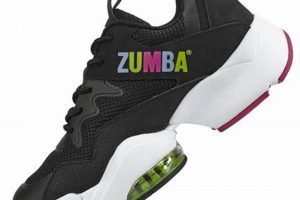
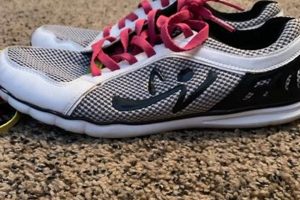
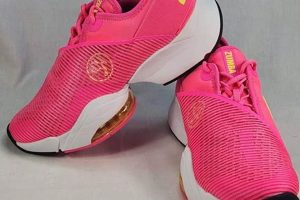
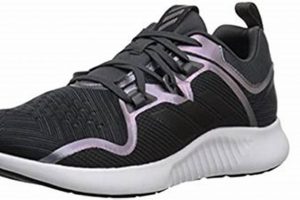
Footwear designed to mitigate stress on the knee joint during Zumba fitness activities constitutes a specialized category. These shoes prioritize cushioning, stability, and support to address the needs of individuals experiencing knee discomfort or instability. An example would be a cross-training shoe with enhanced arch support and a low heel drop.
Selecting appropriate footwear is crucial for individuals with pre-existing knee conditions seeking to participate safely and comfortably in Zumba. Proper footwear can reduce impact forces, improve alignment, and minimize the risk of further injury. Historically, the development of supportive athletic footwear has evolved significantly, with increasing attention paid to biomechanical considerations and the specific demands of various physical activities.
The following sections will explore specific features to consider when selecting supportive footwear, including cushioning technologies, outsole designs, and stability features. Furthermore, considerations for individual needs and preferences will be discussed to facilitate informed decision-making.
Footwear Selection Guidance
This section provides practical advice on selecting appropriate footwear to minimize knee stress during Zumba and similar activities.
Tip 1: Prioritize Cushioning: Ample cushioning in the midsole absorbs impact forces generated during high-energy movements. Look for shoes with gel, air, or foam-based cushioning systems, particularly in the heel and forefoot.
Tip 2: Assess Arch Support: Adequate arch support helps maintain proper foot alignment, reducing stress on the knees. Consider shoes with built-in arch support or orthotic inserts for customized support.
Tip 3: Evaluate Stability Features: Seek shoes with features that enhance stability, such as medial posts or reinforced heel counters. These elements help control excessive pronation (inward rolling of the foot), which can contribute to knee pain.
Tip 4: Consider Outsole Traction: The outsole should provide sufficient grip to prevent slipping and sliding, particularly on smooth studio floors. Multi-directional tread patterns offer optimal traction for lateral movements.
Tip 5: Opt for a Low Heel Drop: A lower heel-to-toe drop (the difference in height between the heel and forefoot) promotes a more natural foot strike and reduces stress on the knees. Shoes with a heel drop of 0-8mm are generally recommended.
Tip 6: Ensure Proper Fit: Footwear should fit snugly but comfortably, with adequate toe box space. Ill-fitting shoes can exacerbate knee pain and increase the risk of injury.
Tip 7: Consult with a Professional: Individuals with persistent knee pain should consult with a podiatrist or physical therapist for personalized recommendations regarding footwear and exercise modifications.
Implementing these guidelines can assist in selecting footwear that promotes comfort, stability, and reduced knee stress during physical activity. Careful consideration of cushioning, support, and fit is essential.
The following section will offer concluding thoughts and a summary of the key considerations discussed.
1. Impact Absorption

Impact absorption in footwear designed for Zumba, particularly for individuals with knee sensitivities, is paramount. During Zumba, repetitive high-impact movements generate significant forces that transmit through the lower extremities. Insufficient impact absorption can exacerbate existing knee conditions, leading to pain, inflammation, and potential injury. For instance, landing from a jump without adequate cushioning forces the knee joint to absorb the full impact, increasing stress on cartilage and ligaments. Therefore, impact absorption serves as a critical component in mitigating the adverse effects of these movements.
Effective impact absorption relies on midsole materials engineered to dissipate energy. Ethylene-vinyl acetate (EVA) foam and thermoplastic polyurethane (TPU) are commonly utilized materials, often incorporating specialized technologies like air or gel cushioning. A practical example includes shoes with strategically placed gel pads in the heel and forefoot, reducing the force experienced during landing and propulsion. Furthermore, the thickness and density of the midsole contribute to the overall impact absorption capacity. A thicker, denser midsole offers greater protection against high-impact forces.
In conclusion, impact absorption is not merely a feature but a necessity in footwear intended for Zumba participants with knee concerns. The capacity of the shoe to effectively absorb and dissipate impact forces directly correlates with reduced knee stress and a lower risk of injury. Selecting shoes with demonstrable impact absorption technologies and appropriate midsole characteristics is thus crucial for maintaining knee health and facilitating safe participation in Zumba activities.
2. Arch Support Integrity

Arch support integrity in footwear directly influences knee joint loading, particularly for individuals participating in Zumba and experiencing pre-existing knee conditions. The arch of the foot, responsible for shock absorption and weight distribution, plays a critical role in lower extremity biomechanics. Compromised arch support, such as in cases of overpronation or supination, alters the kinetic chain, transmitting aberrant forces up the leg to the knee joint. This, in turn, can exacerbate knee pain and instability. Therefore, maintaining arch support integrity is a crucial consideration when selecting footwear for Zumba participants with compromised knees. For example, an individual with flat feet participating in Zumba without adequate arch support might experience increased medial knee pain due to the inward collapse of the arch and subsequent internal rotation of the tibia.
Footwear designed to address this need incorporates features such as orthotic inserts, medial posts, or reinforced shanks to provide structural support to the arch. Orthotic inserts can be custom-molded to an individual’s foot, ensuring optimal arch support and alignment. Medial posts, located on the inner side of the shoe, resist excessive pronation. Reinforced shanks, embedded in the midsole, provide torsional rigidity, preventing excessive twisting of the shoe and maintaining arch stability. Consider, for instance, a shoe with a firm medial post effectively controlling overpronation and reducing valgus stress on the knee during Zumbas lateral movements. This helps to prevent compensatory movements which could lead to knee discomfort.
In conclusion, arch support integrity is an indispensable element of footwear designed to mitigate knee stress during Zumba. Addressing this aspect through appropriate shoe features, such as orthotics or medial posts, contributes to improved lower extremity alignment, reduced knee joint loading, and enhanced overall comfort and safety. Failure to address arch support deficiencies can negate the benefits of other supportive features, potentially increasing the risk of knee pain and injury. Understanding the interaction between foot biomechanics and knee joint loading is therefore essential in selecting footwear that effectively supports individuals with compromised knees participating in Zumba.
3. Lateral Stability Control

Lateral stability control is a crucial element in footwear designed to mitigate stress on the knee joint during Zumba activities. Zumba, characterized by rapid lateral movements and changes in direction, places significant demands on the stability of the foot and ankle. Insufficient lateral support can lead to excessive pronation or supination, transmitting torsional forces to the knee and exacerbating existing conditions. For example, performing a grapevine step without adequate lateral stability can cause the foot to roll inward, increasing valgus stress on the knee joint and potentially leading to medial knee pain. Effective lateral stability control minimizes these undesirable movements, promoting a more aligned and stable lower extremity.
Footwear with lateral stability features often incorporates reinforced sidewalls, external heel counters, and wider outsoles. Reinforced sidewalls provide structural support to prevent the foot from rolling excessively during lateral movements. External heel counters offer additional stability to the heel, reducing the risk of ankle sprains and subsequent knee stress. Wider outsoles increase the base of support, improving balance and stability during dynamic movements. A practical application is observed in shoes incorporating thermoplastic polyurethane (TPU) frames that wrap around the heel and midfoot, providing enhanced lateral support. This reduces the risk of ankle inversion, which in turn stabilizes the knee.
In summary, lateral stability control is not merely an optional feature but a fundamental requirement in footwear aimed at supporting individuals with knee sensitivities participating in Zumba. By minimizing excessive foot and ankle movement, such designs help reduce rotational stress on the knee and improve overall lower extremity stability. This understanding highlights the critical role of carefully selecting shoes to manage knee conditions safely. The benefits from a shoe with good lateral support are increased stability and control, reducing knee strain in Zumba, for instance.
4. Proper Foot Alignment

Proper foot alignment is a critical factor in mitigating knee stress during Zumba activities, especially for individuals with pre-existing knee conditions. Misalignment, such as overpronation or supination, disrupts the kinetic chain, transmitting abnormal forces up the lower extremity and directly impacting the knee joint. When the foot excessively pronates (rolls inward), it causes internal rotation of the tibia, leading to increased stress on the medial aspect of the knee. Conversely, oversupination (rolling outward) can result in external rotation and lateral knee pain. Therefore, achieving and maintaining proper foot alignment is essential for minimizing these aberrant forces and protecting the knee from further injury. Footwear designed with features promoting optimal alignment are of central importance.
Appropriate footwear, specifically designed to address alignment issues, plays a vital role in correcting and supporting the foot. Shoes with medial posts can control overpronation by providing resistance to inward rolling. Features like orthotic inserts or supportive insoles can provide customized arch support, maintaining the foot’s natural alignment. Stiff heel counters contribute to stability and help prevent excessive movement that leads to misalignment. For instance, a Zumba participant with flat feet using shoes with built-in arch support may experience reduced knee pain and improved stability due to the foot’s more neutral position. Similarly, a person with supination issues may benefit from shoes with enhanced cushioning on the lateral side, promoting a more balanced foot strike.
In conclusion, proper foot alignment constitutes a crucial component in managing knee pain during Zumba. Selecting footwear that addresses individual alignment needs is paramount. By mitigating abnormal foot motion and its subsequent impact on the knee, appropriate shoes can reduce the risk of injury and enhance comfort during Zumba activities. Ignoring foot alignment can render other supportive features ineffective, highlighting the need for a holistic approach to footwear selection for individuals with compromised knees.
5. Outsole Traction Reliability
Outsole traction reliability, especially in the context of footwear for Zumba participants with knee conditions, is a critical safety factor. The repetitive, high-energy movements characteristic of Zumba require secure footing to prevent slips and falls, which can exacerbate existing knee injuries or lead to new ones.
- Grip Coefficient on Studio Floors
The grip coefficient refers to the measure of friction between the shoe’s outsole and the studio floor surface. A higher coefficient indicates greater traction and reduced risk of slipping. For instance, outsoles featuring multi-directional tread patterns composed of non-marking rubber compounds are designed to maximize grip on smooth, polished surfaces commonly found in dance studios. Failure to maintain adequate grip increases the likelihood of sudden, uncontrolled movements, placing undue stress on the knee joint.
- Tread Pattern Design and Stability
The design of the outsole’s tread pattern directly impacts its ability to provide stability during lateral movements. Patterns featuring deep grooves and strategically placed lugs enhance grip and prevent slippage in multiple directions. Examples include herringbone patterns and radial designs, which offer balanced traction for both forward and lateral movements. Insufficient tread depth or an inappropriate pattern can compromise stability, leading to knee instability and increased risk of injury.
- Material Composition and Durability
The material composition of the outsole determines its durability and long-term performance. Rubber compounds vary in their ability to maintain grip over time and resist wear from repetitive use. Higher-quality rubber blends provide consistent traction and prevent the outsole from hardening or losing its grip. Premature wear or degradation of the outsole can reduce traction and increase the risk of slips, negating the benefits of other supportive features in the footwear.
- Impact of Pivoting on Knee Joint
Zumba involves frequent pivoting motions, placing rotational stress on the knee joint. Outsole designs promoting smooth pivoting movements, such as pivot points or rounded edges, reduce friction and minimize strain. Conversely, outsoles with excessive grip can restrict pivoting, forcing the knee to absorb the rotational force, leading to increased stress and potential injury. Prioritizing shoes with specialized features for Zumba dance allows for better mobility.
These facets of outsole traction reliability collectively contribute to the safety and stability of Zumba participants with knee sensitivities. Footwear lacking adequate traction can compromise balance, increase joint stress, and heighten the risk of falls, underscoring the importance of careful selection. Consideration of grip coefficient, tread pattern, material durability, and pivoting characteristics is crucial for minimizing potential knee complications.
Frequently Asked Questions
This section addresses common inquiries regarding the selection and use of appropriate footwear for individuals with knee issues participating in Zumba fitness activities.
Question 1: What specific shoe features are most beneficial for individuals experiencing knee pain during Zumba?
Optimal footwear for Zumba with knee sensitivities prioritizes impact absorption, arch support, lateral stability, and proper foot alignment. Cushioning technologies, supportive insoles, reinforced sidewalls, and outsoles with adequate traction contribute to minimizing knee stress.
Question 2: Are specific shoe brands or models recommended for individuals with knee problems engaging in Zumba?
While specific brand endorsements are avoided, footwear from reputable athletic shoe manufacturers offering models with features emphasizing cushioning, stability, and support are generally suitable. Consulting with a podiatrist or physical therapist for personalized recommendations is advisable.
Question 3: How often should Zumba shoes be replaced to maintain adequate support and cushioning for knee health?
Footwear should be replaced approximately every 300-500 miles of use, or sooner if visible wear and tear, such as compressed cushioning or worn outsoles, is observed. Regular inspection of the footwear is recommended to ensure continued support and protection.
Question 4: Can orthotic inserts be used in conjunction with Zumba shoes to provide additional knee support?
Orthotic inserts can enhance arch support and improve foot alignment, potentially reducing knee stress. Custom-molded orthotics, prescribed by a podiatrist, offer the most personalized support. Over-the-counter inserts may provide some benefit, but their effectiveness varies depending on individual needs.
Question 5: How does shoe weight impact knee stress during Zumba?
Excessively heavy footwear can increase energy expenditure and contribute to fatigue, potentially exacerbating knee pain. Lighter-weight shoes minimize these effects, allowing for more efficient movement and reduced joint stress. Balance is key, however, as too little shoe can cause other issues.
Question 6: Should individuals with knee conditions modify their Zumba routine in addition to selecting appropriate footwear?
Modifying Zumba routines to reduce high-impact movements, such as jumping or plyometrics, can further minimize knee stress. Focusing on low-impact variations and incorporating strengthening exercises for the surrounding muscles can enhance stability and support. Medical advice may be needed.
Prioritizing appropriate footwear, supplemented by necessary modifications to exercise routines, is paramount for individuals with knee sensitivities seeking to participate safely and comfortably in Zumba.
The following section will provide a concise summary of the key considerations discussed throughout this document.
Zumba Shoes for Bad Knees
The preceding exploration has underscored the critical interplay between appropriate footwear and knee health for individuals participating in Zumba fitness activities. Effective footwear selection, incorporating considerations such as impact absorption, arch support integrity, lateral stability control, proper foot alignment, and reliable outsole traction, plays a direct role in mitigating knee stress. A comprehensive understanding of these factors is paramount for minimizing the risk of injury and maximizing comfort during Zumba.
The information presented serves as a foundational guide for informed decision-making. Continued awareness of individual biomechanical needs, coupled with proactive consultations with healthcare professionals, will contribute to safer and more enjoyable participation in Zumba. Prioritizing appropriate footwear and routine modifications empowers individuals to maintain an active lifestyle while safeguarding long-term knee health.