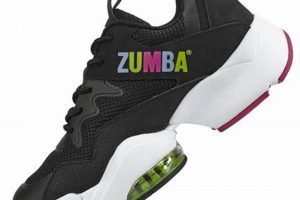
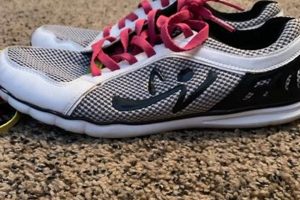
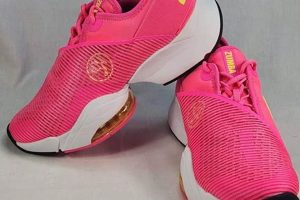
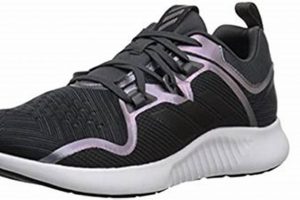
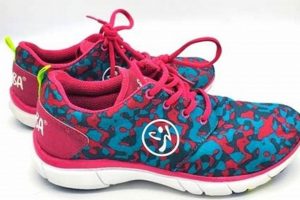
Footwear previously worn during Zumba fitness activities constitutes a market segment with its own dynamics and considerations. This category encompasses a variety of athletic shoes designed for the lateral movements and high-impact steps characteristic of Zumba workouts. These shoes have typically seen active use, ranging from minimal wear to significant usage based on the previous owner’s activity level.
The appeal of these items stems from factors such as cost-effectiveness and environmental consciousness. Purchasing pre-owned athletic footwear can provide a more budget-friendly alternative to buying new, especially for individuals new to Zumba or those who participate infrequently. Furthermore, it supports a circular economy by extending the lifespan of durable goods, reducing waste and the demand for new manufacturing.
The subsequent discussion will delve into the key aspects to consider when evaluating such purchases, including assessing condition, ensuring proper fit and hygiene, and understanding the risks and rewards associated with acquiring pre-owned athletic footwear for dance fitness activities.
Acquiring previously used dance fitness footwear requires careful consideration to ensure satisfactory performance and hygiene. The following recommendations offer guidance for potential purchasers navigating this market.
Tip 1: Thoroughly Inspect Condition: Examine the soles for wear patterns, paying close attention to areas experiencing high friction during Zumba routines. Check the uppers for tears, fraying, or signs of structural damage that could compromise support.
Tip 2: Verify Size and Fit: As with any athletic footwear, proper fit is crucial. Account for potential stretching or compression of materials due to previous use. When possible, try on the footwear with socks appropriate for Zumba activities.
Tip 3: Assess Odor and Cleanliness: Pre-owned athletic footwear can retain odors and harbor bacteria. Inquire about the previous owner’s cleaning practices. Consider sanitizing the footwear thoroughly before use, using appropriate cleaning agents.
Tip 4: Evaluate Support and Cushioning: Over time, the cushioning and support properties of athletic footwear can degrade. Test the footwear’s ability to absorb impact and provide adequate arch support. Worn-out cushioning can increase the risk of injury.
Tip 5: Consider the Seller’s Reputation: When purchasing from online marketplaces or secondhand stores, research the seller’s feedback and return policies. A reputable seller is more likely to accurately represent the condition of the footwear.
Tip 6: Budget for Potential Replacement: Even with careful evaluation, the lifespan of pre-owned athletic footwear may be limited. Factor in the possibility of needing to replace the footwear sooner than anticipated when assessing cost savings.
Adherence to these guidelines promotes a more informed decision, balancing the economic benefits with the potential drawbacks associated with acquiring previously used Zumba footwear.
The subsequent section will address the environmental implications and sustainability aspects connected with the pre-owned athletic footwear market.
1. Condition and wear

The condition and wear of pre-owned Zumba shoes directly reflect their previous usage and subsequent performance capabilities. Extensive wear compromises the structural integrity of the footwear, impacting its ability to provide adequate support and cushioning. For example, worn-down soles reduce traction, increasing the risk of slips and falls during Zumba’s dynamic movements. Similarly, stretched or damaged uppers fail to secure the foot properly, potentially leading to ankle instability. Therefore, assessing the condition and wear patterns is fundamental when evaluating pre-owned Zumba shoes.
Specific wear indicators include outsole tread depth, midsole compression, and upper material integrity. Reduced tread depth on the outsole diminishes grip, particularly on smooth surfaces. Midsole compression, often manifested as visible creasing or a loss of rebound, reduces the shoe’s ability to absorb impact. Tears, abrasions, or stretching of the upper materials compromise foot support and increase the likelihood of blisters. Examining these elements reveals the extent of prior use and informs the potential for future performance.
In conclusion, the condition and wear of pre-owned Zumba shoes are critical factors influencing their safety and functionality. A thorough assessment of these aspects enables informed purchasing decisions, mitigating the risk of injury and ensuring a more satisfactory Zumba experience. Disregarding wear and tear patterns increases the probability of acquiring footwear unsuitable for the demands of the activity, potentially leading to discomfort or injury.
2. Hygiene and sanitization

The acquisition of previously used Zumba shoes necessitates a stringent focus on hygiene and sanitization due to the potential for harboring microorganisms and residual odors. Zumba, as a high-intensity exercise, often results in significant perspiration within the footwear. This creates a conducive environment for bacterial and fungal growth, posing a risk of skin infections or unpleasant odors for subsequent users. Insufficient sanitization practices prior to resale can therefore transmit these biological contaminants.
Effective sanitization protocols for used Zumba shoes involve several key steps. Initially, the removal of any detachable insoles or laces allows for more thorough cleaning. Subsequently, the internal and external surfaces should be treated with a disinfecting solution designed to eliminate bacteria and fungi. Examples include solutions containing quaternary ammonium compounds or enzymatic cleaners specifically formulated for athletic footwear. Allowing sufficient contact time, as specified by the manufacturer’s instructions, is critical for effective microbial inactivation. Furthermore, thorough drying is essential to prevent the re-establishment of a moist, microbe-friendly environment. Failure to adhere to these sanitization procedures renders the pre-owned footwear potentially hazardous to the user’s health.
In summary, hygiene and sanitization are paramount considerations when evaluating pre-owned Zumba shoes. The absence of proper cleaning practices presents a tangible risk of microbial transmission and unpleasant odors. Implementing rigorous sanitization protocols, including disinfection and thorough drying, mitigates these risks and promotes the safe reuse of athletic footwear. Therefore, prospective purchasers must prioritize shoes from sellers demonstrating transparent and effective sanitization practices, or be prepared to undertake these measures themselves prior to use.
3. Support and cushioning
The performance and safety of used Zumba shoes are significantly influenced by the integrity of their support and cushioning systems. These features are engineered to mitigate impact forces during high-intensity dance movements and provide stability for lateral motions, factors critical in preventing injuries. When considering pre-owned Zumba shoes, the level of degradation in these systems becomes a primary concern. Reduced cushioning, resulting from prolonged use, diminishes impact absorption, potentially leading to stress fractures or joint pain. Similarly, compromised support structures increase the risk of ankle sprains and other instability-related injuries. The effectiveness of these components directly impacts the shoe’s suitability for the demands of Zumba fitness.
Real-world examples illustrate the importance of assessing support and cushioning in pre-owned Zumba footwear. A shoe with visibly compressed midsole material, a common indicator of worn-out cushioning, may not adequately protect the foot during jumping and landing maneuvers. Likewise, shoes with stretched or weakened arch support elements can fail to stabilize the foot during lateral movements, increasing the risk of overpronation or supination, leading to discomfort and potential injury. Therefore, a thorough evaluation of these systems, including visual inspection and tactile assessment, is essential before purchasing used Zumba shoes. Factors such as the material composition of the midsole, the design of the arch support, and the shoe’s overall stability contribute to its capacity to provide effective support and cushioning.
In summary, the connection between support and cushioning and the usability of pre-owned Zumba shoes is paramount. Diminished support and cushioning not only compromise performance but also elevate the risk of injury. Careful assessment of these features, considering the shoe’s history and material degradation, is crucial for making informed purchasing decisions. Recognizing the importance of these elements allows individuals to balance cost-effectiveness with safety, ensuring a more secure and enjoyable Zumba experience. Disregarding the condition of the support and cushioning system sacrifices user well-being in favor of short-term cost savings.
4. Size and fit accuracy

The accuracy of size and fit is a paramount consideration when acquiring previously owned Zumba shoes. Discrepancies in fit can negate the cost savings associated with purchasing used footwear and, more importantly, increase the risk of injury during Zumba activities.
- Material Deformation
Pre-owned athletic shoes often exhibit alterations in size and shape due to the previous owner’s usage. Materials, particularly uppers and linings, may stretch or compress over time, leading to a change in the shoe’s original dimensions. This deformation can result in a shoe that is either too loose or too tight, compromising foot support and increasing the likelihood of blisters, calluses, or other foot ailments. For example, a shoe initially labeled as a size 8 may, after extensive use, effectively fit closer to a size 8.5 or 7.5.
- Foot Shape Adaptation
Each individual’s foot possesses unique characteristics, including arch height, width, and overall shape. Over time, footwear tends to conform to the specific contours of the wearer’s foot. This adaptation can lead to a pre-owned Zumba shoe that is ill-suited for a new user with a different foot shape, even if the nominal size is accurate. A shoe molded to a narrow foot may be uncomfortable or even cause pain for someone with a wider foot, and vice versa.
- Insole Wear and Compression
Insoles provide cushioning and support, contributing significantly to the overall fit and comfort of athletic shoes. In pre-owned Zumba shoes, insoles are often compressed or worn down, reducing their ability to provide adequate support and potentially altering the shoe’s internal volume. This can lead to a fit that feels either too roomy or too snug, depending on the degree of compression. Replacement of the insole may be necessary to restore proper fit, adding to the overall cost of the purchase.
- Impact on Performance and Injury Risk
Inaccurate size and fit in Zumba shoes compromise performance and significantly elevate the risk of injury. A shoe that is too large can lead to excessive foot movement within the shoe, reducing stability and increasing the likelihood of ankle sprains or falls. Conversely, a shoe that is too small can constrict the foot, causing pain, blisters, and potential nerve damage. Furthermore, an improper fit can alter the user’s gait and biomechanics, increasing stress on joints and muscles throughout the body.
These factors underscore the importance of thoroughly assessing the size and fit accuracy of pre-owned Zumba shoes. While cost savings may be appealing, prioritizing proper fit is essential for ensuring both comfort and safety during high-impact Zumba workouts. Potential purchasers should carefully consider the impact of material deformation, foot shape adaptation, and insole wear on the shoe’s overall fit and performance.
5. Seller's credibility

In the context of acquiring pre-owned Zumba shoes, the seller’s credibility serves as a critical determinant of the purchase’s overall value and risk mitigation. Evaluating the seller’s reputation and transparency directly impacts the buyer’s confidence in the footwear’s condition, hygiene, and authenticity. The assurance derived from a credible seller minimizes the potential for misrepresentation and financial loss.
- Transparency of Product Information
A credible seller provides detailed and accurate descriptions of the used Zumba shoes, including specifics on their condition, wear patterns, usage history, and any known defects. High-quality photographs that clearly depict the shoes from multiple angles further support this transparency. For instance, a reputable seller would disclose the extent of sole wear, midsole compression, or any repairs undertaken. This level of disclosure allows potential buyers to make informed decisions based on verifiable information.
- Responsiveness and Communication
Prompt and clear communication constitutes a key indicator of a seller’s reliability. A credible seller responds to inquiries promptly, addresses concerns transparently, and provides comprehensive answers to questions regarding the Zumba shoes. Furthermore, a willingness to provide additional information or photos upon request demonstrates a commitment to customer satisfaction and builds trust in the seller’s integrity.
- Feedback and Reviews
Online marketplaces often feature feedback and review systems that offer valuable insights into a seller’s past performance. Positive reviews and high ratings from previous buyers serve as strong indicators of a seller’s credibility. Conversely, negative reviews or a lack of feedback should raise concerns and prompt further investigation. Scrutinizing feedback for comments regarding product accuracy, shipping speed, and customer service provides a holistic assessment of the seller’s reputation.
- Return and Refund Policies
A credible seller typically offers reasonable return and refund policies, providing buyers with recourse in the event of dissatisfaction or misrepresentation. Transparently stated policies outline the conditions under which returns are accepted, the timeframe for returns, and the process for obtaining refunds. The presence of a fair return policy demonstrates the seller’s confidence in the product and their commitment to ensuring customer satisfaction.
The above facets converge to underscore the central role of seller credibility in the used Zumba shoe market. Engaging with sellers who prioritize transparency, communication, and customer satisfaction minimizes the risk of acquiring substandard or misrepresented footwear. Prioritizing seller credibility ultimately translates to a more secure and informed purchasing experience, maximizing the likelihood of obtaining pre-owned Zumba shoes that meet both performance expectations and hygiene standards.
Frequently Asked Questions
The following addresses common inquiries and misconceptions regarding the acquisition and utilization of pre-owned Zumba shoes. The information aims to provide clarity and promote informed decision-making.
Question 1: Is it safe to purchase used Zumba shoes from a hygiene perspective?
The hygienic safety of used Zumba shoes depends heavily on the sanitization practices employed by the previous owner or reseller. Inadequate cleaning can result in the presence of bacteria or fungi. Prior to use, thorough disinfection with appropriate cleaning agents is strongly recommended.
Question 2: How can the condition of used Zumba shoes be accurately assessed prior to purchase?
A comprehensive assessment involves examining the outsole for wear, inspecting the midsole for compression, and evaluating the upper for any signs of damage or stretching. Furthermore, requesting detailed photographs and inquiring about the shoe’s usage history can provide valuable insights.
Question 3: What are the potential risks associated with wearing used Zumba shoes?
Risks include reduced cushioning and support, which can increase the likelihood of injury during Zumba activities. Furthermore, improperly sanitized shoes can harbor bacteria or fungi, potentially leading to skin infections.
Question 4: How does the fit of used Zumba shoes compare to that of new shoes?
The fit of used Zumba shoes may differ from that of new shoes due to material deformation and the adaptation of the shoe to the previous owner’s foot shape. Trying on the shoes prior to purchase, or at least obtaining precise measurements, is highly advisable.
Question 5: What is the typical lifespan of used Zumba shoes?
The lifespan of used Zumba shoes is variable and depends on factors such as the shoe’s initial quality, the intensity of prior use, and the level of care provided. Expect the lifespan to be shorter compared to new footwear.
Question 6: What are the environmental benefits of purchasing used Zumba shoes?
Purchasing used Zumba shoes promotes sustainability by extending the lifespan of existing products, reducing waste, and decreasing the demand for new manufacturing, thereby minimizing the environmental impact associated with shoe production.
Consideration of these factors enables a more informed approach to acquiring and utilizing pre-owned Zumba shoes, balancing cost savings with potential risks and environmental benefits.
The next segment will address the practical aspects of cleaning and maintaining used athletic shoes to extend their usability.
Concluding Thoughts on Used Zumba Shoes
The preceding analysis has illuminated critical facets surrounding the acquisition and utilization of used Zumba shoes. The importance of assessing condition, ensuring proper sanitization, and evaluating seller credibility has been underscored. Factors such as diminished support and cushioning, as well as potential discrepancies in size and fit, warrant careful consideration. The environmental benefits of reducing waste and extending product lifecycles are also noteworthy.
Responsible engagement with the market for used Zumba shoes necessitates a discerning approach. While the allure of cost savings is undeniable, the potential risks to hygiene, performance, and safety must be rigorously evaluated. Diligence in these matters will contribute to a more sustainable and secure fitness experience.