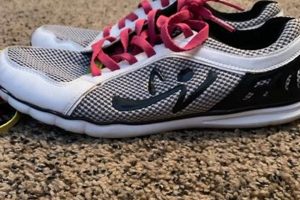
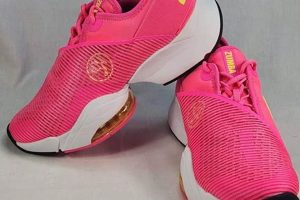
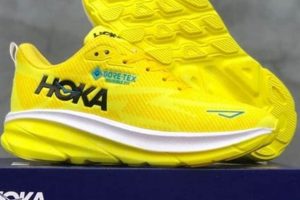
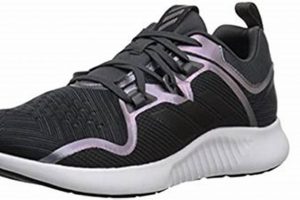
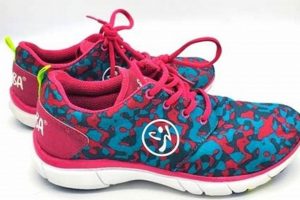
Footwear designed for Zumba fitness activities must provide adequate support, cushioning, and flexibility to accommodate the dynamic movements inherent in the dance-based workout. Characteristics may include lightweight construction, non-marking soles for studio floors, and reinforced areas for lateral support. For example, cross-training shoes are often selected due to their versatile design suitable for varied exercise routines.
Appropriate footwear is essential for injury prevention and optimal performance in Zumba classes. Adequate shock absorption reduces stress on joints, while proper support minimizes the risk of ankle sprains and other foot-related issues. Historically, individuals often used generic athletic shoes; however, specialized designs cater specifically to the demands of this high-impact activity, offering enhanced comfort and stability.
The following sections will delve into the key features to consider when selecting appropriate footwear for this activity, discuss popular brands and models, and provide guidance on maintenance and care to extend the lifespan of the selected option. This exploration will empower participants to make informed decisions ensuring a safe and enjoyable experience.
Guidance on Footwear Selection for Zumba Fitness
This section offers practical advice to ensure that individuals select footwear that optimizes both performance and safety during Zumba sessions.
Tip 1: Prioritize Lateral Support: Given the side-to-side movements characteristic of Zumba, footwear must provide ample lateral support. Look for reinforced areas on the sides of the shoe to prevent ankle instability.
Tip 2: Opt for a Smooth Sole: Non-marking soles with a minimal tread pattern are crucial for allowing easy pivoting and turning. Excessive grip can hinder movement and increase the risk of knee injuries.
Tip 3: Consider Cushioning: Impact absorption is vital due to the repetitive jumping and dancing involved. Footwear with adequate cushioning in the midsole reduces stress on joints, especially knees and ankles.
Tip 4: Evaluate the Weight: Lighter footwear reduces fatigue during extended Zumba sessions. Excess weight can hinder agility and contribute to discomfort.
Tip 5: Ensure a Secure Fit: The selected footwear should fit snugly without being too tight. Loose footwear can lead to slippage and blisters, while overly tight footwear can restrict circulation.
Tip 6: Test Before Committing: Before fully committing to a specific pair, perform basic Zumba movements (e.g., grapevines, shuffles) to assess comfort and functionality.
Tip 7: Replace Regularly: Footwear loses its cushioning and support over time. Replace footwear every six months to a year, or more frequently with heavy use, to maintain optimal performance and protection.
Adhering to these guidelines when selecting footwear for Zumba will contribute to a safer, more comfortable, and more effective workout experience, minimizing the risk of injury and maximizing enjoyment.
The subsequent sections will examine popular footwear brands and models suitable for Zumba, alongside essential maintenance practices to preserve footwear integrity.
1. Lateral Support

Lateral support is a critical feature in footwear intended for Zumba fitness activities. It addresses the biomechanical demands of this high-intensity, dance-based workout, contributing significantly to injury prevention and performance enhancement.
- Ankle Stability
Lateral support structures within the shoe, such as reinforced panels or strategically placed overlays, mitigate excessive ankle inversion and eversion during rapid lateral movements. Insufficient lateral support elevates the risk of ankle sprains, a common injury in activities involving frequent side-to-side motion.
- Movement Control
Effective lateral support enables precise foot placement and control during complex dance sequences. The shoe maintains its structural integrity, preventing the foot from rolling inward or outward, which can compromise balance and coordination. For example, during grapevines or chasss, the foot experiences substantial lateral force, which the shoe must counteract.
- Force Distribution
Proper lateral support aids in distributing impact forces across the foot, rather than concentrating them on specific areas. This reduces stress on joints and ligaments, particularly during landings from jumps or leaps. Shoes designed for Zumba should therefore incorporate technologies or materials that enhance lateral stability and shock absorption simultaneously.
- Performance Enhancement
By providing a stable base of support, lateral support allows the individual to execute Zumba movements with greater confidence and efficiency. Reduced energy expenditure translates to improved endurance and the ability to sustain high-intensity activity for longer durations. Furthermore, a secure fit and stable platform encourage more aggressive and precise movements, enhancing the overall workout experience.
The correlation between lateral support and appropriate footwear choices for Zumba is undeniable. Prioritizing footwear with robust lateral support systems will substantially contribute to the participant’s safety, comfort, and performance during these dynamic fitness routines. Choosing footwear without this crucial element elevates the risk of injury and impairs the ability to fully engage in and benefit from the activity.
2. Sole Flexibility

Sole flexibility is a critical attribute of footwear intended for Zumba fitness activities, significantly influencing both performance and risk of injury. The range of motion required in Zumba demands a sole that can adapt to various foot movements.
- Range of Motion Accommodation
Sole flexibility directly impacts the ability of the foot to move naturally during Zumba routines. A flexible sole allows for a greater range of motion in the foot, facilitating movements such as pivots, turns, and slides. Footwear with a rigid sole can restrict these movements, leading to discomfort and potential strain on joints and ligaments. Consider the instance of performing a grapevine; a flexible sole enables the foot to easily transition between lateral steps and changes in direction, whereas a stiff sole impedes this fluidity.
- Ground Contact and Responsiveness
The flexibility of the sole affects the wearer’s ability to sense the ground and react accordingly. A more flexible sole allows for better proprioception, enabling the individual to maintain balance and coordination. This is particularly relevant during fast-paced Zumba choreography, where rapid adjustments in foot placement are necessary. For example, in a quick step-touch sequence, a flexible sole permits the foot to adapt to subtle changes in the floor surface, preventing potential missteps or falls.
- Reduced Joint Stress
A flexible sole contributes to the reduction of stress on joints, particularly in the knees and ankles. By allowing the foot to move more naturally, the sole helps to absorb impact and distribute forces more evenly, minimizing the risk of overuse injuries. In high-impact Zumba routines involving jumping and landing, a flexible sole can buffer the shock experienced by the joints, leading to greater comfort and reduced fatigue.
- Enhanced Dance-Specific Movements
The sole’s flexibility facilitates the execution of dance-specific movements that are integral to Zumba. Footwear with enhanced flexibility allows for greater expression and creativity in dance routines. For instance, during a cha-cha step, a flexible sole enables the foot to articulate smoothly and precisely, adding flair and dynamism to the movement. A less flexible sole would constrain these nuances, limiting the individual’s ability to fully express the dance.
The selection of footwear with appropriate sole flexibility for Zumba is paramount for ensuring both safety and performance. The degree of flexibility should align with the specific demands of the Zumba routines being performed, balancing the need for support and stability with the freedom of movement necessary for dance-based fitness. Footwear with excessively rigid soles can hinder natural foot mechanics, while overly flexible soles may lack sufficient support. Therefore, selecting footwear with a carefully engineered balance of flexibility and support is critical for optimizing the Zumba experience.
3. Impact Cushioning

Impact cushioning is a paramount consideration in the design and selection of footwear for Zumba fitness activities. The repetitive and high-energy movements inherent in Zumba place significant stress on the lower extremities, necessitating adequate shock absorption to mitigate the risk of injury and enhance performance.
- Joint Protection
Impact cushioning serves as a protective barrier for joints, primarily the knees, ankles, and hips. During Zumba routines, participants frequently engage in jumping, leaping, and quick changes of direction. Footwear lacking sufficient cushioning transmits excessive force to these joints, potentially leading to overuse injuries such as stress fractures, tendonitis, or joint pain. Adequate cushioning reduces the magnitude of these forces, minimizing the strain on articular cartilage and supporting structures.
- Muscle Fatigue Reduction
Effective impact cushioning contributes to the reduction of muscle fatigue during Zumba sessions. By absorbing a portion of the impact forces, cushioning allows muscles to expend less energy controlling the body’s movements. This is particularly relevant for muscles in the lower legs and feet, which are continuously engaged throughout the workout. Reduced muscle fatigue can translate to improved endurance, allowing participants to sustain high-intensity activity for longer periods.
- Energy Return and Propulsion
Advanced cushioning technologies not only absorb impact but also provide energy return, enhancing propulsion during movement. Materials such as responsive foams and gel inserts compress upon impact and then rebound, providing a spring-like effect that can improve efficiency and reduce effort. This energy return can be particularly beneficial during fast-paced Zumba choreography, where quick transitions and powerful movements are required. Energy return cushioning can enable quicker reactions and more explosive movements.
- Long-Term Foot Health
Consistent use of footwear with inadequate impact cushioning can contribute to long-term foot problems. Repetitive stress on the feet can lead to conditions such as plantar fasciitis, metatarsalgia, and heel spurs. Proper cushioning helps to distribute pressure evenly across the foot, reducing the risk of developing these conditions. Investing in high-quality, well-cushioned footwear for Zumba can be viewed as a proactive measure to safeguard long-term foot health.
The correlation between impact cushioning and the overall safety and effectiveness of Zumba footwear is undeniable. Footwear designed with robust cushioning technologies is crucial for mitigating the impact forces associated with this high-energy activity, protecting joints, reducing muscle fatigue, enhancing performance, and promoting long-term foot health. Individuals participating in Zumba should prioritize footwear with adequate cushioning to maximize the benefits of the workout while minimizing the risk of injury.
4. Lightweight Design
The lightweight design of footwear significantly influences performance and comfort in Zumba fitness activities. Footwear weight directly impacts agility, endurance, and overall exercise experience. Minimizing weight, therefore, becomes a critical design objective for footwear intended for this energetic discipline.
- Reduced Energy Expenditure
Lighter footwear necessitates less energy expenditure during movement. The repetitive and dynamic nature of Zumba places considerable demands on the lower extremities. Reducing the weight that must be lifted and moved with each step minimizes fatigue, allowing participants to sustain higher intensity levels for longer durations. For example, a reduction of even a few ounces per shoe can translate to a noticeable difference in perceived exertion over the course of a one-hour class.
- Enhanced Agility and Maneuverability
Lighter footwear facilitates quicker changes in direction and improved agility. Zumba routines often involve rapid lateral movements, pivots, and turns. Bulky, heavy shoes can impede these movements, increasing the risk of missteps and hindering overall performance. Lightweight footwear, in contrast, allows for greater freedom of movement and enhanced responsiveness, enabling participants to execute complex choreography with precision and confidence.
- Minimized Muscle Strain
Lightweight footwear reduces strain on lower leg muscles. The constant lifting and moving of heavier shoes can contribute to muscle fatigue and soreness, particularly in the calf muscles and anterior tibialis. Minimizing shoe weight reduces the load on these muscles, decreasing the risk of cramping, strains, and other overuse injuries. This benefit is particularly relevant for individuals new to Zumba or those who participate frequently.
- Improved Comfort and Breathability
Lightweight materials often contribute to improved comfort and breathability. Lighter shoe designs frequently incorporate mesh uppers and other breathable fabrics, which promote airflow and reduce moisture buildup within the shoe. This helps to keep feet cool and dry, enhancing comfort and minimizing the risk of blisters and other foot irritations. Comfortable footwear is essential for maintaining focus and enjoyment during Zumba sessions.
These facets illustrate the integral connection between lightweight design and optimal performance in Zumba footwear. Selecting lighter shoe options directly contributes to enhanced agility, reduced fatigue, minimized strain, and improved comfort. These attributes collectively enhance the overall exercise experience and contribute to injury prevention, emphasizing the importance of considering weight as a primary selection criterion. Choosing lighter footwear aligns with the dynamic requirements of Zumba and enables participants to fully engage in the energetic and expressive movements characteristic of the fitness activity.
5. Secure Fit
A secure fit is a critical component of appropriate footwear for Zumba fitness activities, fundamentally affecting both performance and safety. A secure fit, in this context, refers to the degree to which the shoe conforms to the foot, minimizing slippage and instability during dynamic movements. The relationship between secure fit and Zumba footwear is causal: an inadequate fit directly increases the risk of injury and impairs performance. A poorly fitted shoe may cause the foot to slide forward, backward, or laterally within the shoe, creating friction and potential blisters. Additionally, the lack of proper support increases the likelihood of ankle sprains and other musculoskeletal injuries, especially during rapid changes in direction and high-impact movements. For example, if a participant wearing shoes that are too large attempts a grapevine step, the foot may slide sideways within the shoe, leading to a loss of balance and potential injury.
The practical significance of understanding the importance of a secure fit in Zumba footwear is multi-faceted. First, it informs the selection process. Individuals should prioritize shoes that closely match their foot shape and size, accounting for variations in width and arch height. Second, it emphasizes the need for proper lacing techniques. Laces should be tightened appropriately to secure the foot without constricting circulation. Third, it may necessitate the use of supplementary devices such as orthotics or heel grips to further enhance the fit. Consider the case of an individual with narrow feet; standard-width shoes may require the addition of orthotics to fill excess space and ensure a secure fit. Properly fitted footwear enhances proprioception, improving the wearer’s awareness of foot position and movement, thereby facilitating more precise and controlled execution of Zumba choreography.
In summary, a secure fit is not merely a comfort consideration but a fundamental requirement for safe and effective participation in Zumba fitness. The absence of a secure fit can directly contribute to injuries, while a well-fitted shoe promotes stability, agility, and overall performance. Challenges in achieving a secure fit may arise from variations in foot shape and size, but can be mitigated through careful shoe selection, proper lacing techniques, and the use of supplementary devices. Understanding the vital role of a secure fit aligns with the broader goal of maximizing the benefits of Zumba while minimizing the risks.
6. Breathability
Breathability, in the context of footwear designed for Zumba fitness activities, refers to the capacity of the shoe to facilitate the circulation of air within the interior, thereby managing moisture and heat generated during vigorous physical exertion. This characteristic is not merely a comfort consideration but a critical factor in maintaining foot health and optimizing performance.
- Moisture Management
Breathable footwear materials, such as open-weave mesh or synthetic fabrics with moisture-wicking properties, allow perspiration to evaporate from the foot’s surface. The accumulation of moisture within the shoe creates a warm, humid environment conducive to the growth of bacteria and fungi, increasing the risk of conditions such as athlete’s foot and blisters. Effective breathability mitigates this risk by promoting a drier, healthier foot environment. For instance, shoes constructed with a breathable mesh upper allow air to circulate, reducing moisture buildup compared to shoes made entirely of non-breathable synthetic materials.
- Temperature Regulation
Breathable footwear aids in temperature regulation by facilitating the dissipation of heat generated during exercise. Zumba routines, characterized by high-intensity movements and rapid transitions, can cause the feet to overheat quickly. Breathable materials allow warm air to escape, helping to maintain a more stable and comfortable temperature within the shoe. Consider the difference between wearing a shoe with ventilation ports versus a completely sealed shoe during a high-energy Zumba class. The former will significantly reduce the likelihood of overheating and discomfort.
- Odor Control
By promoting airflow and reducing moisture buildup, breathable footwear helps to control foot odor. Perspiration, when trapped within a shoe, provides a breeding ground for odor-causing bacteria. Breathable materials allow for the natural evaporation of sweat, minimizing the opportunity for bacterial growth and reducing the development of unpleasant odors. Some footwear incorporates antimicrobial treatments to further inhibit bacterial proliferation and enhance odor control.
- Enhanced Comfort
Breathable footwear significantly enhances overall comfort during Zumba sessions. Reduced moisture and temperature contribute to a more pleasant and less distracting exercise experience. Comfortable footwear allows participants to focus on the choreography and intensity of the workout without being hindered by foot discomfort. The correlation between comfortable footwear and exercise adherence is well-established; participants are more likely to continue with a fitness program when they experience minimal discomfort or irritation.
The significance of breathability in footwear designed for Zumba extends beyond simple comfort considerations. It is an essential element in promoting foot health, managing moisture, regulating temperature, controlling odor, and enhancing the overall exercise experience. Selecting footwear with adequate breathability is a proactive step towards preventing foot problems and maximizing the benefits of Zumba fitness. Prioritizing breathable materials and designs ensures a more comfortable, hygienic, and effective workout.
Frequently Asked Questions
This section addresses common inquiries regarding the selection, usage, and maintenance of footwear suitable for Zumba fitness activities. The following questions aim to provide clear and concise information to ensure participants make informed choices.
Question 1: Are standard athletic shoes appropriate for Zumba?
While standard athletic shoes may be utilized, specialized footwear designed for dance fitness activities offers superior lateral support, flexibility, and cushioning, reducing the risk of injury and enhancing performance.
Question 2: How often should footwear used for Zumba be replaced?
Footwear should be replaced every six months to one year, depending on the frequency and intensity of use. Signs of wear, such as diminished cushioning or compromised support, indicate the need for replacement regardless of the timeframe.
Question 3: What features are most important when selecting footwear for Zumba?
Key features include adequate lateral support for stability during side-to-side movements, a smooth sole for ease of pivoting, sufficient cushioning for impact absorption, a lightweight design to minimize fatigue, and a secure fit to prevent slippage.
Question 4: Can arch support inserts improve the suitability of Zumba footwear?
Arch support inserts can enhance comfort and stability, particularly for individuals with specific foot conditions or those requiring additional support. Consultation with a podiatrist is advisable to determine appropriate insert types.
Question 5: What is the best way to clean footwear used for Zumba?
Cleaning methods vary depending on the footwear material. Generally, wiping with a damp cloth and mild detergent is recommended. Avoid harsh chemicals and prolonged exposure to direct sunlight, which can damage the material.
Question 6: Does the type of flooring impact footwear selection for Zumba?
Yes, the flooring surface should be considered. Smooth, non-carpeted surfaces require footwear with minimal tread to facilitate pivoting, while more abrasive surfaces may necessitate slightly greater traction.
Proper footwear selection and maintenance are integral to a safe and effective Zumba experience. Adhering to the guidelines outlined in this FAQ section contributes to minimizing the risk of injury and maximizing the benefits of participation.
The following section will provide guidance on selecting specific brands and models of Zumba footwear.
Conclusion
The preceding exploration has elucidated the critical role of footwear in Zumba fitness. The emphasis has been placed on lateral support, sole flexibility, impact cushioning, lightweight design, secure fit, and breathability as integral features for mitigating injury risk and optimizing performance. Understanding these attributes enables informed selection and contributes to a safer, more effective exercise experience.
Recognizing the demands imposed by Zumba and investing in appropriate footwear is an acknowledgement of the activity’s intensity and a commitment to long-term physical well-being. Prioritizing these aspects will serve participants in maximizing the benefits of Zumba while minimizing potential drawbacks. The importance of proper footwear cannot be overstated within the context of this dynamic fitness discipline.