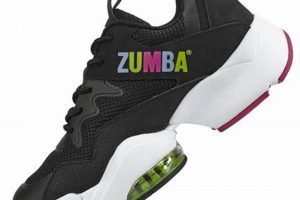
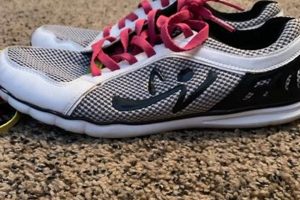
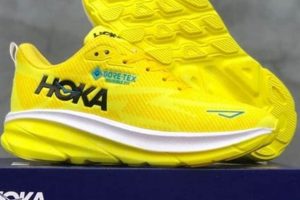
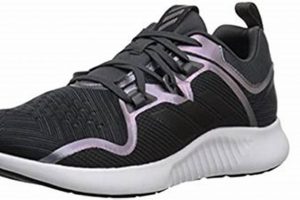
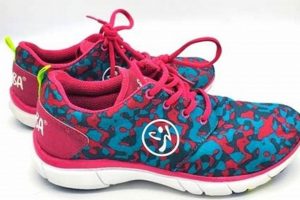
Footwear specifically engineered to support the dynamic movements involved in Zumba fitness classes constitute an essential component of athletic apparel. These specialized shoes are designed to accommodate the lateral movements, pivots, and high-impact steps characteristic of the Zumba workout. For example, a shoe featuring a flexible sole and enhanced arch support falls into this category.
Appropriate footwear enhances the participant’s experience by minimizing the risk of injury and maximizing comfort during the activity. The use of such footwear provides improved traction, reducing the likelihood of slips and falls. Furthermore, the cushioning and support offered by these shoes contribute to the prevention of joint strain and fatigue. Historically, general athletic shoes were often used, leading to discomfort and potential injuries; the development of specialized designs addressed these shortcomings.
The following sections will examine key features to consider when selecting appropriate athletic footwear for dance fitness activities, exploring aspects such as support, cushioning, and sole design in greater detail. This analysis will provide a comprehensive understanding of optimal footwear choices for enhanced performance and safety.
Selection Guidance for Dance Fitness Footwear
The selection of proper footwear is paramount for a safe and effective Zumba experience. Prioritizing fit, support, and specialized features can significantly impact performance and minimize the potential for injury. The following guidelines provide crucial information for selecting suitable footwear.
Tip 1: Prioritize Lateral Support.Footwear should provide substantial lateral support to accommodate the side-to-side movements inherent in Zumba. Shoes lacking adequate lateral support may increase the risk of ankle sprains or other injuries.
Tip 2: Evaluate Sole Flexibility. The sole’s flexibility is crucial for facilitating pivoting and turning motions. A sole that is too rigid can impede movement and increase stress on joints. Opt for soles that allow for a natural range of motion.
Tip 3: Assess Cushioning and Impact Absorption. Ample cushioning is essential to mitigate the impact on joints during high-energy routines. Look for footwear with sufficient cushioning in the heel and forefoot to absorb shock effectively.
Tip 4: Consider Breathability. The intense nature of Zumba workouts necessitates footwear with good breathability. Shoes constructed from breathable materials help to regulate foot temperature and reduce the risk of blisters or fungal infections.
Tip 5: Ensure Proper Fit. Footwear should fit snugly but not restrictively. Allow for approximately a thumb’s width of space between the longest toe and the end of the shoe. Improper fit can lead to discomfort and potential foot problems.
Tip 6: Opt for a Pivot Point. Some athletic shoes designed for dance fitness incorporate a pivot point on the sole. This feature facilitates smoother turning motions and reduces stress on the knees and ankles.
Properly selected footwear offers enhanced comfort, support, and performance, contributing to a safer and more enjoyable experience during Zumba sessions. Prioritizing these factors will allow participants to maximize the benefits of their workouts while minimizing the potential for injury.
The subsequent discussion will delve into specific brands and models known for their suitability for dance fitness, offering further guidance for informed decision-making.
1. Lateral Movement Support

Lateral movement support is a critical design element in footwear intended for Zumba. The dynamic nature of Zumba routines, characterized by rapid side-to-side movements and changes in direction, places considerable stress on the foot and ankle. Footwear lacking adequate lateral support can result in instability, increasing the risk of ankle sprains, strains, and other lower extremity injuries. Properly designed footwear mitigates these risks by providing structural reinforcement along the shoe’s medial and lateral sides, effectively cradling the foot and preventing excessive pronation or supination during lateral motions. The absence of such support can compromise an individual’s ability to maintain balance and control, hindering performance and potentially leading to acute or chronic musculoskeletal issues.
Manufacturers incorporate various design strategies to enhance lateral support. These include the use of reinforced overlays, supportive cages or exoskeletons integrated into the upper construction, and wider sole designs that enhance stability. For example, certain athletic shoe models utilize thermoplastic polyurethane (TPU) overlays strategically positioned to provide additional reinforcement in areas prone to excessive movement. In dance-specific footwear, internal support structures may be added to enhance lateral stability without compromising flexibility. The incorporation of these design features effectively counteracts the forces generated during lateral movements, promoting a more stable and secure platform for the foot.
In summary, lateral movement support is not merely an optional feature; it is a fundamental requirement for footwear designed to meet the demands of Zumba. Its inclusion directly influences user safety, performance, and long-term musculoskeletal health. Ignoring this critical factor can result in an elevated risk of injury, underscoring the importance of selecting footwear specifically engineered to provide adequate lateral support during dance-fitness activities.
2. Pivot Point Facilitation

Pivot point facilitation in footwear is a critical design element that directly impacts the execution and safety of dance-based fitness activities such as Zumba. The presence, placement, and characteristics of a pivot point significantly influence the wearer’s ability to perform complex turns and rotations, and consequently, the overall experience.
- Reduced Joint Stress
The primary function of a pivot point is to decrease the friction between the shoe and the floor during turning movements. Without a dedicated pivot point, the foot is forced to rotate against the floor’s surface, generating substantial torsional stress on the ankle, knee, and hip joints. The inclusion of a pivot point allows for smoother, more controlled rotations, minimizing the risk of acute injuries such as sprains, as well as chronic issues arising from repetitive strain.
- Enhanced Mobility and Control
A well-designed pivot point enhances the wearer’s mobility and control during dance routines. By reducing friction, the pivot point allows for faster and more precise turns, enabling the wearer to execute complex choreography with greater ease. This improved mobility also contributes to a more fluid and natural movement pattern, enhancing the overall quality of the dance experience.
- Pivot Point Material and Placement
The material composition and placement of the pivot point are critical factors that determine its effectiveness. Pivot points are often constructed from materials with low coefficients of friction, such as specialized polymers or textured rubber compounds. Optimal placement typically involves positioning the pivot point beneath the ball of the foot, aligning it with the natural axis of rotation during turning movements. Improper placement or material selection can compromise the pivot point’s ability to reduce friction and facilitate smooth rotations.
- Integration with Sole Design
The effectiveness of a pivot point is heavily influenced by its integration with the overall sole design. The surrounding sole should be flexible enough to allow the foot to articulate naturally, while still providing adequate support and cushioning. If the sole is too rigid, it can restrict the pivot point’s functionality and diminish its benefits. A harmonious integration of the pivot point with the sole design is essential for optimizing its performance.
The inclusion of a well-designed and appropriately implemented pivot point represents a significant enhancement in footwear designed for Zumba, directly influencing both safety and performance. The reduction of joint stress, the improvement of mobility and control, and the need for optimized material and placement underscore the importance of pivot point facilitation as a key consideration in footwear selection.
3. Impact Absorption Qualities
Impact absorption qualities are a fundamental consideration in the design and selection of athletic footwear for Zumba, given the activity’s inherent high-impact nature. The capacity of footwear to attenuate forces generated during repetitive jumping, stomping, and pivoting movements directly influences user safety and comfort. Inadequate impact absorption can lead to increased stress on joints, muscles, and skeletal structures, elevating the risk of both acute injuries and chronic musculoskeletal conditions.
- Material Composition and Construction
The material composition of the midsole plays a critical role in impact absorption. Ethylene-vinyl acetate (EVA) and polyurethane (PU) are common materials used in midsoles due to their cushioning and shock-absorbing properties. The density, thickness, and layering of these materials contribute significantly to the overall impact absorption capacity of the shoe. For example, a shoe with a dual-density midsole, combining a firmer layer for stability and a softer layer for cushioning, can provide a balanced approach to impact management. The specific construction techniques, such as the inclusion of gel or air-filled pockets, further enhance shock attenuation.
- Force Distribution Mechanisms
Effective impact absorption is not solely dependent on material properties; it also relies on the shoe’s ability to distribute forces effectively across the foot. Design features such as contoured footbeds, integrated cushioning systems, and strategically placed support structures help to dissipate impact energy, preventing localized stress concentrations. A shoe that distributes force evenly reduces the likelihood of pressure points and discomfort, promoting a more comfortable and stable experience. The shape of the outsole can also play a part in this distribution, directing forces away from vulnerable areas like the heel.
- Injury Prevention and Performance Enhancement
The primary benefit of adequate impact absorption is the reduction in injury risk. By attenuating the forces generated during high-impact activities, the footwear minimizes stress on joints and soft tissues, reducing the potential for conditions such as plantar fasciitis, shin splints, and stress fractures. Furthermore, effective impact absorption can enhance performance by reducing fatigue and discomfort, allowing the wearer to maintain a higher level of intensity and duration during Zumba sessions. The cumulative effect of these benefits contributes to a more positive and sustainable fitness experience.
The interplay between material composition, force distribution mechanisms, injury prevention, and performance enhancement underscores the paramount importance of impact absorption qualities in footwear designed for Zumba. Selecting athletic shoes with appropriate impact absorption characteristics can significantly reduce the risk of injury and improve overall comfort, enabling participants to engage in Zumba with confidence and effectiveness.
4. Breathable Upper Material
Breathable upper materials are integral to the design and performance of athletic footwear intended for Zumba. The intensity and duration of Zumba workouts generate significant heat and moisture within the shoe. The capacity of the upper material to facilitate ventilation and moisture wicking directly impacts comfort, hygiene, and overall foot health.
- Thermoregulation and Comfort
Breathable upper materials promote thermoregulation by allowing for the exchange of air between the inside and outside of the shoe. This ventilation helps to dissipate heat and reduce the buildup of moisture, maintaining a more comfortable environment for the foot. For example, mesh fabrics, commonly used in athletic shoe uppers, feature an open weave that enhances airflow. In contrast, non-breathable materials, such as tightly woven synthetic fabrics, can trap heat and moisture, leading to discomfort and potential foot problems. The use of breathable materials contributes to a more comfortable and sustainable workout experience.
- Moisture Management and Hygiene
The accumulation of sweat and moisture within footwear can create a breeding ground for bacteria and fungi, increasing the risk of foot infections, such as athlete’s foot. Breathable upper materials facilitate moisture wicking, drawing sweat away from the skin and allowing it to evaporate more readily. This moisture management helps to maintain a drier and healthier environment within the shoe, reducing the likelihood of microbial growth. For instance, some synthetic fabrics are treated with antimicrobial agents to further inhibit the proliferation of bacteria and fungi.
- Flexibility and Weight
Breathable upper materials often offer the added benefit of increased flexibility and reduced weight compared to less breathable alternatives. Materials like engineered mesh or lightweight knits conform to the foot’s natural shape, providing a more comfortable and adaptive fit. The reduction in weight contributes to improved agility and reduced fatigue during Zumba routines, allowing for more fluid and natural movements. Stiff or heavy upper materials can restrict movement and increase the energy expenditure required for each step.
- Durability and Support Considerations
While breathability is a critical factor, the durability and support characteristics of the upper material must also be considered. Highly breathable materials may be less durable or provide less structural support than more robust alternatives. Manufacturers often employ strategic reinforcements, such as overlays or supportive panels, to enhance the durability and support of breathable upper materials without compromising their ventilating properties. The balance between breathability, durability, and support is crucial for optimizing the overall performance and longevity of footwear intended for Zumba.
The strategic integration of breathable upper materials is essential for optimizing footwear for Zumba. By promoting thermoregulation, managing moisture, enhancing flexibility, and balancing durability with support, these materials contribute to a more comfortable, hygienic, and effective workout experience. Careful consideration of the specific properties of breathable upper materials is therefore essential when selecting athletic footwear designed to meet the demands of dance-based fitness activities.
5. Secure Foot Confinement

Secure foot confinement is a critical element in the design and functionality of footwear intended for Zumba. The dynamic movements involved in Zumba, characterized by rapid lateral steps, turns, and high-impact sequences, necessitate a shoe that can reliably maintain the foot’s position and stability. Insufficient foot confinement can lead to slippage within the shoe, increasing the risk of ankle sprains, blisters, and compromised performance. The connection between secure foot confinement and suitable athletic footwear is, therefore, a direct relationship of cause and effect; inadequate confinement causes instability and potential injury, while proper confinement promotes stability and enhanced performance.
Achieving secure foot confinement requires a combination of design features, including a snug-fitting upper, a supportive heel counter, and an effective lacing or closure system. A well-designed upper conforms closely to the foot’s contours, minimizing movement and preventing the foot from sliding laterally or forward during activity. The heel counter, a rigid or semi-rigid structure surrounding the heel, provides stability and prevents excessive pronation or supination. Effective lacing systems allow for a customized fit, securing the foot in place and preventing slippage. For example, athletic footwear incorporating a ghillie lacing system, in which loops of fabric are attached to the sides of the shoe to distribute tension evenly across the foot, provide enhanced foot confinement. Athletic footwear featuring internal cages can also improve secure foot confinement to prevent ankle sprains.
The practical significance of understanding the importance of secure foot confinement in athletic footwear is evident in the enhanced safety and performance it provides during Zumba sessions. By minimizing the risk of injury and enhancing stability, secure foot confinement enables participants to focus on their workout and maximize their fitness benefits. In summary, secure foot confinement is not merely an ancillary feature but a fundamental requirement for footwear intended for Zumba, influencing both safety and performance. Prioritizing this aspect when selecting footwear is essential for a positive and injury-free workout experience.
Frequently Asked Questions
The following addresses common inquiries regarding selection and usage of specialized footwear for dance fitness programs.
Question 1: Why is specialized footwear recommended for Zumba, as opposed to standard athletic shoes?
Standard athletic shoes are often designed for linear movement. Zumba involves frequent lateral movements, pivots, and changes in direction. Specialized footwear incorporates design elements, such as pivot points and enhanced lateral support, to accommodate these movements, thereby reducing the risk of injury.
Question 2: What are the key features to consider when selecting footwear for Zumba?
Essential features include lateral support, cushioning for impact absorption, a flexible sole to facilitate movement, breathable upper materials for comfort, and secure foot confinement to prevent slippage.
Question 3: How often should athletic footwear for dance fitness be replaced?
Replacement frequency depends on usage. However, signs of wear, such as diminished cushioning, reduced support, or visible damage to the sole or upper, indicate the need for replacement. Generally, it is advisable to replace such footwear every six to twelve months with regular use.
Question 4: Is it necessary to try on footwear before purchasing for Zumba?
Yes, trying on footwear is highly recommended. Proper fit is crucial for comfort and injury prevention. Ensure adequate toe room, a snug heel fit, and sufficient width. Walk and perform a few dance-like movements to assess comfort and support.
Question 5: How can the lifespan of athletic footwear used for dance fitness be extended?
The lifespan can be extended by rotating between multiple pairs of shoes, allowing them to fully dry between uses. Cleaning footwear regularly, storing them properly, and avoiding use on abrasive surfaces can also prolong their lifespan.
Question 6: Are there specific brands or models of footwear that are particularly recommended for Zumba?
While specific recommendations may vary, several brands are known for producing footwear suitable for dance fitness. Researching reviews and consulting with fitness professionals can provide valuable insights into suitable models based on individual needs and preferences.
Properly selected and maintained footwear enhances both performance and safety in dance fitness activities. Adhering to these guidelines will contribute to a more comfortable and effective workout experience.
The discussion will now transition to best practices for maintaining and caring for dance fitness footwear, ensuring their longevity and continued performance.
Concluding Remarks on Women’s Shoes for Zumba
The preceding discourse has illuminated the critical features and considerations relevant to the selection of appropriate footwear for dance fitness activities, specifically focusing on options designed for women participating in Zumba. The importance of lateral support, impact absorption, pivot point facilitation, breathable materials, and secure foot confinement has been thoroughly examined. Understanding these elements enables informed decision-making, prioritizing user safety and maximizing performance during high-intensity workouts.
The appropriate choice in athletic footwear directly influences the well-being and effectiveness of Zumba participants. Neglecting the unique demands of this activity can result in increased risk of injury and diminished performance. Continued research and technological advancements in footwear design promise to further refine the options available, ensuring that participants can engage in dance fitness activities with confidence and security. Prioritizing appropriate footwear is an investment in long-term health and fitness.