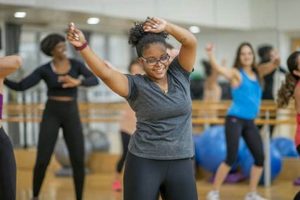
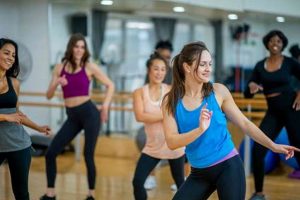
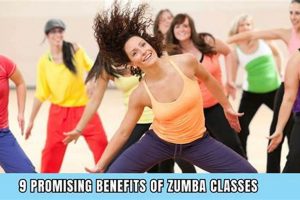
Appropriate attire for Zumba incorporates clothing that facilitates movement and temperature regulation. The selection of apparel involves considering the intensity of the physical activity and the environment in which it is performed. Examples include breathable fabrics such as moisture-wicking synthetics, athletic shoes providing adequate support, and flexible pants or shorts enabling a full range of motion.
The selection of suitable garments for this activity contributes to participant comfort and performance. Correct clothing choices help to maintain a comfortable body temperature, preventing overheating and potential discomfort. The capacity to move freely without restriction enhances the overall workout experience and reduces the risk of injury. Historically, the evolution of athletic wear has directly impacted participation and enjoyment in fitness activities such as this one.
The following sections will explore specific recommendations regarding tops, bottoms, footwear, and accessories to optimize the experience. These recommendations are tailored to address the multifaceted requirements of a vigorous dance-fitness program.
Guidance on Garment Selection for Zumba Participation
The subsequent recommendations provide instruction regarding apparel selection for optimizing comfort, safety, and performance during Zumba sessions. These guidelines are structured to assist individuals in making informed decisions concerning attire.
Tip 1: Prioritize Breathable Fabrics: Materials such as moisture-wicking synthetics, including polyester blends, are recommended. These fabrics facilitate ventilation and assist in the evaporation of perspiration, thereby maintaining a more comfortable body temperature throughout the class.
Tip 2: Ensure Adequate Range of Motion: Clothing should permit unrestricted movement. Loose-fitting tops and bottoms, or athletic wear with sufficient stretch, are advisable to enable the full range of motion required for Zumba choreography.
Tip 3: Select Supportive Footwear: Cross-training shoes or athletic sneakers with lateral support are essential. Appropriate footwear reduces the risk of ankle injury and provides necessary cushioning for high-impact movements.
Tip 4: Consider Layering Options: The ability to add or remove layers of clothing allows for adjustment to fluctuating body temperatures during the warm-up, peak activity, and cool-down phases. A lightweight jacket or wrap may be beneficial.
Tip 5: Evaluate Support Garments: A supportive sports bra is crucial for female participants to minimize discomfort and impact during high-intensity routines. Proper support is a critical factor in maintaining comfort and mitigating potential strain.
Tip 6: Avoid Restrictive Accessories: Minimize the use of bulky jewelry or accessories that could impede movement or pose a safety hazard. Streamlined and functional accessories are preferable.
Tip 7: Factor in Environmental Conditions: The temperature and humidity of the Zumba venue should influence clothing choices. Lighter garments are suitable for warmer environments, while warmer layers are appropriate for cooler settings.
Adhering to these recommendations regarding attire selection will enhance comfort, improve performance, and reduce the potential for injury during Zumba sessions. Optimal clothing choices contribute significantly to a positive and effective workout experience.
The following sections will delve into supplementary aspects of preparation for a successful Zumba class, including hydration and pre-workout considerations.
1. Breathable Fabrics

The selection of breathable fabrics is a cornerstone consideration for determining appropriate attire for Zumba. The vigorous nature of Zumba routines necessitates clothing that effectively manages perspiration and body temperature. Non-breathable materials impede moisture evaporation, leading to discomfort, overheating, and potentially impacting performance. Breathable fabrics, conversely, facilitate ventilation and allow moisture to escape, promoting a more comfortable and sustainable workout experience. The causality is direct: breathable fabrics mitigate the negative physiological effects of strenuous physical activity. For example, a participant wearing a cotton t-shirt may experience discomfort and reduced mobility due to moisture retention, whereas a participant wearing a moisture-wicking polyester shirt would remain drier and more comfortable. Understanding this distinction is practically significant in maximizing participation and minimizing potential health concerns.
Practical applications of breathable fabric selection extend beyond immediate comfort. Consistent use of moisture-wicking garments can reduce the risk of skin irritation and chafing, common issues associated with prolonged exposure to sweat. Furthermore, selecting breathable fabrics can influence the overall perception and adherence to Zumba as a regular fitness activity. A more comfortable experience translates to an increased likelihood of continued participation. For example, many athletic apparel brands now specifically market lines of clothing designed for high-intensity workouts, emphasizing the breathability and moisture-wicking properties of their materials. The availability of these specialized garments demonstrates the growing recognition of the importance of fabric choice in athletic performance and comfort.
In summary, the integration of breathable fabrics into the attire selected for Zumba represents a critical component in fostering comfort, optimizing performance, and promoting adherence to the fitness regimen. While other factors contribute to appropriate workout clothing, the fundamental role of breathable materials in managing physiological responses to physical activity cannot be overstated. The challenge lies in consistently prioritizing these fabric characteristics during apparel selection and in educating participants about the tangible benefits of doing so, linking directly back to the foundational premise of “what to wear at Zumba class.”
2. Range of Motion
Range of motion, as it pertains to attire for Zumba, represents a crucial factor influencing participation and preventing injury. Restrictive clothing can impede the ability to perform dance movements effectively, potentially compromising form and increasing the risk of strain or other musculoskeletal issues. Therefore, selecting garments that facilitate a full range of motion is essential for a safe and productive Zumba experience.
- Fabric Flexibility
The inherent flexibility of the fabric dictates the extent to which garments can accommodate dynamic movements. Materials such as spandex, Lycra blends, and certain types of knit fabrics offer greater stretch and recovery, allowing for a wider range of motion compared to rigid or tightly woven textiles. For instance, leggings made from a high-spandex blend provide unrestricted movement during Zumba routines, while stiff denim jeans would severely limit agility and increase the likelihood of injury. The choice of flexible fabrics is thus fundamental to optimizing performance and safety.
- Garment Design and Cut
The design and cut of clothing items significantly impact range of motion. Tight-fitting garments, while potentially aesthetically appealing, can restrict movement in key areas such as the hips, knees, and shoulders. Conversely, looser-fitting designs or those with strategic articulation points such as gussets or raglan sleeves permit a greater range of motion. A top with fitted sleeves, for example, can limit arm movements during specific Zumba choreography, whereas a sleeveless or loose-sleeved top allows for greater freedom.
- Seam Placement and Construction
The placement and construction of seams can either facilitate or hinder range of motion. Seams that are poorly positioned or constructed with rigid stitching can create points of restriction, particularly during dynamic movements. Flatlock seams, which lie flat against the skin, minimize friction and allow for greater flexibility compared to traditional seams. Similarly, strategically placed seams that follow the natural lines of the body can enhance range of motion by minimizing binding and allowing for greater freedom of movement.
- Layering Considerations
When layering clothing for Zumba, it is important to consider the cumulative effect on range of motion. Multiple layers of restrictive garments can significantly impede movement, even if each individual layer appears to be relatively flexible. Opting for thinner, more pliable layers allows for greater freedom of movement compared to bulky or stiff layers. The practical implication is that layering should prioritize flexibility over mere insulation, particularly during the active phases of the Zumba class.
These facets collectively underscore the importance of considering range of motion when selecting attire for Zumba. Failure to prioritize this aspect can compromise performance, increase the risk of injury, and ultimately detract from the overall experience. Therefore, informed decisions regarding fabric flexibility, garment design, seam placement, and layering are essential for maximizing the benefits of a Zumba workout while minimizing potential risks.
3. Supportive Footwear

Footwear selection constitutes a critical element of appropriate attire for Zumba participation. The high-impact nature and varied dance movements necessitate shoes that provide adequate support, cushioning, and stability to mitigate the risk of injury and enhance performance.
- Ankle Stability
Ankle stability is paramount in Zumba due to the lateral movements and rapid changes in direction. Shoes with reinforced ankle support help prevent sprains and strains. High-top sneakers or those with supportive overlays around the ankle offer enhanced stability compared to low-cut athletic shoes. For instance, a participant wearing running shoes, designed primarily for forward motion, is at greater risk of ankle injury during Zumba’s lateral steps than one wearing cross-training shoes with lateral support features.
- Cushioning and Impact Absorption
The repetitive jumping and high-impact steps inherent in Zumba place considerable stress on the joints. Shoes with adequate cushioning, particularly in the midsole, are essential for absorbing impact and reducing the risk of stress fractures and joint pain. Gel or foam-based cushioning systems provide effective impact absorption. Consider the difference between minimalist shoes with thin soles and cross-training shoes designed for high-impact activities. The latter significantly reduces joint stress.
- Lateral Support and Traction
Zumba involves frequent lateral movements, requiring shoes that offer sufficient lateral support to prevent excessive pronation or supination of the foot. A stable outsole with good traction is also crucial for maintaining grip on the dance floor, reducing the risk of slips and falls. Shoes specifically designed for cross-training or dance fitness typically feature outsoles with multi-directional tread patterns to enhance traction during lateral movements.
- Proper Fit and Comfort
Even the most supportive shoes are ineffective if they do not fit properly. Shoes should provide adequate toe room and a snug fit around the heel to prevent slippage. Ill-fitting shoes can lead to blisters, bunions, and other foot problems that can hinder participation in Zumba. The individual foot anatomy dictates the ideal shoe type and size. Consulting with a footwear specialist to ensure a proper fit is advisable.
In summary, the selection of supportive footwear is not merely a cosmetic consideration, but rather a fundamental aspect of ensuring safety, comfort, and optimal performance during Zumba. The attributes of ankle stability, cushioning, lateral support, and proper fit collectively contribute to a reduced risk of injury and an enhanced workout experience. Choosing footwear that aligns with the demands of Zumba’s dynamic movements directly contributes to maximizing the benefits of the fitness program.
4. Appropriate layering

The concept of appropriate layering within the context of attire for Zumba classes addresses the need for adaptability to fluctuating body temperatures throughout the workout session. Effective layering strategies ensure thermal comfort and prevent overheating or chilling, thereby optimizing performance and minimizing discomfort.
- Warm-Up Phase Considerations
During the initial warm-up phase, the body temperature gradually increases. Layering allows for the addition of garments, such as a lightweight jacket or long-sleeved shirt, to provide insulation and maintain warmth while muscles prepare for more strenuous activity. The option to remove this layer as body heat increases prevents overheating and ensures comfort during the transition to higher-intensity movements. This adaptability contrasts with wearing a single, heavy garment that cannot be adjusted to changing thermal needs.
- Peak Activity Thermoregulation
The peak activity phase of a Zumba class generates significant body heat. Appropriately selected base layers made of moisture-wicking materials are crucial for drawing perspiration away from the skin and preventing the sensation of being damp and chilled as the body cools. Overly insulated layers during this phase can lead to excessive sweating and discomfort, hindering performance. Therefore, strategically choosing breathable and lightweight base layers is more effective than relying on heavy, non-breathable options.
- Cool-Down Prevention of Chilling
The cool-down phase involves a gradual decrease in activity level and body temperature. Adding a layer back on during this phase helps prevent the body from cooling too rapidly, minimizing the risk of muscle stiffness or chilling. The ability to quickly add a garment, such as a light fleece or windbreaker, provides necessary insulation during this transition, maintaining thermal comfort and aiding in the recovery process. This approach acknowledges the body’s changing needs as the workout concludes.
- Environmental Adaptability
Layering also accommodates variations in the ambient temperature of the Zumba class environment. A cooler studio may necessitate more layers initially, while a warmer studio may require fewer layers. This adaptability ensures that participants can customize their attire to match the specific conditions of the venue, further enhancing comfort and performance. Ignoring environmental factors can lead to either overheating or feeling uncomfortably cold, both of which detract from the workout experience.
In summary, appropriate layering serves as a dynamic system for managing thermal comfort during Zumba classes. By strategically adding or removing layers based on activity level, environmental conditions, and individual preferences, participants can optimize their workout experience and minimize potential discomfort. Effective layering is thus an integral aspect of selecting appropriate attire for Zumba, aligning with the overarching objective of maximizing performance and enjoyment while mitigating risks associated with temperature fluctuations.
5. Moisture Control

Effective moisture control is a critical determinant of comfort and performance when selecting attire for Zumba classes. The intensive physical activity involved generates significant perspiration, and the ability of clothing to manage this moisture directly impacts the wearer’s experience.
- Fabric Wicking Properties
The inherent ability of a fabric to draw moisture away from the skin is paramount. Synthetic materials such as polyester, nylon, and polypropylene excel in wicking moisture, facilitating its evaporation and preventing saturation. For example, a garment made from cotton, which absorbs and retains moisture, can become heavy and uncomfortable during a Zumba class, hindering movement and potentially causing chafing. In contrast, a moisture-wicking fabric maintains a drier surface, reducing discomfort and enhancing performance.
- Ventilation and Airflow
The design of clothing and its capacity to promote ventilation contribute significantly to moisture control. Mesh panels or strategically placed openings can enhance airflow, facilitating the evaporation of perspiration and reducing humidity within the garment. Tight-fitting garments, even if made from moisture-wicking fabrics, may restrict airflow and limit their effectiveness. Conversely, looser-fitting styles or those incorporating ventilation features promote better air circulation, aiding in moisture management.
- Layering Strategy Impact
The layering of garments can either enhance or impede moisture control. Multiple layers of non-breathable fabrics can trap moisture against the skin, creating a humid environment. When layering, it is essential to prioritize moisture-wicking base layers and breathable outer layers to facilitate moisture transport and evaporation. For example, wearing a moisture-wicking tank top under a breathable mesh jacket allows for effective moisture management compared to wearing multiple layers of cotton.
- Antimicrobial Treatment Effects
Antimicrobial treatments applied to fabrics can play a role in controlling odor associated with moisture accumulation. Perspiration itself is odorless, but bacteria that thrive in moist environments can generate unpleasant smells. Antimicrobial treatments inhibit the growth of these bacteria, reducing odor and enhancing the overall hygiene of the garment. However, it is crucial to recognize that antimicrobial treatments primarily address odor control rather than directly impacting the fabric’s moisture-wicking properties.
These facets collectively underscore the importance of considering moisture control when choosing attire for Zumba. The selection of fabrics with effective wicking properties, designs that promote ventilation, strategic layering, and consideration of antimicrobial treatments all contribute to a more comfortable and hygienic workout experience. Proper moisture management not only enhances performance but also reduces the risk of skin irritation and odor, thereby reinforcing the significance of careful garment selection for Zumba participation.
Frequently Asked Questions
The following section addresses common inquiries regarding appropriate clothing choices for Zumba classes. These answers are intended to provide clear and informative guidance.
Question 1: Is specialized athletic apparel a necessity for Zumba participation?
While specialized apparel is not strictly mandatory, it is highly recommended. Garments designed for athletic activity, particularly those with moisture-wicking properties and a flexible construction, significantly enhance comfort and performance. Standard street clothing often lacks the necessary attributes to manage perspiration and allow for unrestricted movement.
Question 2: Are there specific recommendations regarding the type of sports bra for Zumba?
A high-impact sports bra is strongly recommended for female participants. Zumba involves vigorous movements, and a supportive sports bra is essential for minimizing discomfort and preventing potential strain on breast tissue. Opt for a sports bra that offers adequate compression and support for high-intensity activities.
Question 3: Are leggings or looser-fitting pants preferable for Zumba?
The choice between leggings and looser-fitting pants is largely a matter of personal preference. However, both options should allow for a full range of motion. Leggings with ample stretch or athletic pants with a relaxed fit are suitable choices. Avoid garments that constrict movement in the hips, knees, or ankles.
Question 4: What are the considerations for footwear if one anticipates predominantly low-impact Zumba sessions?
Even in predominantly low-impact Zumba sessions, supportive footwear remains essential. While the impact forces may be less severe, the lateral movements and changes in direction still necessitate shoes with adequate ankle support and traction. Cross-training shoes are a suitable option, even for lower-intensity routines.
Question 5: How does the climate or temperature of the Zumba venue influence attire selection?
The climate and temperature of the venue should directly inform clothing choices. In warmer environments, lighter, more breathable fabrics are preferable. In cooler environments, layering options are recommended to maintain thermal comfort throughout the workout. Adjustments should be made to prevent overheating or chilling.
Question 6: Are there any garment types that should be strictly avoided in Zumba classes?
Garments that restrict movement, such as tight jeans or formal wear, should be strictly avoided. Similarly, accessories that could pose a safety hazard, such as dangling jewelry or loose scarves, should be removed before participating in Zumba. The primary focus should be on safety and freedom of movement.
In summation, selecting appropriate attire for Zumba involves prioritizing comfort, functionality, and safety. By adhering to these guidelines, individuals can enhance their workout experience and minimize the risk of injury.
The following section will explore supplemental resources and recommendations to further improve the Zumba experience.
Conclusion
The preceding analysis has explored the multifaceted considerations involved in the selection of appropriate attire for Zumba classes. Key aspects such as breathable fabrics, range of motion, supportive footwear, effective layering, and moisture control have been identified as crucial determinants of comfort, safety, and performance. The proper selection of these factors has a direct and measurable impact on the participant’s experience.
The information detailed within this document should serve as a practical guide for individuals seeking to optimize their participation in Zumba. Prioritizing informed decisions regarding clothing choices will contribute to a more effective, enjoyable, and safe fitness experience. Future advancements in athletic apparel technology will likely further enhance the options available, underscoring the ongoing importance of informed decision-making in this area. Continuous evaluation and adaptation to individual needs and environmental conditions are essential for sustained benefits.