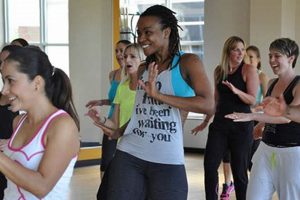
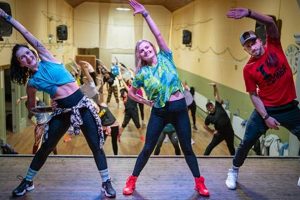
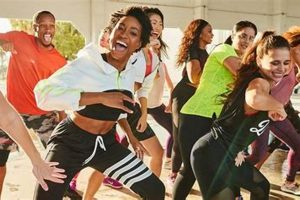
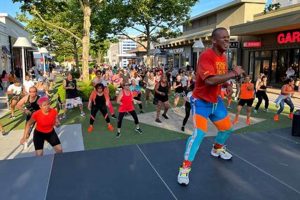
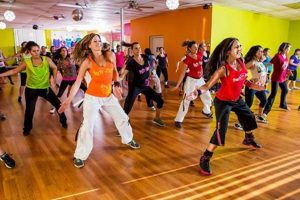
Essential items for participation in a Zumba session typically encompass athletic wear, hydration, footwear suitable for dance or aerobics, and a towel. This ensemble facilitates comfort, safety, and hygiene during the physical activity. For example, moisture-wicking apparel helps regulate body temperature, while supportive shoes reduce the risk of injury.
The selection of appropriate gear significantly impacts the overall Zumba experience. Adequate hydration prevents dehydration, enhancing performance and recovery. Similarly, proper attire allows for a full range of motion, enabling participants to effectively execute dance steps and maximize the workout’s benefits. Historically, participants often relied on less specialized equipment; however, contemporary fitness practices emphasize the importance of optimized gear for improved results and injury prevention.
Subsequent sections will provide a detailed breakdown of each recommended item, explaining its specific function and offering guidance on selection criteria. Considerations such as fabric type, shoe support, and hydration container capacity will be addressed to ensure individuals are well-prepared for their Zumba experience.
Essential Considerations for Zumba Participation
The following guidance provides crucial information for optimizing participation in Zumba sessions by focusing on equipment and preparation.
Tip 1: Prioritize Moisture-Wicking Apparel: Selection of synthetic fabrics designed to draw sweat away from the skin is essential. This minimizes discomfort, prevents chafing, and aids in maintaining a comfortable body temperature during vigorous activity. Cotton apparel, while comfortable for casual wear, retains moisture and is generally unsuitable for Zumba.
Tip 2: Invest in Supportive Footwear: Cross-training shoes or dance sneakers are recommended. These provide lateral support critical for Zumba’s dynamic movements. Running shoes, designed primarily for forward motion, may increase the risk of ankle injuries. Consider the level of cushioning and arch support appropriate for individual needs.
Tip 3: Hydration is Paramount: Ensure availability of a water bottle containing adequate fluids. Dehydration can lead to decreased performance, muscle cramps, and dizziness. Consider a reusable water bottle to promote environmental sustainability.
Tip 4: Towel for Hygiene: A small, absorbent towel should be carried to manage perspiration. This practice maintains hygiene and prevents slippage on the floor, contributing to a safer environment for all participants.
Tip 5: Optional: Small Personal Items: A small bag for keys, phone, or other necessary items is permissible. It is crucial to ensure the bag does not impede movement or pose a safety hazard to oneself or other participants.
Tip 6: Early Arrival: Arriving slightly before the session’s scheduled start allows for acclimation, proper warm-up, and securing a suitable space within the class area. This promotes preparedness and reduces the risk of early-session injuries.
Adherence to these recommendations significantly improves the Zumba experience by promoting safety, comfort, and optimal performance.
The final section will provide a summary and emphasize the significance of preparedness in maximizing the benefits of Zumba participation.
1. Hydration (water bottle)

Maintaining adequate hydration is a critical component of a successful Zumba session. The inclusion of a water bottle within the essential items list is not merely a suggestion, but a necessary provision for sustaining performance, preventing physiological distress, and promoting overall well-being during vigorous physical activity. It directly addresses the demands placed on the body during a Zumba class.
- Physiological Regulation
During Zumba, the body generates heat through metabolic processes. Perspiration is the primary mechanism for thermoregulation. This process results in significant fluid loss, which, if unaddressed, can lead to dehydration. A water bottle provides a readily available source of fluid to replenish what is lost, supporting efficient cooling and preventing overheating.
- Performance Maintenance
Dehydration can impair muscle function, reduce coordination, and decrease overall energy levels. These factors directly impact a participant’s ability to effectively execute Zumba movements. Having a water bottle allows for strategic rehydration throughout the session, mitigating these negative effects and sustaining optimal performance.
- Prevention of Adverse Effects
Inadequate hydration can lead to a range of adverse effects, including muscle cramps, dizziness, and fatigue. In severe cases, dehydration can contribute to heat exhaustion or heatstroke. Consistent hydration facilitated by a water bottle proactively minimizes the risk of these complications, ensuring a safer and more enjoyable workout.
- Practical Considerations and Bottle Type
The selection of an appropriate water bottle also plays a role. A leak-proof, durable bottle of adequate capacity is recommended. Insulated bottles may maintain water temperature. Ease of access, such as a flip-top or squeeze design, allows for quick hydration without disrupting the workout. It is practical and safe to drink. The availability of a suitable container optimizes the process of staying hydrated.
The provision of a water bottle addresses the direct physiological consequences of Zumba, supporting performance maintenance, and preventing adverse health effects. Its inclusion in essential items is therefore a necessity rather than a mere accessory for optimal participation.
2. Supportive Footwear
The inclusion of supportive footwear is an indispensable element in the preparation for a Zumba class. Its presence in the list of essential items is predicated on the need to mitigate injury risk and optimize performance during the high-impact, laterally intensive movements characteristic of the activity. Inadequate footwear can lead to a cascade of biomechanical issues, affecting ankle stability, knee alignment, and even lower back function. This direct causal relationship establishes the foundational importance of appropriate shoes within the broader context of readiness for Zumba.
Consider, for instance, the case of an individual participating in a Zumba class while wearing running shoes. These shoes, designed primarily for linear motion, often lack the lateral support required for the side-to-side movements prevalent in Zumba. The result can be ankle sprains, knee pain due to improper alignment, or even stress fractures over time. Conversely, a participant wearing cross-training shoes or dance sneakers, specifically engineered with enhanced lateral support and cushioning, is far less susceptible to these injuries. These footwear options provide a stable base, allowing for controlled movement and reducing the strain on joints. The selection, therefore, is not arbitrary but rather a critical preventative measure, impacting the immediate safety and long-term musculoskeletal health of the individual.
In summary, the rationale for emphasizing supportive footwear in the context of essential items for a Zumba class stems from its direct influence on injury prevention and performance enhancement. Choosing appropriate shoes is not simply a matter of comfort; it is a proactive step toward safeguarding physical well-being and maximizing the benefits derived from participating in the activity. The cost of neglecting this element can outweigh any perceived convenience of using unsuitable alternatives.
3. Moisture-Wicking Apparel

The inclusion of moisture-wicking apparel within the list of essential items for a Zumba class is predicated upon its ability to manage perspiration effectively. During a typical Zumba session, participants engage in high-intensity physical activity, which invariably leads to significant sweat production. Failure to adequately address this perspiration can result in discomfort, chafing, and a potential increase in body temperature, thereby negatively impacting performance and overall well-being. Moisture-wicking fabrics, typically synthetic blends like polyester or nylon, are engineered to draw sweat away from the skin and transport it to the outer surface of the garment, where it can evaporate more readily. This mechanism helps maintain a drier and more comfortable microclimate next to the skin.
Consider a scenario where an individual attends a Zumba class wearing cotton clothing. Cotton, while absorbent, tends to retain moisture, becoming heavy and clinging to the skin. This can create a sensation of dampness and discomfort, restricting movement and potentially leading to chafing in areas of friction, such as the underarms or inner thighs. Conversely, an individual wearing moisture-wicking apparel will experience a noticeably drier and cooler sensation, allowing for greater freedom of movement and reduced risk of skin irritation. This difference in experience directly influences the ability of the participant to fully engage in the class and achieve the desired fitness benefits. Furthermore, the evaporative cooling facilitated by moisture-wicking fabrics can aid in regulating body temperature, reducing the risk of overheating, particularly in warmer environments. The choice of material is not merely a matter of preference, but a strategic decision affecting comfort, performance, and safety.
In summary, the provision of moisture-wicking apparel as a component of “what to take to zumba class” addresses the physiological demands of high-intensity exercise by managing perspiration, reducing discomfort, and promoting thermoregulation. The practical significance lies in its ability to enhance performance, prevent skin irritation, and safeguard overall well-being during the Zumba session. This integration is a prerequisite, not an option, for those who seek to maximize their participation and derive the full benefits of the activity.
4. Small Absorbent Towel
The inclusion of a small absorbent towel within the list of recommended items for a Zumba class addresses a fundamental aspect of hygiene and comfort during physical activity. This seemingly minor addition has significant implications for both the individual participant and the overall environment of the class.
- Perspiration Management
Zumba, by its very nature, induces profuse sweating. A small absorbent towel serves as a readily available tool for managing this perspiration, allowing participants to wipe away sweat from their face, hands, and body. This is crucial for maintaining clear vision, preventing slippery hands that might affect balance, and minimizing discomfort caused by damp clothing. For example, consider a participant executing a fast-paced turn; sweat in the eyes could impair visibility, potentially leading to a misstep and injury. A towel eliminates this risk.
- Hygiene and Etiquette
In a group fitness setting, maintaining a reasonable level of hygiene is paramount. A towel prevents the transfer of sweat to shared equipment, such as the floor or any props used during the class. This simple act contributes to a cleaner and more pleasant environment for all participants. Consider the potential for cross-contamination in a crowded studio without this practice.
- Prevention of Slippage
Sweat accumulating on the floor can create hazardous conditions, increasing the risk of slips and falls. A towel enables participants to quickly address any puddles of perspiration they may leave behind, thereby promoting a safer environment for themselves and others. This proactive approach minimizes potential liabilities and contributes to the overall well-being of the class.
- Psychological Comfort
The ability to manage perspiration discreetly with a personal towel can enhance the psychological comfort of participants, especially those who may be self-conscious about sweating excessively. This can increase confidence and encourage greater engagement in the activity, leading to improved fitness outcomes. The presence of a towel offers a sense of control and self-assurance.
The multifaceted benefits of incorporating a small absorbent towel into the essential items for a Zumba class extend beyond mere comfort. This seemingly simple accessory serves as a critical tool for maintaining hygiene, promoting safety, and enhancing the overall experience for both the individual and the group. Its inclusion is therefore a pragmatic and considerate practice.
5. Optional Personal Items

The inclusion of optional personal items within the rubric of “what to take to zumba class” introduces a level of individual customization to the otherwise standardized list of essential provisions. While core items address fundamental needs such as hydration, support, and hygiene, optional additions cater to specific individual requirements or preferences. This categorization acknowledges that individual experiences and needs vary, necessitating a degree of flexibility in preparation.
The connection between optional items and the broader packing strategy is predicated on the principle of practicality and minimized encumbrance. An example involves the carrying of a smartphone. While not essential for participation, an individual may choose to bring a phone for emergency contact purposes or to track fitness metrics. However, this inclusion necessitates a secure and unobtrusive means of carrying the device, such as a small armband or a secure pocket, to prevent disruption or injury during the class. Similarly, individuals with specific medical conditions may require immediate access to medication, such as an asthma inhaler. This mandates a secure yet easily accessible storage solution. The decision to include optional items, therefore, necessitates a corresponding plan for their safe and practical integration into the Zumba environment.
Ultimately, the intelligent selection and management of optional personal items serve to enhance, rather than detract from, the overall Zumba experience. A failure to adequately consider the practical implications of carrying such items, however, can lead to distraction, inconvenience, or even potential safety hazards. The responsibility rests with the individual to ensure that optional additions genuinely contribute to their well-being and do not impede their own participation or the participation of others. Prioritizing both utility and safety is paramount in this decision-making process.
6. Appropriate Undergarments
The relationship between appropriate undergarments and readiness for a Zumba class stems from the need for support, comfort, and hygiene during strenuous physical activity. Unsuitable undergarments can cause discomfort, chafing, and inadequate support, potentially hindering performance and even leading to injury. The selection of appropriate undergarments becomes a critical component of preparation to mitigate these risks. For example, a sports bra designed for high-impact activities is essential for women to minimize breast movement and prevent discomfort or pain. The absence of such support can result in distraction and reduced participation.
The selection criteria for appropriate undergarments involve material, fit, and design. Moisture-wicking fabrics are preferable to cotton, as they reduce the buildup of sweat and minimize chafing. A snug but not constricting fit is crucial for providing support without restricting movement. For men, supportive briefs or compression shorts are recommended to prevent discomfort and chafing. Consider an individual wearing ill-fitting undergarments to a Zumba class; the constant adjusting and discomfort can detract from the workout experience and potentially lead to skin irritation. Conversely, well-chosen undergarments promote comfort and confidence, allowing the individual to focus on the activity.
In summary, appropriate undergarments contribute significantly to comfort, support, and hygiene during a Zumba session. Their selection necessitates careful consideration of material, fit, and design to minimize discomfort, prevent chafing, and optimize performance. Neglecting this aspect of preparation can negatively impact the overall experience, while proactive attention to detail enhances comfort, confidence, and the ability to fully engage in the activity. Their practical significance lies in promoting a focused and productive workout, contributing to the overall benefits derived from participation.
7. Hair Accessories (tie, band)
Hair accessories, specifically ties and bands, hold a practical connection to participation in a Zumba class. The purpose of these items lies in securing hair away from the face and neck, addressing a potential impediment to clear vision and comfortable movement during vigorous physical activity. For example, long hair obscuring an individual’s vision during a rapid turn can increase the risk of imbalance or collision. A hair tie or band effectively mitigates this risk, allowing for unobstructed sightlines and improved coordination. The inclusion of these accessories within the context of essential items, therefore, is rooted in safety and performance considerations.
The selection of appropriate hair accessories involves considering factors such as elasticity, grip, and comfort. An insufficiently elastic hair tie may loosen during activity, requiring frequent adjustments that disrupt concentration. A band with inadequate grip may slip, similarly impeding vision. Materials that cause skin irritation or discomfort should be avoided. These criteria ensure the chosen accessory effectively performs its intended function without introducing new sources of distraction or discomfort. An illustrative example involves a participant using a metal-clasped hair tie; during floor exercises, the metal clasp can press against the scalp, causing discomfort and hindering participation. A seamless, fabric-covered tie would prevent this issue. The choice directly influences the individual’s ability to focus on the exercise.
In summary, hair ties and bands, while seemingly minor, contribute significantly to the safety and comfort of Zumba participants. These accessories address potential vision obstructions and discomfort caused by unrestrained hair movement. The effective selection of these items involves prioritizing secure grip, elasticity, and comfort. Addressing these details enables a more focused and productive workout, minimizing distractions and maximizing the benefits derived from the activity. Hair management forms a critical aspect of preparation for physical activity, irrespective of the intensity or type.
Frequently Asked Questions
The following section addresses common inquiries regarding essential items for participation in Zumba sessions, providing detailed and informative answers to optimize preparedness.
Question 1: Is specialized athletic wear truly necessary, or can any comfortable clothing suffice?
Specialized athletic wear, particularly moisture-wicking fabrics, is highly recommended. While comfortable clothing may seem adequate, non-specialized materials, such as cotton, retain moisture, leading to discomfort and potential chafing. Athletic wear promotes breathability, temperature regulation, and unrestricted movement, thereby enhancing the overall Zumba experience and mitigating potential skin irritation.
Question 2: What are the distinguishing characteristics of footwear suitable for Zumba compared to general athletic shoes?
Footwear for Zumba requires enhanced lateral support. General athletic shoes, such as running shoes, are designed primarily for forward motion and may lack the necessary stability for Zumba’s side-to-side movements. Cross-training shoes or dance sneakers offer superior lateral support, reducing the risk of ankle sprains and promoting proper biomechanics during dynamic movements.
Question 3: How much water should one consume during a typical Zumba class, and what is the ideal container?
Water consumption during a Zumba class varies based on individual factors such as intensity, duration, and environmental conditions. However, aiming to consume at least 16-20 ounces of water during a 60-minute session is generally recommended. A reusable water bottle with a capacity of at least 24 ounces is ideal, facilitating easy access to hydration throughout the class.
Question 4: What are the specific benefits of carrying a small towel, beyond simply wiping away sweat?
A small towel serves multiple functions. It manages perspiration, preventing sweat from obstructing vision or causing slippery hands. It also promotes hygiene by preventing the transfer of sweat to shared equipment or the floor. This contributes to a safer and more pleasant environment for all participants, minimizing potential for cross-contamination and slips.
Question 5: What are some examples of permissible “optional personal items,” and what considerations should guide their inclusion?
Permissible optional personal items may include a smartphone (for emergency contact or fitness tracking), asthma inhalers (for individuals with respiratory conditions), or small hair accessories. However, any optional item should be carried in a manner that does not impede movement, create a safety hazard, or disrupt other participants. Prioritization of safety and practicality is paramount.
Question 6: Are there specific types of undergarments that are particularly unsuitable for Zumba, and what are the potential consequences?
Undergarments made from non-breathable materials, such as cotton, or those lacking adequate support are generally unsuitable. Such garments can lead to discomfort, chafing, and inadequate support, potentially hindering performance and even causing injury. Supportive, moisture-wicking undergarments are essential for maintaining comfort and minimizing friction during high-intensity activity.
Adherence to these guidelines ensures appropriate preparation for Zumba, optimizing safety, comfort, and overall enjoyment.
The concluding section will summarize essential items and reiterate the importance of preparedness for Zumba participation.
What to Take to Zumba Class
The preceding exploration of “what to take to zumba class” has detailed the essential items required for safe, comfortable, and effective participation. These provisions encompass moisture-wicking apparel, supportive footwear, adequate hydration, hygiene-promoting accessories, and personalized optional items. Each element addresses a specific need related to physical exertion, injury prevention, and maintaining a hygienic environment during the Zumba session.
Optimal preparation, as emphasized throughout this document, directly influences the individual’s ability to fully engage with and benefit from the Zumba program. Neglecting these considerations may result in diminished performance, increased risk of injury, or compromised hygiene. Therefore, adherence to the recommendations outlined herein is strongly advised to ensure a positive and productive Zumba experience.