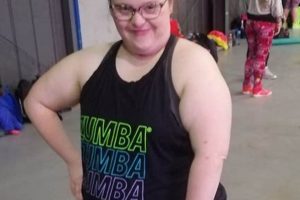
The process of qualifying to lead Zumba classes in the United Kingdom involves specific training and certification. Individuals aspiring to guide others through this popular fitness regime must undertake officially recognised courses to ensure competence and adherence to the Zumba brand standards. Attainment of this qualification enables individuals to conduct Zumba sessions legally and effectively within the UK.
Acquiring the necessary certification offers numerous advantages. It provides a structured learning experience, equipping instructors with the knowledge of Zumba’s core rhythms and movements. Moreover, it imparts skills in cueing, class management, and modifications to cater to diverse fitness levels. Certification also lends credibility, assuring potential participants of a qualified and capable instructor. The growing demand for Zumba classes makes qualified instructors a valuable asset in the fitness industry.
The subsequent sections will detail the steps involved in obtaining Zumba instructor certification, outline the prerequisites (if any), explain the costs and logistical aspects of the training, and describe the resources available to support instructors in their professional development once certified. Understanding these elements is essential for anyone considering a career as a Zumba instructor in the UK.
Guidance for Aspiring Zumba Instructors in the UK
This section offers practical advice for those pursuing Zumba instructor certification in the United Kingdom. Careful planning and dedication are key to success in this field.
Tip 1: Research Official Zumba Training. Ensure the training course is directly offered by Zumba Fitness, LLC or a licensed Zumba Education Specialist (ZES). Unofficial courses may not provide valid certification.
Tip 2: Meet the Prerequisites (If Any). Some Zumba specialities require a basic Zumba B1 certification before undertaking further training. Verify the specific requirements of each course.
Tip 3: Budget Accurately for Training Costs. Zumba instructor training can be expensive. Factor in the cost of the course itself, travel, accommodation, and any required learning materials.
Tip 4: Prepare Physically Beforehand. While not always explicitly required, a good level of fitness will aid in learning and retaining the choreography. Regular participation in Zumba classes is beneficial.
Tip 5: Practice and Review the Material. After completing the training, dedicate time to practicing the learned routines. The Zumba Instructor Network (ZIN) provides resources to support ongoing learning.
Tip 6: Network with Other Instructors. Connect with other certified Zumba instructors in the UK. Sharing experiences and advice can be invaluable for professional development.
Tip 7: Obtain Necessary Insurance. Ensure adequate public liability insurance is in place before teaching classes. This protects against potential claims from participants.
Adhering to these tips will provide a solid foundation for individuals seeking to lead Zumba classes effectively and professionally within the UK.
The next section will provide a conclusion which summarizes the key information.
1. Official Training Required

The mandate for official training is foundational to the process of becoming a Zumba instructor in the UK. This requirement ensures adherence to Zumba Fitness, LLC’s established methodologies and safeguards the integrity of the program. Unauthorized instruction compromises the quality and consistency of Zumba classes.
- Core Curriculum Adherence
Official training imparts a standardised curriculum encompassing Zumba’s core rhythms, signature moves, and pedagogical techniques. This ensures instructors deliver classes that align with the global Zumba brand, maintaining a consistent experience for participants across different locations in the UK. Deviations from this curriculum, often seen in unofficial programs, can dilute the effectiveness and authenticity of the Zumba experience.
- Safety and Modification Protocols
Zumba fitness programs must consider the safety of participants. Official training equips instructors with knowledge of proper warm-up and cool-down procedures, injury prevention strategies, and modifications to cater to individuals with varying fitness levels or physical limitations. Unofficial training might neglect these critical elements, increasing the risk of injury to participants.
- Legal and Trademark Compliance
Zumba is a registered trademark, and its usage is governed by specific licensing agreements. Official training includes instruction on legal and trademark compliance, ensuring instructors operate within the bounds of intellectual property law. Unauthorized use of the Zumba brand, which can occur through unofficial training channels, carries legal ramifications.
- Professional Recognition and Credibility
Certification obtained through official Zumba training is recognised and respected within the UK fitness industry. This accreditation lends credibility to instructors, enhancing their marketability and employability. Gyms and fitness centres typically prioritise hiring certified instructors, bolstering the career prospects of those who undergo official training. Unofficial certifications lack this industry-wide recognition.
The multifaceted importance of official training highlights its integral role in the legitimate and successful practice of Zumba instruction within the UK. It underscores the need for prospective instructors to prioritize accredited pathways to ensure compliance, competence, and credibility within the fitness landscape.
2. Certification Validity

The validity of Zumba instructor certification is a critical component of legally and effectively leading Zumba classes in the UK. It directly impacts an instructor’s ability to teach and maintain a professional standing within the fitness community. Expiration and renewal processes are essential considerations for anyone pursuing this career path.
- Initial Certification Period
Upon completing the basic Zumba B1 training, instructors receive certification that is valid for a limited period, typically one year. This initial period allows instructors to gain practical experience while adhering to Zumba program standards. Failure to maintain active status through continued education results in the lapse of certification and the inability to teach Zumba classes legally in the UK.
- Zumba Instructor Network (ZIN) Membership
Maintaining an active ZIN membership is intrinsically linked to certification validity. ZIN provides ongoing resources, music, choreography, and marketing support. Critically, ZIN membership often includes the required renewal elements for keeping certification current. Instructors who allow their ZIN membership to lapse risk the invalidation of their Zumba license. For example, an instructor teaching classes without a current ZIN membership could face legal repercussions from Zumba Fitness, LLC due to trademark infringement.
- Continuing Education Requirements
Zumba Fitness, LLC mandates continuing education to maintain certification. This may involve attending refresher courses, workshops, or specialist training sessions. These activities ensure instructors remain updated on the latest choreography, safety protocols, and teaching techniques. Consider an instructor who obtained their B1 certification five years ago but hasn’t pursued further training; their skills and knowledge may be outdated, potentially compromising participant safety and the quality of instruction. Failure to meet continuing education requirements invalidates the instructor’s credentials.
- Renewal Procedures and Fees
Maintaining valid Zumba certification necessitates adherence to specific renewal procedures and payment of associated fees. Renewal processes typically involve verifying ZIN membership, confirming completion of continuing education requirements, and submitting required documentation to Zumba Fitness, LLC. Failure to complete these steps, for example, neglecting to pay renewal fees, results in the expiration of certification and the loss of instructor privileges. This is a crucial administrative aspect that influences the legality and viability of conducting Zumba classes in the UK.
Therefore, the lifecycle of Zumba instructor certification, from initial issuance to ongoing maintenance through ZIN membership, continuing education, and renewal procedures, is inextricably linked to the ability to teach legally and effectively. Prospective instructors must prioritize understanding and fulfilling these requirements to sustain their professional standing and contribute to the integrity of the Zumba program in the UK.
3. Insurance Necessity

The acquisition of appropriate insurance coverage is a mandatory step for any individual seeking to operate as a Zumba instructor in the UK. While not directly part of the Zumba certification process, insurance is an indispensable aspect of professional practice. It mitigates potential financial liabilities arising from unforeseen incidents during classes.
- Public Liability Protection
Public liability insurance safeguards instructors against claims of injury or damage sustained by participants during a Zumba session. For instance, if a participant slips and falls, incurring medical expenses and lost income, the instructor could be held liable. Public liability insurance covers these expenses, up to the policy limit, protecting the instructor’s personal assets. The absence of such insurance exposes instructors to considerable financial risk.
- Professional Indemnity Insurance
Professional indemnity insurance provides coverage against claims of negligence or errors in instruction. If an instructor provides incorrect guidance that leads to participant injury, or fails to adequately assess individual fitness levels, a claim may be filed. Professional indemnity insurance covers legal defence costs and any damages awarded to the claimant. This insurance is crucial for mitigating risks associated with the provision of fitness instruction.
- Employer Requirements and Venue Contracts
Gyms, fitness centres, and community halls in the UK typically mandate that instructors possess valid insurance coverage as a condition of employment or venue hire. These organisations require proof of insurance to protect themselves from potential liability. Instructors without insurance may be denied opportunities to teach classes at reputable venues, restricting their ability to generate income and build a client base. Meeting insurance requirements is often a prerequisite for accessing employment opportunities and securing class locations.
- Legal Compliance and Ethical Considerations
While specific legislation mandating insurance for Zumba instructors may vary, maintaining adequate insurance coverage aligns with ethical considerations and promotes responsible professional practice. Demonstrating a commitment to participant safety and financial security enhances an instructor’s reputation and builds trust with clients. Operating without insurance raises ethical concerns and undermines the perception of professionalism, potentially damaging an instructor’s career prospects. Insurance illustrates a commitment to accountability and participant well-being.
The integration of insurance into the operational framework of a Zumba instructor in the UK is, therefore, non-negotiable. It is essential for legal compliance, professional credibility, and risk mitigation. As such, insurance is as critical as Zumba certification to becoming a successful and sustainable Zumba instructor in the UK.
4. Continuing Education

Continuing education is an indispensable element in the professional trajectory of a Zumba instructor in the UK. Initial certification provides foundational knowledge, but ongoing learning is crucial for maintaining competence, adapting to evolving fitness trends, and upholding the standards of the Zumba program.
- Maintaining Certification Validity
Zumba instructor certification is not a one-time attainment. Zumba Fitness, LLC mandates continuing education credits to maintain active status. Failure to acquire these credits results in certification lapse, precluding instructors from legally teaching Zumba classes in the UK. For instance, attending specialized Zumba workshops or advanced training sessions contributes towards these required credits. These credits ensure that instructors remain updated on Zumba techniques and protocol.
- Enhancing Skill Set and Specialization
Continuing education enables instructors to diversify their skills and cater to a wider range of participants. Zumba offers various specializations, such as Zumba Kids, Zumba Gold (for older adults), and Zumba Toning. Undertaking training in these areas broadens an instructor’s marketability and allows them to address the needs of specific populations. For example, an instructor certified in Zumba Gold can offer classes tailored to the physical capabilities and preferences of senior citizens, expanding their client base.
- Adapting to Evolving Fitness Trends
The fitness industry is dynamic, with new trends and methodologies emerging constantly. Continuing education allows Zumba instructors to stay abreast of these developments and integrate relevant elements into their classes. This ensures that Zumba sessions remain engaging, effective, and aligned with contemporary fitness practices. Without continuous learning, instructors risk becoming stagnant and offering outdated instruction, leading to decreased participant satisfaction and potential attrition.
- Networking and Professional Development
Continuing education events, such as workshops and conferences, provide opportunities for Zumba instructors to connect with peers, share best practices, and learn from experienced professionals. These interactions foster a sense of community and provide valuable insights into the business aspects of Zumba instruction. For example, attending a Zumba Instructor Network (ZIN) event allows instructors to exchange ideas on marketing strategies, class management techniques, and participant engagement, contributing to their overall professional development.
In summary, continuing education represents a critical investment for Zumba instructors in the UK. It not only ensures compliance with certification requirements but also enhances skills, expands marketability, and fosters professional growth. The ongoing pursuit of knowledge and skills is, therefore, integral to a successful and sustainable career as a Zumba instructor.
5. ZIN Membership

Zumba Instructor Network (ZIN) membership is an integral component of maintaining active Zumba instructor status in the UK. While initial certification from a Zumba Basic 1 (B1) training marks the beginning of the journey, ZIN membership provides the ongoing resources, support, and licensing necessary for sustained professional practice. It is not merely an optional add-on but a recurring requirement for legally and effectively teaching Zumba classes. Failing to maintain an active ZIN membership directly impacts an instructor’s ability to use Zumba trademarks and access official Zumba choreography and music.
The practical significance of ZIN membership extends beyond the legal framework. It offers access to a vast library of pre-choreographed routines, allowing instructors to spend more time focusing on class delivery and participant engagement. This access streamlines class preparation and ensures instructors are using official Zumba content. Without ZIN membership, an instructor must independently create all class choreography, which can be time-consuming and potentially infringe on Zumba Fitness, LLC’s intellectual property. Furthermore, ZIN membership provides access to marketing tools and resources, assisting instructors in promoting their classes and building their clientele. For example, members receive customizable flyers and social media templates bearing the Zumba logo, increasing brand recognition and attracting participants. Many venues require proof of ZIN membership as a condition of employment, ensuring instructors adhere to Zumba’s standards.
In summary, while acquiring Zumba certification is the first step, ZIN membership is the mechanism through which instructors maintain their license, access essential resources, and build sustainable careers in the UK. The continuous nature of ZIN membership underscores the commitment required to remain an active and authorized Zumba instructor. Without this ongoing commitment and investment, instructors risk losing their ability to legally teach Zumba and the benefits of being part of the official Zumba community, ultimately hindering their success within the UK fitness market.
Frequently Asked Questions
This section addresses common queries and concerns related to pursuing a career as a certified Zumba instructor in the United Kingdom. Information presented aims to provide clarity and guidance to prospective instructors.
Question 1: What is the fundamental qualification required to instruct Zumba classes legally within the UK?
The primary qualification is completion of a Zumba Basic 1 (B1) training course offered directly by Zumba Fitness, LLC or a licensed Zumba Education Specialist (ZES). This certification provides the foundational knowledge and skills necessary to lead introductory Zumba classes.
Question 2: Is prior fitness experience or certification necessary to enroll in a Zumba B1 training course?
While prior fitness experience can be beneficial, it is not typically a mandatory prerequisite for enrolling in a Zumba B1 training course. Zumba training focuses specifically on Zumba techniques and methodologies, making it accessible to individuals with varying fitness backgrounds.
Question 3: How long does Zumba certification remain valid, and what steps are required to maintain its validity?
Zumba certification obtained through the B1 course has a limited validity period, often one year. Maintaining active status necessitates becoming a member of the Zumba Instructor Network (ZIN) and adhering to continuing education requirements as stipulated by Zumba Fitness, LLC. Non-compliance results in certification lapse.
Question 4: What financial investments are involved in becoming and remaining a certified Zumba instructor in the UK?
Financial investments encompass the cost of the Zumba B1 training course, ZIN membership fees, continuing education expenses (e.g., workshops and advanced training), insurance premiums, and potential marketing costs. The total financial commitment varies depending on individual career goals and geographic location.
Question 5: Is it permissible to teach Zumba classes without holding valid certification or ZIN membership?
Teaching Zumba classes without a valid certification and active ZIN membership constitutes trademark infringement and is illegal. Zumba Fitness, LLC actively protects its intellectual property, and unauthorized instruction may result in legal action.
Question 6: Does Zumba Fitness, LLC provide resources or support for instructors seeking employment opportunities in the UK?
While Zumba Fitness, LLC does not directly guarantee employment, ZIN membership provides access to marketing tools, networking opportunities, and a platform for instructors to promote their classes to potential clients. These resources can aid in securing employment or establishing independent classes.
The pursuit of Zumba instructor certification in the UK requires dedication, financial investment, and ongoing commitment to professional development. Adherence to the established guidelines and practices is essential for long-term success.
The subsequent section provides concluding remarks, emphasizing the significance of the discussed factors.
Becoming a Certified Zumba Instructor in the UK
The process defining “how do you become a zumba instructor uk” involves several distinct phases and ongoing obligations. Gaining the initial B1 certification is the foundational step, followed by continuous engagement with the Zumba Instructor Network (ZIN). Sustaining an active membership and undertaking periodic continuing education are essential for upholding certification validity. Furthermore, securing appropriate insurance coverage is a non-negotiable aspect of legally and ethically leading classes. Each of these elementsinitial training, ZIN membership, continuing education, and insurancerepresents a critical investment.
Ultimately, the decision to embark on this career path requires careful consideration of the time, financial resources, and sustained commitment involved. Adherence to the outlined procedures and a dedication to ongoing professional development are essential for achieving a sustainable and ethically sound practice as a Zumba instructor within the UK’s fitness landscape. The potential rewards, while significant, are contingent upon meeting these predefined requirements and upholding the standards of the Zumba program.