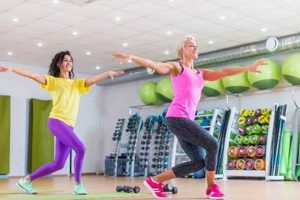
The process of becoming a Zumba instructor necessitates specific training, certifications, and personal attributes. This pathway involves mastering the core rhythms and movements of Zumba, acquiring the skills to lead a class effectively, and demonstrating the ability to motivate participants. A background in dance or fitness is beneficial, but not always required. The key is to acquire the proper Zumba Instructor Training certification through Zumba Fitness, LLC.
Achieving certification unlocks the ability to legally teach Zumba classes and utilize the Zumba brand. This provides instructors with access to official marketing materials, continuing education opportunities, and a global network of instructors. The Zumba program’s popularity and brand recognition create a significant advantage for certified instructors in attracting and retaining students. The program’s roots lie in Latin dance and music, providing a fun and accessible fitness option for individuals of varying ages and fitness levels.
Therefore, pursuing a Zumba instructor certification requires individuals to understand the initial steps to certification, the ongoing requirements for maintaining an active license, and the resources available to support a successful career as a Zumba instructor. This includes considerations for finding training locations, understanding different Zumba program specializations, and developing effective teaching strategies.
Essential Guidance for Aspiring Zumba Instructors
The following guidelines provide critical insights for individuals seeking to become certified Zumba instructors. Adherence to these principles can enhance the prospect of successfully completing the training and establishing a fulfilling career in this field.
Tip 1: Secure Official Training: Participation in a Zumba Basic 1 Instructor Training course is fundamental. This course provides the foundational knowledge and skills required to lead a Zumba class effectively. Verification of the trainer’s credentials with Zumba Fitness, LLC is crucial.
Tip 2: Master Core Rhythms: Proficiency in the core Zumba rhythms, including merengue, salsa, cumbia, and reggaeton, is paramount. Dedicate time to practice and refine these rhythms to ensure accuracy and fluidity in instruction.
Tip 3: Develop Cueing Techniques: Effective cueing is essential for guiding participants through the routines. Practice both verbal and non-verbal cueing techniques to ensure clear and concise instructions.
Tip 4: Cultivate Musicality: Understanding musical structure and phrasing is crucial for aligning movements with the music. Develop the ability to interpret musical cues and translate them into appropriate dance steps.
Tip 5: Prioritize Professionalism: Maintain a professional demeanor at all times. This includes punctuality, appropriate attire, and respectful interaction with participants. Adherence to ethical standards is crucial for maintaining credibility.
Tip 6: Obtain and Maintain License: An active Zumba Instructor Network (ZIN) membership is required to legally teach Zumba classes and access official Zumba materials. Understand the ongoing requirements for maintaining this membership, including continuing education.
Tip 7: Seek Mentorship: Connect with experienced Zumba instructors to gain valuable insights and guidance. Mentorship can provide practical advice on class management, marketing, and professional development.
By prioritizing these key aspects, aspiring Zumba instructors can significantly increase their chances of success. A solid foundation in technique, pedagogy, and professionalism will enable instructors to create engaging and effective Zumba classes.
These practical guidelines provide a starting point for anyone exploring the requirements and best practices for becoming a certified Zumba instructor. Further research and dedication are vital for a rewarding career in this field.
1. Certification Training

Certification Training forms the cornerstone of what is necessary to become a Zumba instructor. It represents the structured educational program that equips individuals with the fundamental skills, knowledge, and legal authorization to conduct Zumba classes. Without this formal training, individuals lack the necessary credentials and foundational expertise to operate as legitimate Zumba instructors.
- Zumba Basic 1 Instructor Training
This introductory course provides the essential building blocks for prospective instructors. It covers core Zumba rhythms, basic steps, cueing techniques, and class structure. Successful completion of Zumba Basic 1 is a prerequisite for teaching Zumba classes legally. For example, aspiring instructors learn how to break down complex choreography into accessible movements, making classes suitable for diverse fitness levels. This initial training provides the framework for building further expertise and specialization within the Zumba program.
- Official Licensing and ZIN Membership
Completion of certification training necessitates acquiring a Zumba Instructor Network (ZIN) membership. This grants instructors the license to utilize the Zumba brand, access official music and choreography, and market themselves as certified professionals. Without ZIN membership, instructors are unable to legally teach Zumba classes under the Zumba brand name. A real-world example is the ability to use the Zumba logo on promotional materials, a significant advantage due to Zumba’s global recognition. The ongoing ZIN membership also provides continuing education, ensuring instructors remain up-to-date with program updates and best practices.
- Adherence to Zumba Fitness, LLC Guidelines
Certification Training emphasizes adherence to the guidelines and standards set by Zumba Fitness, LLC. This includes utilizing official Zumba music, choreography, and terminology. Instructors are expected to maintain the integrity of the Zumba program by following these guidelines. For example, instructors are discouraged from incorporating non-Zumba dance styles into the core curriculum without proper authorization. This adherence ensures a consistent and quality experience for participants across all Zumba classes, reinforcing the brand’s value and reputation.
- Liability and Insurance Considerations
Certification Training highlights the importance of obtaining liability insurance. This protects instructors from potential claims arising from injuries or accidents during classes. Zumba Fitness, LLC strongly recommends that all instructors carry adequate insurance coverage. For example, if a participant sustains an injury due to a fall during class, liability insurance can help cover medical expenses and legal fees. This facet underscores the professional responsibilities associated with teaching Zumba and mitigating potential risks.
The components of Certification Training collectively establish the foundation for successful Zumba instruction. By providing the necessary knowledge, licensing, and professional standards, this training ensures that instructors are equipped to lead safe, effective, and enjoyable Zumba classes while upholding the integrity of the Zumba brand. Its significance within the framework of what’s necessary to become a Zumba instructor cannot be overstated, representing the crucial starting point for a career in this fitness discipline.
2. Rhythm Mastery

Rhythm Mastery is an indispensable element for meeting the requirements to become a Zumba instructor. This aptitude represents the ability to accurately perceive, interpret, and execute the diverse rhythmic patterns integral to Zumba choreography. Inadequate rhythm mastery directly impacts the quality of instruction, potentially leading to inaccurate movements, ineffective cueing, and a compromised class experience. For example, a Zumba instructor who struggles to maintain the correct tempo in a Cumbia routine will likely fail to lead the class effectively, resulting in participant frustration and diminished engagement. Rhythm mastery therefore serves as a foundational skill upon which other instructional competencies are built.
The practical application of rhythm mastery extends beyond simply following the beat. It encompasses an understanding of musical phrasing, accentuation, and the nuances of different Latin rhythms such as Salsa, Merengue, Reggaeton, and Cumbia. Zumba instructors must be able to translate these musical elements into precise movements, providing participants with a cohesive and engaging dance-fitness experience. For instance, recognizing the ‘clave’ rhythm in Salsa allows an instructor to emphasize specific steps, enhancing the authenticity and cultural appreciation of the dance. Moreover, effective rhythm mastery facilitates clear cueing, enabling instructors to seamlessly guide participants through transitions and variations within the choreography. This level of rhythmic awareness enhances the overall safety and efficacy of the Zumba class.
In conclusion, rhythm mastery is not merely a desirable attribute but a non-negotiable requirement for aspiring Zumba instructors. The ability to accurately and expressively interpret rhythmic patterns directly influences instructional quality, participant engagement, and the overall success of the class. Overcoming challenges in this area necessitates dedicated practice, musical immersion, and a commitment to continuous improvement. Rhythm mastery forms an essential link to broader success, underscoring its indispensable role in fulfilling the demands of a competent and effective Zumba instructor.
3. Cueing Skills

Cueing Skills represent a critical facet of the qualifications to become a Zumba instructor. This competency involves the capacity to effectively communicate movement instructions to class participants, ensuring comprehension, safety, and engagement. Deficiencies in cueing skills can lead to participant confusion, improper form, and a diminished Zumba experience.
- Verbal Cueing
Verbal cueing involves using spoken instructions to guide participants through the choreography. Clear and concise language, anticipation of upcoming movements, and directional cues are essential. For example, an instructor might say “Next, step to the right, followed by a clap,” providing participants with advance warning and precise instructions. Ineffective verbal cueing can result in delayed reactions and loss of rhythm among class participants. Verbal cues should align directly with the rhythm and complexity of the music and choreography to maximize effectiveness.
- Non-Verbal Cueing
Non-verbal cueing relies on visual signals, such as hand gestures, facial expressions, and body language, to communicate movement instructions. This approach is particularly valuable when music is loud or participants are visually oriented. For example, an instructor may use a hand signal to indicate the direction of the next step, mirroring the movement to provide a visual reference. Over-reliance on non-verbal cues, without corresponding verbal instructions, can create ambiguity, particularly for new participants. Therefore, the integrated use of both verbal and non-verbal cueing is paramount.
- Anticipatory Cueing
Anticipatory cueing involves providing participants with advance notice of upcoming movements, allowing them to prepare and execute the choreography effectively. This reduces reaction time and enhances overall class flow. An instructor might say, “In four counts, we’ll transition to the Salsa combination,” providing a preparatory signal. Failure to provide anticipatory cues can result in participants feeling rushed or unprepared, leading to decreased engagement and potential for injury. Strategic placement of anticipatory cues significantly enhances the participant experience.
- Form Correction Cueing
Form correction cueing entails providing specific instructions to help participants maintain proper body alignment and technique during movements. This is crucial for preventing injuries and maximizing the effectiveness of the exercise. For instance, an instructor might say, “Engage your core and keep your knees slightly bent” to ensure proper squatting technique. A lack of form correction cueing can lead to participants adopting incorrect posture, increasing their risk of injury. Constructive and positive feedback, emphasizing proper form, contributes to a safer and more effective Zumba class.
Effective cueing skills constitute an indispensable element of the qualifications needed to become a Zumba instructor. The ability to communicate clearly, anticipate movement, and correct form ensures that participants experience a safe, engaging, and effective Zumba class. Mastery of these cueing techniques directly impacts participant satisfaction and the overall success of the instructor.
4. Musicality

Musicality, in the context of “que se necesita para ser instructora de zumba,” represents a core competency directly influencing instructional efficacy. It embodies an instructor’s ability to perceive, interpret, and respond to the nuances of music, translating rhythmic patterns, melodic phrasing, and dynamic variations into appropriate movement and cueing. A Zumba instructor lacking musicality might execute correct steps but fail to synchronize movements with the music’s emotional intent, resulting in a disjointed and less engaging class experience. For example, failing to recognize and emphasize a dramatic crescendo in the music could lead to missed opportunities to amplify the energy and excitement of a particular routine. Thus, musicality functions as a fundamental skill, affecting not only the physical execution of Zumba steps but also the overall atmosphere and motivational impact of the class.
The practical application of musicality extends beyond mere synchronization. It encompasses selecting music that aligns with the intended Zumba style, structuring routines that build upon musical themes, and using vocal and non-verbal cues that reflect the music’s energy and emotion. An instructor with strong musicality might, for instance, choose a song with a prominent percussion section to highlight specific footwork patterns, or alter the intensity of arm movements to mirror changes in musical volume. Furthermore, musicality allows an instructor to effectively adapt to variations in tempo or rhythmic complexity, maintaining control and fluidity even when unexpected musical cues arise. This adaptability contributes to a more professional and adaptable teaching style, increasing confidence and preparedness in the face of diverse musical challenges. The active Zumba Instructor is expected to continuously sharpen these skills in order to effectively teach.
In conclusion, musicality serves as a vital element in “que se necesita para ser instructora de zumba,” influencing class engagement, instructional quality, and participant satisfaction. Challenges in developing musicality can often be overcome through consistent practice, active listening, and seeking mentorship from experienced instructors. Its mastery directly correlates with the ability to lead dynamic and motivating Zumba classes, ultimately enhancing the instructor’s effectiveness and professional reputation. Therefore, aspiring instructors must recognize the inherent value of musicality and prioritize its development as an indispensable component of their skill set.
5. Professionalism

Professionalism constitutes a critical, yet often understated, element of what is required to become a Zumba instructor. It encompasses the behaviors, ethics, and overall conduct that demonstrate competence and commitment to the Zumba program and its participants. A lack of professionalism can erode trust, damage reputation, and ultimately hinder career progression, regardless of technical expertise.
- Punctuality and Reliability
Adherence to scheduled class times and consistent delivery of promised services are fundamental aspects of professionalism. Tardiness or frequent cancellations disrupt participants’ routines and reflect a lack of respect for their time and commitment. For example, consistently starting a class late, even by a few minutes, can signal a disregard for participants’ schedules, potentially leading to attrition. Maintaining a reliable schedule and promptly communicating any necessary changes demonstrates a commitment to the participants’ well-being and instructional integrity.
- Appropriate Attire and Hygiene
Maintaining a clean and presentable appearance, adhering to dress codes, and practicing proper hygiene are essential components of professional conduct. Attire should be functional, allowing for unrestricted movement, while also demonstrating respect for the setting. Ignoring these standards can convey a lack of seriousness and may be perceived as disrespectful by participants. In the context of “que se necesita para ser instructora de zumba”, instructors are expected to project a positive and fitness-oriented image. This ensures comfort and safety for both instructor and participants during physical exertion.
- Ethical Conduct and Boundaries
Adherence to a strict code of ethics, maintaining professional boundaries with participants, and respecting their privacy are paramount. Instructors must avoid engaging in inappropriate relationships, maintaining objectivity, and refraining from sharing confidential information. Breaching these ethical guidelines can have severe consequences, including reputational damage and legal repercussions. For instance, respecting participant confidentiality regarding fitness levels or personal matters fosters trust and creates a safe, supportive environment. Respecting cultural differences in the population is also vital to the ethical code.
- Effective Communication and Conflict Resolution
The ability to communicate clearly, listen attentively, and resolve conflicts constructively is essential for fostering positive relationships with participants. This includes responding promptly to inquiries, providing constructive feedback, and addressing concerns in a professional manner. Poor communication can lead to misunderstandings, dissatisfaction, and potential disputes. Addressing conflicts promptly and professionally demonstrates a commitment to resolving issues fairly and maintaining a harmonious class environment. Clear explanations of fees, class rules, and emergency procedures also reduce sources of potential disputes.
These facets of professionalism, when integrated into the practice of Zumba instruction, reinforce the technical expertise and qualifications. Professionalism builds confidence in participants and enhances the credibility of the instructor within the Zumba community and wider fitness industry. By embodying these principles, instructors contribute to a positive and supportive environment for all participants, ultimately strengthening the value of the Zumba experience, which directly addresses the question “que se necesita para ser instructora de zumba”.
6. Licensing

Licensing, in the context of “que se necesita para ser instructora de zumba,” represents a critical legal and professional authorization to conduct Zumba classes officially. It serves as a cornerstone, legitimizing an individual’s status as a certified Zumba instructor. Possession of the appropriate license is essential for utilizing the Zumba brand, accessing proprietary resources, and operating within established legal and ethical frameworks.
- Zumba Instructor Network (ZIN) Membership
ZIN membership serves as the primary licensing mechanism for Zumba instructors. An active ZIN membership grants instructors the right to teach Zumba classes and utilize the Zumba trademark and brand identity. Maintaining ZIN membership typically requires ongoing fees and adherence to Zumba Fitness, LLC guidelines. For example, an instructor without an active ZIN membership would be prohibited from advertising classes as “Zumba” or using official Zumba music. ZIN membership provides instructors with access to choreography, marketing materials, and a network of fellow instructors. A lapse in ZIN membership automatically removes the instructor’s licensing authorization.
- Use of Official Zumba Materials
Licensing through ZIN membership permits instructors to legally use official Zumba music, choreography, and marketing materials. This includes access to Zumba’s extensive library of songs and routines, which are copyrighted and protected. Unauthorized use of these materials can result in legal action. Licensed instructors benefit from the quality and brand recognition associated with official Zumba content. Licensing ensures that instructors are presenting authentic Zumba classes, consistent with the program’s standards.
- Insurance Requirements
While not directly provided by Zumba Fitness, LLC, licensing often necessitates adherence to insurance requirements. Many gyms and fitness facilities require instructors to possess liability insurance to protect against potential injuries or accidents during classes. This insurance coverage is often a prerequisite for teaching Zumba in these locations. Licensing implicitly underscores the instructor’s responsibility to maintain adequate insurance coverage, safeguarding both themselves and their participants. Without insurance, instructors risk personal liability in the event of an incident.
- Continuing Education
Maintaining an active Zumba license often involves participating in continuing education opportunities. This ensures that instructors remain current with the latest Zumba techniques, safety protocols, and program updates. Zumba Fitness, LLC provides various workshops and training sessions to support ongoing professional development. Active participation in continuing education not only maintains the instructor’s licensing status but also enhances their skills and knowledge. For instance, specialized workshops can equip instructors to teach Zumba Gold for senior citizens or Zumba Kids for children, expanding their clientele and market reach.
These facets underscore the inherent connection between licensing and “que se necesita para ser instructora de zumba.” Licensing represents the formal authorization required to practice Zumba instruction legitimately, ensuring compliance with legal and ethical standards while enabling access to essential resources and support. Ultimately, it contributes to the instructor’s credibility, professional standing, and the overall quality of the Zumba program.
7. Mentorship

Mentorship plays a significant role in the comprehensive requirements to become a Zumba instructor. It facilitates the transfer of practical knowledge, skills, and professional insights beyond the structured certification process. Mentorship provides aspiring instructors with personalized guidance and support, accelerating their development and increasing their likelihood of success in the Zumba field.
- Practical Class Management Skills
Mentors offer invaluable insights into the logistical aspects of class management. This includes strategies for managing class size, handling diverse fitness levels, addressing participant concerns, and creating a positive and inclusive environment. For example, a mentor might advise a new instructor on how to modify choreography for participants with physical limitations or how to effectively manage disruptive behavior in class. These practical skills are often not explicitly covered in certification training but are essential for effective instruction. Without this applied knowledge, an instructor may struggle to efficiently manage a class, negatively impacting the experience for participants. This ensures a smooth class.
- Effective Cueing and Communication Techniques
Experienced mentors provide targeted feedback on cueing and communication techniques, helping new instructors refine their ability to clearly and concisely guide participants through the routines. Mentors can identify areas for improvement in verbal and non-verbal cueing, ensuring participants understand and execute the movements correctly. For instance, a mentor might suggest using specific hand gestures or vocal cues to emphasize key steps or transitions. These refined communication skills contribute to a more engaging and effective class, minimizing confusion and maximizing participant engagement and, in turn, the results of the session.
- Music Selection and Choreography Adaptation
Mentors offer guidance on selecting appropriate music and adapting choreography to suit the preferences and fitness levels of different participant groups. This includes advice on creating playlists that maintain energy and motivation throughout the class, as well as modifying routines to accommodate varying skill levels. For instance, a mentor might suggest incorporating music from different Latin genres to broaden the appeal of the class or modifying complex choreography to make it more accessible to beginners. This ensures that classes are well structured for their audience.
- Building a Professional Network
Mentors often facilitate networking opportunities, connecting new instructors with other professionals in the fitness industry. This can lead to collaborations, job opportunities, and access to valuable resources. A mentor might introduce a new instructor to gym managers, studio owners, or other Zumba instructors in the area. Networking is a crucial element to long term survival in the business because it ensures that there is opportunity, even if at a new gym, for the instructor. These connections provide ongoing support and contribute to career advancement.
These multifaceted aspects of mentorship directly enhance an individual’s ability to meet the requirements for becoming a successful Zumba instructor. By providing practical skills, targeted feedback, and valuable connections, mentorship significantly increases an instructor’s preparedness, confidence, and overall effectiveness in delivering engaging and impactful Zumba classes. This translates to increased participant satisfaction and the instructor’s professional development, underlining the value of mentorship in this field.
Frequently Asked Questions
The following addresses commonly asked questions regarding the requirements and process of becoming a certified Zumba instructor.
Question 1: What are the initial steps to become a Zumba instructor?
The first step involves completing a Zumba Basic 1 Instructor Training course. This course provides the fundamental knowledge and skills required to lead a Zumba class effectively. Verification of the trainer’s credentials with Zumba Fitness, LLC is crucial.
Question 2: Is a background in dance or fitness required to become a Zumba instructor?
While a background in dance or fitness can be beneficial, it is not always required. The Zumba Basic 1 Instructor Training course is designed to provide individuals with the necessary foundational skills, regardless of prior experience. However, some fitness knowledge helps.
Question 3: What is Zumba Instructor Network (ZIN) membership and why is it necessary?
ZIN membership is a required licensing program that grants instructors the legal right to teach Zumba classes and utilize the Zumba brand. It also provides access to official music, choreography, and marketing materials. Maintaining an active ZIN membership is essential for upholding licensing credentials.
Question 4: What ongoing costs are associated with being a Zumba instructor?
Ongoing costs typically include ZIN membership fees, continuing education expenses, and liability insurance premiums. These expenses are necessary to maintain licensing, enhance skills, and protect against potential liabilities.
Question 5: Is liability insurance required for Zumba instructors?
While Zumba Fitness, LLC strongly recommends it, gyms and fitness facilities often mandate liability insurance as a condition of employment. This insurance protects instructors from potential claims arising from injuries or accidents during classes. Insurance is also just wise.
Question 6: Where can Zumba instructors find music and choreography for their classes?
Licensed Zumba instructors with an active ZIN membership gain access to a vast library of official Zumba music and choreography through the ZIN website. Utilizing this official material is essential for adhering to Zumba Fitness, LLC guidelines and ensuring copyright compliance. Only official music and dance will protect your brand as an instructor.
In summary, becoming a certified Zumba instructor requires specific training, ongoing licensing, and a commitment to professional development. These elements contribute to the instructor’s credibility, professional standing, and the overall quality of the Zumba program.
The following information provides additional resources and guidance for aspiring Zumba instructors.
Conclusion
The preceding exploration of “que se necesita para ser instructora de zumba” has illuminated a comprehensive array of requirements. These encompass foundational certification, technical proficiencies in rhythm and cueing, musical comprehension, unwavering professionalism, licensing adherence, and the developmental benefits of mentorship. Each component contributes intrinsically to an individual’s capacity to conduct Zumba classes safely, effectively, and in accordance with brand standards.
The pursuit of Zumba instruction demands commitment, dedication, and continuous self-improvement. A failure to address any of these essential areas can impede an instructor’s success and potentially compromise the integrity of the Zumba program. Aspiring instructors must, therefore, prioritize the development of these skills and competencies to establish a fulfilling and reputable career in this fitness discipline. The commitment to these elements ultimately defines the quality of instruction and the participant experience.