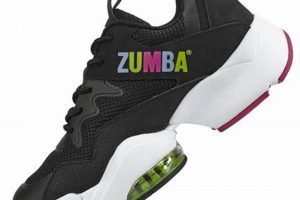
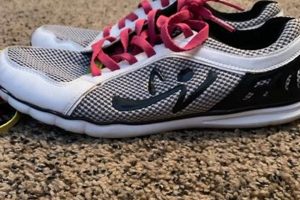
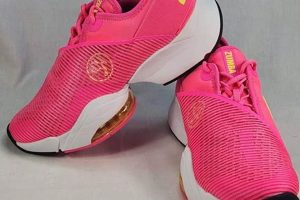
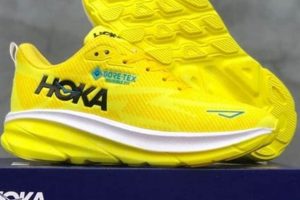
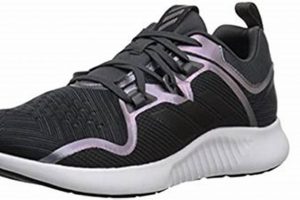
Appropriate footwear for high-energy dance fitness programs combines the cushioning of athletic trainers with the flexibility needed for lateral movements. These programs demand shoes that can absorb impact during jumps and provide sufficient grip without restricting pivoting motions. Selecting the right shoe is crucial for comfort and performance in these types of activities, preventing injuries and maximizing workout effectiveness. For example, cross-training shoes are often considered a suitable choice because they offer a balance of support and agility.
The selection of suitable footwear is important for participant safety and enjoyment. Ill-fitting or inappropriate shoes can lead to blisters, ankle sprains, or knee pain. Historically, participants often wore generic athletic shoes, but the increased popularity of dance fitness has led to the development of shoes specifically designed for this type of activity. The evolution of this footwear has allowed individuals to move more freely and safely, enhancing the overall experience and encouraging continued participation.
This analysis will explore the key characteristics of effective footwear choices, examining features such as sole construction, upper material, and support structures. Furthermore, it will delve into how these features contribute to both performance and injury prevention in high-impact, laterally focused fitness routines.
Guidance on Footwear Selection
The following guidelines offer advice on selecting appropriate footwear for high-intensity dance fitness activities. The goal is to maximize performance while minimizing the risk of injury through informed choices.
Tip 1: Prioritize Lateral Support. Footwear intended for this use must offer strong lateral support to stabilize the foot and ankle during side-to-side movements. Look for features like reinforced sidewalls or outrigger soles, which are specifically designed to prevent excessive rolling of the ankle.
Tip 2: Assess Sole Flexibility. The sole should offer sufficient flexibility to allow for a full range of motion. A sole that is too stiff will hinder pivoting and turning, increasing the risk of knee and ankle strain. Perform a manual flexibility test by bending the shoe at the toe to assess its responsiveness.
Tip 3: Evaluate Cushioning and Impact Absorption. High-impact movements necessitate adequate cushioning to protect joints. Look for models with gel or air cushioning systems, particularly in the heel and forefoot. These systems absorb and distribute impact forces, reducing stress on the lower extremities.
Tip 4: Consider Outsole Traction. The outsole should provide a balance of grip and slip. Too much grip can impede pivoting, while too little can lead to falls. Non-marking rubber outsoles with a multi-directional tread pattern are typically a good choice.
Tip 5: Ensure Proper Fit. A snug, but not constricting, fit is crucial. Allow for approximately a thumb’s width of space between the longest toe and the end of the shoe. Test the fit while wearing socks typically worn during dance fitness activities.
Tip 6: Choose Breathable Materials. The upper material should be breathable to allow for adequate ventilation and moisture management. Mesh uppers are preferable as they help to keep the feet cool and dry, preventing blisters and discomfort.
Tip 7: Weight Considerations. Lighter footwear reduces fatigue and improves agility. Opt for a model that balances support and cushioning without excessive weight. Try on several pairs to assess their relative weight and feel.
Adhering to these guidelines will help individuals select footwear that optimizes performance, comfort, and safety in dance fitness programs. The benefits include enhanced agility, reduced risk of injury, and improved overall workout experience.
The subsequent section will delve into specific product recommendations and brand comparisons, providing further guidance on making an informed purchase.
1. Lateral Support

Lateral support in footwear is a crucial element for Zumba participants. Zumba involves a series of dynamic, multi-directional movements, requiring the foot to maintain stability during frequent lateral (side-to-side) transitions. Insufficient lateral support leads to an increased risk of ankle instability, potentially resulting in sprains or strains. The design of footwear impacts the degree of lateral support; features such as reinforced sidewalls, outrigger soles, and secure lacing systems contribute to minimizing foot roll and maintaining alignment during these rapid shifts in direction. The absence of adequate support can cause excessive pronation or supination, altering biomechanics and potentially causing long-term joint issues.
The connection between lateral support and dance fitness footwear is evident in the materials used and the structural design. For example, running shoes, traditionally designed for forward motion, typically lack robust lateral support and are, therefore, not ideal for Zumba. Conversely, cross-training shoes often incorporate features to enhance lateral stability, such as wider soles and firmer midsoles. A practical example of the impact of lateral support is a participant executing a grapevine step; the outer edge of the shoe absorbs the force, and the lateral support structure prevents the ankle from rolling outward excessively. If the footwear is inadequate, the individual experiences a heightened risk of injury. A well-designed shoe, however, ensures foot stabilization, allowing for more confident and controlled movement.
In conclusion, lateral support forms a foundational component of suitable footwear for Zumba. Prioritizing this feature is essential to mitigate injury risks and optimize performance. Individuals engaging in Zumba should meticulously assess the shoe’s capacity to provide lateral stability. Understanding and applying these insights leads to a safer, more effective, and more enjoyable dance fitness experience. Neglecting lateral support undermines the shoes intended function, potentially compromising the participant’s well-being and impeding progress.
2. Sole Flexibility

Sole flexibility is a key attribute in footwear intended for Zumba. This characteristic directly impacts the wearer’s ability to perform the diverse range of movements inherent in Zumba routines. Restricted flexibility in the sole inhibits pivoting, turning, and other dance-oriented steps. This limitation can lead to compensations in movement patterns, increasing the stress on joints and potentially causing injuries, particularly in the knees and ankles. The causal link between sole flexibility and Zumba performance is therefore significant: reduced flexibility translates to compromised movement efficiency and heightened injury risk. The reverse is also true; adequate flexibility facilitates smooth transitions and reduces strain.
The impact of sole flexibility becomes apparent when comparing different types of footwear used in Zumba. For example, running shoes, designed primarily for linear forward motion, often possess a relatively stiff sole to provide propulsion and stability. When utilized in Zumba, this stiffness impedes the ability to execute quick turns and pivots, potentially leading to knee strain. Conversely, dance-specific shoes or cross-training shoes with a more flexible sole allow for a greater range of motion. This distinction highlights the practical significance of understanding sole flexibility as a component of appropriate footwear for Zumba. The material composition and construction techniques determine the degree of flexibility, with some manufacturers employing segmented soles or specific flex grooves to enhance this characteristic.
In summary, sole flexibility plays a critical role in the performance and safety of Zumba participants. The ability of the sole to bend and twist allows for a natural and fluid execution of dance movements, reducing the risk of injury. Sole flexibility’s importance is often overlooked; however, failure to consider this feature compromises the overall effectiveness of footwear for Zumba, hindering performance and potentially increasing the risk of musculoskeletal problems. A deeper understanding of this relationship can lead to more informed footwear choices and a safer, more enjoyable Zumba experience.
3. Impact Absorption

Impact absorption is a crucial attribute in footwear intended for Zumba due to the high-energy and repetitive nature of the activity. The continual jumping, stomping, and quick changes in direction place considerable stress on the lower extremities. Adequate impact absorption mitigates this stress, reducing the risk of joint pain, muscle fatigue, and long-term injuries.
- Reduction of Joint Stress
The primary role of impact absorption is to minimize the force transmitted to the joints during high-impact movements. For instance, landing from a jump generates force that can travel up the kinetic chain, affecting the ankles, knees, and hips. Footwear with sufficient cushioning, such as gel inserts or air pockets, compresses upon impact, dissipating the force and protecting these joints. Inadequate impact absorption can lead to conditions like plantar fasciitis, stress fractures, and knee pain.
- Enhancement of Muscle Endurance
Effective impact absorption also reduces the strain on leg muscles. By minimizing the jarring effect of each step, the muscles expend less energy stabilizing the body. This translates to increased endurance and reduced muscle fatigue during extended Zumba sessions. Examples of materials that contribute to improved muscle endurance include EVA foam and specialized cushioning compounds that offer a balance of support and flexibility.
- Influence on Biomechanics
The impact absorption properties of footwear directly influence an individual’s biomechanics. Shoes that effectively absorb impact encourage a more natural gait and reduce excessive pronation or supination. Proper biomechanics decrease the likelihood of developing overuse injuries and improve overall movement efficiency. Poor impact absorption, conversely, can exacerbate existing biomechanical imbalances and lead to compensatory movements that increase injury risk.
- Material Technologies and Design Features
Several material technologies and design features contribute to impact absorption in Zumba footwear. Gel cushioning systems, air cushioning units, and specialized foam compounds are commonly integrated into the midsole of the shoe. Additionally, outsole designs with strategically placed flex grooves can enhance shock absorption and promote a more natural foot motion. These design elements work in conjunction to provide optimal protection and comfort during Zumba activities.
In conclusion, impact absorption is a vital consideration when selecting footwear for Zumba. It influences joint health, muscle endurance, biomechanics, and overall performance. Shoes with effective impact absorption technologies are essential for mitigating injury risks and maximizing comfort during high-intensity dance fitness routines. Understanding the relationship between impact absorption and foot health ensures a more sustainable and enjoyable Zumba experience.
4. Outsole Traction

The connection between outsole traction and footwear intended for Zumba lies in its direct impact on participant safety and performance. Zumba routines incorporate rapid changes in direction, pivots, and dance-inspired movements. The outsole, the shoe’s point of contact with the floor, must provide adequate grip to prevent slips and falls. Insufficient traction leads to instability, increasing the risk of ankle sprains, knee injuries, and other musculoskeletal problems. The causal relationship is clear: inadequate outsole traction results in a compromised ability to maintain balance and control during dynamic movements. Therefore, the outsole’s design and material composition become critical when selecting appropriate footwear.
The material used in the outsole significantly influences its traction capabilities. Non-marking rubber compounds are commonly employed due to their durability and ability to provide grip on various surfaces. The tread pattern also plays a pivotal role. Multi-directional patterns, with grooves and lugs oriented in different directions, enhance traction during lateral movements and pivots. For instance, running shoes, designed primarily for forward motion, may have outsoles with longitudinal grooves optimized for linear traction. These are less effective for Zumba, which necessitates side-to-side grip. In contrast, cross-training shoes or dance-specific footwear often feature more complex tread patterns to accommodate the diverse movements. Understanding the relationship between outsole material, tread pattern, and activity-specific demands allows for informed footwear selection, optimizing both safety and performance.
In summary, outsole traction is a non-negotiable factor when choosing footwear for Zumba. Its importance extends beyond mere comfort; it directly impacts the participant’s ability to execute movements safely and effectively. Compromised traction poses a significant risk of injury and diminishes the overall experience. By understanding the principles of outsole design and selecting footwear with appropriate traction capabilities, individuals can minimize risk and maximize the benefits of Zumba. A failure to address this critical element undermines the shoes’ functionality, potentially leading to adverse outcomes during high-energy dance fitness activities.
5. Proper Fit

Proper fit constitutes an indispensable characteristic of effective footwear for Zumba. The dynamic and high-impact nature of Zumba necessitates a secure and comfortable fit to prevent injuries and optimize performance. Footwear that is either too large or too small can lead to a cascade of biomechanical issues, including blisters, chafing, and instability. The relationship between improper fit and injury risk is direct and consequential. Ill-fitting shoes compromise the foot’s natural alignment, increasing the likelihood of ankle sprains, knee pain, and even stress fractures. The importance of proper fit extends beyond mere comfort; it underpins the safety and efficacy of the activity. For example, a shoe that is too loose can cause the foot to slide during lateral movements, resulting in a loss of balance and a heightened risk of falls. Conversely, a shoe that is too tight can restrict circulation, leading to discomfort and potential nerve damage.
The practical application of understanding proper fit involves several key considerations. First, foot measurements should be taken while wearing socks typical of those worn during Zumba. This ensures accurate sizing. Second, the fit should be assessed both statically and dynamically. While standing, there should be approximately a thumb’s width of space between the longest toe and the end of the shoe. However, it is equally important to move and perform simulated Zumba steps to ensure the shoe remains secure and comfortable during activity. Heel slippage should be minimal, and there should be no areas of excessive pressure or rubbing. Furthermore, foot volume and width should be considered. Individuals with wider feet may require shoes with a wider toe box to prevent compression and discomfort. Arch support is another crucial aspect; shoes with appropriate arch support can help to maintain proper foot alignment and prevent overpronation or supination. Ignoring these fitting parameters can result in a suboptimal Zumba experience and increase the likelihood of injury.
In conclusion, proper fit is not a peripheral consideration but a fundamental requirement for footwear designed for Zumba. Its absence can compromise safety, hinder performance, and diminish the overall enjoyment of the activity. While advancements in materials and design can enhance features like cushioning and support, these benefits are negated if the shoe does not fit correctly. The challenge lies in finding a balance between features and fit, ensuring that the chosen footwear accommodates individual foot characteristics and provides the necessary stability and comfort for dynamic movements. A thorough understanding of the principles of proper fit, combined with careful attention to individual needs, is essential for selecting footwear that supports a safe and effective Zumba experience.
6. Breathable Materials
Breathable materials constitute a critical component of footwear designed for high-intensity activities such as Zumba. The capacity of a shoe to facilitate ventilation and manage moisture levels directly influences wearer comfort, performance, and the prevention of dermatological issues. Selecting appropriate materials is therefore paramount for mitigating discomfort and potential foot problems associated with prolonged, vigorous activity.
- Moisture Management
The primary role of breathable materials is to wick away perspiration produced during exercise. Accumulation of moisture within the shoe creates a humid environment conducive to bacterial and fungal growth, leading to conditions such as athlete’s foot. Materials like engineered mesh and synthetic fabrics with open-weave structures promote airflow, facilitating the evaporation of sweat. This process helps maintain a dry and comfortable internal environment, reducing the risk of skin irritation and infection. Examples include shoes incorporating linings treated with antimicrobial agents to further inhibit microbial proliferation.
- Temperature Regulation
Breathable materials also contribute to temperature regulation within the shoe. By allowing warm air to escape and cool air to circulate, these materials help prevent overheating of the foot. Overheating can lead to discomfort, reduced performance, and an increased risk of blisters. Materials such as perforated leather or lightweight synthetic fabrics allow for better convective heat transfer compared to non-breathable alternatives. This temperature regulation is especially important in Zumba, where the combination of high-intensity movement and potentially warm studio environments can exacerbate heat build-up.
- Weight Reduction
In many instances, breathable materials are lighter than their less permeable counterparts. This reduction in weight contributes to improved agility and reduced fatigue during Zumba routines. Lighter shoes require less energy expenditure to lift and move, allowing participants to maintain a higher level of performance for longer periods. Examples include shoes using advanced synthetic meshes that offer both breathability and significant weight savings compared to traditional leather or heavy synthetic fabrics. This effect is more noticeable during prolonged use as weight becomes more of an issue.
- Flexibility and Comfort
Breathable materials often exhibit greater flexibility than less permeable options. This increased flexibility enhances comfort and allows for a more natural range of motion during Zumba activities. Stiff or inflexible materials can restrict foot movement and create pressure points, leading to discomfort and potential injuries. Materials such as stretchable knit fabrics conform to the shape of the foot, providing a snug and comfortable fit without restricting movement. This flexibility is particularly important given the wide range of motion in Zumba.
The connection between breathable materials and footwear designed for Zumba is therefore multifaceted. By facilitating moisture management, regulating temperature, reducing weight, and enhancing flexibility, these materials contribute significantly to wearer comfort, performance, and foot health. Choosing footwear with appropriate breathable components is essential for individuals engaging in high-intensity dance fitness activities to minimize the risk of discomfort and potential injuries.
7. Lightweight Design
The correlation between lightweight design and footwear appropriate for Zumba stems from the activity’s dynamic and repetitive nature. Zumba, characterized by high-energy dance movements, demands footwear that minimizes fatigue and maximizes agility. A heavier shoe requires greater energy expenditure for each movement, leading to earlier onset of muscle fatigue and potentially compromising performance. Lightweight design mitigates this effect by reducing the burden on the lower extremities. The causal relationship is such that increased shoe weight directly translates to increased energy consumption and reduced endurance. This consideration is particularly salient in Zumba, where routines often extend for 45-60 minutes, involving continuous movement and varied steps. For example, a shoe constructed with heavy materials, such as dense rubber or thick leather, would impede agility and accelerate fatigue compared to a shoe made with lightweight mesh and a responsive foam midsole. Lightweight construction becomes a pivotal factor in facilitating sustained participation and optimizing movement execution.
The practical significance of lightweight design extends beyond mere comfort; it influences biomechanics and injury prevention. Heavier shoes can alter natural gait patterns, potentially increasing stress on joints and muscles. Conversely, lightweight footwear allows for a more natural foot strike and reduces the likelihood of compensatory movements that can lead to overuse injuries. Consider a scenario where a Zumba participant is executing a series of quick lateral steps. A heavy shoe requires greater effort to lift and move, potentially leading to a less precise foot placement and an increased risk of ankle rolling. A lightweight shoe, however, facilitates a more controlled and efficient movement pattern, minimizing the risk of instability. Manufacturers achieve lightweight designs through the use of advanced materials such as engineered mesh uppers, lightweight foam midsoles, and streamlined outsole designs. These innovations prioritize weight reduction without sacrificing essential features like cushioning and support.
In summary, lightweight design is not merely an aesthetic consideration but a functional imperative for footwear intended for Zumba. Its influence on energy expenditure, biomechanics, and injury prevention is substantial. Choosing footwear that prioritizes lightweight construction is essential for maximizing performance, minimizing fatigue, and ensuring a safe and enjoyable Zumba experience. While factors such as cushioning and support remain important, the weight of the shoe directly impacts the wearer’s ability to sustain activity and execute movements efficiently, underlining the importance of this design attribute.
Frequently Asked Questions
The following addresses common inquiries regarding the selection and use of footwear for activities such as Zumba.
Question 1: Are conventional running shoes suitable for Zumba?
Conventional running shoes are not generally recommended. These shoes are engineered primarily for forward motion and often lack the lateral support and flexibility required for the multi-directional movements inherent in dance fitness programs. Using them may increase the risk of ankle instability and knee strain.
Question 2: What features should be prioritized when selecting footwear?
Key features include lateral support, sole flexibility, adequate cushioning, and a non-marking outsole with sufficient traction. Breathable materials are also important for moisture management and comfort.
Question 3: How often should footwear be replaced?
Replacement frequency depends on usage intensity and frequency. However, as a general guideline, footwear should be replaced every 300-500 hours of use, or when there is noticeable degradation in cushioning and support.
Question 4: Can orthotics be used in dance fitness footwear?
Orthotics can be used to provide additional support and correct biomechanical imbalances. However, it is crucial to ensure the orthotics fit properly within the shoe without compromising fit or comfort. Consultation with a podiatrist is recommended.
Question 5: What type of outsole is best for dance fitness?
A non-marking rubber outsole with a multi-directional tread pattern is generally considered optimal. This type of outsole provides a balance of grip and slip, allowing for both stability and the ability to pivot easily.
Question 6: How important is the shoe’s weight?
Shoe weight is a significant factor. Lighter footwear reduces fatigue and enhances agility. The ideal shoe balances support and cushioning without excessive weight.
In summary, selecting appropriate footwear for dance fitness is paramount for safety and performance. Features such as lateral support, sole flexibility, and outsole traction are critical considerations.
The following section explores specific product recommendations and brand comparisons to further aid in the selection process.
This exploration has elucidated the critical features that define suitable footwear for dance fitness programs. The term “running shoes for Zumba,” while commonly used, represents a misnomer. True suitability necessitates a departure from the characteristics of conventional running shoes, instead emphasizing lateral support, sole flexibility, and impact absorption. A thorough understanding of these factors is essential for mitigating injury risk and maximizing performance in these high-energy activities.
Selecting the right footwear represents a proactive investment in personal well-being. Future participants are encouraged to prioritize the discussed features, ensuring that footwear aligns with the specific demands of dance fitness. This conscious choice contributes to a safer, more effective, and ultimately more enjoyable experience.