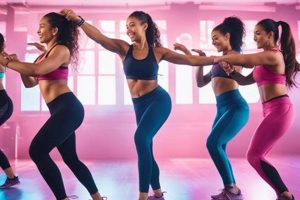
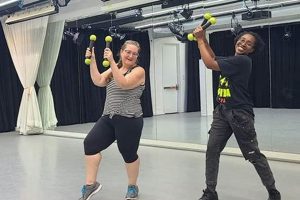
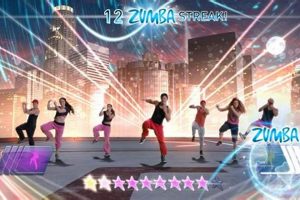
The actions comprising a Zumba class are a blend of Latin American dance steps and fitness routines. These actions are not merely choreographed dances but structured exercises designed to elevate heart rate, improve coordination, and enhance overall physical fitness. Examples include salsa steps, merengue rhythms, and cumbia variations, integrated with squats, lunges, and other bodyweight exercises.
These activities offer a dynamic and engaging approach to exercise, diverging from traditional, repetitive workout formats. They promote cardiovascular health, muscular endurance, and flexibility. Originating in the late 1990s, this exercise format has grown globally, providing a fun and effective way for individuals of varying fitness levels to achieve their health goals.
The following discussion will delve into the specifics of various dance styles utilized, the muscle groups targeted during a session, and the adaptations available to cater to different fitness needs and experience levels. This will provide a comprehensive overview of what to expect and how to maximize the benefits derived from participating in such activities.
Optimizing Engagement with Zumba-Based Exercise
The subsequent guidelines offer practical strategies for enhancing the effectiveness and enjoyment of Zumba-inspired workouts. Adherence to these principles can contribute to improved results and a more sustainable fitness regimen.
Tip 1: Prioritize Proper Form. Maintaining correct posture and technique during each movement maximizes muscle engagement and minimizes the risk of injury. Focus on controlled motions rather than speed.
Tip 2: Hydrate Adequately. Consume water before, during, and after each session to maintain optimal hydration levels and prevent dehydration-related fatigue.
Tip 3: Modify Intensity as Needed. Adapt the intensity of movements to match individual fitness levels. Lower-impact variations can be substituted for more demanding steps, particularly when starting out.
Tip 4: Engage Core Muscles. Actively engage the abdominal and back muscles throughout the workout to stabilize the spine and improve overall body control.
Tip 5: Wear Appropriate Footwear. Choose shoes that provide adequate support and cushioning to minimize stress on the joints. Cross-training or dance-specific shoes are recommended.
Tip 6: Listen to the Body. Pay attention to any pain or discomfort and modify or stop the activity if necessary. Avoid pushing through pain, as this can lead to injury.
Tip 7: Maintain a Consistent Schedule. Incorporate this type of exercise into a regular fitness routine. Consistency is key to achieving and maintaining long-term fitness goals.
Tip 8: Incorporate Stretching. Perform static stretches at the end of each session to improve flexibility and reduce muscle soreness.
By implementing these recommendations, individuals can optimize their experience and maximize the benefits derived from incorporating Zumba-styled exercise into their fitness plans.
The concluding section will summarize the key advantages and further explore the integration of this activity into a broader, holistic approach to well-being.
1. Coordination

Coordination serves as a foundational element within Zumba fitness activities. The multifaceted nature of these actions, which integrate various dance styles and fitness techniques, necessitates a high degree of synchronicity between movements. The effective execution of Zumba routines depends on the ability to harmonize different body parts in response to auditory cues. For example, transitioning from a grapevine step to a hip roll requires precise timing and body awareness. Deficiencies in coordination can hinder the ability to maintain rhythm and momentum, thereby diminishing the workout’s efficacy.
The significance of coordination extends beyond aesthetic considerations. Well-coordinated movements improve balance, enhance proprioception (body awareness), and reduce the risk of injury. Consider the scenario where an individual attempts a complex Zumba step without adequate coordination. This may result in a loss of balance, potentially leading to a fall or strain. Conversely, those with developed coordination are more likely to execute movements safely and efficiently, maximizing the fitness benefits while minimizing the potential for harm. Practical applications include the improvement of everyday activities, such as walking, climbing stairs, and maintaining posture.
In summary, coordination constitutes a crucial aspect of Zumba fitness. It affects not only the quality of movement execution but also the overall safety and effectiveness of the exercise. Recognizing and addressing any challenges related to coordination through targeted practice and adaptation is essential for individuals seeking to fully benefit from Zumba workouts. Improved coordination enhances physical proficiency and contributes to holistic well-being.
2. Rhythm Recognition

Rhythm recognition forms an indispensable foundation for the effective execution of movements characteristic of the exercise program. The inherent design of this program relies heavily on the synchronization of physical actions with musical patterns. A deficiency in rhythm recognition directly impacts the participant’s ability to accurately replicate choreographed sequences and to maintain the intended tempo of the workout. For example, misinterpreting the beat structure of a salsa rhythm can lead to mistimed steps and a disruption of the overall flow of the routine, thereby reducing its effectiveness. Accurate rhythm recognition allows for a more fluid and engaging workout experience.
The relationship between musical timing and the corresponding physical activity manifests in several key ways. First, the recognition of specific rhythmic patterns cues the initiation and execution of distinct movement phrases. Secondly, the ability to anticipate rhythmic changes enables the individual to prepare for transitions between different dance styles and exercise segments. Finally, the internal synchronization of movement with the external rhythmic stimulus promotes a state of physical and mental engagement, enhancing the overall enjoyment and perceived exertion levels. Consider a cumbia sequence: accurate identification of the characteristic syncopation is essential for correctly performing the hip movements and footwork that define the dance. Without it, the exercise loses its intended impact and may even lead to physical strain.
In conclusion, rhythm recognition constitutes a critical element within Zumba-based activities. It dictates the precision, flow, and overall effectiveness of the workout. Individuals should prioritize the development of rhythmic awareness through active listening and consistent practice. A heightened capacity for recognizing and responding to musical cues ensures a more rewarding and physically beneficial fitness experience. The integration of rhythm into movement not only enhances physical performance but also contributes to the inherent joy and sense of accomplishment associated with this dynamic exercise form.
3. Cardiovascular Endurance

Cardiovascular endurance, the ability of the heart and lungs to efficiently deliver oxygen to working muscles during sustained physical activity, is a primary benefit derived from engagement in Zumba-based fitness activities. The rhythmic and continuous nature of these sessions directly challenges and improves this vital aspect of physical health, enabling participants to sustain activity for extended durations without undue fatigue.
- Sustained Elevated Heart Rate
Zumba routines maintain a sustained elevated heart rate, falling within the aerobic training zone. This sustained elevation strengthens the heart muscle, increasing its efficiency in pumping blood and improving overall circulatory function. For example, a 45-minute Zumba class typically keeps the heart rate between 60% and 85% of an individuals maximum heart rate, promoting substantial cardiovascular adaptation.
- Increased Oxygen Uptake and Delivery
The repetitive, large muscle group movements characteristic of Zumba increase the body’s demand for oxygen. This demand, in turn, stimulates the respiratory system to become more efficient at extracting oxygen from the air and delivering it to the working muscles. Over time, this adaptation leads to improved aerobic capacity, allowing participants to perform activities requiring exertion with greater ease.
- Enhanced Vascular Function
Regular participation in Zumba promotes healthy vascular function. The rhythmic contractions and relaxations of muscles during exercise stimulate blood flow, which helps to maintain the elasticity of blood vessels and prevent the buildup of plaque. This improved vascular health reduces the risk of cardiovascular diseases such as hypertension and atherosclerosis.
- Improved Metabolic Efficiency
Cardiovascular endurance, developed through Zumba, enhances metabolic efficiency. The body becomes more adept at utilizing fat as an energy source during exercise, conserving glycogen stores and delaying fatigue. This improved metabolic function not only aids in weight management but also contributes to better overall energy levels and reduced risk of metabolic disorders such as type 2 diabetes.
In summation, cardiovascular endurance is intrinsically linked to the benefits derived from Zumba fitness activities. The continuous and rhythmic nature of these sessions, coupled with their focus on large muscle group movements, promotes significant improvements in heart and lung function, vascular health, and metabolic efficiency. The gains in cardiovascular endurance translate into enhanced physical performance, reduced risk of chronic diseases, and a general improvement in overall well-being.
4. Full Body Engagement

Full body engagement is a defining characteristic of actions utilized within a Zumba fitness regimen. This comprehensive involvement distinguishes it from exercises that isolate specific muscle groups. The integration of varied movements necessitates the activation of multiple muscle groups concurrently, promoting balanced physical development and enhanced functional fitness.
- Core Stabilization
The maintenance of postural control during Zumba sequences relies heavily on core musculature. Transverse abdominis, obliques, and erector spinae muscles are continuously activated to stabilize the spine and facilitate dynamic movements. For instance, during a salsa-inspired step, core engagement is crucial for maintaining balance and preventing lower back strain. Failure to engage the core compromises stability and reduces the efficiency of other movements.
- Upper Body Integration
Beyond lower body actions, Zumba incorporates arm movements and upper body isolations that contribute to overall muscle activation and caloric expenditure. Reaching, swinging, and pulsing motions engage the deltoids, biceps, triceps, and pectoral muscles. During a merengue segment, for example, coordinated arm movements not only enhance the rhythmic expression but also contribute to increased upper body strength and endurance. The absence of upper body integration reduces the exercise’s holistic benefits.
- Lower Body Power and Endurance
Squats, lunges, and various dance steps characteristic of Zumba target the quadriceps, hamstrings, gluteals, and calf muscles. These lower body actions contribute to improved power, endurance, and overall lower body strength. Performing a cumbia step correctly, for instance, involves controlled hip movements and weight shifts that engage the gluteal muscles, promoting both muscular development and cardiovascular conditioning. Inadequate lower body engagement limits the workout’s potential for strength and endurance gains.
- Proprioceptive Enhancement
The diverse and often complex actions demand heightened proprioception – the body’s awareness of its position in space. This continuous feedback loop engages various sensory receptors and neural pathways, promoting improved balance, coordination, and reaction time. As individuals learn and refine complex sequences, their ability to sense and control body movements enhances significantly. This benefit translates into improved performance in daily activities and a reduced risk of falls or injuries.
In conclusion, full body engagement is integral to achieving the comprehensive fitness benefits associated with the physical actions involved in Zumba. The coordinated activation of multiple muscle groups, coupled with the proprioceptive demands of the routines, contributes to improved strength, endurance, balance, and overall functional fitness. This holistic approach makes Zumba a versatile and effective exercise modality for individuals seeking comprehensive physical conditioning.
5. Calorie Expenditure

The degree of energy expended, quantified as calorie expenditure, is a significant outcome of participating in Zumba fitness activities. This expenditure is directly correlated with the intensity, duration, and frequency of engagement. Its measurement and understanding are essential for individuals pursuing weight management or overall fitness improvements.
- Intensity of Movements
The vigorousness of specific actions directly impacts the rate of calorie consumption. High-intensity segments, characterized by rapid footwork, large arm movements, and jumping variations, demand more energy than lower-intensity portions of the workout. For instance, incorporating a series of jump squats into a routine will elevate the heart rate and increase oxygen consumption, thereby raising the caloric burn rate compared to slower, less physically demanding steps. The selection and sequencing of movements significantly influence the overall energy expenditure.
- Duration of the Session
The length of time spent actively engaged in Zumba contributes proportionally to total calorie expenditure. Extended sessions provide a longer period for sustained physical activity, increasing the overall energy demand. A 60-minute class, compared to a 30-minute class, will typically result in a greater number of calories burned, assuming consistent intensity levels. Session duration should be tailored to individual fitness levels and goals to optimize caloric expenditure without risking injury.
- Muscle Mass Activation
Zumba engages multiple muscle groups simultaneously, contributing to a higher metabolic rate and increased calorie expenditure. Exercises that activate larger muscle groups, such as the quadriceps, hamstrings, and gluteals, require more energy than movements that isolate smaller muscles. Incorporating squats, lunges, and other compound movements into routines maximizes muscle mass activation and promotes greater caloric burn during and after the session. This activation directly affects the overall metabolic response to exercise.
- Post-Exercise Oxygen Consumption (EPOC)
Following a Zumba workout, the body continues to consume oxygen at an elevated rate, known as excess post-exercise oxygen consumption (EPOC). This phenomenon contributes to additional calorie expenditure as the body works to restore physiological balance, repair muscle tissue, and replenish energy stores. The magnitude of EPOC is influenced by the intensity and duration of the workout, with more vigorous sessions resulting in a greater post-exercise calorie burn. This afterburn effect contributes to the long-term benefits of the activity.
In summary, the caloric expenditure resulting from Zumba is a multifaceted outcome influenced by movement intensity, session duration, muscle mass activation, and post-exercise metabolic activity. These factors collectively determine the effectiveness of Zumba as a means of managing weight and improving overall physical fitness. By understanding and optimizing these variables, individuals can maximize the caloric benefits derived from participation, ensuring a more impactful and rewarding experience.
Frequently Asked Questions Regarding Zumba Fitness Moves
The following section addresses common inquiries and misconceptions associated with the exercise regimen. The responses aim to provide clarity and accurate information concerning its practice and potential benefits.
Question 1: What constitutes a typical class?
A standard session incorporates a blend of Latin American dance styles and basic aerobic steps. It generally commences with a warm-up phase, progresses to choreographed routines, and concludes with a cool-down and stretching segment.
Question 2: Is prior dance experience required?
No prior dance experience is necessary. The emphasis is on movement and enjoyment, rather than precise dance technique. Modifications are often provided to accommodate various skill levels.
Question 3: What are the primary physical benefits?
Regular participation can improve cardiovascular fitness, muscular endurance, coordination, and flexibility. Additionally, it can contribute to calorie expenditure and weight management.
Question 4: Are there any specific safety precautions to consider?
Proper hydration, appropriate footwear, and attention to personal physical limitations are crucial. Individuals with pre-existing health conditions should consult with a medical professional before commencing the exercise.
Question 5: How frequently should one participate to observe results?
Consistency is key. Engaging in sessions 2-3 times per week can lead to noticeable improvements in fitness levels over time. Results may vary depending on individual factors and adherence to a healthy lifestyle.
Question 6: Are there variations tailored to specific populations?
Yes, adaptations exist for different age groups and fitness levels, including programs designed for children, seniors, and individuals with disabilities. These modified versions prioritize safety and accessibility.
In summary, Zumba exercise offers a dynamic and accessible fitness modality. Adhering to safety guidelines and maintaining consistent participation can yield significant physical and mental health benefits.
The subsequent section will delve into potential adaptations and modifications to accommodate diverse needs and limitations.
Zumba Fitness Moves
The preceding analysis has illuminated the multifaceted nature of actions central to Zumba exercise. From their dependence on coordination and rhythm recognition to their contribution to cardiovascular endurance, full body engagement, and calorie expenditure, these actions constitute a comprehensive approach to physical conditioning. Their understanding is crucial for maximizing the benefits derived from this modality.
Recognizing the functional and health-related impact of these integrated dance and fitness elements empowers individuals to engage more effectively. Continued exploration and refinement of movement techniques, coupled with a commitment to safety and consistency, will further solidify its role as a valuable tool for promoting well-being and a physically active lifestyle.