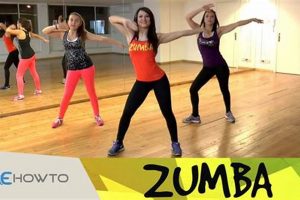
This interactive exercise program, designed for the Xbox 360 console, combines the energetic dance style of Zumba with the motion-sensing capabilities of the Kinect. It offers a home-based fitness solution where players mimic on-screen instructors to perform dance routines set to licensed music tracks. The experience simulates attending a Zumba class within the user’s living room.
The program provides a convenient and engaging way to exercise, particularly for individuals who may find traditional gym environments intimidating or inaccessible. It allows users to work out at their own pace and on their own schedule, contributing to improved cardiovascular health, coordination, and overall fitness levels. Furthermore, its release offered an early example of how gaming technology could be applied to promote physical activity and well-being within the home.
The following sections will delve into the gameplay mechanics, features, and the broader impact of this title within the fitness gaming landscape.
Essential Strategies for Optimal Engagement
Maximizing the effectiveness of motion-based fitness requires careful attention to setup and technique. The following guidelines aim to enhance the experience and promote safe, effective exercise.
Tip 1: Adequate Play Space: Ensure a sufficient clear area free of obstructions is available. The Kinect sensor requires adequate depth perception to accurately track movements. A minimum of six feet of open space between the player and the sensor is recommended.
Tip 2: Proper Sensor Calibration: Calibrate the Kinect sensor prior to each session. Accurate calibration ensures that movements are accurately registered, preventing frustration and maximizing the effectiveness of the workout. Follow the on-screen prompts carefully during the calibration process.
Tip 3: Realistic Expectations: Understand that mastering the routines requires practice. Initial attempts may feel awkward, but consistent effort will improve coordination and timing. Focus on replicating the instructor’s movements to the best of one’s ability, gradually increasing intensity as comfort levels increase.
Tip 4: Correct Posture and Form: Maintain proper posture and form throughout each routine. Engaging core muscles and maintaining a neutral spine will minimize the risk of injury. Pay close attention to the instructor’s cues regarding body alignment and positioning.
Tip 5: Gradual Progression: Begin with the introductory routines and gradually progress to more challenging levels. Avoid attempting advanced routines before mastering the basics. Gradual progression allows the body to adapt to the movements, reducing the risk of strain or injury.
Tip 6: Consistent Practice: Regular practice is key to achieving optimal results. Aim for at least three sessions per week to maintain consistency and improve fitness levels. Schedule these sessions into a weekly routine to ensure adherence.
Tip 7: Hydration and Nutrition: Maintain adequate hydration before, during, and after each session. Proper hydration supports optimal performance and reduces the risk of muscle cramps. Complement exercise with a balanced diet to fuel workouts and support recovery.
Adhering to these strategies will contribute to a more enjoyable and effective workout experience, maximizing the fitness benefits and minimizing the potential for injury.
The subsequent sections will explore additional features and benefits related to incorporating motion-based fitness into a lifestyle.
1. Kinect Integration

The functionality of “xbox 360 zumba fitness join the party” is intrinsically linked to the Kinect sensor. This integration forms the core of the interactive experience, translating physical movement into in-game actions and feedback.
- Motion Tracking Accuracy
The Kinect sensor’s ability to accurately track body movements is paramount. This accuracy directly impacts the player’s ability to follow the on-screen instructors and execute Zumba routines correctly. Inconsistent or inaccurate tracking hinders the experience, leading to frustration and reduced effectiveness of the workout. The sensor’s algorithms analyze joint positions and limb movements, translating them into corresponding actions within the game environment.
- Gesture Recognition
Beyond simple motion tracking, the Kinect must recognize specific gestures and postures associated with Zumba steps. Successful gesture recognition allows the game to provide real-time feedback on the player’s form, indicating whether the movements are being performed correctly. This immediate feedback loop is crucial for learning the routines and maximizing the fitness benefits.
- Real-Time Feedback
The Kinect provides continuous feedback on the player’s performance. This feedback can take various forms, including visual cues, scoring systems, and audio prompts. By providing real-time information on the accuracy and timing of movements, the Kinect helps players refine their technique and stay motivated. This interaction is vital for users.
- Spatial Awareness
The Kinect sensor’s spatial awareness capabilities allow it to map the player’s position within the physical environment. This spatial awareness is essential for preventing collisions with furniture or other objects, ensuring a safe and comfortable workout space. The sensor uses depth perception to create a three-dimensional model of the room, allowing it to track the player’s movements within the available space.
The Kinect integration is a critical component of “xbox 360 zumba fitness join the party,” shaping the gameplay experience and influencing the effectiveness of the fitness program. While improvements in motion-sensing technology have since emerged, this early implementation demonstrated the potential of interactive fitness within a home environment.
2. Rhythmic Exercise

Rhythmic exercise forms the functional core of “xbox 360 zumba fitness join the party”. The game leverages the inherent human response to musical rhythm to facilitate sustained physical activity. The structure of Zumba, and consequently the program, revolves around choreographed dance sequences synchronized with specific musical genres. This synchronization serves as a driver for consistent movement, enabling users to engage in extended periods of exercise with enhanced motivation. The incorporation of rhythmic elements influences adherence, transforming the experience from a structured workout into an engaging activity.
Consider a scenario where an individual finds difficulty maintaining a consistent exercise regimen due to boredom or lack of motivation. Integrating rhythmic movements through dance, as promoted within the program, can mitigate these challenges. The inherent enjoyment derived from music and dance enhances the overall experience, creating a more positive association with physical activity. The immediate feedback provided by the game, aligned with the rhythm, reinforces proper form and encourages continued participation. Moreover, the program offers a variety of musical styles and dance routines, catering to diverse preferences and preventing monotony.
In summary, rhythmic exercise is an indispensable component of the program’s effectiveness. It influences user engagement, promotes sustained physical activity, and enhances the overall exercise experience. The challenge lies in ensuring the rhythmic sequences are diverse and challenging enough to maintain long-term interest and progress while remaining accessible to a broad range of fitness levels.
3. Music Licensing

Music licensing represents a critical and often overlooked component in the functionality and marketability of “xbox 360 zumba fitness join the party”. The inclusion of recognizable and popular music tracks is essential for attracting consumers and enhancing the overall workout experience. Without proper licensing agreements, the program would be relegated to using generic, unappealing music, diminishing its commercial viability and potentially affecting user engagement. The agreements secure the rights to synchronize copyrighted musical works with the gameplay and distribute the resulting product. These arrangements compensate copyright holders (songwriters, publishers, and record labels) for the use of their intellectual property.
The selection of music directly impacts the perceived quality and enjoyment of the fitness program. Zumba’s appeal rests significantly on its use of vibrant Latin rhythms and contemporary pop music. For instance, if the game were to feature primarily classical music, it would likely fail to resonate with the target demographic seeking an energetic and dance-oriented workout. Examples of successful music licensing strategies include securing rights to chart-topping hits or partnering with emerging artists to expose their music to a wider audience. These decisions involve significant financial investment and legal negotiations, yet they are essential for maintaining a competitive edge in the fitness gaming market.
In conclusion, music licensing is not merely a procedural formality but a fundamental aspect of the game’s design and market strategy. The ability to secure rights to high-quality, engaging music directly correlates with the program’s appeal and commercial success. Challenges in this area include navigating complex copyright laws, managing licensing costs, and adapting to evolving musical tastes. The strategic management of music licensing is, therefore, crucial for the continued viability and popularity of interactive fitness products like “xbox 360 zumba fitness join the party.”
4. Home Fitness

The integration of “xbox 360 zumba fitness join the party” into the landscape of home fitness represented a significant shift in accessibility and engagement with exercise. The program offered a convenient alternative to traditional gym settings, addressing barriers such as time constraints, geographical limitations, and social anxieties. Its cause-and-effect relationship is evident: the growing demand for flexible workout options spurred the development and adoption of such interactive fitness programs. Home fitness is not merely a feature of the program but a core component, enabling users to exercise in a comfortable and familiar environment, potentially leading to increased adherence and long-term fitness habits.
An example of this impact can be seen in households where access to fitness facilities is limited. Individuals in rural areas or those with demanding work schedules could utilize the program to maintain a consistent workout routine. Furthermore, the program’s gamified approach and integration of popular music contributed to a more enjoyable experience, counteracting the perception of exercise as a chore. The programs structure allows users to work out at any time of day or night, providing flexibility that traditional fitness classes often lack. The practical significance of this understanding lies in recognizing the role of technology in democratizing access to fitness resources.
In conclusion, “xbox 360 zumba fitness join the party” demonstrated the potential of home fitness solutions to address accessibility issues and improve engagement. Its success highlighted the importance of convenience, flexibility, and enjoyment in promoting sustainable fitness habits. While challenges such as ensuring proper form and addressing potential technological limitations exist, the program served as a stepping stone in the evolution of interactive home fitness, linking entertainment and exercise in a meaningful way.
5. Dance Simulation
Dance simulation, as embodied by “xbox 360 zumba fitness join the party,” represents a fusion of interactive gaming and physical exercise. The program aims to replicate the experience of a live Zumba class within a virtual environment, relying on motion-sensing technology to translate user movements into on-screen actions. The effectiveness of this simulation hinges on several key factors, each contributing to the overall user experience and fitness outcome.
- Motion Capture Fidelity
The accuracy with which the Kinect sensor captures and interprets user movements is paramount. Discrepancies between the user’s actions and the on-screen representation can lead to frustration and diminish the perceived realism of the simulation. The system must effectively differentiate between intended dance steps and extraneous movements, translating complex human motion into quantifiable data. This fidelity directly impacts the user’s ability to follow the routines and achieve the intended fitness benefits.
- Visual and Auditory Synchronization
The synchronization of visual cues (on-screen instructors and graphics) with auditory feedback (music and verbal instructions) is crucial for creating an immersive and engaging experience. Lags or inconsistencies in this synchronization disrupt the flow of the dance simulation, making it difficult for users to maintain rhythm and follow the choreography. The system must process and display information in real-time, ensuring that the visual and auditory elements are perfectly aligned with the user’s movements.
- Feedback Mechanisms
Effective dance simulation requires robust feedback mechanisms to guide users and provide real-time assessments of their performance. This feedback can take various forms, including visual cues indicating proper form, scoring systems that reward accurate movements, and auditory prompts that correct errors. The goal is to create a learning environment where users can gradually improve their technique and achieve a sense of accomplishment. Lack of adequate feedback hinders the learning process and reduces the motivational impact of the simulation.
- Content Variety and Progression
To maintain long-term engagement, a successful dance simulation must offer a diverse range of routines, musical styles, and difficulty levels. Users should be able to progress gradually from beginner to advanced levels, mastering new steps and challenging their fitness capabilities. Repetitive or monotonous content can lead to boredom and decreased motivation. The program should provide a continuous stream of fresh material, ensuring that users remain engaged and challenged over time. This also means providing a range of licensed music tracks.
In essence, “xbox 360 zumba fitness join the party” operates as a dance simulation that seeks to bridge the gap between virtual entertainment and physical activity. The success of this endeavor depends on the careful integration of motion capture technology, visual and auditory synchronization, effective feedback mechanisms, and diverse content. While technological limitations may prevent it from perfectly replicating the experience of a live Zumba class, the program’s accessible nature and engaging gameplay have contributed to its popularity and its role in promoting home-based fitness.
6. Interactive Gameplay

Interactive gameplay serves as the central mechanism through which “xbox 360 zumba fitness join the party” delivers its fitness experience. The system’s response to user actions, feedback mechanisms, and the structure of the game itself define its interactive nature, impacting user engagement and the effectiveness of the workout.
- Motion-Based Control
The Kinect sensor translates physical movements into in-game actions, enabling users to control the on-screen avatar and follow the Zumba routines. Successful implementation requires accurate motion tracking and responsive controls, minimizing lag and ensuring that the virtual representation mirrors the user’s actions. Failure to achieve this level of responsiveness can lead to frustration and a diminished sense of immersion, hindering the interactive experience.
- Real-Time Feedback Systems
The game provides continuous feedback on the user’s performance, including visual cues indicating proper form, scoring systems that reward accurate movements, and auditory prompts that correct errors. This feedback loop is essential for learning the routines and maintaining motivation. Delays in feedback or inaccurate assessments can undermine the user’s understanding of the techniques and diminish the perceived value of the interactive experience.
- Choreography and Rhythm Integration
The game synchronizes the Zumba routines with licensed music tracks, creating an immersive and engaging workout experience. The interactive element lies in the user’s ability to follow the choreography and maintain the rhythm, guided by on-screen instructors and visual cues. A poorly designed or confusing choreography can disrupt the rhythm and diminish the enjoyment of the interactive gameplay.
- Progression and Customization
The game offers a variety of routines, difficulty levels, and customization options, allowing users to tailor the workout to their individual fitness levels and preferences. This element of control enhances the interactive experience, empowering users to personalize their workout and progress at their own pace. Lack of customization can lead to boredom and limit the long-term engagement of the interactive gameplay.
These facets of interactive gameplay combine to determine the effectiveness of “xbox 360 zumba fitness join the party” as a fitness tool. A well-designed interactive system can enhance engagement, improve motivation, and promote adherence to the workout routine. Conversely, flaws in the interactive design can detract from the experience and undermine its effectiveness. The game’s interactive gameplay is, therefore, a critical factor in its overall success.
7. Calorie Tracking

Calorie tracking, as implemented within “xbox 360 zumba fitness join the party,” represents a key feature designed to provide users with quantifiable data regarding their energy expenditure during workouts. This functionality attempts to bridge the gap between interactive entertainment and tangible fitness results, thereby enhancing the program’s appeal to individuals seeking to monitor and manage their caloric intake.
- Estimation Algorithms
The program employs algorithms to estimate calorie expenditure based on factors such as workout duration, intensity, and user-provided weight information. These algorithms, while not providing precise measurements comparable to laboratory-grade equipment, offer a general approximation of caloric burn. For example, a user inputting a weight of 150 pounds and participating in a 30-minute high-intensity routine might see an estimated calorie expenditure of 300-400 calories. The accuracy of these estimations, however, varies and should be viewed as indicative rather than definitive.
- Progress Monitoring
Calorie tracking allows users to monitor their progress over time, providing a visual representation of their cumulative caloric expenditure. This data can be used to identify trends, set goals, and track adherence to a fitness regimen. For instance, a user might observe a consistent weekly caloric burn of 1000-1500 calories, providing positive reinforcement and motivation to continue exercising. Progress monitoring serves as a feedback mechanism, encouraging sustained engagement with the program.
- Motivational Impact
The visibility of calorie data can have a significant motivational impact, particularly for individuals focused on weight management or fitness improvement. Seeing the estimated number of calories burned during a workout can provide a sense of accomplishment and encourage users to push themselves harder. For example, a user nearing a predefined calorie goal might be motivated to complete an additional routine or increase the intensity of their workout. Calorie tracking functions as a psychological tool, influencing behavior and promoting adherence to exercise goals.
- Integration with Fitness Goals
Calorie tracking facilitates the integration of “xbox 360 zumba fitness join the party” into broader fitness and dietary strategies. Users can utilize the estimated caloric expenditure data to adjust their dietary intake, creating a caloric deficit or surplus as needed to achieve their desired weight goals. This integration requires a comprehensive understanding of nutrition and exercise science, as calorie tracking alone does not guarantee successful weight management. However, it provides a valuable data point that can inform and support a holistic approach to fitness.
In summation, calorie tracking within “xbox 360 zumba fitness join the party” serves as a valuable, albeit imperfect, tool for estimating energy expenditure and promoting user engagement. While the estimations should not be considered definitive, they provide a means for monitoring progress, setting goals, and integrating the program into broader fitness strategies. The psychological and motivational impact of calorie tracking contributes to the program’s overall effectiveness as a home-based fitness solution.
Frequently Asked Questions
The following addresses common inquiries regarding the capabilities, limitations, and functionality of this interactive fitness program.
Question 1: Is the Kinect sensor required to operate “xbox 360 zumba fitness join the party”?
Yes, the Kinect sensor is mandatory. The program relies on the Kinect’s motion-sensing capabilities to track player movements and translate them into in-game actions. Without the Kinect, the program is rendered inoperable.
Question 2: Can this program be used on other Xbox consoles, such as the Xbox One or Xbox Series X/S?
No, the program is specifically designed for the Xbox 360 console. Compatibility with newer Xbox consoles is not supported.
Question 3: What is the accuracy of the calorie tracking feature?
The calorie tracking feature provides an estimation of caloric expenditure based on workout duration, intensity, and user-provided weight information. It should not be considered a precise measurement, as individual metabolic rates and other factors can influence actual caloric burn.
Question 4: Does the program offer customizable workout routines?
The program provides a variety of pre-set routines with varying difficulty levels. While extensive customization options may be limited, users can select routines based on their fitness level and preferences.
Question 5: What is the range of music genres included in the program?
The program features a selection of music tracks spanning Latin rhythms, international beats, and contemporary pop music. The specific selection varies depending on the version of the software.
Question 6: Does the program offer multiplayer functionality?
Some versions of the program support multiplayer functionality, allowing multiple players to participate in the Zumba routines simultaneously. However, this feature requires adequate play space and may be subject to limitations based on the Kinect sensor’s capabilities.
In summary, this program provides a convenient and engaging home-based fitness solution, but its functionality is contingent upon the Kinect sensor and is subject to the limitations of motion-sensing technology and estimation algorithms.
The subsequent sections will address potential troubleshooting issues and common technical difficulties encountered while utilizing the program.
Conclusion
This analysis explored the functionality of “xbox 360 zumba fitness join the party” as an interactive home fitness solution. Key aspects examined included Kinect integration, rhythmic exercise, music licensing, dance simulation, interactive gameplay, and calorie tracking. Each component contributes to the overall user experience, influencing engagement, adherence, and potential fitness outcomes.
While advancements in technology have since surpassed the capabilities of the Xbox 360 and its Kinect sensor, this program serves as a significant example of early attempts to merge gaming and fitness. Further research into interactive fitness technologies is warranted, and continued development in this area may lead to more effective and accessible methods of promoting physical activity.