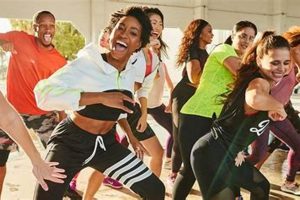
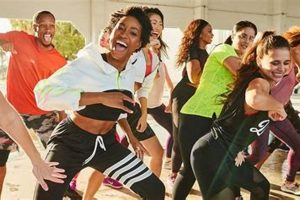
Achieving qualification to lead Zumba classes involves successfully completing a structured training program offered by Zumba Fitness, LLC. This process equips individuals with the foundational knowledge of Zumba’s core rhythms and moves, alongside the practical skills required to design and deliver safe and effective classes.
Gaining the capacity to instruct Zumba carries significant benefits. It provides an avenue for fitness professionals to expand their service offerings, allowing them to reach a broader clientele. Furthermore, it presents opportunities for personal and professional growth through continuous learning and engagement with the Zumba community. The Zumba program’s global presence creates potential for instructors to teach and connect with participants worldwide.
The subsequent sections will detail the specific steps, prerequisites, training options, and ongoing requirements for individuals aspiring to guide others in the Zumba fitness experience. This includes information on the various Zumba instructor trainings, licensing considerations, and resources available to support instructors throughout their careers.
Guidance for Aspiring Zumba Instructors
The journey toward becoming a qualified Zumba instructor demands dedication, preparation, and a thorough understanding of the program’s requirements. The following tips provide actionable insights to navigate this process effectively.
Tip 1: Establish a Solid Fitness Foundation: Prior experience in dance or group fitness is advantageous. Familiarity with basic fitness principles and movement patterns enhances the ability to learn and teach Zumba effectively. Consider taking group fitness classes or dance lessons prior to enrollment.
Tip 2: Research Available Training Programs: Zumba Fitness, LLC offers various training programs tailored to specific Zumba disciplines (e.g., Zumba Basic 1, Zumba Kids, Zumba Gold). Evaluate personal interests and target demographics to select the most appropriate training.
Tip 3: Prepare for the Training Intensive: Zumba instructor trainings are intensive and require active participation. Thoroughly review pre-training materials, arrive well-rested, and be prepared to engage fully in the practical exercises and theoretical components.
Tip 4: Master Core Rhythms and Steps: A deep understanding of Zumba’s foundational rhythms (e.g., Merengue, Salsa, Cumbia, Reggaeton) is crucial. Practice the basic steps and variations diligently to ensure accurate execution and effective instruction.
Tip 5: Focus on Cueing and Communication Skills: Clear and concise cueing is essential for guiding participants safely and effectively. Develop verbal and non-verbal communication skills to lead diverse groups and cater to varying fitness levels.
Tip 6: Obtain and Maintain Zumba Instructor Network (ZIN) Membership: ZIN membership provides access to valuable resources, including choreography, music, and marketing materials. Maintaining active ZIN membership demonstrates commitment and ensures access to the latest updates and program enhancements.
Tip 7: Prioritize Continuing Education: The fitness industry is dynamic. Ongoing professional development is crucial for staying current with best practices and expanding skill sets. Attend workshops, conferences, and specialized Zumba trainings to enhance expertise and credibility.
Adhering to these recommendations increases the likelihood of a successful transition into a fulfilling career as a Zumba instructor. Consistent effort and dedication to mastering the program will enable individuals to inspire and empower others through the joy of dance fitness.
The concluding section will consolidate the key information presented and offer a final perspective on the benefits of pursuing this career path.
1. Prerequisite Fitness Knowledge

Possessing a foundational understanding of fitness principles is integral to successfully completing Zumba instructor training and subsequently delivering safe and effective classes. This existing knowledge base allows aspiring instructors to grasp the nuances of Zumba choreography and adapt movements to accommodate varying fitness levels.
- Anatomical Awareness
A basic understanding of human anatomy and biomechanics allows instructors to recognize proper form and identify potential injury risks. This knowledge informs cueing and modifications, ensuring participant safety during high-intensity movements. For example, awareness of knee joint mechanics enables instructors to cue proper alignment during squats and lunges, minimizing the risk of injury.
- Exercise Physiology Fundamentals
Familiarity with exercise physiology concepts, such as heart rate zones, energy systems, and muscular adaptations, aids in structuring Zumba classes that meet the diverse needs of participants. Understanding how the body responds to different intensities of exercise allows instructors to modulate the class pace and intensity appropriately. Recognizing the physiological benefits of warm-up and cool-down routines allows for effective class design and delivery.
- Group Fitness Experience
Prior experience participating in or leading group fitness classes provides valuable insights into class management, participant motivation, and effective communication. Familiarity with common group fitness cues, transitions, and modifications allows instructors to adapt quickly to the dynamic environment of a Zumba class. Experience in other fitness formats, like aerobics or dance, often translates well to the fast-paced, rhythmic nature of Zumba.
- Basic First Aid and CPR Certification
Possessing current certifications in First Aid and CPR is paramount for handling medical emergencies that may arise during class. This knowledge equips instructors to respond appropriately to injuries, illnesses, or other health-related incidents. Knowing how to assess a situation, provide basic care, and contact emergency services is a critical responsibility for all fitness professionals, including Zumba instructors.
These facets of prerequisite fitness knowledge collectively contribute to a safer and more effective learning experience during Zumba instructor training and significantly enhance the quality of instruction delivered to participants. Prior exposure to these areas accelerates the learning curve and empowers aspiring instructors to focus on mastering the specific choreography and teaching techniques unique to the Zumba program.
2. Official Zumba Training

Acquiring certification to instruct Zumba mandates the successful completion of officially sanctioned training programs offered exclusively through Zumba Fitness, LLC. These trainings provide the core curriculum and practical skills necessary to lead Zumba classes, solidifying the essential link in the process.
- Zumba Basic 1 Training
This foundational course introduces aspiring instructors to the core Zumba formula, including the four basic rhythms: Merengue, Salsa, Cumbia, and Reggaeton. Participants learn the fundamental steps, basic choreography techniques, and how to construct a complete Zumba class. Successful completion of Zumba Basic 1 is typically a prerequisite for advancing to specialized Zumba programs. It is the initial step in the process.
- Specialty Zumba Trainings
Beyond the basic certification, Zumba Fitness, LLC offers a range of specialty trainings that focus on specific populations or fitness goals. These include Zumba Kids, Zumba Gold (for active older adults), Zumba Toning (incorporating resistance training), Aqua Zumba, and others. Each specialty training builds upon the foundational knowledge gained in Zumba Basic 1, providing instructors with the skills and knowledge to cater to diverse audiences. These specialized trainings directly impact marketability and the potential to reach a wider clientele.
- Zumba Instructor Network (ZIN) Membership
While not a training in itself, ZIN membership is a critical component of remaining a licensed and active Zumba instructor. Upon completing a Zumba training, individuals are strongly encouraged to join ZIN. This membership provides access to choreography, music, marketing materials, and ongoing support from Zumba Fitness, LLC. Active ZIN membership typically ensures compliance with licensing requirements and continuous access to updated resources, which are essential for delivering current and engaging classes.
- Continuing Education and Workshops
Zumba Fitness, LLC provides opportunities for instructors to participate in workshops and continuing education courses. These advanced training sessions allow instructors to deepen their knowledge of specific rhythms, refine their cueing techniques, and explore new choreography variations. Continuous professional development is vital for maintaining instructor competence and adapting to evolving fitness trends. Engaging in these opportunities demonstrates commitment and enhances expertise.
Official Zumba training, encompassing Basic 1, specialty programs, ZIN membership, and continuing education, represents the formal education and ongoing support system provided by Zumba Fitness, LLC. These elements are essential for attaining and sustaining the capability to lead authentic Zumba classes. The systematic structure ensures instructors maintain the program’s integrity and deliver a consistent experience to participants.
3. Mastering Core Rhythms

The aptitude to proficiently execute and instruct core rhythmic patterns constitutes a pivotal element in the trajectory toward Zumba instructor certification. Foundational rhythms underpin the Zumba program’s structure, dictating movement vocabulary and musicality. Without a solid understanding of these core rhythms, certification is unattainable and effective instruction is impossible.
- Merengue Proficiency
Merengue, a foundational rhythm in Zumba, demands precise execution of the characteristic two-beat step and associated arm movements. Mastery necessitates the ability to lead variations and cue transitions seamlessly. Real-world application involves adapting choreography to incorporate diverse Merengue styles and intensities, ensuring participant engagement. In the context of Zumba instructor certification, demonstrated competence in Merengue rhythm and instruction is rigorously evaluated.
- Salsa Articulation
Salsa rhythm in Zumba requires the accurate interpretation of the eight-count beat structure and the integration of appropriate footwork and body isolations. Instructors must be capable of differentiating between various Salsa styles (e.g., Cuban, Linear) and incorporating these distinctions into their routines. Practical application involves selecting Salsa music with varying tempos and stylistic nuances, challenging participants while maintaining accessibility. Certification protocols specifically assess the instructor’s ability to convey Salsa rhythm effectively and safely.
- Cumbia Interpretation
Cumbia, characterized by its distinctive side-to-side swaying motion and percussive elements, requires instructors to impart the rhythm’s essence accurately. Mastery involves incorporating variations in footwork and arm patterns while maintaining the core Cumbia feel. In practice, instructors utilize Cumbia music from diverse regions and eras, exposing participants to the rhythm’s rich cultural heritage. Certification criteria emphasize the instructor’s capacity to communicate the Cumbia rhythm in a clear and engaging manner.
- Reggaeton Command
Reggaeton, a rhythm known for its driving beat and dynamic movements, presents unique challenges for Zumba instructors. Proficiency demands the ability to execute high-energy steps and incorporate variations while maintaining precise timing and control. Effective application involves selecting Reggaeton music that aligns with participants’ fitness levels and preferences, ensuring a safe and enjoyable experience. The certification process scrutinizes the instructor’s skill in delivering Reggaeton rhythm with clarity, energy, and cultural sensitivity.
These core rhythms collectively form the bedrock of the Zumba program. Demonstrating proficiency in each rhythm is not merely a technical requirement but an essential indicator of an instructor’s ability to deliver authentic, engaging, and effective Zumba classes. The certification process is designed to ensure that all certified instructors possess this foundational rhythmic competence, upholding the integrity and quality of the Zumba experience.
4. Effective Cueing Skills

Effective cueing skills are intrinsically linked to the attainment of Zumba instructor certification. Certification evaluates not merely the ability to perform Zumba choreography but also the capacity to communicate effectively with class participants. Clear, concise, and timely cues are essential for guiding participants through movements, ensuring safety, and maintaining class flow. The absence of proficient cueing can lead to participant confusion, improper form, and potential injuries, making this a critical component of the certification process.
The Zumba instructor training curriculum emphasizes the development of both verbal and non-verbal cueing techniques. Verbal cues involve using precise language to describe upcoming movements, indicating changes in rhythm or direction, and providing encouragement. Non-verbal cues incorporate hand signals, facial expressions, and body language to visually communicate instructions and demonstrate proper form. The integration of both cueing modalities enhances the learning experience for participants with diverse learning styles. Practical application includes anticipating transitions and providing pre-cues several counts before the actual movement change, allowing participants time to prepare and execute the movement correctly. Furthermore, effective cueing involves adapting language and visual cues to accommodate different fitness levels and physical limitations within the class.
The ability to provide effective cues is a fundamental element that distinguishes a competent Zumba instructor from one who simply performs the choreography. The certification process assesses this skill through observation and practical demonstrations, ensuring that newly certified instructors possess the necessary tools to lead safe, effective, and engaging Zumba classes. Ultimately, proficiency in cueing is not only a certification requirement but also a key factor in fostering a positive and inclusive environment for all participants, thereby increasing class retention and overall program success.
5. ZIN Membership Benefits

The connection between Zumba Instructor Network (ZIN) membership benefits and the process to become a certified Zumba instructor is substantial. While ZIN membership is not strictly a prerequisite to obtaining initial certification, it is integral to maintaining active instructor status and leveraging the full potential of the certification. ZIN membership provides certified instructors with access to essential resources, impacting their ability to effectively lead Zumba classes and remain compliant with Zumba Fitness, LLC licensing requirements. Thus, understanding ZIN benefits is a key element in understanding the sustained path after initial certification is complete.
ZIN membership provides certified instructors with monthly access to pre-choreographed routines and music playlists, enabling them to deliver varied and engaging classes. These materials alleviate the burden of creating original choreography each month, ensuring instructors can focus on refining their teaching techniques and connecting with participants. Real-world examples include newly certified instructors who leverage ZIN choreography to build confidence and gain experience, and seasoned instructors who use the ZIN platform to refresh their routines and stay current with evolving Zumba trends. Furthermore, ZIN membership offers marketing materials and promotional tools, enabling instructors to effectively promote their classes and build a clientele. These resources are particularly valuable for independent instructors who may lack the resources of larger fitness organizations.
In conclusion, ZIN membership represents a crucial element for certified Zumba instructors seeking to sustain their careers, enhance their teaching skills, and comply with licensing requirements. While initial certification marks the beginning of the journey, ZIN membership provides the ongoing support and resources necessary to thrive in the competitive fitness market. Understanding the benefits of ZIN membership is vital for any individual considering the path to becoming a certified Zumba instructor, ensuring they are fully prepared for the responsibilities and opportunities that lie ahead.
6. Continuous Professional Development

Sustained competence in Zumba instruction hinges upon a commitment to continuous professional development. While initial certification provides foundational knowledge, the fitness landscape evolves, necessitating ongoing learning and skill refinement for maintaining relevance and effectiveness. This dedication to continuous improvement directly impacts an instructor’s long-term success and ability to deliver high-quality Zumba experiences.
- Advanced Zumba Trainings
Participation in advanced Zumba trainings offered by Zumba Fitness, LLC facilitates specialized skill development and exposure to new choreographic techniques. These trainings address specific populations or fitness goals, such as Zumba Toning or Zumba Gold. Expanding expertise through these opportunities enables instructors to cater to diverse clientele and enhance their marketability. The pursuit of advanced training reflects a dedication to growth beyond the initial certification.
- Industry Conferences and Workshops
Attendance at fitness industry conferences and workshops exposes instructors to broader trends in exercise science, group fitness instruction, and participant motivation. These events provide opportunities to learn from leading experts, network with other professionals, and gain insights into innovative training methodologies. Integrating new knowledge gained from these sources enhances teaching effectiveness and keeps instructors current with industry best practices. This proactive engagement demonstrates a commitment to excellence and adaptability.
- CPR/AED Recertification and First Aid Updates
Maintaining current certifications in CPR/AED and First Aid is paramount for ensuring participant safety. Regular recertification courses provide updated knowledge and skills in emergency response protocols, equipping instructors to handle medical situations effectively. Staying current with these certifications demonstrates a commitment to participant well-being and fulfills ethical obligations. This aspect of professional development underscores the instructor’s responsibility for creating a safe and supportive class environment.
- Self-Study and Research
Independent learning through reading scholarly articles, reviewing research findings, and exploring anatomy and physiology resources deepens understanding of the scientific principles underlying exercise and movement. This self-directed learning enhances an instructor’s ability to design safe and effective classes tailored to individual needs and fitness levels. Engaging in continuous self-study demonstrates a commitment to evidence-based practice and fosters a more comprehensive understanding of human movement.
In summary, continuous professional development constitutes an essential element in a Zumba instructor’s career. It extends beyond initial certification, encompassing advanced trainings, industry engagement, safety recertification, and independent learning. These multifaceted activities equip instructors with the knowledge, skills, and ethical awareness to deliver exceptional Zumba experiences, sustain their professional growth, and contribute to the well-being of their participants. The active pursuit of professional development distinguishes competent instructors from those content with merely meeting minimum requirements, ultimately elevating the standard of Zumba instruction.
Frequently Asked Questions
This section addresses common inquiries regarding the process of achieving Zumba instructor certification. The information provided aims to clarify requirements and dispel potential misconceptions.
Question 1: What are the minimum age and educational requirements to enroll in Zumba Basic 1 training?
The minimum age requirement for Zumba Basic 1 training is 16 years old. While a specific educational background is not mandated, a foundational understanding of fitness principles is highly recommended.
Question 2: Is prior dance experience necessary to become a certified Zumba instructor?
Prior dance experience is not a strict requirement but can be beneficial. Zumba utilizes basic steps from various dance styles, and familiarity with movement patterns can facilitate the learning process.
Question 3: How long does Zumba Basic 1 training typically last?
Zumba Basic 1 training generally spans one to two days, encompassing approximately 8-16 hours of instruction. The duration may vary slightly depending on the specific training location and instructor.
Question 4: What is the Zumba Instructor Network (ZIN), and is membership mandatory?
The Zumba Instructor Network (ZIN) is a membership program providing certified instructors with resources such as choreography, music, and marketing materials. While not mandatory for initial certification, ZIN membership is strongly recommended for maintaining active instructor status and accessing ongoing support.
Question 5: How frequently is recertification required for Zumba instructors?
Zumba instructors are required to maintain active ZIN membership to retain their license to teach Zumba classes. Continuous engagement with Zumba Fitness, LLC through ZIN membership ensures instructors remain updated on program changes and licensing compliance.
Question 6: What are the potential career opportunities for certified Zumba instructors?
Certified Zumba instructors can pursue diverse career paths, including teaching classes at fitness centers, community centers, dance studios, or independently. Opportunities may also exist for leading workshops, presenting at fitness events, or developing specialized Zumba programs.
The information presented in this FAQ section provides a concise overview of key aspects related to Zumba instructor certification. Prospective instructors are encouraged to consult the official Zumba Fitness, LLC website for comprehensive details and updates.
The succeeding section will conclude this article by summarizing key takeaways and offering a final perspective on the pursuit of Zumba instructor certification.
In Summary
The path to Zumba instructor certification involves strategically navigating a defined process. Key steps include acquiring foundational fitness knowledge, completing official Zumba training, mastering core rhythms, cultivating effective cueing skills, and understanding the benefits of ZIN membership. Continuous professional development remains essential for maintaining competence and delivering impactful classes. The attainment of certification signifies the beginning of a professional journey demanding dedication, skill, and a commitment to ongoing learning.
Aspiring instructors should carefully consider the demands and rewards associated with this career path. Success as a Zumba instructor requires not only technical proficiency but also a genuine passion for fitness and a dedication to empowering others. Those who successfully navigate the certification process and embrace ongoing professional development can contribute meaningfully to the health and well-being of their communities. The decision to pursue this path warrants careful evaluation of personal skills, professional goals, and a commitment to upholding the standards of the Zumba program.
![Best Zumba Instructor Resume Sample Guide | [Year] | The Ultimate Zumba Guide: Dance Your Way to a Healthier You](https://mamazumba.com/wp-content/uploads/2026/04/th-356-300x200.jpg "Best Zumba Instructor Resume Sample Guide | [Year] The Ultimate Zumba Guide: Dance Your Way to a Healthier You")
![Unlock Zumba Fun: Instructor Promo Codes [Deals] | The Ultimate Zumba Guide: Dance Your Way to a Healthier You](https://mamazumba.com/wp-content/uploads/2026/04/th-336-300x200.jpg "Unlock Zumba Fun: Instructor Promo Codes [Deals] The Ultimate Zumba Guide: Dance Your Way to a Healthier You")