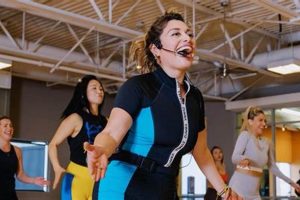
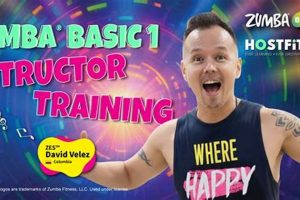
The path to leading Zumba classes involves acquiring the necessary skills, knowledge, and credentials. This pursuit often begins with a passion for dance fitness and a desire to motivate others through engaging rhythms and movements. Successful navigation of this process culminates in the ability to design and instruct safe and effective Zumba sessions.
Proficiency in this role offers numerous advantages, including the opportunity to promote healthy lifestyles within the community and build a fulfilling career centered around fitness and wellness. Its significance extends beyond personal enrichment, contributing to increased participation in physical activity and fostering a sense of camaraderie among participants. The evolution of this role reflects the increasing demand for diverse and enjoyable exercise programs.
The following sections will elaborate on the specific steps involved in achieving this goal, exploring the necessary certifications, training programs, and ongoing professional development required for success. These details will provide a comprehensive understanding of the requirements and opportunities associated with this career path.
Guidance for Aspiring Instructors
The following provides essential guidance for those considering a career in Zumba instruction. These points highlight crucial elements for success in this dynamic fitness field.
Tip 1: Obtain Foundational Certification: The initial step is to complete a Zumba Basic 1 instructor training course. This provides the fundamental knowledge of Zumba’s core rhythms and moves. This certification is often a prerequisite for further specialization.
Tip 2: Practice Regularly: Consistent practice of the Zumba routines and rhythms is crucial. Proficiency in performing the moves accurately and with energy allows for effective instruction and demonstration to class participants.
Tip 3: Develop Cueing Skills: Effective verbal and non-verbal cueing is essential for guiding participants through routines. Develop clear and concise cueing techniques to ensure participants understand and follow the choreography.
Tip 4: Cultivate a Positive Environment: An engaging and supportive class atmosphere is vital. The instructor should foster a sense of fun and encouragement, making the experience enjoyable for participants of all fitness levels.
Tip 5: Continuously Expand Knowledge: The Zumba program offers various specialized courses, such as Zumba Gold, Zumba Toning, and Aqua Zumba. Pursuing these certifications broadens instructional capabilities and caters to diverse fitness interests.
Tip 6: Maintain Professionalism: Adhering to ethical standards and professional conduct is paramount. This includes arriving prepared for classes, respecting participant boundaries, and prioritizing safety during instruction.
Tip 7: Secure Liability Insurance: Obtaining liability insurance is a crucial step to protect against potential legal claims arising from injuries or incidents during Zumba classes. This provides financial security and professional peace of mind.
The ability to effectively guide and motivate participants, combined with a commitment to ongoing professional development, significantly increases the potential for a rewarding and successful career as a Zumba instructor.
The next section will discuss the importance of continuing education and networking opportunities within the Zumba instructor community.
1. Certification Requirement

The necessity of certification constitutes a fundamental aspect of the journey to instruct Zumba classes. This prerequisite ensures a baseline of competency and knowledge, protecting both instructors and participants.
- Zumba Basic 1 Certification
The initial step towards qualification mandates completion of the Zumba Basic 1 course. This training provides foundational knowledge of Zumba’s core rhythms, basic steps, and instructional techniques. Successful completion demonstrates an understanding of fundamental Zumba principles, a prerequisite for teaching classes and obtaining insurance.
- Active Zumba Instructor Membership
Maintaining an active Zumba Instructor Network (ZIN) membership typically requires ongoing payment of membership fees and adherence to specific terms and conditions set by Zumba Fitness, LLC. This active status often provides access to updated choreography, marketing resources, and professional development opportunities, crucial for staying current with Zumba trends and techniques. This also helps assure students that the instructor is both qualified and authorized to teach Zumba classes.
- CPR/AED Certification
Holding current certifications in Cardiopulmonary Resuscitation (CPR) and Automated External Defibrillator (AED) use is strongly recommended, and often required by fitness facilities, for Zumba instructors. This equips instructors with the skills to respond effectively to medical emergencies that may arise during classes, prioritizing the safety and well-being of participants.
- Liability Insurance Coverage
Acquiring professional liability insurance provides financial protection against potential legal claims stemming from injuries or incidents during Zumba classes. This coverage safeguards instructors from financial losses associated with lawsuits and ensures that participants have recourse in the event of injury. Without it, instructors are exposed to a significant level of financial risk.
The acquisition and maintenance of relevant certifications are non-negotiable aspects of becoming a qualified Zumba instructor. These credentials not only validate competence but also contribute to the safety, credibility, and professional standing within the Zumba community. Failure to meet these requirements may result in inability to legally teach Zumba, as well as increased personal and professional liability.
2. Choreography Proficiency

Choreography proficiency serves as a cornerstone in the development of a competent Zumba instructor. The ability to accurately and dynamically execute Zumba routines directly influences the effectiveness of instruction and the engagement of participants. Competent choreography ensures that movements are performed safely and effectively, minimizing the risk of injury and maximizing the fitness benefits derived from the class. For instance, an instructor with poor choreography understanding may improperly demonstrate steps, leading participants to adopt incorrect forms, potentially resulting in strain or injury.
The skill to modify and adapt choreography to accommodate varying fitness levels and physical limitations further highlights the practical importance of mastery in this area. An instructor encountering participants with mobility issues, for example, must possess the knowledge to alter steps or offer alternative movements that maintain the integrity of the Zumba routine while ensuring inclusivity. In cases where an instructor struggles with the choreography, class participants can become discouraged, leading to decreased attendance and overall dissatisfaction with the fitness program. Furthermore, proficiency allows for a dynamic and energetic presentation, keeping participants motivated and fostering a positive class environment, enhancing their experience and adherence to the routine.
In summary, choreography proficiency is inextricably linked to the success of Zumba instruction. It provides the foundation for safe and effective classes, fosters inclusivity through modification, and contributes significantly to participant engagement and motivation. The lack of this skill can lead to injury, discouragement, and ultimately, a failure to effectively impart the benefits of the Zumba program. Therefore, aspiring instructors must prioritize dedicated practice and training to cultivate this essential component of successful Zumba leadership.
3. Effective Cueing

Effective cueing is a vital skill for individuals seeking to lead Zumba classes. Its proficiency significantly impacts participants’ understanding of the choreography and overall engagement in the fitness routine. Clear and timely cues allow participants to follow the instructor’s lead, ensuring safety and maximizing the benefits of the Zumba workout.
- Verbal Cueing: Anticipatory Calls
Verbal cueing involves the use of spoken words to prepare participants for upcoming movements. An example includes stating “Next, we’ll switch to a salsa step” several beats before the actual transition. This anticipatory call allows participants to mentally and physically prepare, leading to smoother transitions and reduced confusion. In the absence of effective verbal cues, participants may struggle to follow the routines, resulting in frustration and potential injury. When individuals aspire to instruct, they must train their verbal cueing so that participants can follow them effectively during complex routines.
- Non-Verbal Cueing: Visual Demonstration
Non-verbal cueing encompasses the use of gestures, facial expressions, and body language to guide participants. Demonstrating the next move while simultaneously performing the current one provides a visual reference for participants. This is particularly crucial for visual learners and individuals unfamiliar with Zumba terminology. Visual cueing can compensate for a lack of verbal clarity; however, effective instructors rely on both verbal and non-verbal forms. For example, pointing in the direction of the next movement signals the upcoming step. Successful Zumba instructors will often employ non-verbal cues to accommodate various learning styles.
- Rhythmic Cueing: Beat Matching
Rhythmic cueing involves aligning vocal cues and movements with the underlying beat of the music. Speaking or demonstrating actions in sync with the rhythm enhances participants’ understanding of the choreography and promotes a sense of coordination. Clapping on the beat, for instance, reinforces the rhythm and assists participants in maintaining tempo. This is especially helpful in Zumba classes, where multiple dance styles are featured, and rhythmic patterns can vary. Thus, it is critical to have beat matching in all of their rhythms.
- Progressive Cueing: Building Complexity
Progressive cueing refers to a method of introducing choreography in manageable increments, gradually increasing the complexity of the steps. An instructor would begin by demonstrating a simple variation of a routine before adding layers of complexity. This approach caters to a range of fitness levels and minimizes feelings of intimidation, making the class accessible to beginners. In other words, this approach of progressive cueing will help the participants build from simple routines to complex routines.
The skillful application of verbal, non-verbal, rhythmic, and progressive cueing techniques significantly contributes to the efficacy of Zumba instruction. The ability to clearly communicate movements, anticipate transitions, and adapt choreography to diverse fitness levels is essential for aspiring Zumba instructors. Mastering these skills is key to creating engaging and inclusive class environments, and ultimately promoting the benefits of Zumba to a wider audience. Therefore, all of these cueing skills are paramount for participants to follow the instructions of instructor.
4. Class Management

Effective class management is indispensable for individuals aspiring to lead Zumba sessions. This encompasses the instructor’s capacity to organize, control, and maintain a safe and conducive environment for all participants. Poor class management can lead to disorganization, participant injuries, and a diminished overall experience, directly impacting the effectiveness and appeal of the Zumba program.
The application of proactive strategies minimizes potential disruptions and enhances participant engagement. One example is pre-class preparation, which includes setting up the sound system, ensuring adequate space, and addressing any equipment needs. During the class, monitoring participants’ form and providing individual corrections minimizes the risk of injury. An instructor’s ability to manage time effectively, ensuring all segments of the Zumba routine are completed within the allotted timeframe, also contributes to a well-structured and satisfying class experience. Addressing conflicts promptly and professionally, should they arise, demonstrates the instructors commitment to maintaining a positive and respectful atmosphere. Another example would be crowd control or ensuring enough space between participants. This ensures the routine can be done safely. Finally, providing modifications for diverse fitness levels makes the class inclusive. A successful class management shows successful potential to become a zumba instructor.
In conclusion, competent class management is inextricably linked to the ability to successfully instruct Zumba. It provides a secure, organized, and enjoyable setting that optimizes the benefits of the program and fosters participant satisfaction. Aspiring instructors should therefore prioritize the development of these skills to ensure they can create positive and impactful Zumba experiences, thereby establishing themselves as capable and sought-after leaders in this fitness discipline.
5. Music Interpretation

Music interpretation constitutes a fundamental competency for prospective Zumba instructors. It involves the capacity to discern the nuances of musical pieces, translating rhythms and tempos into appropriate movements and sequences. Proficiency in this area directly influences the quality of instruction and the overall participant experience.
- Rhythm Recognition and Translation
The ability to accurately identify rhythmic patterns within a musical piece allows the instructor to select and execute corresponding dance steps that align with the music’s beat. For example, recognizing a Cumbia rhythm enables the instructor to seamlessly integrate the Cumbia basic step into the class routine. In contrast, an instructor lacking this skill might struggle to match movements appropriately, leading to disjointed or ineffective instruction.
- Tempo Awareness and Adjustment
Tempo, or the speed of the music, dictates the intensity and pace of the Zumba class. Skilled instructors can adapt choreography to suit varying tempos, ensuring that the workout remains both challenging and accessible to participants of diverse fitness levels. The capacity to slow down a complex routine for beginners or increase the tempo for advanced participants highlights the importance of tempo awareness.
- Genre Versatility and Application
Zumba incorporates a wide range of musical genres, including Latin, pop, hip-hop, and international rhythms. Instructors should possess familiarity with these diverse styles to effectively select appropriate music and choreograph routines that capture the essence of each genre. For example, incorporating merengue steps into a merengue track or Bollywood moves into a Bollywood song ensures authenticity and enhances participant engagement.
- Emotional Connection and Expression
Music serves as a powerful tool for emotional expression in Zumba. Competent instructors can convey the feeling and energy of a musical piece through their movements, creating an immersive and motivating class experience. For example, an instructor might use exaggerated hip movements during a salsa track to communicate the passion and intensity of the music. A lack of emotional connection can result in a flat or uninspired presentation, diminishing the overall impact of the class.
The facets of rhythm recognition, tempo awareness, genre versatility, and emotional connection collectively underscore the critical role of music interpretation in effective Zumba instruction. Mastering these skills empowers instructors to deliver engaging, authentic, and impactful class experiences, promoting both fitness and enjoyment among participants.
6. Fitness Knowledge
Possessing a solid foundation in fitness knowledge is paramount for any individual aspiring to instruct Zumba classes. This understanding extends beyond simply knowing the dance steps; it encompasses a broader understanding of human anatomy, exercise physiology, and safe training practices. The absence of adequate fitness knowledge can lead to ineffective or even harmful instruction, potentially resulting in participant injuries or a failure to achieve desired fitness outcomes. For example, lacking an understanding of proper biomechanics may cause an instructor to demonstrate incorrect form, leading participants to perform exercises in ways that strain joints and muscles. Similarly, a limited understanding of cardiovascular physiology could result in designing classes that are either too intense or not challenging enough for the target audience.
The practical application of fitness knowledge allows for informed decision-making in class design and modification. An instructor with this understanding can adapt routines to accommodate participants with varying fitness levels or physical limitations, ensuring inclusivity and minimizing the risk of injury. This might involve offering low-impact alternatives, modifying exercises to reduce stress on specific joints, or providing guidance on proper breathing techniques. Fitness knowledge also empowers instructors to answer participant questions accurately and provide informed advice on related health and wellness topics, thereby enhancing their credibility and building trust. Understanding nutrition, for instance, allows the instructor to offer generalized advice that reinforces the benefits of physical activity.
In summary, fitness knowledge is not merely an optional supplement but an essential component for prospective Zumba instructors. It ensures the safety and effectiveness of classes, allows for informed adaptation to diverse participant needs, and enhances instructor credibility. The commitment to acquiring and maintaining a robust understanding of fitness principles represents a crucial investment in both professional development and the well-being of class participants. Challenges include the need for continuous learning to stay abreast of evolving fitness research and best practices, as well as the importance of translating complex scientific concepts into accessible and practical guidance for participants.
Frequently Asked Questions Regarding Zumba Instructor Qualification
The following addresses common inquiries concerning the necessary steps and prerequisites for individuals seeking to become qualified Zumba instructors. The information provided aims to clarify aspects of training, certification, and professional development.
Question 1: What initial certification is required to instruct Zumba classes?
The Zumba Basic 1 Instructor Training course serves as the foundational requirement. Successful completion of this course demonstrates an understanding of the core Zumba rhythms, basic steps, and fundamental teaching techniques.
Question 2: Is ongoing membership necessary for Zumba instructors?
Active membership in the Zumba Instructor Network (ZIN) is often required to access updated choreography, marketing resources, and ongoing professional development opportunities. Continued membership may necessitate recurring fees and adherence to specific terms of service.
Question 3: Is CPR/AED certification a mandatory prerequisite?
Certification in Cardiopulmonary Resuscitation (CPR) and Automated External Defibrillator (AED) use is strongly recommended and frequently mandated by fitness facilities as a condition of employment or affiliation.
Question 4: Why is professional liability insurance necessary for Zumba instructors?
Liability insurance provides financial protection against potential legal claims arising from injuries or incidents during Zumba classes. This safeguards instructors from financial losses associated with lawsuits.
Question 5: What are the key components of effective cueing in Zumba instruction?
Effective cueing encompasses verbal cues, non-verbal demonstrations, rhythmic alignment, and progressive introduction of choreography. These techniques guide participants through routines, ensuring comprehension and safety.
Question 6: What is the significance of possessing general fitness knowledge beyond Zumba-specific training?
A foundation in fitness principles, including anatomy, physiology, and safe training practices, enables instructors to modify routines, accommodate diverse fitness levels, and provide informed advice to participants.
In summation, the acquisition of foundational certification, ongoing professional development, adherence to safety standards, and cultivation of effective instructional techniques are crucial for individuals pursuing a career in Zumba instruction.
The subsequent article sections will explore advanced training opportunities and strategies for building a successful Zumba instruction career.
Becoming a Zumba Instructor
The preceding exploration has detailed critical elements in the process to become a Zumba instructor. From foundational certification and ongoing membership requirements to the necessity of CPR/AED certification and liability insurance, the multifaceted nature of preparation is apparent. Proficiency in choreography, effective cueing techniques, comprehensive class management skills, adept music interpretation, and a solid base of fitness knowledge are all indispensable components of competent Zumba instruction.
Aspiring individuals must recognize the commitment to professional development, safety, and effective pedagogy inherent in this pursuit. Success hinges not merely on enthusiasm for dance fitness, but on dedicated acquisition of the skills and knowledge necessary to lead safe, engaging, and impactful Zumba classes. The decision to pursue this path should be informed by a thorough understanding of these requirements and a sincere dedication to the well-being of prospective participants.