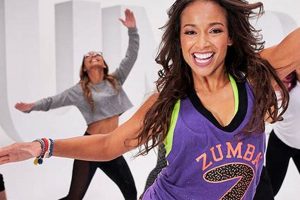
The necessity of liability protection for fitness professionals, particularly those leading dance-based exercise classes, is a crucial consideration. This safeguarding measure protects against potential financial repercussions arising from injuries sustained by participants during class sessions. For example, if a participant were to slip and fall, resulting in a broken bone, this coverage could assist with medical expenses and legal fees.
Securing adequate coverage offers substantial advantages, mitigating financial risks associated with unforeseen incidents and bolstering professional credibility. This proactive approach provides a safety net, ensuring the instructor is shielded from potentially devastating legal claims. The prevalence of such protection has grown alongside the increasing popularity of group fitness activities, reflecting a heightened awareness of potential liabilities within the industry.
The following sections will explore specific types of protection relevant to these fitness professionals, factors influencing coverage costs, and strategies for obtaining appropriate and affordable safeguards.
Essential Guidance for Zumba Instructors Regarding Liability Safeguards
The following guidelines are designed to assist Zumba instructors in making informed decisions about securing adequate liability protection. These recommendations address crucial considerations for mitigating potential financial and legal risks.
Tip 1: Assess Liability Exposure: Thoroughly evaluate potential risks associated with instruction, including participant injuries, equipment malfunctions, and venue hazards. A comprehensive risk assessment informs the appropriate level of coverage needed.
Tip 2: Understand Coverage Types: Familiarize oneself with various types of protection, such as general liability, professional liability (also known as errors and omissions), and accident medical coverage. Each type addresses specific risks and offers distinct benefits.
Tip 3: Verify Policy Inclusions and Exclusions: Carefully review the policy document to understand precisely what is covered and what is excluded. Pay close attention to exclusions related to specific injuries, activities, or locations.
Tip 4: Maintain Current Certification and Training: Ensure all certifications and training credentials are up-to-date. Many policies require current certification as a condition of coverage. Maintaining proper qualifications also minimizes the risk of negligence claims.
Tip 5: Document Safety Procedures: Implement and document comprehensive safety procedures, including participant waivers, pre-class health screenings, and emergency protocols. Maintaining thorough records can be valuable in defending against potential claims.
Tip 6: Compare Quotes from Multiple Providers: Obtain quotes from several reputable providers to compare coverage options and pricing. Consider factors such as policy limits, deductibles, and customer service reputation.
Tip 7: Consult with an Insurance Professional: Seek guidance from an experienced agent or broker who specializes in fitness industry safeguards. A professional can provide tailored advice and assist in selecting the most appropriate coverage.
Adhering to these recommendations can significantly reduce potential financial vulnerabilities and provide peace of mind. By prioritizing risk management and securing appropriate safeguards, instructors can focus on providing quality fitness experiences.
The subsequent section will address common misconceptions regarding the financial safeguards for Zumba instructors, providing clarity and dispelling potentially harmful misinformation.
1. Liability protection necessity

The inherent risks associated with physical activity underscore the critical importance of liability protection for Zumba instructors. The potential for participant injury necessitates a proactive approach to safeguarding against financial repercussions stemming from unforeseen incidents. This establishes a direct link to the question of whether such professionals require safeguarding measures.
- Risk of Participant Injury
Zumba classes involve vigorous movements and complex choreography, increasing the potential for strains, sprains, and other injuries. Instructors must be prepared for incidents such as falls, collisions, or injuries resulting from improper form. This underscores the importance of liability measures to cover potential medical expenses and legal claims.
- Exposure to Negligence Claims
Instructors may face negligence claims if their actions, or lack thereof, contribute to participant injuries. This can include inadequate supervision, failure to provide proper instruction, or unsafe class environments. Measures offer a defense against such claims, mitigating financial losses and protecting professional standing.
- Contractual Obligations with Venues
Many gyms, studios, and recreational facilities require instructors to maintain liability protection as a condition of using their premises. These contractual obligations protect the venues from potential liability arising from instructor-led activities. Fulfillment of these obligations necessitates securing adequate protection.
- Legal and Financial Consequences
Without appropriate measures, instructors may be personally liable for damages resulting from participant injuries. This can lead to significant financial strain, including medical expenses, legal fees, and settlement costs. Securing measures is a proactive step toward protecting personal assets and financial stability.
The facets detailed above illustrate why the inquiry into coverage is not merely a suggestion, but a critical consideration. The interconnectedness of participant safety, legal exposure, and contractual obligations solidifies the necessity of safeguards for Zumba instructors. Understanding the potential financial and legal implications of operating without such measures reinforces its vital role in ensuring professional longevity and security.
2. Participant injury risks
Participant injury risks represent a primary driver behind the need for liability protection within the Zumba instruction profession. The potential for injuries, ranging from minor sprains to more severe incidents, creates a direct link to the necessity of safeguards. These risks manifest due to the physically demanding nature of Zumba, which combines aerobic exercise with dance movements, potentially challenging participants with varying fitness levels and coordination. A participant with pre-existing joint issues, for example, could exacerbate a condition during a high-impact routine, leading to a claim against the instructor or facility. Safeguards mitigate the financial impact of such claims, covering legal expenses and potential settlements. In essence, the higher the risk of participant injury, the greater the imperative for adequate financial protection.
The practical significance of understanding this connection extends to informed decision-making regarding the appropriate level of coverage. Instructors who acknowledge the inherent risks within their classes can proactively select policies that offer sufficient protection against potential liabilities. For instance, an instructor teaching a class with a high proportion of elderly participants or those with known physical limitations might opt for a policy with higher coverage limits. Furthermore, this awareness prompts the implementation of risk management strategies, such as thorough pre-class screenings, clear instruction, and modifications for individuals with specific needs. These preventative measures, coupled with appropriate safeguards, contribute to a safer class environment and reduce the likelihood of claims.
In summary, participant injury risks are not merely a theoretical concern; they are a tangible factor that directly influences the necessity for liability measures in the Zumba instruction field. The acknowledgment and understanding of these risks enable instructors to make informed decisions about coverage levels, implement effective risk management strategies, and ultimately protect themselves and their participants. This approach ensures a safer and more secure environment for all involved, while safeguarding against potential financial burdens arising from unforeseen incidents.
3. Financial vulnerability mitigation

The capacity to mitigate financial vulnerability represents a fundamental advantage derived from securing appropriate safeguarding measures. The potential for legal claims arising from participant injuries or other unforeseen incidents poses a significant threat to an instructor’s financial stability. Without adequate protection, the instructor may be personally liable for medical expenses, legal fees, and potential settlements, potentially leading to substantial debt or even bankruptcy. Safeguards function as a safety net, absorbing these costs and protecting personal assets from liquidation. For example, if a participant sustains a severe injury during a class and subsequently sues the instructor, the protection policy would cover legal defense costs and any resulting settlement, preventing the instructor from incurring overwhelming financial burdens.
The proactive management of financial vulnerability extends beyond simply covering potential liabilities. It also allows the instructor to operate with greater confidence and peace of mind, fostering a more positive and focused teaching environment. Instructors burdened by the constant worry of potential lawsuits may be less effective and engaging, potentially impacting the quality of their classes. By transferring the risk to an insurer, instructors can concentrate on their core responsibilities, delivering high-quality instruction and building a successful business. This, in turn, can lead to increased enrollment and revenue, further strengthening financial stability. Furthermore, some venues or employers may require instructors to demonstrate their ability to mitigate financial risk through appropriate coverage as a condition of employment or access to facilities.
In summary, financial vulnerability mitigation is a key benefit associated with having safeguards. It not only provides a financial safety net in the event of a claim but also fosters a more secure and confident professional environment. By transferring the risk of potential liabilities, instructors can focus on their core responsibilities, enhance their business operations, and meet the requirements of employers or venues. This proactive approach not only protects against potential financial ruin but also contributes to long-term professional success and sustainability.
4. Professional reputation safeguard
The maintenance of a positive professional reputation is inextricably linked to the necessity of possessing adequate protection. Allegations of negligence or responsibility for participant injury, irrespective of their validity, can inflict significant damage on an instructor’s standing within the fitness community. The ability to demonstrate proactive risk management through the possession of appropriate safeguards serves as a crucial element in mitigating potential reputational harm. For example, should an incident occur, the instructor’s capacity to promptly address the situation through documented safety protocols and readily available safeguards demonstrates professionalism and responsibility, potentially diminishing negative perceptions.
The practical application of this connection extends to client acquisition and retention. Prospective participants are more likely to engage with instructors who prioritize safety and demonstrate a commitment to professional standards. Instructors can leverage the presence of safeguards as a marketing tool, highlighting their dedication to responsible practice and participant well-being. This proactive approach can differentiate instructors from competitors and foster a sense of trust and confidence among clients. Furthermore, many facilities and organizations require instructors to maintain coverage as a prerequisite for affiliation, thereby serving as an implicit endorsement of professional credibility.
In summary, the possession of adequate protection is not merely a financial safeguard but also a critical component in preserving professional reputation. Demonstrating proactive risk management through appropriate safeguards enhances credibility, fosters client trust, and facilitates access to professional opportunities. By prioritizing the protection of their reputation, instructors can build a sustainable and successful career within the fitness industry.
5. Contractual requirements often

The prevalence of contractual stipulations demanding liability protection significantly influences the question of whether fitness professionals should secure coverage. These requirements, frequently imposed by gyms, studios, and other facilities, underscore the practical necessity for instructors to obtain and maintain adequate safeguarding measures. The following outlines key facets of these contractual obligations.
- Facility Risk Mitigation
Venues often require instructors to carry coverage to mitigate their own potential liability. In the event of a participant injury during a class, the facility aims to avoid being held solely responsible for damages. By mandating instructor safeguarding measures, the facility transfers a portion of the risk, ensuring that the instructor’s policy will be the primary source of compensation for claims.
- Standard Operating Procedure
Many national fitness chains and independent studios incorporate safeguard requirements into their standard operating procedures. These stipulations are frequently outlined in instructor contracts, outlining the minimum coverage levels and types required. Failure to comply with these contractual terms can result in the termination of the instructor’s agreement.
- Proof of Coverage Verification
Facilities commonly require instructors to provide proof of coverage, such as a certificate of safeguard, before commencing classes. This verification process ensures that instructors have active and valid policies in place, providing a tangible assurance of financial responsibility. Regular updates and renewals of these certificates are often mandated to maintain compliance.
- Negotiation Leverage
While some facilities impose strict safeguard mandates, others may be open to negotiation regarding coverage levels or types. Instructors with extensive experience or specialized skills may be able to negotiate more favorable terms, potentially reducing their safeguard costs. However, it is essential to ensure that any negotiated agreement adequately protects against potential liabilities.
The prevalence of contractual obligations mandating liability protection serves as a compelling argument for its necessity within the fitness instruction profession. These requirements, driven by facility risk mitigation strategies and standard operating procedures, underscore the practical implications of failing to secure adequate safeguards. Compliance with these contractual terms is often essential for instructors to maintain their professional standing and access teaching opportunities.
6. Location necessitates insurance

The location where instruction takes place exerts a direct influence on the need for liability protection. Varied venues, ranging from dedicated fitness studios to community centers and private residences, present distinct levels of risk and contractual obligations, thereby shaping the imperative for instructors to obtain safeguarding measures. A Zumba instructor operating in a professionally managed studio, for example, may be subject to stringent safeguard requirements dictated by the facility’s insurance policies and lease agreements. Conversely, an instructor teaching in a less formal setting, such as a public park, may face fewer explicit mandates but still bears responsibility for participant safety, making coverage a prudent risk management strategy. The physical characteristics of the location, including floor surfaces, equipment conditions, and accessibility, also contribute to the overall risk profile and the corresponding need for adequate safeguarding measures.
Real-world examples further illustrate this connection. An instructor conducting classes at a gym with a history of equipment malfunctions may face increased scrutiny in the event of a participant injury, potentially amplifying their liability exposure. Conversely, an instructor teaching in a well-maintained community center with established safety protocols may encounter lower levels of risk, but the potential for unforeseen incidents remains. Furthermore, local regulations and ordinances may impose specific safeguard requirements on businesses operating within a particular jurisdiction, further reinforcing the importance of considering location-specific factors when assessing safeguarding needs. These examples highlight the diverse factors that contribute to the location’s influence on the overall requirement for safeguarding measures.
In summary, the location is a significant determinant of the necessity for instructors to secure safeguards. Factors such as venue requirements, physical characteristics, and local regulations contribute to the overall risk profile and shape the instructor’s need for financial protection. Recognizing this connection enables instructors to make informed decisions about coverage levels and implement appropriate risk management strategies, ensuring a safer and more secure teaching environment. Failing to consider location-specific factors can result in inadequate protection and potential exposure to significant financial liabilities, underscoring the importance of a comprehensive risk assessment that accounts for the unique characteristics of each teaching venue.
Frequently Asked Questions
The following questions and answers address common inquiries and concerns regarding the necessity and nature of liability protection for Zumba instructors.
Question 1: Why is liability protection considered essential for Zumba instructors?
Liability protection provides financial recourse in the event of participant injury. Class activities inherently involve physical risks, and instructors can be held liable for damages resulting from negligence or unforeseen incidents.
Question 2: What types of safeguards are generally recommended for instructors?
General liability protection is a standard recommendation, covering bodily injury and property damage claims. Professional liability, also known as errors and omissions coverage, protects against claims of negligence in professional services. Accident medical coverage assists with medical expenses for injured participants, regardless of fault.
Question 3: If an instructor is employed by a gym or studio, is individual liability coverage still necessary?
While employer-provided coverage may exist, it is prudent for instructors to maintain their own individual policies. Employer coverage may have limitations or exclusions, and the instructor’s personal assets could still be at risk in the event of a lawsuit.
Question 4: What factors influence the cost of safeguarding measures?
Several factors affect safeguard costs, including coverage limits, deductible amounts, the instructor’s experience level, the number of classes taught, and the location of instruction. Policies with higher coverage limits and lower deductibles typically result in higher premiums.
Question 5: How can instructors obtain affordable liability safeguard options?
Instructors can explore various strategies to reduce safeguard costs, such as comparing quotes from multiple providers, increasing deductible amounts, and joining professional fitness organizations that offer discounted rates. Maintaining current certifications and adhering to safety best practices can also demonstrate lower risk to insurers.
Question 6: What steps should instructors take if a participant is injured during a class?
If a participant sustains an injury, the instructor should immediately provide first aid and document the incident thoroughly. The instructor should also notify their safeguarding provider as soon as possible, providing all relevant details and documentation. Legal counsel may also be advisable.
The information presented in these FAQs provides a foundational understanding of liability considerations for Zumba instructors. Consulting with a qualified insurance professional is essential for obtaining personalized advice and selecting appropriate safeguards.
The subsequent section will offer a concise summary of key considerations and actionable steps for Zumba instructors seeking adequate safeguards.
Concluding Remarks on Safeguarding Measures for Zumba Instructors
This discourse has elucidated the critical necessity surrounding liability protection within the Zumba instruction domain. The confluence of potential participant injuries, the imperative to mitigate financial vulnerabilities, the safeguarding of professional reputation, frequent contractual mandates, and the influence of instructional location collectively reinforces the importance of adequate safeguards. This detailed exploration of “do Zumba instructors need insurance” highlights that instructors must acknowledge the potential for financial and legal ramifications arising from their professional activities.
Therefore, proactive engagement with safeguarding measures is not merely advisable, but a fundamental element of responsible professional conduct. This dedication ensures the instructor’s ongoing viability and contributes to a safer and more secure environment for all participants. Prudent action is paramount to professional longevity and the well-being of the community served.