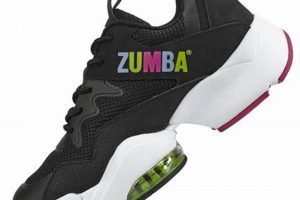
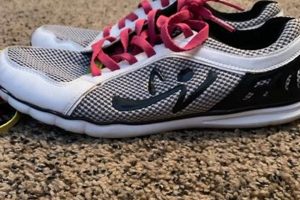
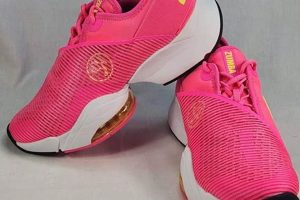
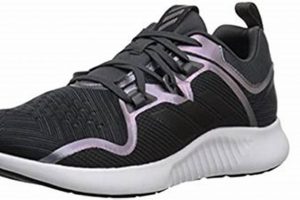
Footwear designed specifically for the Zumba fitness program provides the support and flexibility necessary for the dynamic movements characteristic of this dance-exercise style. These specialized shoes typically incorporate features like pivoting points on the sole to facilitate turns and lateral movements, and offer cushioning to absorb impact during high-energy routines. Examples of such footwear may include lightweight sneakers with enhanced arch support or specialized dance sneakers with reinforced soles.
Proper foot support is essential for preventing injuries and maximizing performance in Zumba. The repetitive and varied movements of Zumba place considerable stress on the feet and joints. Specialized footwear contributes to stability, reduces the risk of ankle sprains and other common injuries, and allows participants to execute dance steps with greater ease and confidence. The development of this category of athletic footwear arose from the increasing popularity of Zumba as a fitness activity and the recognition of the need for footwear that adequately addressed the specific demands of the workout.
The following sections will delve into the specific features to consider when selecting appropriate dance-fitness footwear, explore various available models and brands, and offer guidance on maintaining and caring for this type of footwear to prolong its lifespan and optimize its performance.
Selection and Use Guidance
The following recommendations offer insights into optimizing the selection and utilization of footwear intended for Zumba fitness activities.
Tip 1: Prioritize Pivot Points. Footwear should incorporate a smooth, low-friction pivot point under the ball of the foot. This feature facilitates effortless turns and reduces stress on the knees and ankles during rotational movements, a cornerstone of Zumba.
Tip 2: Assess Lateral Support. Rigorous lateral movements characterize Zumba. Evaluate footwear for adequate reinforcement along the sides to prevent excessive foot roll and potential ankle instability.
Tip 3: Cushioning Considerations. Impact absorption is paramount. Opt for footwear with sufficient cushioning in the midsole to mitigate the impact of jumping and high-intensity steps. Gel or foam-based cushioning systems are viable options.
Tip 4: Sole Flexibility. While support is crucial, the sole should exhibit sufficient flexibility to allow for a full range of motion. Test the flexibility by bending the shoe at the forefoot; it should yield without excessive resistance.
Tip 5: Weight Management. Heavier footwear can impede agility and increase fatigue. Choose lightweight options to enhance maneuverability and sustain energy levels throughout the Zumba session.
Tip 6: Proper Sizing. Ensure an accurate fit. The toes should have adequate space to move freely within the toe box. Insufficient space can lead to discomfort and potential foot problems. Account for foot swelling during exercise when determining size.
Tip 7: Surface Compatibility. Consider the primary surface on which Zumba will be performed. A non-marking outsole is essential for indoor surfaces, preventing damage and ensuring proper traction.
Adhering to these guidelines contributes to enhanced comfort, performance, and injury prevention during Zumba workouts. Selecting the appropriate footwear is an investment in both physical well-being and exercise efficacy.
The subsequent sections will address specific brands and models of footwear suitable for Zumba, along with maintenance procedures to prolong their lifespan and maintain their performance characteristics.
1. Pivot Point

The pivot point is a critical design element in footwear intended for Zumba fitness activities. It is typically a smooth, low-friction area located on the outsole, specifically under the ball of the foot. Its primary function is to facilitate easy turning and rotational movements, which are integral to the Zumba dance style. The presence and quality of the pivot point directly influence the ease and safety with which participants can execute Zumba steps.
Without an effective pivot point, dancers are forced to exert excessive force on their knees and ankles when turning. This increased stress elevates the risk of sprains, strains, and other joint-related injuries. Footwear lacking this feature often causes the foot to grip the floor during turns, creating a jarring motion rather than a fluid rotation. Conversely, a well-engineered pivot point enables seamless transitions between steps, allowing dancers to maintain momentum and minimize impact on their joints. Many dedicated dance and athletic shoe brands incorporate specialized pivot point designs, using materials and patterns that optimize slip and rotation without compromising stability. For example, some brands employ a circular or multi-directional tread pattern in this area, while others use specialized low-friction compounds.
In summary, the pivot point is not merely a superficial feature; it is a functional necessity in Zumba footwear. Its presence contributes directly to enhanced performance, reduced injury risk, and overall enjoyment of the activity. Understanding its importance allows participants to make informed footwear choices, ensuring that they select shoes that adequately support the demands of Zumba’s dynamic movements. Challenges remain in balancing the need for low-friction rotation with the requirement for adequate grip and stability, but ongoing innovation in footwear technology continues to refine the design and performance of pivot points in dance-fitness shoes.
2. Lateral Support

Lateral support constitutes a crucial element in footwear designed for Zumba fitness activities, directly influencing stability and injury prevention. The dynamic movements inherent in Zumba, characterized by frequent side-to-side steps and changes in direction, place significant stress on the ankles and feet. Inadequate lateral support can lead to excessive pronation or supination, increasing the risk of ankle sprains, strains, and other lower extremity injuries. Footwear specifically engineered for Zumba incorporates reinforced side panels or cages designed to constrain excessive lateral movement of the foot within the shoe. For example, models with integrated TPU (thermoplastic polyurethane) overlays or supportive strapping systems provide added stability during lateral maneuvers. The effectiveness of lateral support in this context is demonstrable through comparative analyses of injury rates among Zumba participants using footwear with varying degrees of lateral reinforcement.
The practical significance of lateral support extends beyond injury prevention to encompass performance enhancement. Secure foot containment allows participants to execute Zumba steps with greater confidence and precision. Enhanced stability facilitates quicker changes in direction and improved balance, enabling dancers to maintain momentum and coordination throughout the workout. Furthermore, appropriate lateral support minimizes energy expenditure by reducing unnecessary muscle activity aimed at stabilizing the foot and ankle. The selection of footwear with adequate lateral support should therefore be based on individual foot biomechanics and the intensity level of the Zumba activities undertaken. Considerations should include foot type (e.g., pronated, supinated, neutral) and any pre-existing conditions that may predispose individuals to ankle instability.
In summary, lateral support is an indispensable feature of Zumba footwear, directly impacting both safety and performance. By providing stability and controlling excessive foot motion, it reduces the risk of injury and enhances the execution of Zumba steps. The challenge lies in balancing the need for lateral support with the requirement for flexibility and comfort, but advancements in materials and design continue to refine the effectiveness of this crucial footwear component.
3. Cushioning Impact

Footwear designed for Zumba must effectively attenuate the impact forces generated during the high-energy movements inherent to the activity. The repetitive jumping, stomping, and quick changes in direction characteristic of Zumba place considerable stress on the feet, ankles, knees, and hips. Inadequate cushioning can lead to discomfort, fatigue, and an increased risk of overuse injuries such as plantar fasciitis, stress fractures, and joint pain. The midsole of specialized footwear for Zumba typically incorporates cushioning materials like EVA (ethylene-vinyl acetate) foam, gel inserts, or air-cushioning systems. These materials absorb shock and distribute pressure, reducing the peak forces transmitted to the musculoskeletal system. For instance, a study comparing participants using footwear with varying degrees of cushioning showed a significant reduction in ground reaction forces among those wearing shoes with enhanced impact absorption, correlating with decreased reports of foot and leg pain.
The effectiveness of impact cushioning is contingent on the specific materials used and their distribution within the shoe’s construction. Higher-density foams provide greater impact absorption but may also reduce flexibility, while gel inserts offer targeted cushioning in high-pressure areas like the heel and forefoot. Air-cushioning systems, on the other hand, can provide a more responsive feel and evenly distribute pressure. Furthermore, the design of the outsole plays a role in impact attenuation, with thicker soles and strategically placed flex grooves contributing to shock absorption and flexibility. In practice, Zumba instructors and frequent participants often prioritize footwear with a balance of cushioning and responsiveness, allowing them to maintain comfort and agility throughout extended workout sessions. For example, many instructors select shoes with multi-density midsoles that provide both impact absorption and support, while others prefer models with lightweight cushioning materials that minimize fatigue.
In summary, cushioning impact is a critical function of footwear intended for Zumba fitness activities. It mitigates the risk of overuse injuries by absorbing shock and distributing pressure. Effective cushioning contributes to enhanced comfort, reduced fatigue, and improved overall performance. The selection of appropriate footwear with adequate impact cushioning is therefore an essential consideration for anyone participating in Zumba, ensuring a safe and enjoyable exercise experience. Ongoing research and development in footwear technology continue to refine cushioning systems, aiming to optimize impact absorption and enhance performance in the demanding context of Zumba.
4. Sole Flexibility
Sole flexibility is a significant characteristic in footwear designed for Zumba, directly impacting a participant’s ability to perform the required dance movements and influencing the risk of lower extremity injuries. The degree to which the sole of a shoe can bend and conform to the foot’s natural motion is critical in this high-impact, dance-based fitness activity.
- Range of Motion Enhancement
Optimal sole flexibility facilitates a greater range of motion during Zumba routines. The choreography often involves complex footwork, including pivots, turns, and extensions. A flexible sole allows the foot to articulate naturally, enabling participants to execute these movements with greater ease and precision. For instance, a sole that bends easily at the metatarsal heads permits a more complete foot plantarflexion during toe taps and heel raises, essential components of many Zumba steps.
- Impact Force Distribution
Sole flexibility influences the distribution of impact forces during high-energy Zumba sessions. A shoe with a flexible sole can better adapt to varying ground conditions and footstrike patterns, distributing the impact forces more evenly across the foot. This reduces concentrated stress on specific areas, such as the heel or forefoot, potentially mitigating the risk of stress fractures or plantar fasciitis. Consider the difference between landing a jump in shoes with a rigid versus flexible sole; the latter allows for a more cushioned and controlled impact.
- Proprioceptive Feedback
A flexible sole enhances proprioceptive feedback, the body’s awareness of its position in space. Increased ground feel allows for better balance and coordination, which are vital in Zumba’s dynamic environment. Dancers can more accurately sense their foot placement and adjust their movements accordingly, reducing the likelihood of missteps and falls. This is particularly important during sequences involving rapid weight shifts and complex foot patterns. The ability to “feel” the floor contributes to a more stable and controlled performance.
- Muscular Engagement
Sole flexibility affects the engagement of intrinsic foot muscles. When the sole allows for a more natural foot movement, it encourages the activation of smaller muscles within the foot that contribute to stability and balance. This strengthens these muscles over time, improving overall foot health and reducing reliance on external support. Conversely, a rigid sole can limit the use of these muscles, potentially leading to weakness and an increased risk of injuries. For example, shoes that allow for a full range of motion during foot flexion promote better engagement of the muscles supporting the arch of the foot.
These facets of sole flexibility collectively contribute to the suitability of footwear for Zumba. The interplay between range of motion, impact distribution, proprioception, and muscular engagement underscores the importance of selecting shoes that strike a balance between support and flexibility, optimizing both performance and injury prevention in this demanding fitness activity. Shoes that are too rigid may hinder movement and increase stress, while those that are excessively flexible may lack necessary support.
5. Non-Marking Outsole

The incorporation of a non-marking outsole is a fundamental design consideration for footwear intended for indoor Zumba fitness activities. The prevalence of polished or specialized flooring in dance studios necessitates outsole materials that provide adequate traction without leaving scuff marks or damaging the surface. This feature is therefore not merely aesthetic; it is crucial for maintaining the integrity of the dance environment and ensuring the safety of participants.
- Floor Surface Preservation
Non-marking outsoles are formulated to minimize friction and abrasion against indoor flooring surfaces. Materials such as specific rubber compounds are engineered to provide grip without leaving residue or scratches. This is particularly critical in dance studios where flooring may be expensive to maintain or easily damaged. Using footwear lacking this feature can result in permanent marking and necessitate costly repairs or replacements.
- Studio Compliance and Etiquette
Many dance studios and fitness centers explicitly require participants to wear footwear with non-marking outsoles. This policy aims to protect the facility’s flooring and ensure a clean and professional environment. Adherence to this requirement is often a matter of studio compliance and demonstrates respect for the shared space. Failure to comply can result in exclusion from classes or events.
- Enhanced Traction and Safety
While preventing floor damage, non-marking outsoles must also provide sufficient traction for dynamic movements. Materials are selected and tread patterns are designed to optimize grip without excessive friction. This ensures that participants can execute Zumba steps safely and confidently, reducing the risk of slips and falls. The outsole’s grip is particularly important during pivots, turns, and lateral movements characteristic of Zumba choreography.
- Material Composition and Durability
The composition of non-marking outsoles varies, but common materials include synthetic rubber blends, formulated to balance traction, durability, and non-marking properties. These materials must withstand the repetitive stress of Zumba workouts while maintaining their non-marking characteristics. The lifespan of the outsole is therefore a key consideration, as wear and tear can compromise its performance and increase the likelihood of marking.
The presence of a non-marking outsole is a non-negotiable feature for any footwear marketed towards Zumba practitioners. It ensures compliance with studio regulations, protects valuable flooring, and contributes to a safe and enjoyable exercise environment. The material science behind these outsoles balances the competing demands of traction, durability, and floor surface protection, making it a critical design element for specialized Zumba footwear.
Frequently Asked Questions
The following questions address common concerns and misconceptions regarding specialized footwear for Zumba fitness activities.
Question 1: What constitutes a Zumba exercise shoe?
A Zumba exercise shoe is footwear specifically engineered to accommodate the dynamic movements inherent in Zumba. Key features include a pivot point for facilitating turns, lateral support for stability, cushioning for impact absorption, and a flexible sole for enhanced range of motion.
Question 2: Why is specialized footwear necessary for Zumba?
Zumba involves repetitive, high-impact movements that can place significant stress on the feet and joints. Standard athletic shoes may lack the necessary features to provide adequate support, increasing the risk of injury. Specialized footwear addresses these demands through targeted design and construction.
Question 3: How does a pivot point benefit Zumba participants?
The pivot point, typically located under the ball of the foot, facilitates smooth turns and rotational movements, reducing strain on the knees and ankles. Without a pivot point, dancers may experience increased friction and torque, elevating the risk of joint injuries.
Question 4: What are the primary considerations when selecting Zumba footwear?
Key considerations include adequate lateral support to prevent ankle instability, sufficient cushioning to absorb impact forces, a flexible sole to allow for natural foot movement, and a non-marking outsole to protect dance studio floors. Proper sizing is also essential for comfort and injury prevention.
Question 5: How often should Zumba footwear be replaced?
The lifespan of Zumba footwear depends on frequency of use and intensity of workouts. As a general guideline, shoes should be replaced every 3-6 months or when signs of wear and tear, such as reduced cushioning or diminished support, become apparent.
Question 6: Are there specific brands recommended for Zumba exercise shoes?
Several brands offer footwear specifically designed for Zumba, including Ryka, Bloch, and Capezio. The optimal choice depends on individual foot biomechanics and preferences, but these brands are known for incorporating features essential for Zumba performance and safety.
Selecting appropriate footwear is paramount for optimizing performance and minimizing injury risk in Zumba. Understanding the features and benefits of specialized footwear enables participants to make informed decisions.
The subsequent section will delve into specific models and brands of footwear suitable for Zumba, along with maintenance procedures to prolong their lifespan and maintain their performance characteristics.
Conclusion
This exploration has illuminated the critical features and considerations surrounding “zumba exercise shoes”. Proper footwear is not a mere accessory, but an essential component for safe and effective participation in Zumba fitness activities. From pivot points and lateral support to cushioning and outsole characteristics, each design element contributes directly to performance enhancement and injury prevention.
The selection of appropriate “zumba exercise shoes” requires a thoughtful assessment of individual needs and preferences. Recognizing the significance of specialized footwear empowers individuals to prioritize their well-being and optimize their Zumba experience. Continued innovation in footwear technology holds promise for further advancements in the design and performance of dance-fitness shoes, ensuring that participants can confidently engage in this dynamic form of exercise.