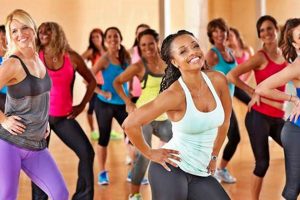
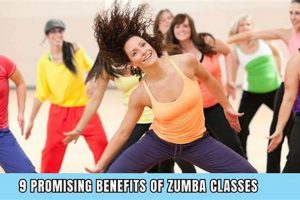
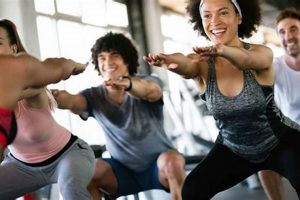
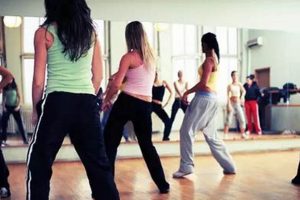
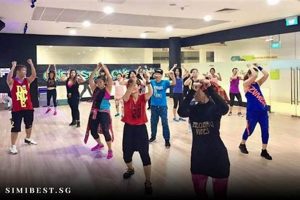
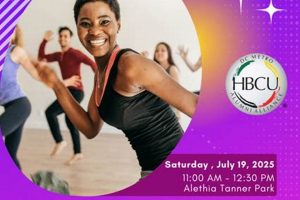
This popular fitness activity blends Latin rhythms and easy-to-follow moves to create a dynamic workout. The routines incorporate interval training, alternating fast and slow rhythms, and resistance training. Participants engage in a full-body workout that feels more like a dance party than a traditional exercise session. The combination of music and movement makes it accessible to various fitness levels and age groups.
The energetic nature of the program contributes to improved cardiovascular health, increased muscle tone, and enhanced coordination. Beyond the physical advantages, the social atmosphere fosters a sense of community and promotes mental well-being. Originating in the late 1990s, it has evolved into a global phenomenon, offered in numerous locations and adapted for diverse populations.
The following sections will delve deeper into the specific health advantages, the types of programs available, and tips for maximizing the effectiveness of this engaging exercise approach. The analysis will also cover modifications for different fitness levels and considerations for individuals with specific health concerns.
Optimizing Participation in Zumba Aerobics Classes
Maximizing the benefits derived from these fitness activities requires careful consideration of several factors. The following guidelines offer insights into enhancing the experience and achieving optimal results.
Tip 1: Prioritize Proper Footwear. Selecting supportive athletic shoes designed for lateral movement is crucial. Inadequate footwear can lead to injuries and hinder performance during high-impact sequences.
Tip 2: Hydrate Adequately. Maintaining sufficient hydration levels is essential before, during, and after the class. Dehydration can negatively impact energy levels and performance. Consuming water regularly throughout the session is recommended.
Tip 3: Master Basic Steps. Familiarizing oneself with fundamental steps and rhythms improves confidence and allows for more effective participation. Watching instructional videos or attending introductory sessions can be beneficial.
Tip 4: Pace Yourself. Recognizing personal fitness limitations and adjusting intensity accordingly prevents overexertion and potential injuries. Modifying movements to lower-impact variations is a viable strategy.
Tip 5: Engage Core Muscles. Consciously engaging the core muscles throughout the routines enhances stability and improves overall form. This engagement also contributes to core strengthening.
Tip 6: Listen to Your Body. Paying attention to physical signals and taking breaks when needed is paramount. Pushing through pain can result in injuries and impede progress. Modify or rest when necessary.
Tip 7: Maintain Correct Posture. Focusing on proper posture throughout the session reduces strain on joints and improves overall effectiveness of the exercises. Maintain a neutral spine and avoid slouching.
These strategies, when implemented consistently, contribute to a more enjoyable and effective experience. Adherence to these guidelines facilitates safer participation and enhances the potential for achieving desired fitness outcomes.
The subsequent section will address common misconceptions and provide further clarifications regarding the suitability of this activity for various demographic groups.
1. Rhythmic Movements

The core of successful Zumba aerobics classes resides in rhythmic movements. These coordinated sequences, set to Latin and international music, elicit a physiological response that elevates the heart rate and engages multiple muscle groups. The consistent beat provides a framework for participants to synchronize their actions, fostering a sense of collective energy and shared accomplishment. Without the underpinning of rhythm, the structure of this activity would disintegrate, devolving into unstructured exercise. For example, the consistent beat of salsa music guides specific footwork patterns, while the pulse of merengue drives the fast-paced steps. These rhythmic cues are not merely auditory; they inform the kinetic execution of each routine.
The effectiveness of rhythmic movements within this context extends beyond basic coordination. They facilitate a mind-body connection, enhancing proprioception the awareness of one’s body in space. Participants unconsciously internalize the rhythmic patterns, improving motor skills and reaction time. Moreover, the repetitive nature of these movements triggers the release of endorphins, natural mood elevators, contributing to the enjoyable and stress-relieving aspects of the workout. Consider, for instance, the “cumbia step,” a fundamental rhythmic pattern that, when executed repeatedly in synchronicity with the music, promotes a sense of flow and enhanced kinesthetic awareness.
In conclusion, rhythmic movements constitute an indispensable element of Zumba aerobics classes. They dictate the structure, enhance the physiological response, and contribute significantly to the psychological benefits. Understanding the practical significance of rhythmic engagement is paramount for instructors, who must leverage the power of the beat to guide participants effectively, and for individuals seeking to maximize the physical and mental advantages derived from these sessions. The absence of rhythmic integrity would undermine the very essence of the activity, diminishing its effectiveness and appeal.
2. Calorie Expenditure

The substantial calorie expenditure inherent in Zumba aerobics classes serves as a primary driver for its widespread adoption as a fitness modality. The activity’s dynamic nature, characterized by a fusion of aerobic and dance movements, necessitates a sustained elevation in metabolic rate, leading to a significant caloric deficit. This deficit, achieved through consistent participation, directly impacts weight management and overall body composition. The rate of calorie burn is contingent upon factors such as individual body weight, fitness level, and the intensity of the specific class.
Real-world examples underscore the practical implications of this connection. Consider an individual weighing 150 pounds participating in a standard 60-minute Zumba aerobics class. Data suggests a potential calorie expenditure ranging from 400 to 600 calories. The energetic choreography, incorporating elements of interval training, contributes to this elevated metabolic rate. Moreover, the social and engaging atmosphere encourages sustained participation, fostering adherence to the fitness regimen. The significance lies not only in the immediate calorie expenditure but also in the potential for long-term improvements in cardiovascular health and metabolic efficiency.
Understanding the dynamics of calorie expenditure within Zumba aerobics classes presents both opportunities and challenges. Maximizing calorie burn requires consistent participation, adherence to proper form, and a commitment to pushing personal limits. Potential challenges include the risk of overexertion and injury, necessitating careful monitoring of individual fitness levels and appropriate modifications to the routines. The long-term benefits, however, outweigh these challenges, solidifying its position as a viable and engaging option for individuals seeking to manage weight and improve overall well-being.
3. Group Motivation in Zumba Aerobics Classes
Group motivation constitutes a critical, yet often understated, element in the sustained success and efficacy of Zumba aerobics classes. It fosters an environment of collective encouragement, support, and shared achievement, significantly impacting participant engagement, adherence, and overall satisfaction.
- Enhanced Adherence
The presence of a group dynamic can significantly enhance participant adherence to the fitness routine. Individuals are more likely to attend scheduled classes and persist through challenging exercises when they feel a sense of responsibility and connection to the group. The social accountability generated within the group environment serves as a powerful motivator, mitigating the likelihood of attrition. For example, participants may feel compelled to attend class regularly to avoid disappointing their classmates or instructor.
- Increased Effort and Intensity
Observing and interacting with other participants can inspire individuals to exert greater effort and push their personal limits. The competitive, yet supportive, atmosphere encourages individuals to match or exceed the performance of their peers. This positive peer pressure can lead to a noticeable increase in the intensity of workouts, resulting in enhanced physical benefits. One may attempt a more challenging choreography sequence simply because others in the group are doing so successfully.
- Improved Emotional Well-being
The shared experience of physical activity within a group setting fosters a sense of camaraderie and belonging. This social connection can reduce feelings of isolation and anxiety, promoting emotional well-being and enhancing the overall enjoyment of the activity. Laughter, encouragement, and mutual support within the group create a positive and uplifting atmosphere. For instance, celebrating milestones or sharing workout successes within the group reinforces a sense of collective accomplishment.
- Facilitated Learning and Skill Acquisition
A group environment provides opportunities for individuals to learn from each other, exchange tips, and receive informal feedback on their technique. Observing more experienced participants can accelerate the learning process and improve skill acquisition. The collective knowledge and support within the group enhance the overall learning experience. Sharing techniques or modifications within the group allows each individual to improve more rapidly than learning in isolation.
The interplay of these facets underscores the importance of cultivating a strong sense of group motivation within Zumba aerobics classes. Instructors play a crucial role in fostering a supportive and inclusive environment that encourages participation, celebrates achievements, and promotes social connection. The benefits extend beyond mere physical fitness, contributing significantly to the emotional and social well-being of participants, ultimately maximizing the value and impact of these activities.
4. Choreography Structure

The choreography structure is fundamental to Zumba aerobics classes, dictating the progression, intensity, and variety within each session. It is the deliberate arrangement of dance steps and fitness movements, carefully sequenced to achieve specific physiological and psychological outcomes. Without a well-defined choreography structure, the activity devolves into a disjointed collection of exercises, lacking the cohesive flow that characterizes effective sessions. The structure provides predictability for participants, allowing them to anticipate movements and synchronize their actions, contributing to the overall enjoyment and efficacy of the workout. Furthermore, it allows instructors to control the intensity, ensuring participants are appropriately challenged without risking overexertion or injury.
A typical Zumba aerobics class incorporates a structured choreography that transitions through different phases: a warm-up phase with simple steps to increase heart rate and prepare muscles; a main workout phase featuring a blend of high and low-intensity routines incorporating various Latin and international dance styles; and a cool-down phase with stretching and relaxation exercises to reduce muscle soreness and restore heart rate. For instance, a class might begin with basic salsa steps to warm up, transition into a high-energy merengue routine to elevate heart rate, incorporate a cumbia segment for core engagement, and conclude with a slow bachata routine for stretching. Each transition and segment is carefully planned to build upon the previous one, creating a seamless and effective workout experience. The practical application of this understanding enables instructors to create diverse, engaging, and effective class formats catering to different fitness levels and preferences.
In summation, the choreography structure is not merely an organizational tool; it is the backbone of Zumba aerobics classes, determining the physiological and psychological impact of the session. Instructors must grasp the significance of choreography structure to deliver a well-rounded and effective workout. A deeper understanding of this component helps to optimize calorie expenditure, improve cardiovascular health, increase participant engagement, and reduce the risk of injuries. While flexibility and creativity are encouraged, adhering to a structured choreography ensures that the activity remains safe, effective, and enjoyable for all participants.
5. Global Accessibility

Global accessibility fundamentally defines the expansive reach of Zumba aerobics classes, transforming them from a localized fitness trend into a universally available form of exercise. This characteristic underscores the adaptability and widespread appeal that distinguishes it from other, more geographically constrained fitness programs.
- Multilingual Instruction
The availability of instruction in multiple languages facilitates participation across diverse linguistic communities. Classes are frequently offered in English, Spanish, and other widely spoken languages, ensuring that individuals from various cultural backgrounds can effectively follow the routines and understand the instructors’ guidance. This multilingual approach reduces language barriers and promotes inclusivity within the fitness environment. For example, in regions with significant Spanish-speaking populations, instructors often provide bilingual instruction to accommodate both English and Spanish speakers.
- Varied Socioeconomic Applicability
Zumba aerobics classes demonstrate adaptability to various socioeconomic contexts. They can be found in upscale fitness centers, community centers, and even free outdoor settings, catering to individuals with differing financial resources. The simplicity of the equipment requirements primarily music and space contributes to its affordability and accessibility in resource-constrained environments. Community-led initiatives often offer free classes in public parks, making fitness accessible to individuals who may not be able to afford gym memberships.
- Cultural Adaptations
The program’s choreography and musical selections are often adapted to reflect local cultural preferences. Instructors incorporate regionally popular dance styles and music genres, enhancing the relevance and appeal of the classes to specific communities. This cultural sensitivity fosters a sense of familiarity and connection, encouraging participation and long-term engagement. In certain African countries, for example, Zumba routines may incorporate elements of traditional African dance forms, resonating more deeply with local participants.
- Online and Virtual Availability
The proliferation of online platforms has significantly expanded the accessibility. Virtual classes and pre-recorded routines are readily available, enabling individuals to participate from their homes or other remote locations. This online presence overcomes geographical barriers and time constraints, making fitness accessible to those with limited mobility or busy schedules. Numerous online platforms offer subscription-based Zumba classes, allowing individuals to access workouts at any time and from anywhere with an internet connection.
The combined effect of these factors underscores the remarkable global reach of Zumba aerobics classes. Its adaptability to diverse languages, socioeconomic conditions, cultural nuances, and technological platforms ensures its continued expansion and relevance in an increasingly interconnected world. This widespread accessibility not only promotes physical fitness but also fosters cultural exchange and community building across geographical boundaries.
6. Adaptable Intensity

Adaptable intensity forms a cornerstone of inclusivity in Zumba aerobics classes, allowing individuals of varying fitness levels and physical capabilities to participate effectively and safely. This adjustability fosters broader engagement and promotes sustained participation by mitigating the risk of injury and maximizing individual benefits.
- Modification of Movements
Instructors can modify movements to accommodate different fitness levels. High-impact steps, such as jumps and leaps, can be substituted with lower-impact alternatives, such as stepping or marching in place. These modifications enable individuals with joint issues, limited mobility, or lower fitness levels to participate without compromising safety. An instructor might demonstrate both a traditional jump and a modified step-touch, allowing participants to choose the option that best suits their abilities.
- Adjustment of Pace
The pace of routines can be adjusted to match the participants’ aerobic capacity. Slower tempos provide an opportunity for beginners to learn the steps and build stamina, while faster tempos challenge more advanced participants. Instructors frequently alternate between high-intensity and low-intensity segments, providing built-in opportunities for recovery. During a high-energy salsa sequence, an instructor may incorporate brief rest periods or slower-paced segments to allow participants to catch their breath.
- Range of Motion Variations
Individuals can modify the range of motion to suit their flexibility and comfort levels. Those with limited mobility can perform smaller movements, while more flexible individuals can extend their range of motion for a more challenging workout. This adaptability ensures that the activity remains accessible to individuals with varying physical limitations. Someone with shoulder limitations, for example, might perform arm movements at a lower level, while another person might extend their arms fully overhead.
- Personalization of Effort
Participants are encouraged to personalize the level of effort they exert during class. Individuals can increase or decrease the intensity of their movements based on their heart rate, breathing, and perceived exertion. Instructors emphasize the importance of listening to one’s body and adjusting the intensity accordingly. A participant might choose to exert maximum effort during a high-intensity segment or scale back the intensity if they feel fatigued or experience discomfort.
These facets of adaptable intensity in Zumba aerobics classes not only promote inclusivity but also contribute to long-term participation. By tailoring the activity to individual needs and capabilities, instructors create an environment where individuals of all fitness levels can experience the physical, emotional, and social benefits of this dynamic workout.
7. Cardiovascular benefits

Zumba aerobics classes directly correlate with improved cardiovascular health due to their sustained aerobic nature. The energetic movements elevate heart rate and oxygen consumption, stimulating the cardiovascular system. Routine participation strengthens the heart muscle, improves blood vessel elasticity, and enhances overall circulatory function. This physiological response reduces the risk of cardiovascular diseases, including hypertension, coronary artery disease, and stroke. An individual who consistently attends these classes may experience a reduction in resting heart rate and improved blood pressure readings, indicative of enhanced cardiovascular fitness.
The interval training inherent in this activity further amplifies the cardiovascular benefits. Alternating between high-intensity and low-intensity movements challenges the heart muscle, improving its ability to adapt to varying demands. For instance, a Zumba routine incorporating a fast-paced salsa segment followed by a slower cumbia sequence creates an interval effect, maximizing calorie expenditure and cardiovascular stimulation. Moreover, the rhythmic nature of the routines promotes efficient oxygen utilization, optimizing aerobic capacity and endurance. Practical application of this understanding allows individuals to monitor their heart rate during class, adjusting intensity to maintain a target heart rate zone for optimal cardiovascular conditioning.
In conclusion, the connection between cardiovascular benefits and Zumba aerobics classes is firmly established through the activity’s sustained aerobic nature and interval training elements. The sustained intensity of these workouts makes them a beneficial addition to one’s fitness routine. Understanding this relationship empowers individuals to actively improve their cardiovascular health, reduce their risk of related diseases, and enhance their overall well-being through consistent participation.
Frequently Asked Questions about Zumba Aerobics Classes
The following questions address common inquiries regarding Zumba aerobics classes. The answers aim to provide clear and concise information.
Question 1: Is prior dance experience required to participate effectively?
No prior dance experience is necessary. The routines are designed to be easy to follow, with instructors providing modifications for varying fitness levels.
Question 2: What specific types of clothing and footwear are recommended?
Comfortable, breathable clothing that allows for a full range of motion is advised. Athletic shoes with good support are essential to prevent injuries.
Question 3: How many calories can typically be burned during a one-hour class?
Calorie expenditure varies based on individual factors such as weight, fitness level, and intensity, but a one-hour class can potentially burn between 400 and 600 calories.
Question 4: Are these classes suitable for individuals with pre-existing medical conditions?
Individuals with pre-existing medical conditions, such as heart conditions or joint problems, should consult with a healthcare professional before participating.
Question 5: What is the recommended frequency of participation for optimal results?
For optimal results, it is generally recommended to participate in these classes at least three times per week.
Question 6: How are the routines structured to accommodate different fitness levels within a single class?
Instructors provide modifications and variations for each routine, allowing participants to adjust the intensity to suit their individual fitness levels. High-impact movements can be substituted with lower-impact alternatives.
Zumba aerobics classes offer a dynamic fitness routine, but thoughtful consideration of individual needs is advised.
The next article section will provide information on certifications for instruction.
In Summary
This exploration has detailed various facets of Zumba aerobics classes, from the underlying rhythmic movements and choreography structure to the resulting cardiovascular benefits and adaptable intensity levels. The group motivational aspect and global accessibility have been highlighted, underscoring the widespread appeal of this fitness modality. Calorie expenditure and frequently asked questions have been addressed, offering a comprehensive overview of the activity.
Zumba aerobics classes represent a multifaceted approach to physical fitness, blending dance and exercise into a structured and engaging format. Continued participation necessitates a commitment to proper form and awareness of individual physical limitations. Further research into the long-term health impacts and evolving trends within the fitness industry remains essential.