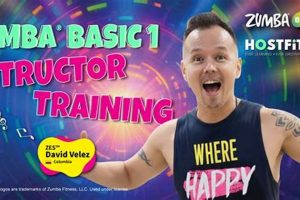
The process of becoming a licensed Zumba instructor involves specific training and certification. It requires individuals to complete a formal program offered by Zumba Fitness, LLC, which provides the knowledge and skills necessary to lead Zumba classes effectively and safely. A successful candidate learns choreography, cueing techniques, and how to adapt routines for various fitness levels.
Achieving certification enables instructors to legally teach Zumba classes and use the Zumba trademarks and materials. This status provides access to instructor resources, ongoing training opportunities, and marketing support. Furthermore, it enhances credibility and marketability within the fitness industry, allowing for opportunities to build a client base and contribute to community well-being through dance fitness.
The subsequent sections will detail the required steps for certification, explore potential career paths for certified instructors, and offer insights into maximizing success in this dynamic field. This includes information on choosing the right training program, understanding licensing requirements, and effectively promoting Zumba classes.
Tips for Becoming a Zumba Instructor
A successful transition into the Zumba instruction profession necessitates careful preparation and adherence to best practices. The following tips are designed to aid aspiring instructors in navigating the certification process and establishing a thriving Zumba practice.
Tip 1: Prioritize Formal Training: Enrollment in an official Zumba Basic 1 training course is mandatory. This initial certification provides the fundamental skills and knowledge required to lead introductory Zumba classes. Completing this program ensures a standardized level of instruction.
Tip 2: Obtain Proper Licensing: Maintaining an active Zumba Instructor Network (ZIN) membership is crucial for legal instruction. ZIN membership grants the license to use Zumba branding, music, and choreography, and also provides access to instructor resources.
Tip 3: Continuously Refine Choreography: Zumba routines are dynamic and evolve regularly. Stay abreast of new choreography through ZIN membership and additional specialized training courses. This ensures classes remain fresh and engaging for participants.
Tip 4: Focus on Cueing and Communication Skills: Effective cueing is essential for guiding participants through routines seamlessly. Practice clear verbal and non-verbal cues to ensure all students, regardless of fitness level, can follow the choreography effectively.
Tip 5: Cultivate a Welcoming Environment: A positive and inclusive atmosphere is key to retaining students. Encourage participation, offer modifications for varying fitness levels, and foster a sense of community within the Zumba class.
Tip 6: Secure Adequate Insurance Coverage: It is essential to get a proper legal and insurance to protect your class and your student from any type of potential risk.
Tip 7: Strategically Promote Zumba Classes: Utilize social media, local community boards, and partnerships with fitness centers to advertise classes. Highlight the benefits of Zumba, such as improved cardiovascular health, stress reduction, and a fun workout experience.
By diligently applying these recommendations, aspiring instructors can significantly increase their chances of success in the Zumba instruction field. This approach provides a strong foundation for building a rewarding and impactful career.
The subsequent section will explore strategies for career advancement and professional development as a certified Zumba instructor.
1. Basic 1 Certification

Basic 1 Certification constitutes the foundational element in the process of becoming a licensed Zumba instructor. The completion of this certification is not merely recommended, but required, for individuals seeking to legally and legitimately teach Zumba classes. This initial training program is designed to equip aspiring instructors with the core knowledge, skills, and techniques necessary to lead introductory Zumba sessions effectively. Without Basic 1 Certification, an individual cannot proceed with subsequent steps toward professional Zumba instruction. Its successful completion is a pre-requisite for obtaining membership in the Zumba Instructor Network (ZIN), which is vital for licensing.
The curriculum within the Basic 1 Certification program encompasses essential components such as fundamental Zumba choreography, basic cueing techniques, musicality, and safety protocols. For example, instructors learn to break down the steps of popular Zumba routines, ensuring participants of varying fitness levels can follow along. The certification also emphasizes the importance of clear and concise verbal and non-verbal cues to guide participants through the choreography. Furthermore, it provides an understanding of how to adapt routines for diverse populations, including older adults or individuals with physical limitations. Completing a course ensures that the future instructor is equipped with skills to lead students safely.
Therefore, Basic 1 Certification forms the essential entry point for anyone considering a career as a Zumba instructor. It offers the necessary foundation for mastering Zumba techniques and building a sustainable teaching practice. Neglecting to obtain this initial certification renders subsequent efforts to teach Zumba classes unauthorized and potentially detrimental to the instructor’s professional reputation. Understanding the core curriculum of this module leads to the professional practice in this sector.
2. ZIN Membership

ZIN (Zumba Instructor Network) membership is an indispensable component of the process of becoming a licensed Zumba instructor. While completing the Basic 1 training provides the initial certification, ZIN membership actively sustains the instructor’s legal authorization to teach Zumba classes. Failure to maintain an active ZIN membership results in the revocation of licensing rights, effectively prohibiting the individual from conducting Zumba sessions using the Zumba Fitness, LLC trademarks, music, and choreography. It is a required component of practicing as a Zumba Instructor.
ZIN membership provides instructors with continuous access to updated choreography, music, and marketing materials. This allows instructors to maintain fresh and engaging classes, which is critical for attracting and retaining students. Furthermore, ZIN members benefit from access to insurance options, business tools, and ongoing training opportunities, all designed to enhance their professional capabilities and support their career growth. For example, a ZIN member can legally use Zumba music and create classes. This ensures the classes are both fun and fit the goals and standards of Zumba Fitness, LLC.
In conclusion, ZIN membership represents the ongoing commitment to maintaining the standards and practices of Zumba instruction. It serves as the bridge between initial certification and a sustainable career. The financial investment in ZIN membership is a critical operational cost for certified Zumba instructors, allowing them to legally and ethically offer this fitness program. Without it, instructors cannot legally or effectively become a recognized and authorized Zumba instructor.
3. Advanced Training

Advanced Training constitutes a crucial element in progressing from a newly certified Zumba instructor to a seasoned professional. This phase surpasses the foundational knowledge acquired in Basic 1 certification, offering specialized skill sets and expertise that directly influence an instructor’s capabilities and marketability within the competitive fitness landscape.
- Specialized Zumba Programs
Beyond Basic 1, Zumba Fitness offers a range of specialized programs focusing on specific demographics or fitness goals. Examples include Zumba Kids (for children), Zumba Gold (for active older adults), and Zumba Toning (incorporating light weights). Acquiring certifications in these areas allows instructors to broaden their service offerings, attract a wider client base, and cater to niche markets, increasing their professional value.
- Enhanced Choreography and Cueing Techniques
Advanced training workshops often delve deeper into choreography breakdown, musicality, and cueing techniques. Instructors learn to create more complex and engaging routines, effectively communicate instructions to diverse groups, and adapt movements based on individual needs. This leads to more dynamic and effective classes, enhancing participant satisfaction and retention.
- Business and Marketing Strategies
Certain advanced training modules address the business aspects of Zumba instruction, including marketing strategies, class pricing, and client management. This knowledge equips instructors to effectively promote their services, build a sustainable client base, and manage the administrative aspects of their business. A Zumba instructor may use strategies like creating a dedicated business social media presence.
- Continuing Education Credits and Professional Development
Participation in advanced training courses often provides continuing education credits or units, which contribute to maintaining professional certifications. Moreover, it showcases a commitment to ongoing learning and skill development, signaling to potential employers and clients a dedication to excellence and staying current with industry trends.
In summation, engaging in Advanced Training provides Zumba instructors with the specialized skills and knowledge necessary to elevate their practice beyond entry-level capabilities. This strategic investment in professional development enhances their earning potential, broadens their market reach, and ultimately contributes to long-term success as a licensed Zumba instructor.
4. Routine Mastery

The proficiency in executing and adapting Zumba routines constitutes a critical determinant of success in becoming a competent and sought-after Zumba instructor. Aspiring instructors must move beyond simply memorizing steps; a deep understanding of rhythm, musicality, and modification techniques is essential for effective class leadership.
- Choreographic Precision
Accurate execution of Zumba choreography forms the foundation of effective instruction. Instructors must demonstrate flawless technique and understand the nuances of each step to provide clear guidance to participants. For instance, precise footwork and body positioning in a salsa-inspired routine ensure participants correctly emulate the movements, maximizing workout benefits and minimizing risk of injury. Without precision, students cannot get the most out of their class.
- Musicality and Rhythm Interpretation
Zumba is intrinsically linked to music; instructors must interpret and convey the rhythm and energy of various musical genres. This involves understanding tempo changes, identifying key musical cues, and translating these elements into physical movements. For example, an instructor might emphasize a strong downbeat in a reggaeton track to encourage powerful hip movements, creating a more engaging and effective workout. Poor interpretation leads to less engaging experience.
- Adaptive Modifications for Diverse Fitness Levels
Effective instructors possess the ability to adapt routines to accommodate participants with varying fitness levels and physical limitations. This necessitates a repertoire of modifications and progressions that allow all individuals to participate safely and effectively. For example, offering a low-impact version of a jumping jack during a high-energy routine enables participants with joint issues to continue exercising without compromising their health. Modification should still be aligned with the original steps and choreography.
- Seamless Transitions and Flow
The ability to transition smoothly between routines and maintain a consistent flow is critical for creating an enjoyable and effective Zumba class. Abrupt changes or awkward pauses can disrupt the energy and momentum of the session. A skilled instructor anticipates transitions, employs effective cueing techniques, and maintains a positive and engaging demeanor throughout the class. Without smooth transitions, the workout is less satisfying.
Mastery over routines is not merely about memorization; it’s about embodying the spirit of Zumba and effectively communicating that passion to participants. Proficient understanding of choreography, musicality, adaptations, and transitions enables aspiring instructors to create engaging, inclusive, and effective Zumba classes, solidifying their reputation and career prospects.
5. Marketing Strategies

Effective marketing strategies are paramount for any individual seeking to establish a sustainable career after completing the certification process to become a licensed Zumba instructor. Simply possessing the technical skills and qualifications is insufficient; the ability to attract and retain clients is critical for professional success.
- Social Media Engagement
Leveraging platforms such as Instagram, Facebook, and TikTok enables instructors to showcase their teaching style, class schedules, and participant testimonials. Consistent posting of engaging content, including short workout videos and motivational messages, increases visibility and brand awareness. For example, an instructor could share a clip of a high-energy Zumba routine on Instagram Reels, along with information on how to sign up for their classes. A successful online presence drives class attendance.
- Community Partnerships
Collaborating with local businesses, community centers, and schools provides opportunities to reach a wider audience. Offering free introductory Zumba classes at community events or partnering with a local gym to provide Zumba sessions as part of their fitness program can generate leads and build relationships. These partnerships create opportunities to present the brand to new clients.
- Targeted Advertising
Utilizing online advertising platforms, such as Google Ads and Facebook Ads, allows instructors to target potential clients based on demographics, interests, and location. Creating compelling ad copy and visually appealing graphics, along with a clear call to action, increases the likelihood of attracting new participants. For instance, an instructor could run a Facebook ad targeting women aged 25-45 in their local area who have expressed interest in fitness and dance, offering a discount on their first Zumba class. Focused campaigns have the potential to significantly increase class attendance.
- Referral Programs
Implementing a referral program incentivizes existing clients to spread the word about Zumba classes. Offering discounts or free classes to clients who refer new participants encourages word-of-mouth marketing and fosters a sense of community. A well-structured referral program amplifies marketing efforts and drives organic growth.
A comprehensive marketing plan, incorporating these facets, is essential for Zumba instructors seeking to establish a thriving practice and build a loyal client base. Effective marketing translates to increased class attendance and long-term career sustainability.
6. Networking
Strategic networking plays a pivotal role in the success trajectory of individuals pursuing a career as certified Zumba instructors. The connections forged within the fitness industry and local communities directly impact an instructor’s ability to secure teaching opportunities, build a clientele, and remain abreast of industry trends. Networking, therefore, is not merely a supplementary activity but an integral component of establishing a thriving Zumba practice.
One practical application of networking involves attending fitness conventions and workshops. These events provide avenues for instructors to connect with established professionals, studio owners, and potential employers. For example, a newly certified instructor attending a regional fitness expo could engage with representatives from local gyms and community centers, potentially leading to job offers or collaborative teaching opportunities. Furthermore, networking with other Zumba instructors facilitates the exchange of choreographic ideas, marketing strategies, and best practices for class management. This collaborative environment fosters continuous professional development and enhances the quality of instruction.
In conclusion, the cultivation of a robust professional network is a vital asset for individuals aspiring to a career as certified Zumba instructors. By actively engaging with industry professionals, studio owners, and fellow instructors, individuals can enhance their career prospects, expand their business reach, and contribute to the overall growth and sustainability of their Zumba practice. The absence of effective networking strategies may significantly impede career advancement and limit access to valuable opportunities within the competitive fitness sector.
Frequently Asked Questions About Becoming a Zumba Instructor
The following questions address common inquiries regarding the process of obtaining Zumba instructor certification and establishing a career in this field.
Question 1: What are the minimum qualifications required to enroll in a Zumba Basic 1 training?
There are no formal educational or fitness prerequisites for enrolling in a Zumba Basic 1 training course. An interest in dance and fitness is beneficial, but prior experience is not mandatory.
Question 2: Is there a recertification requirement for Zumba instructors?
Zumba instructors must maintain an active Zumba Instructor Network (ZIN) membership to retain their licensing rights. ZIN membership requires monthly fees. Maintaining ZIN status implies active recertification.
Question 3: Can one teach Zumba classes without an active ZIN membership?
Teaching Zumba classes without an active ZIN membership is a violation of copyright and trademark laws. Instructors who do not maintain membership are not authorized to use Zumba branding, music, or choreography.
Question 4: What are the typical costs associated with becoming a certified Zumba instructor?
The initial cost includes the Zumba Basic 1 training fee. Recurring costs include monthly ZIN membership dues and expenses related to marketing, insurance, and continuing education.
Question 5: How long does it take to become a certified Zumba instructor?
The initial certification can be obtained within a day or two, depending on the training schedule. However, ongoing professional development and ZIN membership are necessary to maintain certification and build a successful career.
Question 6: What insurance coverage is recommended for Zumba instructors?
Professional liability insurance is highly recommended. This type of insurance protects instructors from potential claims arising from injuries sustained by participants during Zumba classes. ZIN membership offers reduced insurance premiums for its members.
Understanding these frequently asked questions provides a clearer perspective on the requirements, responsibilities, and potential challenges associated with becoming a certified Zumba instructor.
The subsequent section will provide a comprehensive conclusion summarizing key aspects of this guide.
Conclusion
The preceding discussion has thoroughly examined the multifaceted process of obtaining certification and establishing a career as a licensed Zumba instructor. Key elements include foundational training through Basic 1 certification, ongoing licensing maintenance via ZIN membership, specialized skill development through advanced training, mastery of Zumba routines, implementation of strategic marketing techniques, and the cultivation of a robust professional network. Success depends on a blend of practical training, business acumen, and a commitment to continuous professional growth.
The pursuit of a Zumba instruction career requires dedication and a strategic approach. Aspiring instructors must carefully consider the financial investments, time commitments, and ongoing responsibilities associated with maintaining certification and building a sustainable practice. By diligently applying the principles and guidelines outlined herein, individuals can increase their prospects for long-term success in this dynamic field. The knowledge for como hacerse instructor de zumba has a crucial role in the fitness industry.