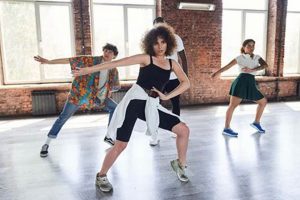
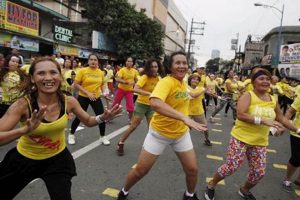
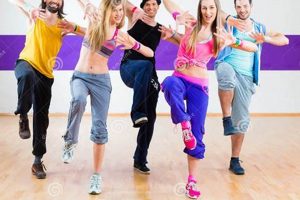
This combination merges the energetic choreography of Zumba with the measured pacing of slow dancing. It integrates simplified Zumba steps performed to slower tempos, often incorporating elements of traditional ballroom or Latin slow dances. For example, routines might feature modified salsa steps or simplified merengue movements adapted to slower, more controlled rhythms.
The integration of these styles offers several potential advantages. It can provide a lower-impact workout compared to traditional Zumba, making it accessible to individuals with joint issues or those new to exercise. Furthermore, it may enhance balance, coordination, and body awareness due to the emphasis on controlled movements. Historically, variations adapting faster dance forms to slower paces have been utilized for rehabilitation and introductory dance classes.
Understanding the foundational principles of adapting high-energy dance to slower tempos will be crucial when discussing the various movement modifications, suitable music selections, and specific target demographics for this activity. These core aspects are what truly define this unique fitness approach.
Guidance for Implementation
The following guidelines provide practical advice for instructors and participants seeking to engage effectively in this activity.
Tip 1: Emphasize Foundational Movements. Prioritize core steps derived from familiar dance styles. For example, begin with simplified cha-cha or rumba patterns, ensuring proper form and balance are maintained throughout.
Tip 2: Modify Intensity Levels. Adapt high-impact movements to a lower intensity. Rather than jumping, focus on controlled weight shifts and rhythmic stepping to reduce stress on joints.
Tip 3: Select Appropriate Music. Opt for songs with slower tempos and clear, consistent beats. Consider genres such as Latin ballads, R&B, or smooth jazz to create a relaxed yet engaging atmosphere.
Tip 4: Incorporate Rest Periods. Integrate brief recovery intervals between segments to allow for adequate recuperation and prevent overexertion, particularly for novice participants.
Tip 5: Focus on Posture and Alignment. Maintain proper posture throughout each routine to maximize benefits and minimize risk of injury. Engage core muscles to support spinal stability and improve balance.
Tip 6: Adapt to Participant Needs. Tailor choreography to accommodate diverse fitness levels and physical limitations. Offer modifications and variations to ensure inclusivity and accessibility for all individuals.
Tip 7: Promote Mindful Movement. Encourage participants to focus on the connection between mind and body. Cultivate an awareness of breath and movement to enhance relaxation and reduce stress.
Adhering to these suggestions will help facilitate a safe, effective, and enjoyable experience, promoting both physical and mental well-being.
The subsequent section will address considerations for specific populations and specialized applications of these dance techniques.
1. Reduced Impact

The “Reduced Impact” characteristic is a central component, distinguishing it from conventional, higher-intensity Zumba formats. The slower tempos and modified movements inherent in this dance form directly translate to lessened stress on joints and connective tissues. This is because movements like jumping, high-impact aerobics, and rapid pivots, which are prevalent in standard Zumba, are either eliminated or significantly adapted. Instead, this variation favors controlled steps, weight shifts, and grounded movements, thereby decreasing the force exerted on the musculoskeletal system. For example, a traditional Zumba salsa step might involve a hop or leap, whereas the adapted version would focus on a smooth, controlled transfer of weight from one foot to the other, maintaining constant contact with the floor. This alteration significantly lowers the impact force, minimizing the risk of strain or injury.
The importance of “Reduced Impact” extends beyond injury prevention; it broadens the accessibility of Zumba to a wider demographic. Individuals with pre-existing joint conditions, such as arthritis or knee problems, as well as older adults and those new to exercise, can participate more comfortably and safely. This makes it a viable fitness option for populations who might otherwise be excluded from traditional Zumba classes. The practical significance of this understanding lies in tailoring the routines and movements to meet the needs of these specific groups. Instructors must be mindful of movement modifications, ensuring that all steps can be performed with minimal joint stress. This often involves providing alternatives for more challenging sequences and emphasizing proper form and alignment throughout the class.
In summary, the “Reduced Impact” aspect is not merely an incidental feature but rather a foundational principle. It dictates the structure and execution of movements, influencing both the safety and inclusivity. Recognizing the importance of minimizing joint stress allows instructors to create engaging and effective exercise programs that benefit a diverse range of participants. The challenge lies in maintaining the energy and fun associated with Zumba while simultaneously prioritizing joint health and accessibility. Balancing these elements is key to the successful implementation of this dance style.
2. Modified Tempo

The success of a Zumba routine hinges on the music’s beat, thus directly influencing the choreography’s pace. The standard Zumba format relies on high-energy music with quick tempos, usually within the 130-145 beats per minute (BPM) range. However, in this adaptation, the music tempo is deliberately reduced. This modification in tempo, often falling within the 90-120 BPM range, has a cascading effect on the movement vocabulary. It allows for increased control, precision, and a more deliberate execution of each step, thereby mitigating the impact force on joints. For instance, a typical Zumba salsa routine might have quick footwork and rapid weight transfers executed to a fast-paced salsa song. In the modified tempo version, the same salsa steps are performed at a significantly slower pace, allowing participants to focus on balance, posture, and muscle engagement without the stress of maintaining a high speed. This makes the activity far more accessible to individuals with limited mobility or those seeking a lower-intensity workout.
The practical significance of understanding the link between “Modified Tempo” and its effect on the entire routine is substantial. It directs the music selection process, demanding careful consideration to the BPM range. Songs with slower tempos and clearly defined beats are crucial to ensure that participants can follow the choreography accurately and safely. Also, instructors can modify dance steps. For instance, a quick merengue can be modified to incorporate a more controlled hip movement and a slower weight transfer. The modifications enhance the experience to focus on a slower, smoother movement, making it suitable for elderly populations or participants with joint concerns. This approach ensures that individuals can experience the joy of movement and dance without compromising their physical well-being.
Ultimately, the “Modified Tempo” serves as a foundational pillar of the adapted Zumba class. It is not simply a matter of playing slower music; it necessitates a complete recalibration of the movement vocabulary and instructional approach. The result is a fitness modality that retains the core elements of Zumba the fun, the community, and the cardiovascular benefits while addressing the needs of a broader range of individuals. However, care needs to be taken, to create routines engaging and not boring. With all of this, an engaging adaptation that caters to diverse fitness levels, thus offering a sustainable and enjoyable means of physical activity is achieved.
3. Control Emphasis

Within the context of adapting high-energy dance forms to slower tempos, “Control Emphasis” emerges as a critical element. Unlike traditional Zumba, where the focus often rests on speed and cardiovascular exertion, this modified version prioritizes precise, deliberate movements. The reduction in tempo provides participants with increased time to focus on form, posture, and muscle engagement. This enhanced awareness of body mechanics contributes to improved balance, coordination, and a decreased risk of injury. For example, instead of rapidly executing a grapevine step, participants are guided to consciously engage core muscles, maintain proper alignment, and execute each foot placement with deliberate precision. The cause and effect relationship is clear: slower speeds permit greater control, which, in turn, leads to improved technique and reduced potential for error.
The practical significance of “Control Emphasis” manifests in several ways. It allows individuals with limited mobility, balance issues, or prior injuries to participate safely and effectively. By slowing down the movements and focusing on proper form, participants can modify the exercise to suit their individual needs and abilities. Moreover, this approach promotes a deeper understanding of body mechanics and movement patterns. Participants become more attuned to their bodies, developing a greater awareness of muscle activation, joint alignment, and postural control. This translates to improved functional movement patterns in everyday life. Instructors play a crucial role in fostering this control, providing clear cues, demonstrating proper technique, and offering individualized feedback. They must guide participants to focus on quality over quantity, prioritizing precise execution over speed or repetition. For instance, modifications that increase stability, such as holding onto a chair, can be incorporated as necessary.
In summary, “Control Emphasis” is not merely a stylistic choice, but rather a foundational principle that underpins the safety, accessibility, and effectiveness of this modified dance activity. By prioritizing precise, deliberate movements and fostering a deeper awareness of body mechanics, it transforms a high-energy, fast-paced workout into a more controlled and accessible activity suitable for a wider range of individuals. The challenge lies in maintaining the fun and engaging aspects of Zumba while simultaneously emphasizing the importance of proper form and controlled execution. A successful implementation of “Control Emphasis” ensures that participants not only enjoy the physical benefits of exercise but also develop a greater understanding of their bodies and how to move safely and effectively.
4. Enhanced Balance
Improved equilibrium represents a key potential benefit derived from adapting high-energy dance movements to slower tempos. This adaptation facilitates a heightened awareness of postural control, weight distribution, and proprioceptive feedback, contributing to improved stability during movement.
- Increased Stability Time
Sustained poses, often integrated into this activity, necessitate prolonged engagement of stabilizing musculature. For instance, a modified cha-cha sequence may incorporate extended weight shifts and single-leg stances. The duration of these stances requires constant adjustments by the neuromuscular system to prevent falls, thus strengthening the body’s capacity to remain balanced for longer periods. This directly benefits everyday activities that involve maintaining posture, such as walking or standing for extended durations.
- Modified Center of Gravity (COG)
The controlled movements allow for an improved perception of an individual’s center of gravity. This could happen during lateral movements in a routine, where participants learn to shift their weight while maintaining an upright posture. This refined awareness of COG and weight distribution can reduce risks associated with falls, particularly among elderly participants.
- Muscular Strengthening
Muscular strengthening of the core, hips, and ankles directly underpins balance. The engagement and reinforcement of these muscle groups is heightened through the controlled motions. Routine will cause improvement in the body’s natural mechanics.
- Proprioceptive Input Amplification
Proprioceptive feedback is the body’s ability to sense its position in space. The deliberate movements emphasize the awareness of joint position and muscle tension, enhancing proprioceptive input. Individuals may become more mindful of their body’s position. Improvements in proprioception result in quick adjustments to maintain balance in response to external disturbances, such as uneven surfaces or sudden shifts in momentum.
These interlinked aspects underscore how integration facilitates balance improvements by reinforcing stability, enhancing bodily awareness, strengthening key muscles, and refining sensory input. The slower tempo and emphasis on controlled movement patterns permit participants to cultivate refined balance skills, benefiting their overall physical well-being and reducing their risk of falls. Ultimately, this balance training is an invaluable element.
5. Accessible Inclusivity
The adaptation of Zumba towards slower tempos and controlled movements directly enhances its accessibility to a broader range of individuals. “Accessible Inclusivity” in this context signifies the ability of diverse populations, irrespective of age, fitness level, or physical limitations, to participate meaningfully in and benefit from the activity. The reduced impact and modified intensity inherent in this style effectively remove barriers that might prevent participation in traditional Zumba. For instance, individuals with joint pain, limited mobility, or cardiovascular concerns, who might find the high-impact nature of standard Zumba prohibitive, can engage comfortably and safely in its slower variant. This is because the modifications allow participants to exercise within their physical capabilities, rather than forcing them to meet a pre-defined fitness standard. Consequently, this adaptation promotes a more inclusive fitness environment, fostering a sense of belonging and encouraging greater participation from previously excluded groups.
The practical significance of “Accessible Inclusivity” in this context is multifaceted. It necessitates a shift in instructional approach, requiring instructors to be mindful of diverse needs and abilities. The need for careful consideration of music selection, choreographic modifications, and individualized support becomes paramount. For example, instructors might offer variations of steps to accommodate participants with limited range of motion or provide seated modifications for those with mobility restrictions. Moreover, creating a supportive and non-judgmental environment is essential to fostering a sense of inclusion and encouraging ongoing participation. Real-world examples demonstrate the impact of this approach. Senior centers and rehabilitation facilities have successfully implemented this technique, reporting increased participation rates and positive outcomes for participants with various health conditions. These results highlight the power of adaptation in making fitness accessible and beneficial for all.
In conclusion, “Accessible Inclusivity” is not merely a desirable attribute but a foundational element, shaping its structure, implementation, and impact. The ability to accommodate diverse needs and abilities is crucial to maximizing the benefits of physical activity and promoting overall well-being within a broader population. The challenge lies in continually adapting and innovating to meet the evolving needs of diverse communities, ensuring that fitness remains accessible and inclusive for all individuals, regardless of their physical limitations or life circumstances. This commitment to accessibility fosters a more equitable and healthier society.
6. Mind-Body Awareness

The practice inherently cultivates an enhanced connection between mental focus and physical movement. The reduced tempo allows participants to become more attuned to the sensations within their bodies, fostering a heightened awareness of muscle activation, joint position, and overall posture. This heightened internal focus is a direct consequence of the slower pace, which provides increased time for interoception the ability to sense the internal state of one’s body. For example, instead of rushing through a series of steps, participants can consciously engage their core muscles, align their spines, and coordinate their breathing with each movement. This deliberate attention to detail promotes a deeper understanding of body mechanics and reinforces the link between thought and action. The importance of this aspect lies in its potential to reduce stress, improve coordination, and enhance overall well-being. By cultivating greater body awareness, participants can develop more effective movement patterns, prevent injuries, and experience a greater sense of embodiment.
Practical applications of this heightened awareness extend beyond the dance floor. Individuals may find themselves more attuned to subtle cues from their bodies in everyday activities, allowing them to make adjustments to prevent pain or discomfort. For instance, recognizing tension in the shoulders or neck during work tasks can prompt individuals to consciously relax their muscles and improve their posture. Furthermore, the mindful movement practiced may translate to improved emotional regulation and stress management. By learning to focus their attention on the present moment and cultivate a non-judgmental awareness of their thoughts and feelings, participants can develop greater resilience in the face of life’s challenges. A real-world example of this is the use of mindful movement practices, such as yoga and Tai Chi, in stress reduction programs. These activities, like this dance style, emphasize the connection between mind and body, promoting relaxation and improving overall mental well-being. An instructor can introduce a brief mindfulness exercise at the beginning of the session by inviting attendees to focus on their breath and quiet their mind before the activity. It has been found the addition of mindfulness exercises with dancing activities leads to greater body awareness and stress reduction.
In summary, the connection between mental focus and physical activity is a crucial element. By slowing down the pace and emphasizing controlled movements, it provides an opportunity to cultivate a deeper awareness of the body. This heightened awareness offers a range of benefits, from improved movement patterns and injury prevention to reduced stress and enhanced emotional regulation. The challenge lies in effectively guiding participants to cultivate this connection, creating a supportive and non-judgmental environment that encourages exploration and self-discovery. Integrating principles of mindfulness, providing clear and concise instructions, and offering individualized feedback are all essential components of fostering enhanced mind-body awareness. The ultimate goal is to empower participants to become more attuned to their bodies, move with greater ease and confidence, and experience a greater sense of overall well-being.
7. Rhythmic Stability

Rhythmic stability represents a cornerstone in the successful execution and overall efficacy of this dance-based activity. It underpins the ability of participants to synchronize their movements with the music, fostering coordination, enhancing enjoyment, and maximizing the potential cardiovascular benefits. Without a consistent and predictable rhythmic framework, the choreography becomes disjointed and difficult to follow, leading to frustration and a diminished exercise experience.
- Tempo Consistency
Maintaining a steady tempo throughout the music is paramount. Fluctuations in speed disrupt the flow of the choreography and make it challenging for participants to maintain synchronicity. For instance, a song with sudden accelerations or decelerations would be unsuitable, as it would require constant adjustments and undermine the intended slower pace. Instead, music selections should prioritize songs with a consistent beat per minute (BPM) that aligns with the modified intensity of the activity.
- Clear Beat Identification
The rhythmic structure of the music must be easily discernible, allowing participants to readily identify the underlying pulse and anticipate upcoming movements. This requires selecting music with prominent and well-defined percussion elements, such as a consistent drumbeat or bass line. Ambiguous or overly complex rhythmic patterns can create confusion and make it difficult for participants to stay on beat. This is especially critical for individuals with limited dance experience or auditory processing challenges.
- Predictable Rhythmic Patterns
Music with repetitive and predictable rhythmic patterns allows participants to anticipate the choreography and internalize the movements. This predictability fosters a sense of confidence and mastery, encouraging greater participation and enjoyment. Conversely, music with erratic or unpredictable rhythms can lead to frustration and a decreased sense of accomplishment. This is particularly important in a group exercise setting, where maintaining a cohesive and synchronized movement pattern is essential for creating a positive and supportive environment.
- Congruence with Choreography
The choreography must be carefully aligned with the rhythmic structure of the music. The steps should naturally flow with the beat, creating a seamless and harmonious integration of movement and sound. Mismatched or poorly synchronized choreography can lead to confusion, disrupt the flow of the activity, and diminish the intended cardiovascular benefits. Instructors must meticulously select music and choreograph routines that complement each other, ensuring a consistent and predictable rhythmic experience for participants.
These elements are crucial for fostering a sense of stability and predictability, enabling participants to engage confidently and effectively. By prioritizing tempo consistency, clear beat identification, predictable rhythmic patterns, and congruence with choreography, instructors can create a rhythmically stable environment that enhances the enjoyment, efficacy, and overall benefits of this modified dance-based exercise.
Frequently Asked Questions
The following addresses common inquiries surrounding a modified fitness program. These clarifications aim to provide comprehensive insights into its nature and applicability.
Question 1: What fundamentally distinguishes it from traditional Zumba?
Traditional Zumba typically features high-energy Latin rhythms and fast-paced choreography. In contrast, a slower tempo incorporates modified steps executed with greater control and reduced impact.
Question 2: Is this activity suitable for individuals with pre-existing joint conditions?
Due to its lower impact nature, this variation may be suitable for individuals with joint pain or mobility limitations. However, consultation with a healthcare professional is recommended prior to participation.
Question 3: What specific benefits can be expected from this type of exercise?
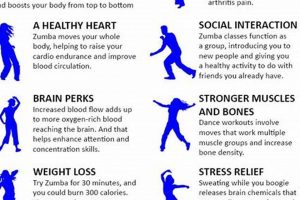
Potential benefits include improved balance, coordination, cardiovascular fitness, and increased muscular endurance. The reduced impact also minimizes the risk of joint stress and injury.
Question 4: What types of music are typically used in a setting?
Music selection generally includes slower-tempo Latin rhythms, ballads, and R&B tracks. The critical factor is maintaining a consistent beat and a tempo that aligns with the modified choreography.
Question 5: How are traditional Zumba steps modified for a lower-impact version?
Modifications often involve replacing high-impact movements, such as jumps and leaps, with controlled steps and weight transfers. Emphasis is placed on maintaining proper form and engaging core muscles.
Question 6: Are there specific considerations for instructors leading this activity?
Instructors should prioritize clear cues, demonstrate proper technique, and offer modifications to accommodate diverse fitness levels. Creating a supportive and inclusive environment is essential.
In summary, understanding the nuances and potential benefits is paramount for safe and effective participation. This knowledge facilitates informed decisions regarding fitness program selection and individual exercise strategies.
The next section will explore advanced adaptations and specialized applications of these dance and fitness principles.
Zumba Slow Dance
This examination of Zumba Slow Dance reveals a deliberate adaptation of a high-energy fitness modality to accommodate a broader spectrum of physical capabilities. Key elements, including reduced impact, modified tempo, and control emphasis, converge to create an exercise form that prioritizes accessibility and mindful movement. The potential benefits extend beyond mere physical exertion, encompassing improved balance, enhanced mind-body awareness, and increased inclusivity within fitness communities.
The continued exploration and refinement of Zumba Slow Dance hold significant potential for promoting sustained physical activity across diverse populations. Further research and practical application will determine its long-term efficacy and impact on individual and community health. It warrants consideration as a viable option for those seeking to integrate dance and fitness in a safe, effective, and engaging manner.