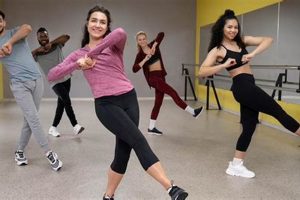
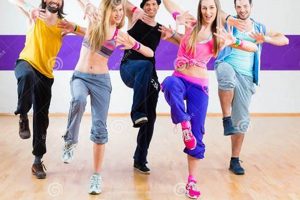
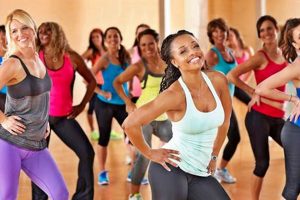
Zumba incorporates various rhythmic movements inspired by Latin American dances, such as salsa, merengue, cumbia, and reggaeton, blended with international rhythms. This fusion creates a dynamic fitness program. The specific routines can differ significantly based on the instructor’s choreography and the music selection, resulting in varied experiences for participants.
Participation in this type of fitness activity offers several benefits, including improved cardiovascular health, increased muscle endurance, and enhanced coordination. Historically, this dance-fitness approach emerged as a way to make exercise more engaging and accessible, moving away from traditional, repetitive workout formats. The emphasis on fun and energetic music encourages adherence and makes it a popular group activity.
The following sections will delve into specific variations, examining their unique characteristics and intended fitness outcomes. The discussion will also cover how these diverse approaches can be adapted for different fitness levels and preferences. Exploring these aspects provides a fuller understanding of the possibilities offered.
Considerations for Varied Zumba Approaches
Maximizing the benefits of participation requires mindful selection and informed execution.
Tip 1: Assess Fitness Level: Prior to engaging, evaluate current physical capabilities. Modifications are often necessary for beginners or individuals with physical limitations.
Tip 2: Understand Rhythmic Foundations: Familiarity with the underlying Latin dance rhythms enhances coordination and reduces the risk of injury. Consider introductory classes focusing on basic steps.
Tip 3: Prioritize Proper Form: Maintaining correct posture and technique is crucial for preventing strains and maximizing muscle engagement. Seek guidance from certified instructors to refine form.
Tip 4: Hydrate Adequately: Vigorous activity necessitates sufficient fluid intake. Consume water before, during, and after sessions to maintain optimal performance and prevent dehydration.
Tip 5: Select Appropriate Footwear: Supportive athletic shoes designed for lateral movement are essential. This minimizes stress on joints and provides stability during dynamic sequences.
Tip 6: Gradually Increase Intensity: Overexertion can lead to injury. Progress at a pace that aligns with individual fitness levels. Avoid pushing beyond one’s limits, especially in initial sessions.
Tip 7: Listen to the Body: Recognize and respond to signals of fatigue or discomfort. Rest when needed and avoid pushing through pain to prevent potential injuries.
By carefully considering these aspects, individuals can optimize their experience and derive the greatest physical and mental benefits from this form of exercise.
The subsequent sections will explore specific safety considerations and address common misconceptions related to the various classes.
1. Rhythm

Rhythm forms the foundational structure of Zumba. It dictates the pace, sequence, and overall feel of the movements. The cause-and-effect relationship is straightforward: distinct rhythms necessitate specific steps and patterns. For example, the fast-paced rhythm of reggaeton calls for energetic, high-impact movements, whereas the slower, more sensual rhythm of salsa facilitates fluid hip movements and partner-work inspired steps. This rhythmic diversity is not merely aesthetic; it actively engages different muscle groups and energy systems.
The importance of rhythm within this discipline is underscored by its direct influence on the workout’s intensity and effectiveness. Understanding the underlying rhythm allows participants to anticipate movements, maintain proper form, and maximize calorie expenditure. Instructors leverage this understanding to seamlessly transition between different dance styles, creating a comprehensive and engaging experience. This ensures a dynamic fitness regimen.
Ultimately, an appreciation for rhythm in this context transcends mere physical execution. It enhances coordination, fosters musicality, and provides a deeper connection to the cultural origins of the dances. While challenges may arise in mastering complex rhythmic patterns, recognizing the underlying structures allows individuals to navigate variations and progress steadily. The ability to synchronize movement with diverse rhythmic expressions not only enhances physical proficiency but also contributes to a greater sense of accomplishment and enjoyment, linking back to the core concept of making exercise engaging and sustainable.
2. Intensity

Intensity, a crucial element, directly correlates to the physical exertion required during Zumba sessions and is intrinsically linked to its various forms. The level of intensity is influenced by the speed of the music, the range of motion involved, and the inclusion of high-impact movements, and the duration of activity. A Zumba class incorporating primarily salsa and merengue, for example, might feature moderate intensity due to its emphasis on rhythmic steps and controlled movements. Conversely, a session heavily influenced by reggaeton or hip-hop will likely present higher intensity because of faster tempos, jumping jacks, and more demanding athletic elements.
Recognizing the relationship between intensity and different types of Zumba is essential for participants to effectively align their fitness goals with specific class types. An individual seeking cardiovascular endurance might benefit from the higher-intensity reggaeton-focused sessions. In contrast, someone recovering from an injury or new to exercise could find the low-impact Zumba Gold, designed for active older adults and beginners, more appropriate. The significance of understanding the intended level of exertion enables informed participation and helps reduce the risk of overexertion or injury. Certified instructors often modify routines to accommodate varying fitness levels within a single class.
In conclusion, intensity serves as a fundamental differentiating factor between the various Zumba class offerings. The deliberate manipulation of tempo, movement patterns, and impact levels provides distinct physiological and fitness outcomes. An informed comprehension of this interplay between intensity and the chosen type helps participants maximize effectiveness while minimizing potential harm. This understanding also empowers individuals to tailor their participation, thus fostering a sustainable approach to fitness within the Zumba framework.
3. Choreography
Choreography constitutes a fundamental component of Zumba, dictating the structure and flow of movements within each session. The selection and arrangement of dance steps directly determine the overall experience. Specific dance styles, such as salsa, merengue, or cumbia, inform the choreographic foundation, contributing to the unique character of the class. Instructors curate routines to incorporate diverse steps and patterns, resulting in varying levels of complexity and physical demand. For example, a Zumba Toning class integrates exercises utilizing light weights into the choreographed sequences to enhance muscle engagement. Thus, the routines in different classes, while all falling under the Zumba umbrella, can present a significant divergence in style and fitness objective.
The importance of choreography within this fitness discipline lies in its ability to engage participants both physically and mentally. Well-designed routines promote coordination, improve memory recall, and provide a sense of accomplishment as participants master new steps. Conversely, poorly structured choreography can lead to confusion, frustration, and an increased risk of injury. Consider the difference between a routine that smoothly transitions between steps and one that abruptly changes direction or pace. The former promotes a sense of fluidity and enjoyment, while the latter can be jarring and disruptive. Certified instructors receive specialized training to create effective and safe choreographic sequences.
In summation, choreography is integral to the Zumba experience, shaping the intensity, style, and overall effectiveness of each class. Understanding the role of choreography enhances the ability to select appropriate classes, anticipate movements, and maximize fitness outcomes. While mastering routines can present initial challenges, especially for beginners, recognizing the choreographic structure allows participants to navigate the steps with greater confidence and derive maximum benefit from this fitness activity. The strategic arrangement of dance steps directly impacts the quality of the workout, underscoring its pivotal role in the discipline.
4. Music

Music forms the very heartbeat, the kinetic energy source, driving the dynamic movements found within Zumba classes. It’s not mere accompaniment; it’s a fundamental element dictating pace, intensity, and the overall immersive experience. Selections directly reflect the intended focus of each particular class type.
- Genre Selection
The selection of musical genres directly informs the style and intensity of the session. Traditional Latin rhythms, such as salsa, merengue, and cumbia, typically characterize a classic Zumba class, offering a moderate level of exertion. Conversely, incorporating genres like reggaeton or Latin hip-hop significantly increases the tempo and introduces more high-impact elements. This strategic employment of genre directly determines the fitness outcome and target demographic.
- Tempo and Beats Per Minute (BPM)
Tempo is critical. The speed of the music, measured in BPM, sets the pace for all movements. Faster BPMs translate into higher energy expenditure and cardiovascular demand, while slower BPMs emphasize controlled movements and muscle engagement. A Zumba instructor carefully modulates tempo to achieve specific training goals, such as improving aerobic capacity or enhancing coordination. Music at 130-140 BPM is common for high-energy segments, while cooldowns may drop to 90-100 BPM.
- Cultural Authenticity
Music provides a bridge to the cultural origins of the dances. Authentic rhythms and instrumentation immerse participants in the traditions of Latin America and beyond. This not only enhances the enjoyment of the session but also promotes a greater understanding and appreciation for diverse cultures. Instructors often incorporate traditional instruments and vocal styles to enrich the experience and provide a contextual understanding of the movements.
- Motivational Impact
The intrinsic motivational power of music contributes significantly to participant engagement and adherence. Upbeat rhythms and catchy melodies encourage continued participation, even during challenging segments. Furthermore, music can serve as a powerful emotional cue, influencing mood and promoting a sense of community within the class. Instructors leverage this motivational aspect by selecting songs that resonate with participants and fostering a positive and inclusive environment.
The intertwined relationship between music and Zumba dictates both the physical and emotional tenor of the workout. Intentional curation is therefore essential for delivering a valuable and engaging fitness experience. Careful selection amplifies the exercise benefits while simultaneously fostering cultural awareness and creating a sustainable workout routine.
5. Fitness
Fitness is a primary driver for participation in Zumba. The varying styles and approaches offer diverse avenues for achieving specific health and wellness goals. Understanding these connections is crucial for maximizing the benefits.
- Cardiovascular Enhancement
Elevated heart rate is a direct result of the continuous movement. Zumba classes, particularly those incorporating high-energy rhythms such as reggaeton, elevate cardiovascular function. This provides aerobic benefits comparable to traditional cardio exercises. Regular participation has demonstrated improvements in blood pressure and cholesterol levels, reducing the risk of heart disease.
- Muscular Endurance and Strength
While often perceived as purely aerobic, many routines incorporate elements that enhance muscular endurance, particularly in the legs and core. Specific variations, such as Zumba Toning, utilize light weights to further challenge muscle groups, building strength and definition. Resistance training within these dance contexts is effective for improving muscle tone and increasing metabolic rate.
- Flexibility and Coordination
The dynamic movements and range of motion promote flexibility and improve coordination. The need to learn and execute dance steps enhances cognitive function and spatial awareness. Routines demand coordination between various muscle groups, refining motor skills and improving balance. Improved flexibility reduces risk of injury and enhances overall physical performance.
- Calorie Expenditure and Weight Management
Classes effectively burn calories. The energy expenditure from a single session contributes to weight management. Combining it with a balanced diet supports weight loss goals. The high-energy nature and group setting can increase adherence, leading to consistent exercise habits. Sustained participation leads to long-term weight management and improvements in body composition.
The fitness benefits offered by Zumba classes extend beyond mere physical changes. The improvements in cardiovascular health, muscular endurance, flexibility, and coordination contribute to overall well-being. The calorie expenditure supports weight management and reduces the risk of chronic diseases. Thus, understanding these facets of fitness is crucial for both participants and instructors to optimize the health advantages of this popular dance fitness program.
6. Culture

Cultural influences permeate the framework of Zumba, directly shaping its movements, music, and overall ethos. These influences are not superficial additions but rather integral components, enriching the fitness experience and connecting participants to diverse global traditions.
- Dance Styles as Cultural Embodiments
The dance styles incorporated within Zumba serve as potent embodiments of cultural heritage. Salsa, originating from Cuban son and other Afro-Caribbean rhythms, carries within its steps the energy and expression of its cultural roots. Similarly, merengue, the national dance of the Dominican Republic, communicates a vibrant and celebratory spirit. These movements are not merely physical exercises; they represent cultural narratives and traditions passed down through generations.
- Music as a Cultural Narrative
Music provides a powerful conduit for cultural expression within Zumba. The instrumentation, rhythms, and lyrical content of songs offer insights into the cultural context of the dance. Cumbia, originating from Colombia, frequently incorporates traditional instruments such as the gaita and caja vallenata, while reggaeton, a genre with roots in Panama and Puerto Rico, blends Latin and Caribbean rhythms with hip-hop influences. These musical choices contribute to the overall authenticity and cultural immersion of the Zumba experience.
- Instructor’s Role in Cultural Transmission
Instructors play a significant role in transmitting cultural knowledge. Their understanding of the origins and nuances of the dance styles shapes the presentation and interpretation of the movements. Instructors may choose to incorporate explanations of the cultural significance of particular steps or musical selections, enriching the participant’s understanding. This conscious integration of cultural context elevates it beyond a purely physical exercise.
- Cultural Sensitivity and Appropriation
The incorporation of cultural elements within Zumba also raises considerations of cultural sensitivity. It is vital to approach diverse traditions with respect and authenticity, avoiding cultural appropriation. Instructors have a responsibility to educate themselves about the origins and meanings of the dances they teach, presenting them in a way that honors their cultural context. Maintaining cultural sensitivity ensures the program remains respectful and enriching for all participants.
The incorporation of diverse cultural elements enhances the enjoyment and significance of Zumba. Understanding the role of these traditions fosters respect and appreciation for global diversity. This ensures that the activity remains culturally sensitive and provides a truly enriching experience for all individuals.
Frequently Asked Questions about Zumba Styles of Dance
This section addresses prevalent inquiries regarding Zumba, providing clear and concise information to enhance understanding of the practice.
Question 1: What constitutes a “Zumba style of dance”?
A Zumba style of dance refers to a specific variation within the Zumba fitness program, distinguished by its unique blend of rhythms, choreography, and fitness objectives. These variations incorporate different dance styles, such as salsa, merengue, cumbia, and reggaeton, to create diverse workout experiences.
Question 2: How do diverse Zumba styles cater to varying fitness levels?
Different Zumba styles are designed to accommodate diverse fitness levels. For instance, Zumba Gold is tailored for active older adults and beginners, featuring low-impact movements and slower tempos. Conversely, Zumba Step incorporates step aerobics elements, providing a higher-intensity workout suitable for individuals with intermediate to advanced fitness levels.
Question 3: What are the essential distinctions between Zumba Toning and traditional Zumba?
Zumba Toning integrates light weights into the choreographed sequences to enhance muscle engagement. While traditional Zumba primarily focuses on cardiovascular fitness and dance-based movements, Zumba Toning combines these elements with resistance training to improve muscle strength and endurance.
Question 4: How significant is musical diversity within various Zumba classes?
Musical diversity plays a crucial role in differentiating Zumba classes. The selection of musical genres directly influences the intensity, style, and overall experience. Classes may feature a wide range of rhythms, including Latin American, international, and even pop music, to cater to diverse preferences and fitness goals.
Question 5: What considerations should be made before choosing a specific Zumba class?
Prior to selecting a Zumba class, individuals should assess their fitness level, personal preferences, and specific fitness goals. It is essential to consider the intensity level, choreographic complexity, and musical style of the class to ensure it aligns with one’s capabilities and objectives. Consultation with a certified instructor may provide additional guidance.
Question 6: Can participation in multiple Zumba styles provide a comprehensive fitness regimen?
Engagement in various Zumba styles can contribute to a well-rounded fitness regimen. By diversifying workout routines, individuals can challenge different muscle groups, improve coordination, and prevent plateaus. A combination of Zumba Gold, traditional Zumba, and Zumba Toning, for example, may offer a balance of cardiovascular fitness, muscle strength, and flexibility.
The diverse approaches allow individuals to tailor participation, thus fostering a sustainable approach to fitness. Awareness of these elements fosters a sustainable approach to fitness.
The subsequent sections will explore specific safety considerations.
Zumba Styles of Dance
This exploration has illuminated the diverse landscape of Zumba styles, emphasizing the foundational elements of rhythm, intensity, choreography, music, fitness implications, and cultural underpinnings. An understanding of these elements facilitates informed participation and allows individuals to tailor their experience to meet specific fitness goals. The examination of these variations provides a framework for appreciating the nuances within this fitness domain.
Consideration of these factors equips individuals to make informed decisions about their fitness journey and promotes a more sustainable and enriching approach to wellness. Continued awareness of evolving trends and adaptations within this dynamic field will optimize both individual and community health outcomes, ensuring that this remains an accessible and beneficial activity for diverse populations.