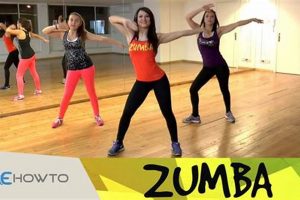
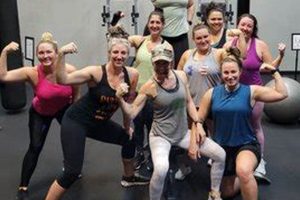
This activity blends Latin-inspired dance movements with routines reminiscent of past decades, providing a dynamic and engaging physical workout. The exercises integrate aerobic steps and rhythmic patterns set to music from eras gone by. As an example, one might encounter a salsa step seamlessly transitioning into a disco-era move, or a merengue followed by a funk-inspired sequence. This method creates a high-energy, multifaceted approach to exercise.
The practice offers multiple advantages, encompassing cardiovascular health improvement, enhanced coordination, and a boost to overall mood. The fusion of familiar dance styles can evoke feelings of nostalgia, fostering a greater sense of enjoyment and motivation. Historically, dance-based fitness programs have proven effective at encouraging participation and adherence due to their inherently social and entertaining nature.
The following discussion will elaborate on the specific dance styles incorporated, the typical class structure, modifications for varying fitness levels, and the potential physical and psychological advantages associated with participating in this type of fitness regimen. Further sections will detail considerations for instructors, equipment requirements, and safety precautions.
Guidance for Optimal Participation
This section offers guidance intended to maximize both safety and efficacy while participating in routines that combine Latin dance rhythms with exercises inspired by vintage trends.
Tip 1: Prioritize Proper Footwear: Supportive athletic shoes are essential. Select footwear that provides adequate cushioning and lateral support to minimize the risk of ankle injuries, particularly during high-impact steps and turns. Avoid shoes with excessive tread that could hinder fluid movement.
Tip 2: Maintain Hydration: Consume water consistently before, during, and after each session. Dehydration can lead to muscle cramps, reduced performance, and increased risk of heat-related illness. Aim for small, frequent sips rather than large gulps.
Tip 3: Focus on Core Engagement: Actively engage the core muscles throughout the workout. This not only improves stability and posture but also enhances the effectiveness of many dance movements, particularly those involving torso rotation and balance.
Tip 4: Adapt Intensity as Needed: Modify movements to suit individual fitness levels and physical limitations. If a particular step feels too challenging or causes pain, reduce the range of motion or substitute with a lower-impact alternative. Consult with the instructor for appropriate modifications.
Tip 5: Pay Attention to Body Mechanics: Focus on maintaining proper form and alignment. This is particularly important during repetitive movements. Incorrect form can lead to strain and injury. If unsure, seek clarification from the instructor.
Tip 6: Listen to Your Body’s Signals: Rest or reduce intensity if experiencing pain, dizziness, or shortness of breath. Pushing through discomfort can exacerbate existing conditions and prolong recovery time. Recognize the difference between fatigue and pain.
Tip 7: Learn Basic Steps Outside of Class: Familiarity with fundamental dance steps can enhance confidence and improve participation in group sessions. Review videos or tutorials to build a foundation and reduce the learning curve during class.
Consistent application of these recommendations can contribute to a safer, more effective, and more enjoyable exercise experience. Paying attention to these points will help to achieve the desired benefits of improved fitness and well-being.
The subsequent sections will address program variations, advanced techniques, and strategies for maintaining long-term engagement.
1. Cardiovascular Enhancement

The rhythmic movements inherent in dance-based fitness regimens provide a substantial stimulus for cardiovascular improvement. Such exercise, particularly when performed at a moderate to high intensity, elevates heart rate and increases oxygen consumption. This heightened demand on the circulatory system strengthens the heart muscle, improves blood vessel function, and enhances the body’s ability to deliver oxygen to working tissues. The specific integration of retro dance styles, which often involve sustained, repetitive motions, sustains elevated heart rate zones conducive to cardiovascular conditioning.
For example, a continuous routine incorporating 1970s disco moves or 1980s aerobic dance sequences can maintain heart rate within a target training zone for an extended period. This prolonged aerobic activity increases stroke volume, reduces resting heart rate, and improves overall cardiorespiratory fitness. Individuals engaging regularly will experience increased endurance, reduced blood pressure, and a lower risk of cardiovascular diseases. Furthermore, the varied dance styles prevent plateaus, ensuring continued cardiovascular adaptation over time.
Understanding this connection is critical for both participants and instructors. By recognizing the impact on cardiovascular health, individuals can tailor their intensity and frequency to achieve optimal benefits. Instructors can strategically design routines with specific heart rate goals in mind, maximizing the effectiveness of the class. The practical significance lies in leveraging the enjoyable and engaging nature of dance to achieve measurable and lasting improvements in cardiovascular health, potentially mitigating the risk of heart disease and promoting overall well-being.
2. Nostalgic Engagement

The element of nostalgic engagement constitutes a significant factor in the appeal and motivational power within fitness programs incorporating retro themes. The connection to past eras fosters a sense of familiarity and positive association, influencing adherence and overall enjoyment.
- Evocation of Positive Memories
Engagement with music and dance styles from specific decades often triggers the recall of positive personal experiences. This can create a more favorable emotional state during exercise, reducing the perceived exertion and increasing the likelihood of continued participation. For example, hearing a popular song from one’s youth while performing a familiar dance step can elicit feelings of joy and connection, making the workout feel less like a chore.
- Enhanced Sense of Community
Retro-themed fitness activities can foster a shared sense of community among participants who identify with the same era or cultural trends. This shared nostalgia can facilitate social interaction and create a supportive environment. Individuals who share memories of specific dance styles, fashion trends, or musical artists are more likely to bond and encourage one another.
- Increased Motivation and Adherence
The combination of familiar music, dance moves, and the positive emotions associated with nostalgia can significantly increase motivation and adherence to a fitness program. Participants are more likely to attend classes regularly and engage actively when they find the experience enjoyable and personally relevant. The nostalgic element transforms the workout from a routine into an experience, encouraging long-term commitment.
- Psychological Benefits
Engaging with nostalgic elements can have positive psychological effects, including reducing stress and improving mood. The act of reminiscing about positive past experiences can promote a sense of well-being and reduce feelings of anxiety or depression. The familiar and comforting nature of retro-themed activities can provide a sense of stability and connection, which is particularly beneficial during times of stress or uncertainty.
The integration of nostalgic engagement is not merely a superficial marketing tactic but a genuine factor in promoting positive physical and mental health outcomes. By tapping into the power of memory and association, fitness programs can create experiences that are not only effective but also deeply meaningful and enjoyable, fostering lasting engagement and well-being.
3. Coordination Improvement
The enhancement of coordination is a notable benefit derived from participation in fitness routines blending Latin dance and retro styles. This improvement stems from the multifaceted demands placed on motor skills and cognitive processing during these activities.
- Enhancement of Motor Skills
The execution of dance steps, particularly those integrating complex rhythms and patterns, necessitates the refinement of motor skills. Routines require precise timing, spatial awareness, and the ability to synchronize movements across different body parts. For example, transitioning from a cha-cha step to a 1980s jazz square requires a rapid adjustment of footwork, arm movements, and posture, thereby sharpening overall motor control.
- Spatial Awareness and Body Positioning
Effective participation demands an acute sense of spatial awareness and precise body positioning. Individuals must maintain balance, avoid collisions with others in a group setting, and accurately execute steps within a defined space. For instance, performing a series of turns during a disco-inspired sequence requires precise spatial judgment to maintain equilibrium and avoid disorientation. These demands enhance proprioception and refine the ability to navigate one’s body within the surrounding environment.
- Cognitive Processing and Reaction Time
The learning and recall of dance routines place significant demands on cognitive processing and reaction time. Participants must rapidly process auditory cues (music) and visual cues (instructor demonstrations) to anticipate and execute the next movement. Furthermore, routines often incorporate unexpected variations or improvisational elements, requiring quick thinking and adaptability. For example, responding to a sudden change in tempo or a new dance move introduced by the instructor necessitates swift cognitive processing and a rapid motor response.
- Neuroplasticity and Skill Acquisition
The continuous learning and practice of new dance routines stimulate neuroplasticity, the brain’s ability to reorganize itself by forming new neural connections throughout life. This process enhances cognitive flexibility and facilitates the acquisition of new skills. As individuals become more proficient in dance movements, they develop new neural pathways that improve their ability to learn and execute other complex motor tasks. This suggests that the benefits of coordination improvement extend beyond the dance floor and can positively impact other aspects of daily life.
These factors collectively contribute to enhanced coordination. The combination of motor skill refinement, spatial awareness, cognitive processing, and neuroplasticity fosters a holistic improvement in motor control and cognitive function. The benefits derived from these improvements extend beyond the specific activity, influencing an individual’s ability to perform a wide range of physical and cognitive tasks with greater efficiency and precision.
4. Calorie Expenditure

Calorie expenditure is a direct consequence of the physical exertion involved in fitness programs. This relationship is particularly evident in dance-based regimens, where continuous movement and rhythmic patterns necessitate a significant energy demand. In the context of routines blending Latin and retro dance styles, this energy demand manifests through the engagement of multiple muscle groups and sustained periods of aerobic activity. Increased heart rate and respiration, physiological responses to exertion, serve as indicators of the metabolic rate and subsequent calorie consumption. The intensity and duration of the workout directly correlate with the number of calories burned.
The impact of calorie expenditure extends beyond weight management. It plays a crucial role in improving metabolic health, enhancing cardiovascular function, and supporting overall well-being. For instance, a 60-minute class featuring a blend of salsa, merengue, and disco-inspired moves can result in a substantial calorie burn, dependent on individual factors such as weight, fitness level, and intensity. This calorie deficit contributes to fat loss, improved insulin sensitivity, and a reduction in the risk of chronic diseases, such as type 2 diabetes and heart disease. Furthermore, the elevated metabolic rate persists for a period after the workout, further augmenting the total calorie expenditure.
Understanding the practical significance of calorie expenditure provides participants with valuable insights into the physiological benefits of physical activity. Awareness of energy consumption can encourage increased effort during exercise and promote adherence to a consistent fitness schedule. However, relying solely on calorie expenditure as a measure of progress presents challenges. Factors such as dietary intake, genetic predispositions, and individual metabolic variations can influence weight management and overall health outcomes. Nevertheless, by incorporating a blend of exercise, balanced nutrition, and lifestyle adjustments, individuals can effectively manage their weight, improve their health, and enhance their quality of life.
5. Social Interaction

Participation in “zumba retro fitness” frequently fosters social interaction among attendees. Group exercise environments inherently provide opportunities for individuals to connect, share experiences, and build relationships. The shared activity serves as a common ground, promoting interaction among individuals who may not otherwise encounter each other. The energetic and often lighthearted nature of such classes can reduce inhibitions and encourage communication. For example, participants might exchange encouraging words during a challenging routine or share stories about their favorite retro music. The resulting social bonds can enhance adherence to the fitness program, as individuals are more likely to attend classes when they feel a sense of belonging and camaraderie.
The social benefits extend beyond the class itself. Participants may form friendships and engage in social activities outside the fitness setting. This can lead to the creation of supportive networks, where individuals can offer encouragement, share fitness tips, and provide emotional support. Furthermore, the shared experience of learning dance routines and mastering new skills can foster a sense of accomplishment and shared identity. Real-world examples include groups of class attendees organizing social gatherings, participating in community events together, or even forming their own dance troupes. The importance of social interaction lies in its ability to transform a solitary exercise routine into a shared, enjoyable, and motivating experience.
Understanding the connection between group exercise and social interaction has practical significance for both participants and instructors. Instructors can intentionally foster a sense of community by incorporating icebreaker activities, encouraging partner work, and creating opportunities for attendees to connect outside of class. Participants can actively engage in social interaction by introducing themselves to new attendees, offering encouragement, and participating in group activities. While the primary goal of a fitness program is to improve physical health, the added benefit of social interaction can significantly enhance the overall experience and promote long-term adherence, thus contributing to holistic well-being. Potential challenges include ensuring inclusivity for individuals with social anxiety or varying levels of comfort with group interaction, and managing conflicts or social dynamics within the group setting.
6. Adaptable Intensity

Adaptable intensity serves as a cornerstone for inclusive participation and sustained engagement in fitness programs. Within the context of routines, the capacity to modify exercise demands to suit individual capabilities becomes crucial for accommodating a diverse range of fitness levels and physical limitations. This adaptability is not merely a convenience, but a fundamental requirement for promoting accessibility and preventing injury.
- Modification of Movement Range
Adapting the range of motion involved in dance steps allows participants to tailor the physical demands to their current abilities. For instance, a high-impact jump can be modified into a lower-impact step-touch, reducing stress on joints while maintaining cardiovascular stimulation. Similarly, the depth of a squat or lunge can be adjusted to accommodate varying levels of strength and flexibility. This modification ensures that participants can safely engage in the workout without exceeding their physical limits.
- Regulation of Tempo and Rhythm
Altering the tempo and rhythm of the music or dance steps provides a mechanism for controlling the intensity of the workout. Slower tempos allow for greater control and precision, reducing the risk of errors and promoting proper form. Conversely, faster tempos increase the cardiovascular challenge and enhance calorie expenditure. Instructors can modulate the tempo throughout the class to accommodate different fitness levels and provide opportunities for both recovery and high-intensity intervals.
- Adjustment of Choreographic Complexity
Simplifying or complicating the choreography directly impacts the cognitive and physical demands of the class. Less complex routines allow beginners to focus on mastering basic steps and building foundational skills. Conversely, more intricate choreography challenges experienced participants and promotes ongoing skill development. Instructors can offer variations of the same routine, providing options for participants to choose the level of complexity that best suits their abilities.
- Implementation of Progression and Regression
The strategic use of progression and regression allows instructors to gradually increase or decrease the intensity of specific exercises. Progression involves introducing more challenging variations as participants improve their fitness level. Regression involves providing easier modifications for participants who are struggling with the original exercise. This approach ensures that the workout remains challenging yet achievable for all participants, promoting continuous improvement and preventing plateaus.
These adaptations collectively underscore the importance of individualized approaches to fitness. While routines offer a structured framework for exercise, adaptable intensity provides the flexibility needed to accommodate diverse needs and abilities. By recognizing and responding to individual differences, instructors can create a safe, effective, and enjoyable workout experience that promotes long-term adherence and fosters a culture of inclusivity.
7. Holistic Wellness

Holistic wellness, an encompassing approach to well-being, recognizes the interconnectedness of physical, mental, emotional, and social dimensions. This perspective emphasizes that optimal health extends beyond the absence of disease and encompasses a state of equilibrium across these interconnected realms. Integrating such dance and fitness routines presents a unique opportunity to cultivate holistic well-being through its multifaceted engagement.
- Physical Health and Fitness
This facet directly addresses the physical dimension of wellness. The dance movements involved improve cardiovascular health, strength, endurance, and flexibility. Regular participation contributes to weight management, reduced risk of chronic diseases, and enhanced physical functionality. The Latin and retro styles engage various muscle groups, promoting balanced physical development. For instance, a consistent regimen improves mobility, reducing the risk of falls and enhancing overall physical resilience.
- Mental and Cognitive Stimulation
Learning and executing dance steps provide mental and cognitive stimulation. The requirement to remember sequences, coordinate movements, and adapt to changes in rhythm enhances cognitive function, including memory, attention, and spatial awareness. Additionally, mastering new dance skills can boost self-esteem and confidence. The nostalgic elements may evoke positive memories, further contributing to mental well-being. As an illustration, remembering a complex routine can enhance cognitive processing speed and improve problem-solving abilities.
- Emotional Expression and Release
Dance provides a healthy outlet for emotional expression and release. The rhythmic movements and music can facilitate the release of pent-up emotions, reduce stress, and improve mood. The act of moving one’s body in a coordinated and expressive manner can promote a sense of embodiment and self-awareness. The shared experience within a class setting can foster feelings of connection and belonging. For example, engaging in a high-energy dance routine can serve as a form of emotional catharsis, reducing anxiety and promoting a sense of well-being.
- Social Engagement and Connection
Participation in group-based classes promotes social engagement and connection. The shared activity fosters a sense of community and provides opportunities for interaction and relationship building. Social support can enhance motivation, reduce feelings of isolation, and improve overall well-being. Attending classes regularly can lead to the formation of friendships and supportive networks. As an example, participants may form bonds with fellow attendees, providing encouragement and sharing experiences, thereby strengthening their sense of social connectedness.
These facets, when considered collectively, underscore the holistic benefits of incorporating fitness programs into a lifestyle. The activity is not merely an exercise regimen but a comprehensive approach to promoting physical, mental, emotional, and social well-being. Additional considerations include the integration of mindful movement practices and the cultivation of a positive self-image. Embracing this holistic perspective enhances the potential for improved quality of life and sustained well-being.
Frequently Asked Questions About Zumba Retro Fitness
This section addresses common inquiries and clarifies potential misconceptions surrounding this multifaceted fitness approach. The information presented aims to provide a comprehensive understanding of its components, benefits, and limitations.
Question 1: What exactly constitutes the fusion of Zumba and retro fitness elements?
The activity combines Latin-inspired dance movements characteristic of Zumba with routines and music evocative of past decades, typically spanning from the 1970s to the 1990s. This includes integrating steps from disco, funk, aerobics, and other popular dance styles of those eras into the existing Zumba framework. The objective is to create a high-energy workout that is both physically stimulating and nostalgic.
Question 2: Is prior dance experience necessary to participate effectively?
Prior dance experience is not a prerequisite. The routines are designed to be adaptable to various fitness levels and skill sets. Instructors typically provide modifications for more challenging steps, allowing participants to gradually improve their coordination and technique over time. Beginners can focus on mastering the basic steps before progressing to more complex movements.
Question 3: What are the primary cardiovascular benefits associated with this form of exercise?
The continuous movement and rhythmic patterns inherent in the routines elevate heart rate and increase oxygen consumption, thereby improving cardiovascular function. Regular participation can lead to increased endurance, reduced blood pressure, and a lower risk of cardiovascular diseases. The varied dance styles help to prevent plateaus and ensure continued cardiovascular adaptation over time.
Question 4: Are there specific safety precautions to consider before participating?
It is advisable to consult with a healthcare professional prior to commencing any new fitness program, especially for individuals with pre-existing medical conditions. Proper footwear, adequate hydration, and awareness of personal physical limitations are essential for minimizing the risk of injury. Participants should also pay close attention to proper form and alignment to avoid strain.
Question 5: Can this form of exercise contribute to weight management?
As with any physical activity, consistent participation can contribute to calorie expenditure and weight management. The intensity and duration of the routines, combined with a balanced diet, can facilitate fat loss and improved metabolic health. However, individual results may vary depending on factors such as genetics, dietary habits, and overall lifestyle.
Question 6: How does the nostalgic element impact participation and motivation?
The incorporation of retro music and dance styles can evoke positive memories and foster a sense of familiarity, which can increase motivation and adherence to the fitness program. Participants are more likely to attend classes regularly when they find the experience enjoyable and personally relevant. The nostalgic element transforms the workout into an engaging and memorable experience, encouraging long-term commitment.
In summary, this fitness approach offers a comprehensive workout experience that combines physical benefits with cognitive and emotional engagement. By understanding the key components and addressing potential concerns, individuals can make informed decisions about incorporating this activity into their fitness regimen.
The following section will delve into alternative fitness modalities and explore their comparative advantages and disadvantages.
Conclusion
The preceding exploration of “zumba retro fitness” has detailed its multifaceted nature, encompassing physical, cognitive, and emotional dimensions. The fusion of Latin-inspired dance and vintage movements offers a unique approach to exercise, combining cardiovascular benefits with elements of nostalgia and social engagement. Its adaptable intensity and potential for holistic wellness position it as a viable option for a diverse range of individuals seeking an engaging and effective fitness regimen.
Continued research and practical application will further refine the understanding of its long-term impacts and optimal integration into broader health and wellness strategies. The sustained evaluation of its effectiveness, safety, and accessibility remains crucial for maximizing its potential to contribute to improved public health outcomes. The ongoing development of specialized variations, incorporating advances in exercise science and adapted to specific populations, could enhance its future relevance and widespread adoption.