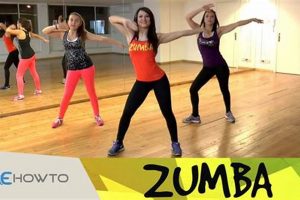
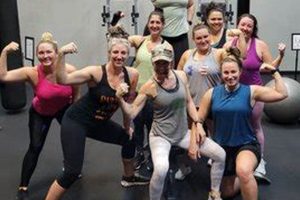
A specialized group exercise program, it combines Latin-inspired dance movements with the resistance of water. This activity takes the core elements of traditional Zumba and adapts them for the aquatic environment, offering a low-impact yet effective workout. For example, participants might perform modified salsa, merengue, or cumbia steps while submerged in a pool.
The activity presents several advantages. The buoyancy of water reduces stress on joints, making it suitable for individuals with arthritis or other mobility limitations. It offers cardiovascular benefits, strengthens muscles, and enhances coordination, all while minimizing the risk of impact-related injuries. Furthermore, the aquatic setting provides a natural cooling effect, making it a comfortable option for vigorous physical activity. It grew in popularity as a fun, accessible way to achieve fitness goals.
This article will delve further into its techniques, target demographics, safety considerations, and comparison with other aquatic exercise programs. Subsequent sections provide detailed insights into how to maximize its potential and address common concerns related to participation.
Guidance for Optimal Aquatic Zumba Engagement
The following recommendations aim to enhance participation and maximize benefits associated with this activity. Adherence to these guidelines may contribute to a safer and more effective exercise experience.
Tip 1: Hydration is paramount. Ensure adequate fluid intake before, during, and after each session to maintain optimal performance and prevent dehydration. Carry a water bottle to the pool and drink regularly.
Tip 2: Proper footwear is crucial. Aquatic shoes or socks offer enhanced grip and protect feet from the pool surface. Select footwear designed for aquatic environments to minimize slippage.
Tip 3: Monitor intensity levels. Adjust the range of motion and speed of movements according to individual fitness capabilities. Avoid overexertion, especially during initial sessions.
Tip 4: Engage core muscles consistently. Actively engage the abdominal and lower back muscles throughout the workout to stabilize the body and improve posture. Core engagement enhances the overall effectiveness of the exercise.
Tip 5: Maintain proper form. Focus on executing movements correctly, even if it requires reducing the range of motion. Proper form maximizes muscle engagement and minimizes the risk of injury. If unsure, consult with a certified instructor.
Tip 6: Gradually increase participation. Beginners should start with shorter sessions and gradually increase the duration and intensity as fitness levels improve. A progressive approach allows the body to adapt to the demands of the activity.
Tip 7: Consult with a healthcare professional. Individuals with pre-existing medical conditions, such as heart problems or joint issues, should consult with a physician before commencing this program. Medical clearance is essential for ensuring safety.
Adherence to these recommendations fosters a more effective and safer workout, leading to improved fitness and well-being. Prioritizing hydration, footwear, intensity control, core engagement, proper form, gradual progression, and medical consultation maximizes positive outcomes.
The subsequent sections will explore specific modifications and advanced techniques to further enhance the benefits derived from this low-impact exercise regimen.
1. Low-impact exercise

The defining characteristic of many water-based exercises is their low-impact nature, and this quality is fundamentally intertwined with aquatic Zumba. The buoyancy provided by water significantly reduces the force of gravity on the body. This reduced gravitational force minimizes stress on weight-bearing joints, such as knees, hips, and ankles. This effect makes Zumba in the water a suitable activity for individuals who experience discomfort or pain during land-based exercises, including those with arthritis, recovering from injuries, or managing obesity. For example, an individual with knee osteoarthritis may find high-impact activities such as running or jumping painful. However, performing similar movements in a pool allows them to engage in cardiovascular exercise with reduced stress on the affected joint.
The importance of the low-impact element lies in its ability to broaden the accessibility of exercise. By mitigating joint stress, it permits individuals with various physical limitations to participate in a comprehensive fitness program. This can translate into improved cardiovascular health, increased muscle strength, and enhanced overall well-being. For instance, an older adult with osteoporosis may benefit from the strengthening and cardiovascular components without the risk of bone stress fractures associated with land-based Zumba. Moreover, the reduced impact encourages greater adherence to exercise routines, as individuals are less likely to experience pain or discomfort that could lead to discontinuation.
In conclusion, the integration of low-impact exercise principles is critical to the value proposition of aquatic Zumba. This feature expands the possibilities for physical activity for a wider demographic, fostering participation among those who may be excluded from traditional, higher-impact forms of exercise. This understanding highlights the practical significance of water exercise in promoting inclusive fitness and underscores the capacity of low-impact movement to mitigate physical limitations while still achieving fitness goals.
2. Water Resistance

The influence of water resistance is central to understanding the unique physiological and biomechanical effects of Zumba aquatic fitness. This inherent property of the aquatic environment offers both challenges and advantages, distinguishing it from land-based exercise modalities. Its presence alters muscular activation, cardiovascular demand, and overall energy expenditure during physical activity.
- Increased Muscular Engagement
Water resistance necessitates greater muscle activation compared to performing the same movements in air. The drag created by the water requires muscles to work harder to propel limbs through the medium. This increased effort engages a broader range of muscle fibers, leading to enhanced strength and endurance. For instance, performing an arm raise in water requires significantly more muscular force than the same action on land, primarily due to the resistance against the arm’s surface area as it displaces water.
- Enhanced Cardiovascular Challenge
The body responds to water resistance by increasing heart rate and cardiac output to meet the demands of working muscles. The hydrostatic pressure exerted by water on the body also aids venous return, contributing to improved cardiovascular efficiency. Consequently, the aquatic Zumba format offers an enhanced cardiovascular workout compared to some land-based activities. The continuous need to overcome water’s drag on movements raises the heart rate, creating a good cardiovascular challenge that is still low impact on the joints.
- Proprioceptive Enhancement
Water provides constant sensory feedback due to its resistance. This continuous feedback enhances proprioception, which is the body’s awareness of its position in space. The heightened proprioceptive input improves coordination, balance, and agility. An individual performing a Zumba step in water must constantly adjust to the forces acting upon their body, resulting in a greater awareness of body position and movement control than they would experience on land. In other words, water resistance and the dynamic aquatic environment makes a person have better awareness.
- Variable Resistance Levels
The magnitude of water resistance can be modulated by altering the speed of movement or by increasing the surface area exposed to the water. Faster movements and larger surface areas generate greater resistance, allowing individuals to customize the intensity of their workout to match their fitness level. Participants can intensify their workout by increasing their motion speed. Conversely, they can reduce the demand by slowing their pace.
In summation, water resistance plays a pivotal role in the effectiveness of Zumba aqua fitness. The characteristics such as increased muscle activation, enhanced cardiovascular challenge, proprioceptive improvement, and resistance variability make water exercise a unique tool. These properties offer a blend of advantages, providing a comprehensive and adaptable approach to physical fitness.
3. Choreographed Routines
The structured sequences of movements, or choreographed routines, are fundamental to the essence and function of Zumba aquatic fitness. They serve as the framework upon which the principles of dance, fitness, and aquatic dynamics converge, and dictate participant engagement and exercise effectiveness. These routines are essential in transforming a simple water workout into an engaging and purposeful fitness experience.
- Structure and Sequencing
Choreographed routines provide a defined structure to the aquatic Zumba session, outlining a specific sequence of movements and transitions. This structure ensures a balanced workout, incorporating various muscle groups and movement patterns. For instance, a routine might begin with a warm-up sequence, progress to higher-intensity cardio segments, integrate strength-building components, and conclude with a cool-down period. The sequencing of these elements maximizes the physiological benefits while minimizing the risk of injury.
- Adaptation to the Aquatic Environment
While drawing inspiration from land-based Zumba, the choreography must be adapted to the unique properties of water. This involves modifying movements to account for buoyancy, resistance, and stability challenges. For example, a complex footwork pattern from land-based Zumba might be simplified to maintain balance and control in the water. The adaptation process ensures that the routines remain effective and accessible within the aquatic setting, acknowledging the limitations and advantages of the medium.
- Engagement and Motivation
The carefully designed routines contribute significantly to participant engagement and motivation. The integration of Latin-inspired dance steps, coupled with upbeat music, transforms exercise into an enjoyable activity. The sense of accomplishment derived from mastering the routines, combined with the social interaction within a group setting, fosters adherence and promotes consistent participation. For example, a participant may be motivated to attend regular classes due to the enjoyment of learning new dance steps and the camaraderie with fellow class members.
- Progression and Variety
Effective choreography incorporates elements of progression and variety to continually challenge participants and prevent plateaus. This involves introducing new movements, increasing the complexity of routines, and varying the intensity levels. For example, an instructor might introduce a new dance style or incorporate interval training techniques to maintain participant interest and stimulate ongoing physical adaptation. The dynamic evolution of the routines ensures that participants continue to experience physical and cognitive benefits over time.
In essence, the choreographed routines are the cornerstone of Zumba aquatic fitness, weaving together fitness science and the enjoyment of dance. These routines are not merely sequences of movements but are thoughtfully constructed experiences that optimize participant outcomes. The structured sequence provides a means through which various muscle groups can be targeted and cardiovascular benefits can be produced. The incorporation of adapted Latin-inspired dance movements, coupled with music, gives the exercise class and activity value and contributes to the retention of members.
4. Cooling environment

The aquatic setting inherently provides a cooling environment, representing a significant advantage of Zumba aquatic fitness. Water’s ability to dissipate heat far exceeds that of air, allowing participants to engage in vigorous physical activity with reduced risk of overheating. This attribute becomes particularly relevant considering the high-energy nature of Zumba, which typically elevates core body temperature. The continuous submersion aids in regulating body temperature, thus enhancing comfort and performance during the workout.
The practical implications of this cooling effect are manifold. For instance, individuals who find land-based Zumba too taxing due to heat intolerance may find the aquatic version more tolerable. The reduced thermal stress also allows for extended workout durations and higher intensity levels, contributing to improved cardiovascular fitness and caloric expenditure. Moreover, the cooling effect mitigates the risk of heat-related illnesses such as heat exhaustion or heat stroke, thereby promoting a safer exercise environment. For example, an obese individual may have greater exercise potential in the pool where the heat is better managed.
In summary, the cooling environment afforded by aquatic settings is an integral component of Zumba aquatic fitness, profoundly influencing both the physiological experience and the safety of participants. This feature reduces thermal strain on the body, facilitating longer and more intense workouts, and making the activity more accessible to a wider range of individuals. Recognizing the practical significance of this thermal regulation provides valuable insight into the overall benefits and appeal of aquatic Zumba.
5. Social Interaction

Social interaction is a significant, though sometimes overlooked, aspect of Zumba aquatic fitness. It influences participation rates, adherence to exercise routines, and the overall experience of those involved.
- Community Building
Group fitness settings, such as Zumba aquatic fitness classes, naturally foster community among participants. Shared experiences, challenges, and goals create opportunities for individuals to connect. For instance, regular attendees may form bonds through shared successes in mastering routines or supporting each other in achieving fitness milestones. The development of such connections can transform the activity from a solitary workout into a social engagement, enhancing enjoyment and motivation.
- Reduced Perceived Exertion
Engaging in social interaction during exercise can reduce an individuals perceived exertion. Conversing with others or participating in group activities distracts from the physical demands of the workout, making it feel less strenuous. A participant may be less aware of muscle fatigue or cardiovascular stress when involved in discussions or laughter with fellow class members. This reduction in perceived exertion can lead to increased workout duration and intensity, ultimately contributing to improved fitness outcomes.
- Enhanced Motivation and Adherence
The social aspect of group fitness classes serves as a powerful motivator for consistent attendance. Individuals are more likely to adhere to an exercise routine when they feel accountable to a group or have established friendships within the class. For example, knowing that other members are expecting ones presence can encourage an individual to attend a class even when lacking personal motivation. This social accountability is crucial in fostering long-term exercise habits and maintaining a commitment to fitness goals.
- Emotional Support and Well-being
The supportive environment of group fitness classes provides emotional benefits beyond physical exercise. Participants can find encouragement, understanding, and empathy from others who share similar struggles or aspirations. Celebrating successes and offering support during setbacks strengthens bonds within the group and promotes psychological well-being. A class member may confide in others about their challenges in maintaining a healthy lifestyle, receiving encouragement and practical advice in return, which supports overall health.
The benefits derived from social interaction within Zumba aquatic fitness extend beyond physical health, encompassing emotional and social dimensions. The collective influence of community building, reduced perceived exertion, enhanced motivation, and emotional support underscores the importance of considering the social dynamics of group fitness programs in addition to their physiological impact. Participation in these group activities contributes to personal well-being.
Frequently Asked Questions About Zumba Aqua Fitness
The following section addresses common inquiries regarding Zumba aquatic fitness. The information provided aims to offer clarity and a comprehensive understanding of this exercise modality.
Question 1: Is Zumba aquatic fitness suitable for individuals with limited swimming abilities?
Participation typically occurs in shallow water where standing is possible. While swimming proficiency is not a prerequisite, familiarity with water and comfort in an aquatic environment are beneficial. Individuals with concerns regarding their water skills are advised to consult with the instructor prior to participation.
Question 2: What specific attire is recommended for Zumba aquatic fitness?
Appropriate swimwear is essential. Aquatic shoes or socks are advisable to enhance grip and prevent slippage on pool surfaces. The use of jewelry and accessories should be minimized to avoid interference with movements and prevent potential damage to pool equipment.
Question 3: Are there any specific medical contraindications to Zumba aquatic fitness?
Individuals with pre-existing medical conditions, such as cardiovascular ailments, respiratory issues, or musculoskeletal problems, should seek guidance from a physician before participation. Certain conditions may necessitate modifications to exercise routines or preclude participation altogether. Medical clearance is crucial to ensure safety.
Question 4: How does Zumba aquatic fitness compare to other aquatic exercise programs?
While sharing the benefits of low-impact exercise and water resistance with other aquatic programs, Zumba aquatic fitness distinguishes itself through its incorporation of Latin-inspired dance movements and choreographed routines. This element differentiates it from traditional water aerobics or therapeutic aquatic exercises.
Question 5: What is the recommended frequency and duration of Zumba aquatic fitness sessions for optimal results?
For most individuals, participating in sessions 2-3 times per week, with each session lasting 45-60 minutes, is generally considered optimal. However, individual needs and fitness levels may necessitate adjustments to this recommendation. Consistency and adherence to a structured program are critical for achieving desired outcomes.
Question 6: How can the intensity of Zumba aquatic fitness be modified to accommodate varying fitness levels?
Intensity can be adjusted through several factors, like the range of motion, the speed of movements, and the level of arm involvement. Modifying the range of motion reduces intensity, while increasing speed enhances the intensity of the exercise.
In summary, Zumba aquatic fitness is an inclusive exercise modality that can be modified to suit a range of physical capabilities. However, safety, especially in the context of pre-existing medical conditions, is paramount.
The subsequent section will examine modifications of Zumba aquatic fitness for specific populations.
Conclusion
This exploration of Zumba aqua fitness has illuminated its core principles, benefits, and practical considerations. The low-impact nature, water resistance, choreographed routines, cooling environment, and social interaction each contribute to its appeal and effectiveness. Addressing frequently asked questions further clarifies its suitability for various individuals, while emphasizing the importance of medical consultation when necessary.
The comprehensive understanding of Zumba aqua fitness encourages thoughtful consideration of its potential for enhancing physical well-being. Its unique combination of exercise and enjoyment presents an opportunity for engaging in structured activity and community interaction. Future research may delve deeper into specific adaptations for diverse populations, further solidifying its role in promoting health and fitness.