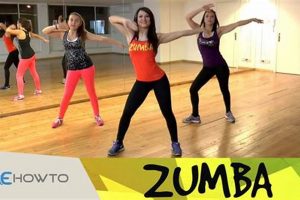
The selection of appropriate garments and footwear significantly contributes to a participant’s comfort and performance during Zumba exercise. Considerations include breathability, support, and range of motion. For instance, moisture-wicking fabrics prevent overheating, supportive athletic shoes reduce the risk of injury, and flexible clothing allows for unrestricted movement.
Proper attire enhances the overall Zumba experience by maximizing freedom of movement and minimizing discomfort. This leads to improved participation and adherence to the fitness program. Historically, Zumba’s evolution from informal dance parties to structured fitness classes has necessitated more deliberate choices in athletic wear to accommodate the intensity of the workouts.
The subsequent sections will elaborate on specific clothing and footwear recommendations, explore material properties suitable for high-intensity dance fitness, and provide guidance on selecting accessories that enhance both functionality and personal expression within the Zumba environment.
Attire Guidance for Zumba Fitness
The following recommendations provide a framework for selecting suitable garments and footwear to optimize the Zumba fitness experience. Adherence to these guidelines can improve comfort, performance, and minimize the risk of injury.
Tip 1: Prioritize Breathable Fabrics. Choose apparel constructed from moisture-wicking materials like polyester blends or merino wool. These fabrics facilitate ventilation and prevent the buildup of sweat, maintaining a comfortable body temperature during intense activity. Avoid cotton, as it retains moisture and can lead to discomfort.
Tip 2: Ensure Adequate Support. For female participants, a supportive sports bra is essential. High-impact activities necessitate a bra that minimizes breast movement and provides adequate compression to prevent strain and discomfort. Consider a bra with adjustable straps and a secure closure.
Tip 3: Select Appropriate Footwear. Cross-training shoes are generally recommended. These shoes offer a balance of cushioning and lateral support, crucial for the varied movements involved in Zumba. Avoid running shoes, which are designed primarily for forward motion and may not provide sufficient stability for side-to-side movements.
Tip 4: Opt for Flexible Bottoms. Leggings, yoga pants, or athletic shorts are suitable choices. Ensure the chosen garment allows for a full range of motion in the legs and hips. Avoid overly restrictive clothing that may impede movement and increase the risk of injury.
Tip 5: Consider Layering. Begin with a moisture-wicking base layer and add layers as needed to regulate body temperature. A lightweight jacket or sweater can be useful during the warm-up or cool-down phases. These can easily be removed as the intensity of the workout increases.
Tip 6: Check for Proper Fit. Clothing should fit comfortably without being too tight or too loose. Tight clothing can restrict movement and impede circulation, while loose clothing can pose a tripping hazard. Ensure the garment remains in place during dynamic movements.
Tip 7: Accessories with Purpose. While accessories can express personal style, prioritize functionality. A sweatband can help manage perspiration, while a fitness tracker can monitor progress. Avoid wearing dangling jewelry that could pose a safety risk.
These recommendations emphasize the importance of selecting clothing and footwear that enhance both comfort and performance during Zumba fitness activities. By focusing on breathability, support, and flexibility, participants can optimize their workout experience and minimize the risk of injury.
The subsequent section will address potential pitfalls to avoid when selecting attire for Zumba fitness, further solidifying a foundation for informed decision-making.
1. Breathability

Breathability in the context of athletic apparel, particularly concerning suitability for Zumba fitness, directly influences physiological comfort and performance levels. The garment’s capacity to facilitate air circulation and moisture evaporation becomes critical during high-intensity dance activities.
- Material Composition and Air Permeability
Fabric construction dictates breathability. Open-weave structures and specific fiber types, such as polyester and merino wool, enhance air permeability, allowing for more efficient heat dissipation. Conversely, tightly woven fabrics or those containing impermeable layers restrict airflow, leading to elevated body temperature and discomfort during Zumba.
- Moisture-Wicking Capacity and Evaporation
Breathability is intrinsically linked to the material’s ability to wick moisture away from the skin. Moisture-wicking fabrics draw sweat to the surface, where it can evaporate more readily. This evaporative cooling mechanism helps regulate body temperature and prevents the garment from becoming saturated and heavy, which is detrimental during Zumba sessions.
- Impact on Core Body Temperature Regulation
Inadequate breathability impairs the body’s natural thermoregulation processes. When sweat cannot evaporate efficiently, core body temperature rises, potentially leading to decreased performance, fatigue, and an increased risk of overheating. Breathable clothing supports efficient thermoregulation, contributing to sustained energy levels throughout the Zumba workout.
- Tactile Comfort and Perceived Exertion
Breathable clothing contributes significantly to tactile comfort, reducing the sensation of dampness and clinginess against the skin. This improved comfort level can lower the perceived exertion rate, allowing participants to engage more fully in the Zumba activity without experiencing unnecessary discomfort or distraction.
The interaction between material properties, moisture management, and thermoregulation underscores the critical role of breathability when selecting attire for Zumba fitness. The choice of breathable fabrics directly impacts comfort, performance, and overall well-being during high-intensity dance workouts.
2. Support

In the context of apparel for Zumba fitness, support refers to the garment’s capacity to provide stability and minimize movement of specific body areas, primarily the breasts and joints. Inadequate support can lead to discomfort, pain, and potential long-term injury. For example, high-impact Zumba routines lacking appropriate breast support may result in Cooper’s ligament strain and subsequent sagging. Joint instability, stemming from insufficient ankle or arch support in footwear, may precipitate sprains or exacerbate pre-existing conditions.
The level of support needed varies based on individual anatomy, fitness level, and the intensity of the Zumba class. A larger bust size necessitates a higher-impact sports bra with encapsulation and compression features. Participants with a history of ankle instability require cross-training shoes with robust lateral support and reinforced heel counters. Ignoring these needs can negate the benefits of the exercise and introduce unnecessary risk. Correct support allows participants to focus on technique and enjoyment, rather than bracing against discomfort or instability.
Therefore, the provision of adequate support is a non-negotiable aspect of appropriate attire selection for Zumba fitness. Its absence compromises both immediate comfort and long-term musculoskeletal health. A thorough understanding of individual needs, coupled with informed choices regarding garment construction and features, is essential for maximizing the positive impact of Zumba while mitigating potential adverse effects.
3. Flexibility

Flexibility, with respect to apparel chosen for Zumba fitness activities, directly impacts range of motion, maneuverability, and overall performance. Constrictive garments impede the execution of dance movements, leading to reduced workout effectiveness and potential injury.
- Material Composition and Stretch Capacity
The inherent elasticity of fabric dictates its ability to conform to body movements without restriction. Materials such as spandex, elastane, and certain knit constructions exhibit high stretch capacity, accommodating the dynamic range of motion inherent in Zumba routines. Rigid or non-stretch fabrics limit movement and can cause discomfort or chafing.
- Garment Design and Cut
The design and cut of athletic wear significantly influence flexibility. Garments designed with gussets in the crotch and underarms provide added freedom of movement. Avoid clothing with restrictive seams, tight waistbands, or narrow leg openings, as these can inhibit mobility during Zumba’s diverse dance steps.
- Impact on Range of Motion and Choreography Execution
Inadequate flexibility in clothing directly reduces a participant’s ability to perform Zumba choreography correctly and safely. Restricted movement can lead to muscle strain, joint stress, and an inability to fully engage in the workout. Garments that allow for a full range of motion facilitate proper technique and enhance the overall fitness benefits.
- Psychological Impact and Confidence
The perceived freedom of movement afforded by flexible clothing can positively influence a participant’s confidence and enjoyment. Unrestricted movement promotes a sense of liberation and allows individuals to focus on the music and dance steps without being inhibited by their attire. This, in turn, enhances their overall Zumba experience.
The interplay between material properties, garment design, and psychological comfort underscores the importance of prioritizing flexibility when selecting appropriate apparel for Zumba fitness. Choosing garments that allow for unrestricted movement ensures a safe, effective, and enjoyable workout experience, optimizing both physical performance and mental well-being.
4. Footwear
Footwear constitutes a critical component of appropriate attire for Zumba fitness, directly influencing stability, impact absorption, and injury prevention. The selection of suitable shoes is paramount for ensuring participant safety and optimizing workout effectiveness.
- Lateral Support and Stability
Zumba routines incorporate frequent lateral movements, necessitating footwear that provides ample lateral support. Shoes lacking this feature increase the risk of ankle sprains and other lower extremity injuries. Cross-training shoes, designed for multi-directional movements, typically offer superior lateral stability compared to running shoes.
- Cushioning and Impact Absorption
Repetitive high-impact movements during Zumba sessions place considerable stress on joints. Adequate cushioning in the midsole of the shoe mitigates this impact, reducing the risk of stress fractures and joint pain. Look for shoes with responsive cushioning technologies like EVA or gel to enhance impact absorption.
- Traction and Grip
Appropriate traction is essential for maintaining balance and preventing slips on various floor surfaces. Shoes with non-marking rubber outsoles provide reliable grip without damaging studio floors. The tread pattern should be versatile enough to accommodate both linear and lateral movements.
- Fit and Comfort
Proper shoe fit is crucial for preventing blisters and other foot-related discomfort. Ensure adequate toe box space to allow for natural foot splay during dynamic movements. Ill-fitting shoes can lead to biomechanical imbalances and increase the risk of injury. Consider professional fitting services to ensure optimal shoe selection.
These facets collectively underscore the importance of carefully considering footwear when selecting attire for Zumba fitness. The appropriate shoe choice enhances performance, promotes safety, and ultimately contributes to a more enjoyable and effective workout experience.
5. Moisture-wicking

Moisture-wicking properties in athletic apparel are critical for maintaining comfort and optimizing performance during Zumba fitness activities. The ability of a fabric to draw perspiration away from the skin and facilitate evaporation directly impacts thermoregulation, reducing the risk of overheating and discomfort.
- Fabric Composition and Capillary Action
Moisture-wicking fabrics, typically synthetic blends like polyester, nylon, or polypropylene, rely on capillary action to transport moisture. These materials possess inherent hydrophobic properties that repel water, combined with a structure that creates pathways for liquid to move along the fiber surfaces. Natural fibers such as cotton absorb moisture but lack the efficient transfer mechanism found in synthetics, resulting in a damp and heavy garment.
- Evaporation Rate and Thermoregulation
The primary benefit of moisture-wicking fabrics lies in their ability to accelerate the evaporation of sweat. This process cools the body, preventing core temperature from rising excessively during intense physical activity. Garments that trap moisture hinder evaporation, leading to overheating, reduced performance, and increased risk of heat-related illnesses.
- Comfort and Tactile Sensation
Moisture-wicking fabrics enhance comfort by minimizing the sensation of dampness against the skin. Saturated clothing can cause chafing, irritation, and a general feeling of discomfort, distracting from the workout. Fabrics that effectively wick moisture away maintain a drier, more comfortable microclimate next to the skin.
- Odor Control and Hygiene
Many moisture-wicking fabrics are treated with antimicrobial finishes to inhibit the growth of odor-causing bacteria. These treatments help to maintain freshness and improve hygiene, particularly during prolonged or high-intensity Zumba sessions. Untreated fabrics can harbor bacteria, leading to unpleasant odors and potential skin irritation.
The selection of moisture-wicking apparel is a fundamental consideration for individuals participating in Zumba fitness. The fabric’s ability to manage perspiration, regulate body temperature, and maintain comfort directly impacts both performance and the overall exercise experience. Prioritizing garments with effective moisture-wicking properties promotes a more hygienic, comfortable, and productive workout.
6. Comfort
Comfort, in the context of selecting apparel for Zumba fitness, transcends mere subjective feeling. It represents a critical factor influencing participation rate, workout intensity, and the overall effectiveness of the exercise regimen. Garments and footwear that prioritize comfort facilitate sustained engagement and minimize distractions arising from physical discomfort.
- Material Selection and Tactile Comfort
The choice of fabric directly impacts tactile comfort. Soft, lightweight materials such as moisture-wicking polyester blends minimize skin irritation and chafing during repetitive movements. Conversely, rough or abrasive fabrics can cause significant discomfort, leading to reduced participation and potential skin damage. The feel of the material against the skin must be a primary consideration.
- Fit and Freedom of Movement
A comfortable fit allows for a full range of motion without restriction. Overly tight clothing can impede circulation and limit flexibility, while excessively loose garments can present tripping hazards. The cut and design of the apparel must accommodate the dynamic movements inherent in Zumba, ensuring unrestricted agility and preventing self-consciousness related to wardrobe malfunctions.
- Temperature Regulation and Moisture Management
Comfort is intrinsically linked to temperature regulation. Moisture-wicking fabrics facilitate evaporative cooling, preventing overheating and maintaining a stable body temperature. Garments that trap sweat can lead to discomfort, chilling, and an increased risk of skin infections. Appropriate layering options provide adaptability to varying environmental conditions and workout intensities.
- Psychological Well-being and Confidence
Comfort extends beyond the physical realm to encompass psychological well-being. Apparel that promotes a sense of confidence and self-assurance can enhance enjoyment and motivation. Feeling comfortable in one’s attire allows participants to focus on the exercise itself, rather than being preoccupied with body image or wardrobe anxieties. This fosters a more positive and sustainable fitness experience.
These facets underscore the multifaceted nature of comfort in relation to appropriate attire for Zumba fitness. Prioritizing these elements enhances participation, optimizes workout effectiveness, and promotes a sustainable, enjoyable fitness regimen. The interplay of fabric, fit, temperature regulation, and psychological well-being dictates the overall impact of apparel choices on the Zumba experience.
Frequently Asked Questions
The following addresses common inquiries regarding suitable clothing and footwear for participation in Zumba fitness programs. Understanding these guidelines promotes safety, comfort, and optimal workout performance.
Question 1: Is specialized attire mandatory for Zumba fitness?
No. Specific brands or styles are not mandated. However, the selection of apparel optimized for breathability, support, and flexibility is strongly recommended to maximize comfort and minimize injury risk.
Question 2: Can running shoes be used for Zumba fitness?
Generally, no. Running shoes are designed primarily for forward motion and may lack the lateral support necessary for the multi-directional movements inherent in Zumba. Cross-training shoes are typically a more suitable option.
Question 3: Are there specific fabric types to avoid when choosing Zumba attire?
Yes. Cotton garments are generally discouraged due to their tendency to retain moisture. This can lead to discomfort and chilling, particularly during high-intensity workouts. Synthetic, moisture-wicking fabrics are preferable.
Question 4: What considerations are important when selecting a sports bra for Zumba fitness?
Adequate support is paramount. The intensity of Zumba necessitates a sports bra that minimizes breast movement and provides sufficient compression. Adjustable straps and a secure closure are beneficial features.
Question 5: Are there any accessories that are discouraged during Zumba fitness?
Dangling jewelry poses a potential safety hazard and should be avoided. Fitness trackers and sweatbands are permissible, provided they do not impede movement or create a distraction.
Question 6: How should attire be adjusted to accommodate varying workout intensities?
Layering is recommended. Starting with a moisture-wicking base layer and adding removable layers allows for temperature regulation as the intensity of the workout fluctuates.
In summary, while specialized attire is not compulsory, the selection of clothing and footwear that prioritize breathability, support, flexibility, and safety is strongly advised to enhance the Zumba fitness experience.
The subsequent section will provide a checklist for assembling a comprehensive Zumba fitness wardrobe, offering a practical guide for informed decision-making.
Conclusion
This exploration of “what to wear for Zumba fitness” has underscored the critical interplay between attire selection and participant well-being. Considerations of breathability, support, flexibility, and appropriate footwear are not merely matters of personal preference but rather essential elements for optimizing workout effectiveness and minimizing the risk of injury. The emphasis on moisture-wicking fabrics, supportive sports bras, and cross-training shoes stems from their proven ability to enhance comfort, regulate body temperature, and facilitate the dynamic movements characteristic of Zumba routines.
The information presented serves as a framework for informed decision-making. It is incumbent upon participants to prioritize these factors when assembling a Zumba fitness wardrobe. Adherence to these guidelines ensures a safer, more enjoyable, and ultimately more effective workout experience, thereby maximizing the potential benefits of Zumba as a fitness modality.