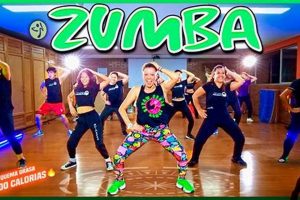
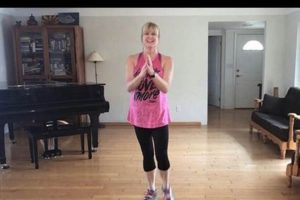
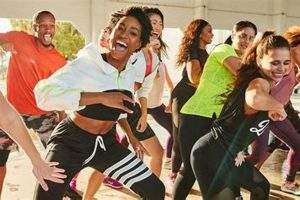
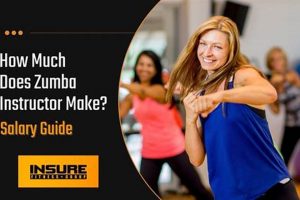
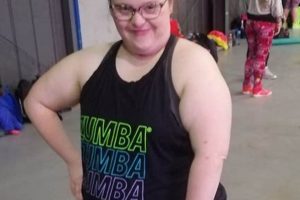
Clothing worn by instructors who lead Zumba fitness classes often prioritizes flexibility, breathability, and moisture-wicking properties. Examples include lightweight tops, supportive sports bras, comfortable leggings or shorts, and athletic shoes designed for lateral movement. These garments are selected to allow for unrestricted movement while accommodating the high-energy demands of the activity.
Appropriate attire is significant for both instructor performance and participant perception. It enables instructors to demonstrate movements effectively and maintain comfort throughout the class. Presenting a professional and energetic image can enhance instructor credibility and inspire students. Historically, standardized fitness attire has evolved alongside popular fitness trends, adapting to emphasize both functionality and aesthetic appeal.
The subsequent sections will explore specific garment types, material considerations, and brand options relevant to instructor’s clothing choices, in addition to discussing the impact of attire on instructor confidence and class engagement.
Essential Considerations for Zumba Instructor Attire
The following outlines key considerations for selecting garments suitable for leading Zumba fitness classes. Prioritizing functionality and professionalism is crucial for effective instruction and positive participant perception.
Tip 1: Prioritize Moisture-Wicking Fabrics: Materials like polyester, nylon, or blends designed for activewear effectively draw sweat away from the body, maintaining comfort and preventing overheating during high-intensity sessions. Cotton-based apparel is generally discouraged due to its tendency to retain moisture.
Tip 2: Ensure Unrestricted Range of Motion: Garments should allow for a full range of movement without binding or chafing. Consider styles with strategic seam placement and stretchable fabrics to accommodate the dynamic movements involved in Zumba routines. Evaluate range of motion through simulated movements during the selection process.
Tip 3: Select Supportive Undergarments: A high-impact sports bra is essential for female instructors to provide adequate support and minimize discomfort during vigorous activity. Secure and well-fitting undergarments contribute to confidence and prevent distractions during class.
Tip 4: Consider Layering Options: Offering the ability to adapt to varying studio temperatures or personal preferences, layering lightweight pieces, such as zip-up jackets or breathable tank tops, enhances comfort. This allows instructors to regulate body temperature effectively during warm-up, peak activity, and cool-down phases.
Tip 5: Choose Appropriate Footwear: Athletic shoes designed for lateral movement, such as cross-trainers or dance sneakers, are recommended. Proper footwear provides necessary support, cushioning, and traction to prevent injuries and facilitate smooth transitions between steps.
Tip 6: Maintain Professional Presentation: While functionality is paramount, maintaining a professional appearance reinforces credibility and inspires confidence in participants. Select clean, well-maintained garments free from excessive wear or damage.
Tip 7: Test Garments Beforehand: Before wearing new attire to teach a class, test its comfort and functionality during a practice session. Identify any potential issues, such as chafing or restricted movement, and address them proactively.
Selecting appropriate garments ultimately contributes to enhanced instructor comfort, confidence, and performance, fostering a more engaging and effective Zumba class experience for both the instructor and the participants.
The next section will delve into brand recommendations and style considerations for instructor’s apparel selections.
1. Flexibility

Flexibility, in the context of garments worn by Zumba instructors, refers to the degree to which the apparel facilitates a complete and unrestricted range of motion. This attribute is paramount, given the high-energy and dynamic nature of Zumba routines, which demand a wide spectrum of movements from the instructor.
- Material Composition
The inherent stretch and give of the fabric directly impact movement. Materials incorporating elastane (Spandex or Lycra) or possessing inherent stretch properties, such as certain knits, are crucial. High elastane percentages enable greater extensibility without compromising garment shape or support. For example, leggings designed for Zumba instruction often feature a blend of polyester and elastane to balance durability with needed flexibility.
- Garment Design and Construction
Design elements, including seam placement, gussets, and overall cut, contribute significantly to unrestricted movement. Strategically positioned seams minimize chafing and allow fabric to move with the body. Gussets, often incorporated in the crotch or underarms, provide additional room for movement and prevent binding. For example, raglan sleeves in a Zumba top allow for a greater range of arm motion than traditional set-in sleeves.
- Range of Motion Enhancement
Apparel lacking adequate flexibility can hinder an instructor’s ability to demonstrate movements accurately and completely. This can negatively impact participant learning and engagement. Restricted movement may also increase the risk of injury, as the instructor compensates with altered body mechanics. For instance, overly tight leggings can limit hip flexion and rotation, potentially leading to lower back strain.
- Impact on Performance
Garments permitting unrestricted movement contribute to the instructor’s confidence and overall performance. When instructors are not constrained by their clothing, they can focus on delivering an engaging and effective class experience. Appropriate flexibility, therefore, is not merely a matter of comfort but a critical factor in successful Zumba instruction. Free and unrestricted Zumba moves lead to effective and easy exercise.
The interplay between material selection, garment design, and the instructor’s physical movements dictates the ultimate suitability of apparel for Zumba instruction. Garments failing to prioritize flexibility can impede performance, hinder instruction, and potentially increase the risk of injury, ultimately diminishing the overall class experience. The considerations above outline the importance of testing Zumba instructor apparel before using it in a real class.
2. Breathability

Breathability is a crucial characteristic of apparel designed for Zumba instructors due to the high-intensity nature of the activity. Zumba classes involve sustained periods of vigorous physical exertion, leading to increased body temperature and perspiration. The ability of clothing to facilitate the evaporation of sweat and maintain airflow directly impacts the instructor’s comfort, performance, and overall well-being. Inadequate breathability can result in overheating, discomfort, and decreased performance, hindering the instructor’s ability to lead the class effectively.
Apparel constructed from breathable fabrics, such as moisture-wicking polyester or blends incorporating mesh panels, promotes efficient airflow and facilitates sweat evaporation. These materials draw moisture away from the skin, allowing it to evaporate more readily, thereby regulating body temperature. For example, a Zumba instructor wearing a top made of a lightweight, breathable polyester fabric with strategically placed mesh panels under the arms will experience greater comfort and maintain a more stable body temperature compared to an instructor wearing a cotton top, which tends to retain moisture. Failure to wear fabrics with this properties can cause heat stroke during peak performance which would impact Zumba session.
In summary, breathability represents a vital component of effective Zumba instructor apparel. The selection of fabrics and garment designs that prioritize airflow and moisture management directly contributes to instructor comfort, performance, and safety. Ignoring this consideration can lead to discomfort, decreased performance, and potentially adverse health consequences. Breathability supports instructor’s effectiveness, allowing them to instruct engaging classes.
3. Support

In the context of clothing worn by Zumba instructors, the concept of “support” extends beyond basic garment function. It encompasses structural elements that enhance comfort, prevent injury, and contribute to effective performance during high-intensity activity. Adequate support is essential for maintaining proper body mechanics and mitigating the physical strain associated with Zumba instruction.
- Musculoskeletal Alignment
Supportive apparel, particularly sports bras and athletic shoes, plays a crucial role in maintaining proper musculoskeletal alignment. A high-impact sports bra, for example, minimizes breast movement, reducing strain on the back and shoulders. Similarly, athletic shoes with adequate arch support and cushioning protect the feet and ankles from impact forces, preventing injuries such as plantar fasciitis or ankle sprains. These are just two examples of apparel that provides support.
- Joint Stabilization
Joint stabilization is another critical aspect of support in Zumba instructor apparel. Compression garments, such as leggings or sleeves, can provide external support to joints, reducing the risk of sprains and strains. This is particularly beneficial for instructors with pre-existing joint issues or those prone to injury. For example, compression leggings can stabilize the knee joint during lateral movements, minimizing the risk of meniscus tears.
- Postural Enhancement
Certain types of apparel can also contribute to postural enhancement. Garments with built-in compression panels or strategic design features can promote proper posture, reducing back pain and improving overall body mechanics. For instance, a supportive tank top with compression in the core area can encourage proper spinal alignment, leading to improved balance and stability during Zumba routines. This has long term health benefits as well.
- Impact Absorption
Footwear specifically designed for high-impact activities, such as cross-training shoes, provides essential impact absorption. Adequate cushioning in the midsole reduces the stress on joints and muscles during jumping and other high-impact movements. This minimizes the risk of overuse injuries and allows instructors to maintain a higher level of performance throughout the class. Footwear is a key component of high intensity exercise to protect joints.
In essence, the “support” offered by suitable apparel extends beyond simple comfort, directly influencing the instructor’s physical well-being and ability to lead effective Zumba classes. Apparel with sufficient support can lead to injury reduction.
4. Durability
Durability constitutes a critical factor in the selection of apparel for Zumba instructors. The demands of the profession necessitate garments capable of withstanding frequent use, repetitive movements, and exposure to perspiration without significant degradation in performance or appearance. Insufficient durability results in increased replacement costs and potential performance limitations due to garment failure.
- Material Strength and Composition
The inherent strength and composition of the fabric directly influence its ability to resist wear and tear. Fabrics with high tensile strength, such as tightly woven polyesters or blends incorporating robust fibers like nylon, exhibit greater resistance to abrasion and tearing. The choice of material thus dictates the garment’s lifespan and ability to maintain its structural integrity over time. For instance, leggings constructed from a double-knit Supplex fabric will generally demonstrate greater durability than those made from a thinner, single-knit material.
- Construction Quality and Reinforcement
The quality of garment construction, including seam stitching, reinforcement at stress points, and the use of durable closures, significantly impacts its overall longevity. Reinforced seams, particularly in areas subject to high stress, such as the crotch or underarms, prevent seam failure and extend the garment’s lifespan. The use of high-quality zippers, snaps, and other closures ensures reliable functionality and prevents premature wear. For example, a Zumba top with reinforced flatlock seams will likely outlast one with standard overlock stitching.
- Resistance to Degradation from Perspiration
Prolonged exposure to perspiration can degrade certain fabrics, leading to discoloration, odor retention, and loss of elasticity. Fabrics treated with antimicrobial finishes or designed to actively wick moisture and resist odor buildup maintain their integrity and freshness over time. Garments lacking these features may require more frequent washing, further contributing to wear and tear. For instance, a Zumba top made from moisture-wicking performance fabric will resist odor and maintain its shape longer than one made from untreated cotton.
- Colorfastness and Resistance to Fading
The ability of the fabric to retain its original color and resist fading is an important aspect of durability, particularly for instructors who teach multiple classes per week. Fabrics dyed with high-quality, colorfast dyes exhibit greater resistance to fading from washing, sunlight exposure, and perspiration. Garments constructed from fabrics with poor colorfastness may appear worn and faded prematurely, impacting the instructor’s professional image. For example, black leggings made from a fabric with excellent colorfastness will maintain their deep black hue longer than those made from a fabric with inferior dye quality.
The relationship between durability and apparel worn by Zumba instructors is multifactorial, encompassing material properties, construction techniques, and resistance to environmental factors. Selecting garments designed for longevity and capable of withstanding the rigors of frequent use is essential for maintaining a professional appearance and minimizing replacement costs. Durability considerations are important for Zumba apparel.
5. Presentation

Presentation, in the context of clothing worn by Zumba instructors, directly influences participant perception and engagement. Attire conveys professionalism and competence, establishing credibility and inspiring confidence in the instructor’s ability to lead an effective class. Conversely, unprofessional or inappropriate attire can undermine instructor authority and detract from the overall class experience. For example, an instructor wearing clean, well-fitting athletic wear projects an image of preparedness and attention to detail, signaling to participants that the instructor takes their role seriously. In contrast, an instructor wearing excessively revealing or ill-fitting clothing may create a distraction and compromise their perceived professionalism.
The impact of presentation extends beyond initial impressions. Consistently maintaining a polished appearance reinforces instructor credibility over time, fostering a sense of trust and respect among participants. Additionally, carefully selected attire can enhance the instructor’s ability to connect with students on a personal level. For example, choosing apparel that reflects current fitness trends or incorporates Zumba-branded elements can demonstrate an understanding of participant preferences and create a sense of community. The practical application of this understanding involves investing in high-quality athletic wear that aligns with professional standards and resonates with the target audience. This includes prioritizing fit, fabric, and overall style, ensuring that the attire complements the instructor’s physique and allows for unrestricted movement. Presentable Zumba apparel is critical for classes.
In summary, presentation represents a key element of effective Zumba instruction. Apparel choices directly impact participant perception, influencing instructor credibility, engagement, and overall class satisfaction. Overcoming the challenge of balancing functionality with aesthetic appeal requires a thoughtful approach to garment selection, prioritizing professional standards and participant preferences. Recognizing the importance of presentation ultimately contributes to a more positive and impactful Zumba experience.
6. Movement
The relationship between “movement” and attire worn by Zumba instructors is fundamental, dictating garment design and impacting instructional effectiveness. The dynamic and diverse range of motions inherent in Zumba necessitates apparel that facilitates unrestricted movement while providing adequate support and comfort.
- Range of Motion Optimization
Apparel must permit a full spectrum of movement across all planes, accommodating both large, expressive gestures and intricate footwork patterns. Design elements such as gussets, raglan sleeves, and four-way stretch fabrics directly contribute to optimizing range of motion. For example, leggings incorporating elastane allow for unrestricted hip flexion and extension, essential for executing Zumba steps accurately and safely. Failure to consider this aspect hinders instructional delivery.
- Kinetic Chain Support
Zumba routines involve coordinated movements that engage the entire kinetic chain. Attire should support this chain by providing stability and proprioceptive feedback. Compression garments, for example, can enhance muscle activation and improve body awareness, facilitating more efficient movement patterns. Footwear with adequate arch support and cushioning can minimize impact forces and prevent injuries associated with repetitive movements. Instructor performance hinges on this integration.
- Movement Efficiency and Fluidity
Apparel should not impede movement efficiency or create unnecessary drag. Lightweight, breathable fabrics that conform to the body’s contours allow for fluid transitions between steps and minimize energy expenditure. Loose-fitting garments, while potentially comfortable, can obstruct movement and detract from the instructor’s ability to demonstrate proper technique. Streamlined designs promote effortless movement and enhance instructional clarity.
- Sensory Feedback and Body Awareness
The tactile properties of apparel can influence sensory feedback and body awareness. Fabrics with a smooth, non-restrictive feel allow instructors to maintain a heightened sense of body position and movement control. Conversely, rough or inflexible fabrics can create distractions and hinder the instructor’s ability to connect with the music and the class. Subtle sensory cues contribute to more precise and expressive movement patterns. The best instructor uses apparel that enhances their abilities.
The interplay between these facets underscores the importance of selecting attire that complements and enhances movement capabilities. Garments that prioritize range of motion optimization, kinetic chain support, movement efficiency, and sensory feedback contribute to more effective Zumba instruction and a more engaging experience for participants. Apparel choices can profoundly influence instruction.
Frequently Asked Questions
The following addresses common inquiries regarding appropriate clothing choices for Zumba instructors, emphasizing functionality, professionalism, and safety.
Question 1: What fabrics are most suitable for Zumba instructor apparel?
Fabrics possessing moisture-wicking properties, such as polyester, nylon, and blends thereof, are recommended. These materials facilitate sweat evaporation, maintaining comfort and preventing overheating. Cotton-based apparel is generally discouraged due to its tendency to retain moisture.
Question 2: How important is range of motion in selecting Zumba instructor attire?
Unrestricted range of motion is paramount. Garments should allow for a full spectrum of movement without binding or chafing. Designs incorporating stretchable fabrics and strategically positioned seams are preferable. Testing range of motion through simulated movements is advisable prior to class instruction.
Question 3: What type of footwear is recommended for Zumba instructors?
Athletic shoes designed for lateral movement, such as cross-trainers or dance sneakers, are recommended. Proper footwear provides necessary support, cushioning, and traction to prevent injuries and facilitate smooth transitions between steps. Flat-soled shoes or running shoes lacking lateral support are generally unsuitable.
Question 4: Is compression apparel beneficial for Zumba instructors?
Compression garments, such as leggings or sleeves, may offer benefits by providing joint stabilization and enhancing muscle activation. However, personal preference and individual needs should guide the decision. Excessive compression may restrict movement and cause discomfort.
Question 5: How should Zumba instructors balance functionality with professional presentation in their apparel choices?
While functionality is paramount, maintaining a professional appearance reinforces credibility and inspires confidence in participants. Select clean, well-maintained garments free from excessive wear or damage. Coordinating colors and styles can enhance overall presentation.
Question 6: What are the potential consequences of wearing inappropriate apparel while teaching Zumba?
Wearing inappropriate apparel can hinder performance, increase the risk of injury, and detract from the instructor’s professional image. Garments that restrict movement, retain moisture, or lack adequate support can compromise comfort and safety, potentially impacting class effectiveness.
Selecting appropriate apparel is integral to instructor comfort, confidence, and performance, contributing to a more engaging and effective Zumba class experience for both the instructor and the participants.
The following section will provide brand recommendations.
Zumba Instructor Apparel
This exploration of garments selected by those leading Zumba fitness sessions highlighted the critical interplay between functionality, performance, and professionalism. Moisture-wicking fabrics, unrestricted range of motion, targeted support, enduring construction, and a presentable aesthetic were repeatedly underscored as essential considerations. The selection of such apparel transcends mere fashion; it directly impacts instructor efficacy and participant engagement.
Therefore, careful consideration of garment attributes is paramount. Investing in appropriate attire represents an investment in instructional quality and personal well-being. Continuing advancements in fabric technology and garment design promise further enhancements in performance-oriented apparel, benefiting instructors and participants alike. Prioritizing thoughtful selection remains critical for realizing the full potential of Zumba instruction.