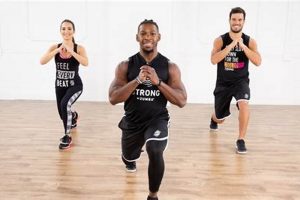
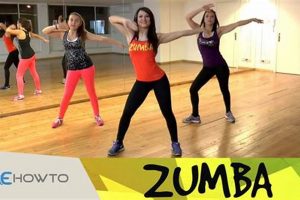
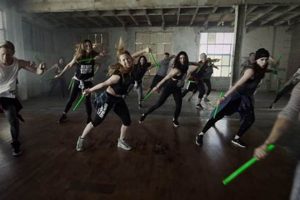
This activity combines Latin-inspired music and dance moves with principles of aerobic exercise to create a dynamic fitness routine. It involves performing structured movements to a rhythmic beat, elevating the heart rate and engaging multiple muscle groups. A typical session integrates elements of salsa, merengue, cumbia, and reggaeton, among other styles, resulting in a varied and energetic approach to physical conditioning.
The integration of cardiovascular training with dance provides a comprehensive set of health advantages. Participants may experience improvements in cardiovascular endurance, muscular strength, and coordination. Furthermore, the enjoyable nature of the activity promotes adherence and can contribute to stress reduction and enhanced mood. Its origins can be traced to the mid-1990s, evolving from a single class to a globally recognized fitness phenomenon.
The following sections will delve into the specific physiological effects, potential adaptations for different fitness levels, safety considerations, and comparisons with other popular exercise modalities. Furthermore, the components that contribute to its effectiveness and the population segments for whom it is most suitable will be examined in detail.
Guidance for Engaging in Dance-Based Aerobic Fitness
The following guidelines aim to optimize participation in, and benefits derived from, dance-based aerobic fitness programs. Adhering to these points can enhance safety, enjoyment, and overall fitness outcomes.
Tip 1: Prioritize Proper Footwear. Appropriate footwear is essential to mitigate the risk of injury. Select shoes designed for lateral movement and impact absorption. Avoid footwear with excessive tread that could impede pivoting and increase stress on joints.
Tip 2: Maintain Adequate Hydration. Sustained physical activity necessitates sufficient fluid intake. Consume water before, during, and after each session to maintain electrolyte balance and prevent dehydration.
Tip 3: Focus on Gradual Progression. Avoid abrupt increases in intensity or duration. Gradually increase participation time and complexity of movements to allow the body to adapt and minimize the potential for overuse injuries.
Tip 4: Incorporate Dynamic Stretching. Pre-activity warm-up should include dynamic stretches that mimic the movements performed during the activity. This enhances joint mobility and prepares muscles for exertion.
Tip 5: Monitor Heart Rate. Pay attention to heart rate zones to ensure that exercise intensity aligns with fitness goals. Utilize a heart rate monitor or learn to manually check pulse rate during the activity.
Tip 6: Listen to the Body. Discomfort or pain indicates potential overexertion or injury. Modify movements or cease activity if any discomfort arises, and consult with a healthcare professional if necessary.
Tip 7: Learn Basic Steps. Understanding the fundamental steps of each dance style can improve coordination, confidence, and execution. Focus on mastering the basics before attempting more complex choreography.
Applying these recommendations may contribute to a safer and more effective experience. Consistent adherence to these guidelines can amplify the positive effects of this exercise modality.
The subsequent sections will address advanced training techniques, nutritional considerations, and long-term maintenance strategies to maximize the benefits of this approach to fitness.
1. Calorie Expenditure

Calorie expenditure constitutes a fundamental component of physical activity, impacting weight management, metabolic rate, and overall energy balance. Within the context of dance-based aerobic exercise, this expenditure is directly related to the intensity, duration, and frequency of participation. The elevated heart rate and continuous movements inherent in a typical session necessitate a significant energy output, drawing upon stored glycogen and, subsequently, fat reserves. For instance, a 60-minute session may result in the consumption of 300-600 calories, contingent upon individual factors such as weight, fitness level, and exertion. The importance of this energy expenditure lies in its contribution to creating a caloric deficit, which is essential for weight loss or maintenance.
Continued participation leads to adaptations within the body that further influence calorie expenditure. Increased muscle mass, a potential outcome of consistent engagement, elevates the basal metabolic rate, resulting in a greater number of calories burned at rest. Furthermore, the improvement in cardiovascular fitness allows for sustained exercise at higher intensities, thereby maximizing caloric output during each session. Practically, individuals tracking their caloric intake and expenditure can utilize this understanding to fine-tune their dietary habits and exercise routines, optimizing their progress towards specific health and fitness goals. For example, if an individual aims to lose one pound per week (equivalent to a 3500-calorie deficit), participation in this type of exercise can significantly contribute to achieving this target, especially when combined with a balanced diet.
In summary, calorie expenditure is a critical determinant of the benefits derived from the activity. Monitoring intensity and duration allows participants to strategically manage their energy balance and advance their fitness objectives. A potential challenge lies in accurately estimating individual caloric expenditure due to variations in body composition and metabolic efficiency. However, wearable technology and professional assessments can provide valuable data to refine strategies and track progress over time, solidifying the integral role of calorie expenditure in this fitness modality.
2. Cardiovascular Enhancement

Cardiovascular enhancement represents a primary benefit derived from engagement in dance-based aerobic exercise. The sustained, rhythmic movements characteristic of this activity directly elevate heart rate and increase oxygen demand. This increased demand prompts physiological adaptations, including improved cardiac output, enhanced oxygen uptake by muscles, and increased efficiency of blood vessel function. Regular participation, therefore, serves as a potent stimulus for strengthening the cardiovascular system, reducing the risk of associated ailments such as hypertension, coronary artery disease, and stroke. The connection between this particular exercise form and cardiovascular health is further reinforced by its capacity to improve lipid profiles, lower resting heart rate, and enhance overall circulatory function.
To illustrate the impact, consider a middle-aged individual with sedentary habits who begins participating in this dance exercise program three times per week. Over several months, measurable improvements in cardiovascular fitness are likely to manifest. These may include a decrease in resting heart rate, indicating improved cardiac efficiency; an increase in VO2 max, reflecting enhanced oxygen uptake; and improvements in blood pressure readings. Moreover, the enjoyable nature of this exercise modality often leads to greater adherence compared to more traditional forms of aerobic exercise, maximizing the sustained benefits for cardiovascular health. Clinically, physicians may recommend such activities as part of a comprehensive strategy for managing cardiovascular risk factors, particularly in populations where adherence to traditional exercise regimens is low.
In summary, dance-based aerobic fitness directly contributes to cardiovascular enhancement through sustained elevation of heart rate and oxygen demand, leading to measurable improvements in cardiac function, blood pressure, and lipid profiles. The activity’s engaging nature promotes adherence, making it a viable strategy for promoting cardiovascular health across diverse populations. Challenges may include ensuring proper technique to avoid injuries and adapting the intensity to individual fitness levels. Nonetheless, the potential for cardiovascular benefit underscores the importance of dance-based aerobic exercise as a valuable component of a comprehensive approach to health and wellness.
3. Muscle Engagement

Muscle engagement is a critical aspect of physical conditioning, influencing strength, endurance, and overall functional capacity. Its importance within dance-based aerobic exercise lies in the comprehensive activation of multiple muscle groups, contributing to a balanced and effective workout.
- Core Stabilization
Dance-based aerobic routines necessitate continuous core engagement to maintain balance and stability during various movements. Muscles such as the rectus abdominis, obliques, and transverse abdominis are actively recruited, fostering improved posture, reduced risk of lower back pain, and enhanced power transfer during dynamic actions. For instance, executing a salsa step with proper form requires simultaneous contraction of core muscles to prevent excessive spinal rotation and maintain equilibrium.
- Lower Body Activation
The majority of steps and rhythms involve significant lower body engagement, targeting muscles such as the quadriceps, hamstrings, gluteals, and calves. These muscles provide the propulsive force for movements, absorb impact during landings, and contribute to overall lower body strength and endurance. A cumbia sequence, for example, engages the gluteals and hamstrings during lateral movements and hip rotations, strengthening these muscles and improving functional mobility.
- Upper Body Coordination
While primarily focused on lower body movement, dance-based aerobic exercise also incorporates arm and shoulder movements to enhance coordination and increase caloric expenditure. Muscles such as the deltoids, biceps, triceps, and trapezius are activated during arm swings, claps, and stylized gestures. These upper body movements contribute to improved posture, shoulder stability, and overall upper body tone. A reggaeton routine, characterized by dynamic arm movements, strengthens and tones upper body muscles while enhancing coordination between upper and lower body segments.
- Proprioceptive Enhancement
Muscle engagement during dance-based aerobic exercise contributes to improved proprioception, the body’s ability to sense its position and movement in space. This enhanced proprioception reduces the risk of falls and injuries by improving balance, coordination, and reaction time. For example, rapidly changing directions and executing complex steps require precise muscle activation and sensory feedback, enhancing proprioceptive awareness and improving overall movement control.
The multifaceted muscle engagement contributes to a well-rounded fitness regimen. By activating multiple muscle groups and promoting strength, endurance, and coordination, dance-based aerobic workouts provide a comprehensive approach to physical conditioning. This modality’s ability to engage diverse muscle groups makes it an attractive option for individuals seeking a full-body workout that is both effective and enjoyable.
4. Coordination Improvement

Coordination improvement is an integral outcome of dance-based aerobic exercise. The activity’s reliance on memorizing and executing a sequence of movements necessitates the development of precise neural pathways, enhancing the communication between the brain and muscles.
- Spatial Awareness Enhancement
This form of exercise often involves movements in multiple planes of motion, requiring participants to develop heightened spatial awareness. Participants learn to navigate their surroundings while maintaining rhythm and executing complex steps. For example, quickly transitioning from a forward lunge to a lateral grapevine necessitates an understanding of personal space and directional control. This, in turn, translates to improved spatial awareness in everyday activities, such as navigating crowded spaces or participating in other physical activities.
- Timing and Rhythm Synchronization
The inherent connection between music and movement demands precise timing and rhythm synchronization. Participants must learn to align their movements with the musical beat, developing a sense of rhythm and improving their ability to anticipate upcoming steps. For instance, executing a salsa turn on the correct count requires an internalized sense of timing and an ability to synchronize body movements with the music’s tempo. This skill enhances timing and rhythm synchronization in various aspects of life, including music performance, sports, and social interactions.
- Motor Skill Refinement
The choreography often includes complex steps and patterns that require fine motor control. Through repetition and practice, participants refine their motor skills, improving their ability to execute movements with precision and efficiency. For example, mastering the intricate footwork of a merengue step requires developing precise muscle control and coordination. This enhanced motor skill development can improve performance in other physical activities and daily tasks that require fine motor control.
- Brain-Body Connection Strengthening
This exercise modality strengthens the connection between the brain and the body. The need to memorize and execute complex movements stimulates neural pathways, improving communication between the brain’s motor cortex and the muscles. For instance, remembering and executing a complex routine requires the brain to process information quickly and accurately, sending signals to the muscles to perform the necessary movements. This enhanced brain-body connection can improve cognitive function, reaction time, and overall motor control.
The multifaceted benefits related to coordination highlight the value of this activity as a means to improve motor skills and cognitive function. The requirements of the modality promote brain-body connectivity, leading to improvements in spatial awareness, timing, and overall movement efficiency.
5. Stress Reduction

The relationship between engaging in dance-based aerobic exercise and stress reduction warrants careful examination. This physical activity offers a multifaceted approach to mitigating stress, influencing physiological and psychological well-being.
- Endorphin Release
Physical activity stimulates the release of endorphins, natural mood elevators. These neurotransmitters interact with brain receptors, reducing the perception of pain and triggering a positive feeling. During a typical dance-based aerobic session, sustained movement elevates heart rate and increases respiration, leading to a significant release of endorphins. This physiological response can result in a transient reduction in stress levels and an enhanced sense of well-being. Consider the individual experiencing chronic work-related stress; participation in this type of class can offer a temporary respite from stressors and improve overall mood.
- Mindful Movement
This exercise modality demands focus and attention, requiring participants to synchronize movements with music and follow choreographed routines. This level of concentration promotes mindfulness, shifting attention away from ruminative thoughts and worries. By engaging in present-moment awareness, individuals can temporarily detach from stressors and experience a sense of mental clarity. The experience of learning and executing dance steps can provide a cognitive challenge that distracts from persistent concerns, promoting a state of mental relaxation.
- Social Interaction
Group fitness settings provide opportunities for social interaction and support. The shared experience of participating in a dance-based aerobic class fosters a sense of community and belonging. Social connections have been shown to buffer against stress and improve psychological well-being. Engaging with others in a supportive environment can alleviate feelings of isolation and loneliness, contributing to a reduction in overall stress levels. The camaraderie among participants can create a positive and encouraging atmosphere that enhances the stress-reducing effects of the physical activity.
- Rhythmic Entrainment
The rhythmic nature of music and movement induces a state of rhythmic entrainment, synchronizing physiological processes with the external rhythm. This synchronization can have a calming effect on the nervous system, reducing anxiety and promoting relaxation. The repetitive movements and consistent beat of dance-based aerobic exercise can create a sense of predictability and control, mitigating feelings of uncertainty and stress. The body’s natural tendency to synchronize with external rhythms contributes to the stress-reducing benefits of this physical activity.
In summation, participation in dance-based aerobic exercise offers a comprehensive approach to stress reduction by combining endorphin release, mindful movement, social interaction, and rhythmic entrainment. The integration of these elements contributes to both physiological and psychological well-being, making this activity a valuable tool for managing stress and promoting overall health. This demonstrates the interconnectedness between the physical and mental health domains within this engaging exercise form.
Frequently Asked Questions About Dance-Based Aerobic Fitness
The following queries and responses address common inquiries and misconceptions surrounding this particular fitness modality, aiming to provide clarity and informed understanding.
Question 1: Is prior dance experience a prerequisite for participation?
No, prior dance experience is not a mandatory requirement. Classes are designed to accommodate individuals of varying fitness levels and experience. Instructors typically provide modifications and progressions to ensure accessibility for beginners.
Question 2: What are the potential risks associated with this form of exercise?
Potential risks include musculoskeletal injuries, such as sprains and strains, particularly in the lower extremities. Proper warm-up, appropriate footwear, and adherence to correct form can mitigate these risks. Individuals with pre-existing medical conditions should consult with a healthcare professional prior to participation.
Question 3: How does this compare to other forms of cardiovascular exercise, such as running or cycling?
This modality offers a unique combination of cardiovascular benefits and coordination challenges. While running and cycling primarily focus on linear movement, this fitness activity involves multi-directional movements, engaging a broader range of muscle groups and enhancing proprioception. Furthermore, the social and musical aspects can improve adherence for some individuals.
Question 4: What is the recommended frequency and duration of sessions for optimal results?
For optimal results, it is generally recommended to participate in at least three sessions per week, each lasting approximately 45-60 minutes. This frequency allows for sufficient cardiovascular stimulation and muscle engagement while providing adequate recovery time.
Question 5: Can this exercise modality contribute to weight loss?
Yes, this fitness form can contribute to weight loss when combined with a balanced diet. The calorie expenditure during a typical session, coupled with the engagement of multiple muscle groups, can promote a caloric deficit necessary for weight reduction.
Question 6: Is this suitable for all age groups?
While adaptable to various fitness levels, modifications may be necessary for certain age groups. Older adults and individuals with physical limitations should consult with a healthcare professional and seek classes specifically designed for their needs. Children and adolescents can also benefit from this activity, promoting physical fitness and coordination.
In summary, dance-based aerobic fitness offers a comprehensive approach to physical conditioning, provided that appropriate precautions are taken and individual needs are considered. The adaptability and enjoyable nature of this exercise modality contribute to its potential for widespread adoption and sustained engagement.
The following sections will explore advanced training techniques and personalized adaptations to further maximize the benefits of this engaging approach to fitness.
Conclusion
This exploration has detailed the multifaceted benefits inherent in “zumba dance aerobic workout.” The analysis encompassed cardiovascular enhancement, muscle engagement, coordination improvement, and stress reduction. The activity’s capacity to contribute to weight management through significant calorie expenditure was also underscored. Its adaptable nature allows for broad accessibility, with modifications readily available for varying fitness levels and age groups. Proper technique and attention to individual limitations were emphasized as critical components for safe and effective participation.
Continued research into the long-term physiological and psychological effects of “zumba dance aerobic workout” is warranted. The potential for personalized adaptations, informed by scientific data, could further optimize its efficacy and promote wider adoption. The integration of this activity into public health initiatives may offer a valuable strategy for addressing sedentary lifestyles and improving overall population health. Further exploration could involve comparative studies against other forms of aerobic exercise and the quantification of its impact on specific health markers.