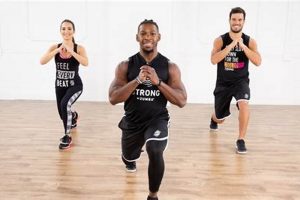
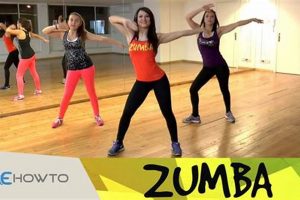
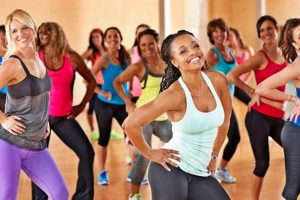
A fitness class combining drumming elements with cardio and strength training is gaining traction. This exercise format uses lightly weighted drumsticks, referred to as Ripstix, to transform simple movements into an engaging, rhythm-based full-body workout. Participants strike the drumsticks on the floor and in the air in coordination with the music, blending the energy of drumming with the structure of a choreographed fitness routine.
This activity provides a unique and effective approach to physical fitness. The repetitive drumming motions contribute to cardiovascular health, while the incorporation of squats, lunges, and other exercises builds strength and endurance. The rhythmic nature of the workout can also improve coordination and focus. Furthermore, the act of drumming serves as a stress reliever, offering a fun and cathartic outlet for pent-up energy. Its origins can be traced to a desire to create a more engaging and accessible group fitness experience that blends musical expression with physical exertion.
The following sections will delve into the specific physical and mental benefits, explore the equipment and techniques involved, and provide guidance on how to find and participate in a class. Information on tailoring the workout to different fitness levels and potential safety considerations will also be covered.
Enhancing Your Rhythmic Fitness Experience
Maximizing the benefits of this drum-infused fitness regimen involves several key considerations. Adhering to these guidelines can improve workout effectiveness and reduce the risk of injury.
Tip 1: Focus on Proper Form: Maintaining correct posture and technique is paramount. Pay close attention to the instructor’s guidance to ensure movements are executed safely and effectively. Incorrect form can diminish the workout’s advantages and potentially lead to strain.
Tip 2: Control Drumstick Movement: While the activity is energetic, controlled movements with the Ripstix are crucial. Avoid excessive force, which can result in fatigue or injury. Concentrate on precise strikes and coordinated arm movements.
Tip 3: Hydrate Adequately: This form of exercise can be surprisingly demanding. Ensure sufficient hydration before, during, and after the session to maintain energy levels and prevent dehydration.
Tip 4: Wear Appropriate Attire: Comfortable athletic clothing that allows for a full range of motion is recommended. Supportive footwear is also essential to provide stability and prevent foot or ankle injuries.
Tip 5: Listen to Your Body: Pay attention to physical signals and avoid pushing beyond personal limits, especially when starting. Modifying movements or taking breaks when needed is crucial to prevent overexertion.
Tip 6: Engage Core Muscles: Activating and engaging the core throughout the workout enhances stability and protects the lower back. Consciously tighten abdominal muscles during movements.
Tip 7: Gradually Increase Intensity: As fitness levels improve, incrementally increase the intensity and duration of sessions. Avoid sudden increases, which can elevate the risk of injury.
By prioritizing form, hydration, and mindful engagement, participants can derive optimal benefits from this dynamic fitness approach. Adherence to these tips promotes safety and maximizes the effectiveness of each workout session.
The concluding section will summarize the core benefits of this rhythmic exercise program and offer final thoughts on integrating it into a balanced fitness routine.
1. Rhythmic Drumming
Rhythmic drumming forms the foundational element upon which the activity rests. It is not merely an accessory but rather the driving force that dictates the workout’s structure and overall experience. The use of weighted drumsticks, specifically Ripstix, transforms conventional fitness movements into a percussive performance synchronized with music. This incorporation of rhythm distinguishes it from traditional cardio or strength training routines, creating a unique blend of physical exertion and musical expression. The effectiveness of the workout is intrinsically tied to the participants’ ability to maintain a consistent rhythmic pulse, influencing their coordination, cardiovascular engagement, and overall enjoyment. For example, the tempo of the music directly dictates the pace of the drumming and associated exercises, determining the intensity and impact of the workout.
The significance of rhythmic drumming extends beyond its role in dictating the workout’s tempo and structure. It also serves as a powerful tool for fostering engagement and motivation. The act of drumming releases endorphins, contributing to a sense of energy and well-being. This emotional component is critical for maintaining adherence to the fitness program, particularly among individuals who may find conventional exercise monotonous or uninspiring. Instructors leverage the rhythmic element to create a sense of community and shared experience, further enhancing participant motivation. Furthermore, the focus on rhythm requires participants to concentrate on the present moment, promoting mindfulness and reducing stress.
In summary, rhythmic drumming is not simply a component but the core principle underpinning this fusion fitness format. It shapes the workout’s structure, enhances engagement, and contributes to its overall effectiveness. Understanding the profound connection between rhythmic drumming and the activity allows participants to fully appreciate its unique benefits and maximize their fitness experience. The practical significance of this understanding lies in its ability to promote adherence, enhance motivation, and foster a sense of community among participants.
2. Cardio Intervals

Cardio intervals are an integral component of this drumming-based fitness program, directly contributing to its effectiveness in enhancing cardiovascular health and promoting caloric expenditure. The rhythmic striking of drumsticks, synchronized with music, creates a dynamic and engaging workout that elevates heart rate and sustains it within target zones for effective cardiovascular training. These intervals typically involve periods of high-intensity drumming patterns interspersed with periods of lower-intensity recovery movements, mirroring the structure of traditional interval training. For example, a series of rapid drum strikes and jumps might be followed by a slower-paced sequence of arm movements and squats. This alternation is crucial for optimizing fat burning and improving aerobic capacity, as it challenges the cardiovascular system to adapt to varying levels of exertion.
The integration of cardio intervals not only boosts the physical intensity of the workout but also enhances its motivational appeal. The music-driven nature of the program encourages participants to push their limits while enjoying the rhythm and energy of the group. This sense of fun and engagement is a critical factor in adherence, as it makes exercise feel less like a chore and more like a recreational activity. The dynamic nature of the cardio intervals also prevents plateaus, ensuring that the body continues to be challenged and progress made over time. Consider a participant who consistently engages in this workout; they will likely experience improvements in their stamina, reduced resting heart rate, and an increased ability to perform daily tasks with greater ease. The effectiveness of these intervals hinges on the instructor’s ability to design sequences that are both challenging and accessible to a wide range of fitness levels.
In summary, the strategic incorporation of cardio intervals is a defining characteristic of this activity, contributing significantly to its cardiovascular benefits and overall appeal. The dynamic interplay between high-intensity drumming and recovery periods optimizes fat burning and improves aerobic capacity. This component addresses challenges of maintaining motivation and preventing plateaus through music and group cohesion. The practical significance of understanding this link lies in the ability to maximize workout effectiveness and achieve tangible fitness results while enjoying a fun and engaging exercise experience.
3. Strength Training

Strength training, while perhaps less immediately apparent than the cardio or rhythmic elements, plays a crucial role in enhancing the overall fitness benefits derived from a drum-based workout. The integration of resistance exercises within the routine contributes to muscle development, improved bone density, and enhanced functional strength. The utilization of lightly weighted drumsticks as resistance tools transforms the workout into a more comprehensive fitness experience.
- Upper Body Engagement
The act of repeatedly lifting and striking the drumsticks engages muscles in the arms, shoulders, and back. Bicep curls, tricep extensions, and shoulder raises are often incorporated into routines, using the drumsticks as weights. This strengthens the upper body and improves muscular endurance, which is helpful in everyday actions like lifting and carrying objects.
- Core Stabilization
Maintaining proper posture and stability during drumming requires continuous activation of the core muscles. Exercises such as oblique twists and abdominal crunches are frequently integrated, further strengthening the core. A strong core improves balance, reduces the risk of back pain, and supports overall body stability during the dynamic movements involved.
- Lower Body Resistance
Squats, lunges, and other lower body exercises are often incorporated, with the drumsticks adding an element of resistance. These exercises target the glutes, quadriceps, and hamstrings, contributing to lower body strength and power. Stronger legs facilitate everyday activities like climbing stairs and improve athletic performance.
- Enhanced Bone Density
Weight-bearing exercises, such as those incorporated into this workout, stimulate bone growth and increase bone density. The impact of striking the drumsticks combined with movements like squats and lunges provides a stimulus for bone strengthening. Increased bone density reduces the risk of osteoporosis and fractures, particularly important as individuals age.
In summary, strength training is not merely an ancillary element but an integral component contributing to its comprehensive fitness benefits. The exercises improve muscular endurance, build the core and lower body, and boost bone density. Understanding the connection between strength training and the activity allows participants to appreciate the multifaceted advantages of this workout and make informed decisions about incorporating it into their fitness routines.
4. Coordination Enhancement

Coordination enhancement constitutes a fundamental benefit derived from participation in a drumming-based fitness regimen. The activity requires the integration of multiple motor skills, fostering improvements in both intermuscular and intramuscular coordination. This benefit extends beyond the confines of the workout, positively influencing daily activities and athletic performance.
- Neuromuscular Synchronization
The requirement to synchronize drumstick strikes with music necessitates a high degree of neuromuscular coordination. This process involves the efficient communication between the nervous system and the muscles, enabling precise and timed movements. Improvements in neuromuscular synchronization translate to enhanced motor control and reaction time. For example, an individual who regularly participates in this activity may exhibit improved hand-eye coordination while playing sports or performing tasks that require dexterity.
- Bilateral Coordination
The use of two drumsticks simultaneously demands effective bilateral coordination, which is the ability to coordinate movements between the two sides of the body. This is facilitated by strengthening the corpus callosum, the nerve fibers connecting the brain’s hemispheres. Such coordination can enhance the efficiency and fluidity of movements. Consider the act of typing on a keyboard or playing a musical instrument, where coordinated hand movements are crucial for optimal performance. Participation contributes to improvements in these kinds of tasks.
- Spatial Awareness
The choreographed nature of these workouts requires individuals to maintain spatial awareness, which includes understanding their position in space and the relationship of their body parts to one another. Participants must adjust their movements based on the tempo and rhythm of the music, as well as the spatial constraints of the workout environment. Enhanced spatial awareness leads to improvements in balance and agility, reducing the risk of falls and enhancing athletic performance.
- Proprioception Refinement
Proprioception, or the sense of body position and movement, is refined through the repeated execution of complex movement patterns. The need to accurately position the drumsticks and execute strikes in synchrony with the music heightens proprioceptive awareness. This refinement translates to improved body control and movement efficiency, reducing the risk of injury and enhancing overall physical performance.
These facets of coordination enhancement are intertwined and mutually reinforcing within the context of this workout. The combination of neuromuscular synchronization, bilateral coordination, spatial awareness, and proprioception refinement results in a comprehensive improvement in motor skills and physical performance. The enhanced coordination extends beyond the studio, influencing daily activities, athletic endeavors, and overall quality of life. A further example can be considered in the use of sign language, the coordination between hands and eyes has a deep connection with the activity.
5. Stress Reduction

Stress reduction represents a significant benefit derived from participation in a drum-based fitness program. The activity incorporates elements known to mitigate stress, creating a therapeutic outlet for participants to release tension and enhance their overall well-being. The integration of physical exertion, rhythmic movement, and musical engagement fosters a multifaceted approach to stress management.
- Endorphin Release
The physical exertion involved in the workout stimulates the release of endorphins, which are natural mood elevators. These neurochemicals interact with brain receptors, reducing the perception of pain and triggering a positive feeling in the body, similar to that of morphine. This effect contributes to a sense of euphoria and reduces stress levels by counteracting the negative effects of cortisol, a stress hormone. The release of endorphins acts as a physiological buffer against psychological stressors, promoting relaxation and enhancing mental clarity.
- Rhythmic Entrainment
The rhythmic drumming and synchronized movements induce a state of rhythmic entrainment, where the body’s internal rhythms align with the external rhythm of the music. This process has a calming effect on the nervous system, reducing anxiety and promoting a sense of inner harmony. The repetitive nature of the drumming provides a predictable and stable sensory input, which can help to regulate physiological processes such as heart rate and breathing. The state of entrainment facilitates a sense of focus and mindfulness, redirecting attention away from stressful thoughts and promoting a sense of presence.
- Emotional Catharsis
The act of striking the drumsticks with force and energy provides a physical outlet for releasing pent-up emotions and frustrations. This cathartic release allows participants to express themselves nonverbally, channeling their stress and anger into a constructive activity. The percussive movements can be particularly beneficial for individuals who struggle to express their emotions verbally or who experience difficulty managing their anger. The physicality of the workout enables participants to release tension in a safe and controlled environment, promoting emotional regulation and reducing the likelihood of emotional outbursts.
- Social Connection
Participating in a group fitness class fosters a sense of social connection and community, which can buffer against the negative effects of stress. The shared experience of drumming and exercising with others creates a supportive environment where individuals feel less isolated and more connected. Social interaction releases oxytocin, a hormone that promotes bonding and reduces anxiety. The camaraderie and encouragement from fellow participants contribute to a positive and uplifting experience, enhancing self-esteem and reducing feelings of loneliness.
These multifaceted benefits of the workout program underscore its effectiveness as a stress-reducing activity. The synergistic combination of endorphin release, rhythmic entrainment, emotional catharsis, and social connection creates a powerful antidote to the pressures of modern life. The activity is not only a physical workout but also a mental and emotional release, promoting holistic well-being.
6. Full-Body Engagement

Full-body engagement is a defining characteristic and crucial outcome of this drum-based fitness program. The activity is designed to activate multiple muscle groups simultaneously, promoting comprehensive physical conditioning and contributing to overall fitness enhancement. The integration of upper body movements, core stabilization, and lower body exercises ensures that participants experience a balanced and effective workout.
- Upper Limb Activation
The repetitive motion of striking drumsticks engages a wide array of muscles in the arms, shoulders, and back. These movements activate the biceps, triceps, deltoids, and latissimus dorsi, contributing to improved upper body strength and endurance. The percussive nature of the activity also enhances grip strength and forearm stability, which are beneficial for various daily tasks. For example, individuals may experience improved ease when lifting objects or performing activities that require sustained arm movements.
- Core Musculature Stabilization
Maintaining proper posture and balance during this workout necessitates continuous activation of the core muscles. The rectus abdominis, obliques, and transverse abdominis work synergistically to stabilize the spine and prevent injury. Engaging these muscles strengthens the core and enhances overall body stability. For instance, individuals may observe improved posture and reduced lower back pain, resulting in greater ease during activities such as bending, lifting, or twisting.
- Lower Body Resistance
Many routines integrate squats, lunges, and other lower body exercises, further enhancing the full-body nature of the workout. These exercises target the quadriceps, hamstrings, glutes, and calves, contributing to improved leg strength and power. The combination of upper body drumming and lower body resistance creates a balanced and effective full-body workout, which can translate to enhanced athletic performance and improved functional fitness. For example, individuals may notice enhanced agility and speed during running or jumping activities.
- Cardiovascular Integration
The sustained, rhythmic nature of drumming, combined with coordinated body movements, elevates heart rate and provides a cardiovascular workout. This cardiovascular challenge engages the heart and lungs, improving circulation and increasing aerobic capacity. The integration of cardiovascular activity enhances overall endurance and promotes fat burning, contributing to weight management. Individuals may experience improved stamina and reduced fatigue during daily activities, as well as a lower resting heart rate.
These interconnected components highlight the full-body engagement aspect of this fitness format, demonstrating its capacity to improve strength, endurance, stability, and cardiovascular health. By activating multiple muscle groups and systems, the workout promotes a comprehensive and effective approach to physical conditioning, fostering overall well-being and functional fitness. This integration sets it apart from more narrowly focused exercise modalities. The practical implications are that those who participate regularly will see tangible improvements in their ability to perform daily physical tasks with greater ease and less fatigue.
Frequently Asked Questions about Rhythmic Drumming Fitness
The following questions address common inquiries regarding this fitness program, providing clarity on various aspects of its practice and benefits.
Question 1: Is prior drumming experience required to participate effectively?
No prior drumming experience is necessary. The movements are simplified and adapted for fitness purposes, emphasizing rhythm and coordination rather than musical proficiency. Instructors provide clear guidance, enabling individuals of all skill levels to participate successfully.
Question 2: What are the potential risks or contraindications associated with this type of workout?
Individuals with pre-existing joint problems, particularly in the wrists, elbows, or shoulders, should exercise caution and consult a healthcare professional. Those with cardiovascular conditions should also seek medical advice prior to participation. Proper form and controlled movements are essential to minimize risk of injury.
Question 3: How does this exercise regimen compare to traditional cardio or strength training programs?
It offers a unique blend of both cardio and strength training, incorporating rhythmic movements with light resistance. It may not provide the same level of targeted muscle isolation as traditional strength training, but it offers a more engaging and dynamic approach to cardiovascular fitness. The exercise is highly structured to accommodate both cardio and strength training.
Question 4: Are modifications available for individuals with varying fitness levels or physical limitations?
Yes, instructors typically offer modifications to accommodate different fitness levels and physical limitations. Participants can adjust the intensity of the movements and the range of motion based on their individual capabilities. It is crucial to communicate any concerns or limitations to the instructor prior to and during the session.
Question 5: What type of attire and equipment are recommended for optimal participation?
Comfortable athletic clothing that allows for a full range of motion is recommended, along with supportive athletic shoes. The program typically provides the specialized drumsticks (Ripstix). Hydration is important to sustain the workout.
Question 6: How frequently should one engage in this workout to experience tangible fitness benefits?
Engaging in two to three sessions per week is generally sufficient to experience noticeable improvements in cardiovascular fitness, strength, and coordination. Consistency is key to achieving long-term results, and individuals should gradually increase the intensity and duration of their workouts over time.
This FAQ section aims to address common concerns and misconceptions surrounding this program. Understanding these aspects can assist potential participants in making informed decisions about incorporating this activity into their fitness routines.
The subsequent section will delve into practical tips for finding and selecting qualified instructors and classes.
Final Thoughts on Rhythmic Fitness Integration
This article has explored the multifaceted nature of the “pound zumba workout,” detailing its blend of rhythmic drumming, cardio intervals, strength training, coordination enhancement, stress reduction, and full-body engagement. Each component contributes uniquely to the overall effectiveness of this fitness modality, offering a holistic approach to physical and mental well-being. The information provided aims to equip individuals with a comprehensive understanding of the workout, enabling informed decisions about its potential integration into personal fitness regimens.
The continued exploration of innovative fitness approaches remains crucial in promoting health and wellness within the community. Individuals are encouraged to assess the suitability of this or any exercise program based on personal health status and fitness goals. The potential for rhythmic fitness to contribute to enhanced physical and mental well-being warrants its consideration as a valuable component within a balanced lifestyle.