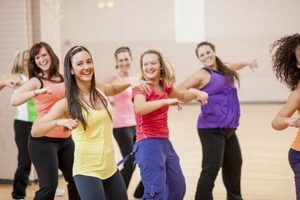
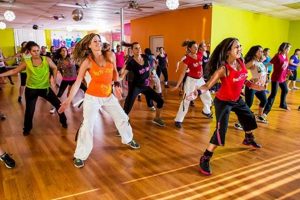
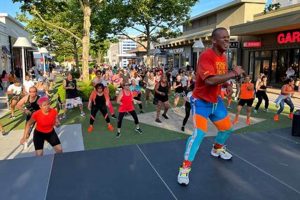
A fitness program that combines Latin and international music with dance moves, provides an aerobic workout. This workout incorporates interval training, alternating between fast and slow rhythms, enhancing cardiovascular fitness and muscular endurance. Participants follow instructors who lead them through a series of choreographed routines, mimicking dance steps from various styles like salsa, merengue, and cumbia.
The benefits extend beyond physical conditioning. It promotes stress reduction, improves coordination, and boosts mood through the release of endorphins. Its origins trace back to the mid-1990s, quickly gaining popularity as a fun and accessible way to exercise. The widespread appeal comes from its inclusive nature; variations are available for different fitness levels and age groups, making it accessible to a broad demographic.
Understanding the fundamental elements of this fitness activity, including the types of movements and the variations offered, is crucial for potential participants. A deeper understanding will allow individuals to make informed decisions on whether it suits their fitness goals and personal preferences. Subsequent sections will explore the specific dance styles incorporated, the equipment required, and potential modifications for individuals with physical limitations.
Tips for Participating in a Zumba Class
Maximizing the benefits and enjoyment of a dance-fitness experience requires careful consideration of several key aspects. Adhering to these recommendations can enhance safety, improve performance, and ensure a more positive experience.
Tip 1: Select a Class Suited to Fitness Level: Different class formats exist to cater to various levels of fitness. Beginner-friendly versions emphasize basic steps and slower tempos, while advanced classes incorporate more complex choreography and high-impact movements. Choosing the appropriate level is crucial for preventing injury and maintaining motivation.
Tip 2: Prioritize Proper Footwear: Supportive athletic shoes designed for lateral movement are essential. Shoes with excessive grip can hinder dance movements and increase the risk of ankle injuries. Cross-training shoes often provide the necessary support and flexibility.
Tip 3: Arrive Early for Orientation: Arriving prior to the scheduled start time allows for familiarization with the studio environment, instructor introductions, and a basic overview of the class structure. This orientation provides an opportunity to address any specific concerns or modifications needed.
Tip 4: Focus on Mimicking Movements Initially: Rather than striving for perfect execution from the outset, concentrate on replicating the instructor’s movements to the best of one’s ability. Over time, coordination and technique will improve with consistent practice.
Tip 5: Hydrate Adequately: Maintaining adequate hydration before, during, and after the session is critical. Dehydration can lead to muscle cramps, fatigue, and decreased performance. Water is the preferred beverage for rehydration.
Tip 6: Listen to the Body’s Signals: Pushing beyond one’s physical limits can result in injury. Pay attention to any pain or discomfort, and modify movements or take breaks as needed. Gradual progression is key to long-term success.
Tip 7: Emphasize Enjoyment and Engagement: The primary objective is to derive pleasure from the activity. Focus on the music, the movement, and the social interaction. A positive mindset enhances motivation and adherence.
Following these guidelines promotes a safe and effective participation experience. Prioritizing proper preparation, technique, and self-awareness maximizes the potential benefits and minimizes the risk of adverse outcomes.
The subsequent sections will delve into specific modifications and adaptations that can be implemented to accommodate individuals with varying physical limitations or specific health conditions.
1. Dance-based fitness

Dance-based fitness serves as the foundational framework upon which the particular fitness class is built. The core principle revolves around using dance movements, drawn from various styles, to achieve cardiovascular fitness, muscular endurance, and overall well-being. Within the Zumba context, this translates to the incorporation of Latin rhythms like salsa, merengue, and reggaeton into structured routines. The effect is a workout that is both engaging and effective, masking the rigorous nature of the exercise through enjoyable choreography. For example, a routine incorporating salsa steps provides a leg workout while simultaneously improving coordination and rhythm.
The importance of dance-based fitness within the class framework extends beyond mere entertainment. It provides a structured approach to movement, ensuring that all major muscle groups are engaged. Furthermore, the inherent variability in dance styles prevents monotony, fostering sustained engagement and long-term adherence. Consider the practical application: an individual who finds traditional gym workouts tedious might find Zumba more appealing due to its dance-centered approach, leading to increased physical activity and improved health outcomes. A dance program can be a more engaging alternative to traditional forms of exercise.
In summary, dance-based fitness is not merely an aesthetic element, but an integral component that defines the particular fitness class. It provides the structure, variability, and enjoyment necessary for effective exercise. Understanding this connection is crucial for appreciating the workout’s appeal and recognizing its potential to promote physical activity among diverse populations. By embracing this, participants can engage in exercises that are enjoyable and beneficial to their health in the long-run.
2. Aerobic interval training

The inclusion of aerobic interval training is a defining characteristic. This training methodology involves alternating between periods of high-intensity activity and periods of lower-intensity recovery. Within a class, this translates to routines with fast-paced, energetic dance moves interspersed with slower, less demanding rhythms. The effect is a workout that challenges the cardiovascular system, improving endurance and promoting efficient calorie expenditure. For instance, a segment featuring rapid salsa steps, followed by a slower merengue sequence, exemplifies the application of aerobic interval training principles. The rapid salsa elevates the heart rate, while the merengue allows for partial recovery before the next high-intensity burst. The benefits extend to enhancing metabolism, burning a greater number of calories in a shorter span.
The integration of aerobic interval training is not merely incidental; it is a purposeful design element that differentiates a class from simple dance recreation. This element ensures that the workout effectively promotes cardiovascular health and enhances overall fitness. The cyclical nature of high and low intensity levels optimizes the body’s physiological response, leading to improved aerobic capacity and increased fat oxidation. This is achieved by causing greater metabolic effects, which in turn results in caloric burn. The practical application lies in its accessibility; the dance-based format makes interval training engaging and less intimidating than traditional forms of high-intensity exercise. The intervals are also strategically added to allow the participants to continue at a moderate pace.
In summary, aerobic interval training is an essential component, directly impacting its effectiveness as a fitness modality. It provides the stimulus necessary for cardiovascular improvement and caloric expenditure while maintaining accessibility through dance-based movements. A clear understanding of this connection allows participants to appreciate the scientific foundation of the class and to maximize its potential benefits. The strategic use of intervals, both in the aerobic and anaerobic domains, has contributed significantly to the popularization of exercise programs based on dance.
3. Latin rhythms infused

The infusion of Latin rhythms forms a foundational element. This integration distinguishes the class from other fitness programs, imbuing it with a unique cultural and musical identity that contributes significantly to its appeal and effectiveness.
- Diversity of Musical Styles
The incorporation of diverse musical styles, including salsa, merengue, cumbia, and reggaeton, provides variety and prevents monotony. Each rhythm dictates distinct dance steps and movement patterns, engaging different muscle groups and enhancing coordination. The variety ensures a full-body workout, enhancing cardiovascular health and muscle tone. The use of diverse styles also contribute to the fun of exercise sessions.
- Cultural Immersion and Engagement
The use of Latin rhythms allows participants to engage with different cultures through music and dance. The rhythms enhance participants’ enjoyment, making them more likely to adhere to a consistent exercise regimen. By participating, individuals also come in closer contact with different cultures and art forms.
- Motivational and Energetic Impact
The energetic tempos and infectious melodies of Latin music have a motivational impact, encouraging participants to push their physical limits. The rhythms foster a positive and energetic atmosphere, enhancing the overall workout experience and making it more enjoyable. Rhythmic music can enhance exercise efficiency.
- Accessibility and Adaptability
Latin rhythms offer accessibility and adaptability. Instructors can modify the choreography and intensity to accommodate diverse fitness levels and abilities. The inclusive nature of the activity allows individuals of varying backgrounds and physical capabilities to participate effectively. Through these rhythms, the door is open to greater participation.
The multifaceted influence of Latin rhythms is integral to the fitness programs identity. The program creates an engaging, culturally rich fitness experience by harnessing the motivational, diverse, and adaptable qualities of Latin music. These qualities greatly contribute to the sustained popularity and effectiveness of what is considered a well-structured activity.
4. Choreographed routines

Choreographed routines are a central component of the dance-fitness class, providing structure and direction to the aerobic workout. These routines are not merely a sequence of dance steps; they are meticulously designed sequences of movements set to specific musical tempos and rhythms, derived primarily from Latin and international music genres. The cause-and-effect relationship is evident: the music dictates the choreography, and the choreography, in turn, dictates the physical demands and benefits of the exercise. Without pre-planned sequences, the session risks becoming unstructured and less effective in achieving consistent cardiovascular and muscular engagement. Examples of choreographic elements include step patterns, arm movements, and transitions, all synchronized to the musical beat. Each element contributing to the workout’s effectiveness.
The importance of choreographed routines extends to ensuring safety and accessibility. By providing a predictable sequence, participants can anticipate movements and minimize the risk of injury. Choreography also allows instructors to introduce modifications and variations to accommodate different fitness levels and physical limitations. The structured choreography ensures that participants of all ages can adapt to fitness demands. An instructor’s ability to execute choreography and make necessary accommodations results in a more inclusive and satisfying exercise experience. Through a structured setting, a safe environment is thus created. The importance cannot be overstated, as it not only ensures safety but also contributes to adherence to the program.
In summary, choreographed routines are not an optional add-on but a fundamental element that defines the dance-fitness class. They provide structure, direction, safety, and accessibility, contributing directly to the workout’s effectiveness and appeal. A deeper understanding of this element allows participants to appreciate the complexity and purpose of each movement, fostering a more engaged and rewarding fitness experience. The routines are not simply random steps but are integral to achieving the workout’s intended benefits.
5. Cardiovascular enhancement

Cardiovascular enhancement is a primary physiological outcome and a central objective integrated within the fitness activity. The design, predicated on sustained rhythmic movement coupled with variations in intensity, directly stimulates the cardiovascular system. Elevated heart rate and increased blood flow are consistent results, contributing to improved cardiac efficiency and vascular function. For instance, the fast-paced segments, characterized by high-impact movements, necessitate increased oxygen consumption, challenging the heart to pump blood more efficiently. This systematic stress promotes adaptive changes within the cardiovascular system, leading to long-term improvements in endurance and overall heart health.
The importance of cardiovascular enhancement extends beyond mere physical conditioning. Improved cardiovascular function mitigates the risk of chronic diseases such as hypertension, coronary artery disease, and stroke. The integration of interval training principles, with alternating periods of high and low intensity, optimizes cardiovascular conditioning by promoting both aerobic and anaerobic adaptations. An individual who consistently participates will likely experience a reduction in resting heart rate, an indicator of improved cardiovascular efficiency. The benefits contribute to enhanced stamina, increased energy levels, and improved overall quality of life.
In summary, cardiovascular enhancement is not merely an incidental byproduct but rather an intentional and integral outcome. Its design actively promotes cardiovascular conditioning, mitigating the risk of chronic diseases and improving overall well-being. A thorough understanding of this connection allows participants to appreciate its potential health benefits. Furthermore, this understanding can inform exercise choices, ensuring that individuals select activities that effectively address their cardiovascular fitness goals. The activity’s accessibility and enjoyable format make it a viable option for individuals seeking to improve their cardiovascular health.
6. Calorie expenditure

Calorie expenditure is a significant physiological outcome directly linked to participation in a dance-fitness class. The inherent nature of the activity, involving continuous rhythmic movement and variations in intensity, necessitates energy utilization, resulting in the burning of calories. The degree of calorie expenditure is influenced by several factors, including the individual’s weight, fitness level, and the intensity and duration of the session. Routines characterized by high-impact movements and rapid tempos demand greater energy expenditure compared to slower, low-impact variations. Consequently, the intensity and duration of the session determine the total calories burned. A person with a higher body weight, for instance, will likely expend more calories during the same routine compared to someone with a lower weight, due to the increased energy required to move their body mass.
The importance of calorie expenditure extends to weight management and overall metabolic health. Consistent engagement in the fitness activity can contribute to a caloric deficit, a fundamental principle in weight loss. Furthermore, regular physical activity improves insulin sensitivity and enhances metabolic rate, supporting long-term weight maintenance and reducing the risk of metabolic disorders. For instance, consistent participation, combined with a balanced diet, can lead to gradual weight loss and improvements in body composition. This caloric deficit and improved metabolism are crucial for long-term health. The program serves as a viable means for achieving these benefits through an enjoyable and engaging workout format.
In summary, calorie expenditure represents a crucial physiological effect directly attributable to participation in a dance-fitness class. It contributes to weight management, improves metabolic health, and supports overall well-being. Understanding this connection empowers participants to make informed decisions regarding their exercise habits and to maximize the potential benefits of the activity. By emphasizing the role of the activity in calorie expenditure, individuals are more likely to appreciate the broader health implications and to sustain their commitment to regular physical activity. Caloric expenditure is the ultimate result and thus is a component of understanding the program.
7. Group exercise setting
The group exercise setting is integral to the essence of a dance-fitness class. This environment fosters a sense of community and shared purpose, which significantly enhances participant motivation and adherence. The collective energy and encouragement within a group setting often serve as a catalyst for individuals to push their physical limits and sustain their commitment to regular physical activity. Witnessing others engaging in the same activity creates a supportive atmosphere, reducing feelings of self-consciousness and promoting a sense of belonging. The presence of an instructor guiding the group further ensures proper technique and provides additional motivation.
The dynamic interaction within a group setting can also lead to a more engaging and enjoyable exercise experience. Shared laughter, synchronized movements, and collective achievements contribute to a positive emotional connection with the activity. This connection, in turn, reinforces the likelihood of continued participation. For example, individuals who might find solo exercise tedious may discover renewed enthusiasm in a group setting, benefiting from the social interaction and collaborative spirit. The group format also promotes accountability, as participants are more likely to attend classes regularly when they feel connected to a community.
In summary, the group exercise setting is not merely a logistical arrangement but a fundamental element that significantly influences the effectiveness and sustainability of dance-fitness as a fitness modality. It fosters motivation, enhances enjoyment, and promotes adherence, contributing directly to achieving fitness goals and improving overall well-being. The group environment’s structure, social support, and collective energy combine to create a synergistic effect, making it a powerful tool for promoting physical activity. The support system’s efficacy highlights why the group aspect of this type of class is popular and should be acknowledged.
Frequently Asked Questions about Zumba Classes
The following section addresses common inquiries regarding participation and expectations.
Question 1: What level of fitness is required to participate?
This exercise program is designed to accommodate various fitness levels. Modifications and variations are typically offered to suit individuals with different physical capabilities.
Question 2: Is prior dance experience necessary?
No prior dance experience is required. The focus is on moving to the music and enjoying the workout. Participants are encouraged to follow the instructor’s lead and modify movements as needed.
Question 3: What type of clothing and footwear is recommended?
Comfortable athletic clothing that allows for freedom of movement is recommended. Supportive athletic shoes designed for lateral movement are essential to prevent injuries.
Question 4: Are there any age restrictions for participation?
The activity is generally suitable for adults of all ages. However, specific age restrictions may apply depending on the class format and the policies of the fitness facility.
Question 5: How frequently should one participate to see results?
Consistent participation, ideally two to three times per week, is recommended to achieve noticeable improvements in cardiovascular fitness, muscular endurance, and weight management.
Question 6: Are there any specific health conditions that would preclude participation?
Individuals with pre-existing health conditions, such as cardiovascular disease, musculoskeletal injuries, or other medical concerns, should consult with a healthcare professional before engaging in this or any new exercise program.
These responses provide fundamental information about the activity. Further consultation with instructors and healthcare providers can address specific individual concerns.
Subsequent sections will explore variations and specialized types of the activity that cater to different populations and fitness goals.
Conclusion
This exploration has defined what’s a zumba class as a structured fitness program blending Latin and international music with dance movements. It incorporates aerobic interval training for cardiovascular enhancement and calorie expenditure, within a group setting that promotes motivation and adherence. The routines, choreographed to diverse rhythms, provide an engaging and accessible means of physical activity for individuals of various fitness levels and backgrounds.
The understanding of components highlights its potential to improve cardiovascular health, manage weight, and foster a sense of community. Its structured and inclusive nature underscores its significance as a viable option for those seeking an enjoyable and effective pathway to fitness. Further research and participation will contribute to a more comprehensive understanding of its long-term benefits and impact on public health.