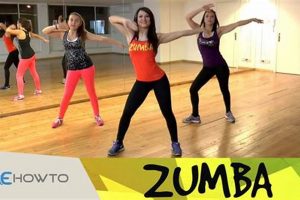
This dynamic group exercise blends traditional Latin dance rhythms with intense workout elements, incorporating amplified movements and fitness drills. Often incorporating the use of light weights or resistance bands, it elevates the standard dance fitness experience to a higher intensity level. Participants can anticipate a rigorous session that aims to improve cardiovascular endurance, muscular strength, and coordination.
The enhanced rigor of this activity provides significant advantages for individuals seeking comprehensive physical conditioning. The combination of dance and fitness movements can lead to improved calorie expenditure, enhanced muscle toning, and greater overall fitness gains compared to more traditional dance fitness formats. Its evolution represents a response to the growing demand for high-energy, results-driven workout options within the fitness industry.
The following sections will delve into specific elements of this comprehensive fitness approach, exploring its techniques, physical impact, safety considerations, and accessibility for various fitness levels. This information should provide a thorough understanding of how this high-energy activity contributes to overall well-being.
Tips for Optimizing Zumba Xtreme Fitness Sessions
The following guidelines are intended to maximize the efficacy and safety of participation in high-intensity dance fitness programs. Proper execution of these principles can contribute to achieving desired fitness outcomes while minimizing the risk of injury.
Tip 1: Hydrate Adequately. Maintaining optimal hydration levels is crucial for performance and recovery. Drink water before, during, and after the session to prevent dehydration and support muscle function.
Tip 2: Prioritize Proper Footwear. Select athletic shoes that provide adequate support and cushioning. Shoes designed for cross-training activities are typically suitable, offering stability for lateral movements and impact absorption during high-intensity steps.
Tip 3: Master Foundational Steps. Familiarize oneself with the fundamental dance steps and movements incorporated in the routines. A solid understanding of these basics ensures correct form and reduces the potential for errors that could lead to injury.
Tip 4: Listen to the Body’s Signals. Pay close attention to physical sensations and adjust intensity levels as needed. Recognize the difference between muscle fatigue and pain, and refrain from pushing through discomfort that signals a potential injury.
Tip 5: Incorporate a Warm-Up and Cool-Down. A thorough warm-up prepares the muscles for exertion and increases blood flow, while a cool-down period allows the body to gradually return to its resting state, reducing muscle soreness and promoting recovery.
Tip 6: Focus on Core Engagement. Actively engage the core muscles throughout the routines to stabilize the spine and improve overall posture. Proper core engagement enhances balance, power, and control during dynamic movements.
Tip 7: Modify Movements as Needed.Adapt exercises to match individual fitness levels and physical limitations. Options such as reducing the range of motion or lowering the impact of jumps can help prevent overexertion and injury.
By adhering to these recommendations, participants can enhance the benefits derived from high-intensity dance fitness while minimizing the risks associated with vigorous physical activity. Consistent application of these principles contributes to a sustainable and enjoyable fitness journey.
The subsequent sections will examine other key aspects of fitness participation, including nutritional considerations and strategies for maintaining long-term adherence to exercise routines.
1. High-Intensity Intervals

The integration of high-intensity intervals is a defining characteristic. These intervals, characterized by short bursts of maximal effort followed by periods of lower-intensity recovery, elicit specific physiological responses that are central to its effectiveness. The elevated heart rate and increased oxygen consumption during the high-intensity phases create an oxygen debt that the body subsequently attempts to repay during the recovery periods, leading to an augmented metabolic rate even after the session concludes. This phenomenon, known as the Excess Post-exercise Oxygen Consumption (EPOC) effect, contributes to the program’s overall effectiveness in promoting calorie expenditure and improving cardiovascular fitness.
In practical application, the high-intensity intervals may manifest as periods of rapid, explosive movements, such as jumps, sprints, or plyometric exercises, strategically interspersed within the choreographed routines. For example, a sequence of fast-paced salsa steps might be followed by a set of squat jumps or burpees. This structured variation in intensity not only challenges the cardiovascular system but also engages different muscle groups, contributing to a more balanced and comprehensive workout. Understanding the role and implementation of these intervals is crucial for both instructors, who must design safe and effective routines, and participants, who must modulate their effort levels to optimize results while minimizing risk of injury.
In conclusion, the incorporation of high-intensity intervals is a deliberate and crucial component that distinguishes the program from other dance fitness modalities. The resulting physiological benefits, including increased calorie expenditure and improved cardiovascular fitness, are directly attributable to the strategic application of these periods of intense exertion. This feature elevates it to a more advanced level of training, demanding a greater level of physical conditioning and awareness from participants while potentially yielding more significant fitness gains.
2. Choreography and Music

The interrelationship between choreography and music forms the foundational structure of this high-intensity fitness discipline. These elements are not merely complementary but intrinsically linked, dictating the workout’s intensity, flow, and overall participant experience. The selection and arrangement of both directly influence physiological and psychological engagement.
- Synchronization and Rhythm
The choreography is specifically designed to align with the musical tempo and rhythm. Each movement is synchronized to a specific beat or phrase, creating a cohesive and energetic experience. This synchronization ensures that participants are moving at a pace that maximizes calorie expenditure and cardiovascular engagement. Discrepancies between the music and movements can disrupt the workout’s flow and reduce its effectiveness.
- Musical Genre and Intensity
The choice of musical genre profoundly influences the session’s intensity and atmosphere. Upbeat genres such as Latin, hip-hop, and electronic dance music (EDM) are commonly used to stimulate energy and motivation. The tempo and percussive elements within these genres drive the speed and power of the choreographed movements. Slower or less energetic music would be incongruent with the goals of a high-intensity workout.
- Choreographic Complexity and Progression
The complexity of the choreography is carefully calibrated to challenge participants without overwhelming them. Routines typically begin with simpler steps and gradually progress to more intricate sequences. This progressive approach allows individuals of varying fitness levels to participate while continuously improving their coordination and muscle memory. Overly complex or rapidly changing choreography can lead to frustration and potential injury.
- Emotional and Motivational Impact
Music and choreography work synergistically to create an emotionally engaging experience. The rhythm and melody of the music can elicit feelings of excitement and empowerment, while the choreographed movements provide a physical outlet for these emotions. Instructors often use music and movement to create a sense of community and shared accomplishment, further enhancing motivation and adherence.
In summation, the deliberate and skillful integration of music and choreography defines the essence of this exercise method. The careful selection of musical genres, the synchronization of movements to the beat, the progressive nature of the choreography, and the creation of an emotionally engaging experience are all vital components that contribute to the workout’s overall effectiveness and appeal.
3. Strength Training Integration
Strength training integration constitutes a critical component within the structure of high-intensity dance fitness. Its inclusion enhances the physiological benefits beyond those achievable through cardiovascular activity alone. The incorporation of resistance exercises, whether utilizing body weight, light dumbbells, or resistance bands, contributes significantly to muscular endurance, strength development, and overall metabolic efficiency.
- Enhanced Muscular Endurance
The addition of strength training elements directly impacts muscular endurance, enabling participants to sustain high-intensity activity for extended periods. For instance, incorporating squats, lunges, or push-ups into a routine builds resilience in the lower body and upper body, allowing individuals to maintain proper form and intensity throughout the session. Without this component, individuals may experience premature fatigue, limiting their ability to fully engage in the exercise.
- Increased Caloric Expenditure
Strength training’s impact on caloric expenditure is significant. Resistance exercises require greater energy expenditure than purely aerobic movements, resulting in a higher overall calorie burn during the session. Moreover, strength training promotes the development of lean muscle mass, which increases basal metabolic rate, leading to a sustained increase in caloric expenditure even during periods of rest. This effect is particularly valuable for individuals pursuing weight management goals.
- Improved Bone Density
Weight-bearing strength exercises contribute to improved bone density, mitigating the risk of osteoporosis, particularly in older adults. The impact forces generated during exercises such as jumping jacks or squats stimulate bone remodeling, increasing bone mineral density and structural integrity. This benefit is especially pertinent for women, who are at a higher risk of osteoporosis than men.
- Enhanced Neuromuscular Coordination
The integration of strength training enhances neuromuscular coordination, improving balance, agility, and overall motor control. Exercises that require coordinated movements, such as lateral lunges with resistance bands, challenge the nervous system to recruit and activate multiple muscle groups simultaneously. This enhanced coordination translates into improved performance in other physical activities and reduces the risk of falls and injuries.
The incorporation of strength training elements is therefore not merely an ancillary addition but an integral component that augments the overall effectiveness of the program. Its contribution to muscular endurance, caloric expenditure, bone density, and neuromuscular coordination positions this program as a comprehensive fitness solution for individuals seeking a holistic approach to physical conditioning.
4. Calorie Expenditure

Calorie expenditure represents a key metric in assessing the physiological impact of high-intensity dance fitness. Understanding how such activities influence energy consumption is essential for individuals pursuing weight management or overall fitness improvements. The intense nature of this exercise method significantly elevates metabolic demands, leading to a substantial calorie burn within a relatively short period.
- Intensity and Metabolic Rate
The correlation between exercise intensity and metabolic rate is well-established. As intensity increases, the body requires more energy to fuel muscle contractions, respiration, and other physiological processes. With this method, the incorporation of high-impact movements, plyometrics, and resistance exercises elevates the metabolic rate significantly above resting levels. For example, an individual engaging in a 60-minute session may expend between 400 and 700 calories, depending on factors such as body weight, fitness level, and the specific routine performed.
- EPOC Effect
The Excess Post-exercise Oxygen Consumption (EPOC) effect, also known as the “afterburn” effect, plays a crucial role in calorie expenditure. Following an intense session, the body continues to consume elevated levels of oxygen as it recovers and restores physiological equilibrium. This sustained increase in oxygen consumption translates to a prolonged elevation in metabolic rate, resulting in additional calorie expenditure even after the activity has ceased. The EPOC effect associated with high-intensity exercise contributes substantially to its overall effectiveness in promoting weight loss or maintenance.
- Muscle Mass and Basal Metabolic Rate
The integration of strength training within a session positively influences calorie expenditure by promoting the development of lean muscle mass. Muscle tissue is metabolically more active than fat tissue, meaning that it requires more energy to maintain. As individuals increase their muscle mass through regular exercise, their basal metabolic rate (BMR) increases, leading to a higher daily calorie burn even at rest. This effect is particularly beneficial for long-term weight management and overall metabolic health.
- Individual Variability
It is important to recognize that calorie expenditure during exercise varies significantly among individuals. Factors such as body weight, age, sex, fitness level, and genetics all influence metabolic rate and energy consumption. While general estimates can provide a rough guideline, actual calorie expenditure may differ substantially from person to person. Using wearable fitness trackers or consulting with a qualified exercise professional can provide more accurate assessments of individual calorie burn during this program.
In conclusion, calorie expenditure is a central outcome of this high-intensity fitness activity. The elevated metabolic rate during exercise, the EPOC effect, and the promotion of lean muscle mass all contribute to its effectiveness in facilitating weight management and improving overall metabolic health. While individual variability exists, the intense nature of the program ensures a substantial calorie burn for most participants, making it a valuable tool for achieving fitness goals.
5. Modifications for All

Accessibility through modifications is a critical consideration for fitness programs, ensuring inclusivity and safety for participants with varying physical capabilities. In the context of high-intensity dance fitness, the availability of adaptable movements allows individuals of diverse fitness levels, ages, and physical conditions to engage safely and effectively.
- Impact Reduction Techniques
One key modification strategy involves reducing the impact of movements. High-impact exercises, such as jumping jacks or leaps, can be modified to low-impact alternatives, such as step-touches or marching in place. This adjustment mitigates stress on joints, making the activity suitable for individuals with knee, ankle, or hip issues. For instance, instead of a full burpee, a participant can perform a step-out burpee, eliminating the jump and reducing the overall intensity.
- Range of Motion Adjustments
Modifying the range of motion during exercises is another critical adaptation. Individuals with limited mobility or joint stiffness may find it challenging to perform full-range movements. Adjusting the depth of squats, lunges, or arm raises allows participants to work within their comfortable range, gradually increasing mobility over time. A participant with shoulder limitations can perform smaller arm circles or lateral raises, avoiding movements that cause pain or discomfort.
- Tempo and Speed Regulation
Regulating the tempo and speed of routines provides further opportunities for modification. Decreasing the pace allows participants to focus on proper form and control, particularly when learning new or complex movements. Slower tempos enable individuals to adapt to the rhythm and coordination demands of the routines without feeling overwhelmed. Instructors can offer verbal cues to guide participants to adjust their pace according to their abilities, ensuring a safe and effective workout.
- Use of Supportive Devices
The incorporation of supportive devices, such as chairs or walls, can enhance stability and balance during exercise. Individuals with balance impairments or mobility restrictions can use these devices to maintain proper posture and prevent falls. For instance, a participant can perform squats while holding onto a chair for support, allowing them to engage the targeted muscles safely. Resistance bands or light weights can also be modified to accommodate individual strength levels, ensuring that exercises remain challenging yet manageable.
The implementation of these modification strategies ensures that the high-intensity dance fitness is accessible and beneficial for a wide range of individuals. By adapting movements to accommodate various fitness levels and physical limitations, instructors can create inclusive and empowering experiences that promote long-term adherence and positive health outcomes.
Frequently Asked Questions About Zumba Xtreme Fitness
This section addresses common inquiries regarding this high-intensity dance fitness program, providing objective and factual responses to promote informed participation.
Question 1: What distinguishes Zumba Xtreme Fitness from traditional Zumba?
The primary distinction lies in intensity and structure. This program integrates higher-impact movements, interval training, and often incorporates resistance exercises, whereas traditional Zumba emphasizes continuous dance rhythms with lower overall intensity. This leads to increased caloric expenditure and enhanced cardiovascular benefits compared to standard Zumba.
Question 2: Is Zumba Xtreme Fitness suitable for beginners?
While participants with existing fitness experience may find it more readily accessible, beginners can participate. Modifications for movements are crucial for novice participants to prevent injury. Instructors should provide clear guidance on scaling exercises to match individual fitness levels.
Question 3: What equipment is typically required?
Minimal equipment is required. Athletic shoes with good support are essential. Light dumbbells or resistance bands may be used to enhance strength training elements, but are not mandatory. Proper attire, allowing for a full range of motion, is also recommended.
Question 4: What are the potential risks associated with Zumba Xtreme Fitness?
Potential risks include musculoskeletal injuries, particularly to the knees, ankles, and shoulders, due to the high-impact nature of the movements. Dehydration and overexertion are also concerns. Proper warm-up, cool-down, and adherence to safety guidelines can mitigate these risks.
Question 5: How frequently should one participate to see results?
Participating 2-3 times per week, combined with a balanced diet, can lead to noticeable improvements in cardiovascular fitness, muscle tone, and weight management. Consistency and adherence to proper form are paramount for achieving desired outcomes.
Question 6: Can Zumba Xtreme Fitness be adapted for individuals with physical limitations?
Adaptations are feasible but require careful consideration. Low-impact modifications, reduced range of motion, and slower tempos can accommodate some limitations. Consulting with a physician or physical therapist before participation is advisable for individuals with pre-existing conditions.
Adherence to these guidelines and awareness of individual capabilities are essential for maximizing the benefits and minimizing the risks associated with Zumba Xtreme Fitness.
The subsequent section will explore advanced techniques and training strategies to further enhance results and optimize the participant experience.
Conclusion
The preceding sections have presented a detailed examination of this high-intensity dance fitness modality. Key aspects, including high-intensity intervals, choreography, strength training integration, calorie expenditure, and modifications, have been thoroughly explored. The interplay of these elements shapes the overall effectiveness and accessibility of the program.
Ultimately, achieving optimal results and minimizing risks demands informed participation and adherence to safety guidelines. Ongoing research and advancements in exercise science will continue to refine understanding of the program’s physiological impact and effectiveness. It is crucial for both instructors and participants to stay informed about best practices to enhance safety and optimize the experience.