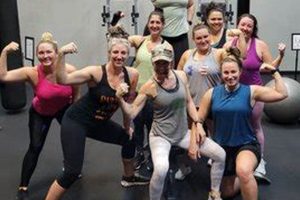
U-Jam Fitness and Zumba are both group fitness programs that blend dance and exercise to create an engaging workout experience. U-Jam Fitness focuses on hip-hop and world beats, choreographing routines to current popular music. Zumba, on the other hand, incorporates a broader range of Latin rhythms and international styles. The central element of both formats is to provide a fun, accessible, and calorie-burning workout.
The significance of these programs lies in their ability to make exercise enjoyable for a wide audience. By removing the perceived monotony of traditional workouts, they can contribute to increased adherence and long-term fitness goals. These formats have evolved from the growing recognition that exercise should be engaging and adaptable to diverse preferences. Zumba, being the more established program, has a longer history and a wider global presence. U-Jam Fitness has gained popularity more recently, offering a different stylistic approach.
This article will delve deeper into the specific features of each program, analyzing their exercise intensity, choreographic style, musical selection, instructor training, and target demographic. By examining these aspects, a clearer understanding of the similarities and differences between these two popular dance fitness options will emerge.
Guidance on Choosing Between Dance Fitness Programs
Selecting the appropriate dance fitness program requires careful consideration of individual preferences and fitness objectives. The following guidance outlines key factors to aid in making an informed decision between U-Jam Fitness and Zumba.
Tip 1: Evaluate Musical Preference. U-Jam Fitness primarily incorporates hip-hop and contemporary music, whereas Zumba features Latin and international rhythms. Determine which genre is more appealing to enhance enjoyment and motivation.
Tip 2: Consider Choreography Style. U-Jam Fitness routines often feature more structured and complex choreography. Zumba allows for greater improvisation and instructor interpretation. Assess comfort level with different choreography styles.
Tip 3: Assess Exercise Intensity. Both programs offer modifications for various fitness levels. However, Zumba can sometimes be more easily adapted for low-impact exercise. Evaluate current fitness level and desired workout intensity.
Tip 4: Research Instructor Qualifications. Ensure instructors are certified and experienced in their respective program. Qualified instructors can provide proper guidance and modifications to prevent injury.
Tip 5: Try Introductory Classes. Attending introductory classes for both U-Jam Fitness and Zumba is essential. Experiencing each program firsthand allows for a more informed decision based on personal preference and suitability.
Tip 6: Evaluate Class Atmosphere. The overall energy and atmosphere of a class can significantly impact motivation. Consider whether a more structured or free-flowing environment is preferred.
By carefully considering these factors, individuals can make a well-informed decision when choosing between U-Jam Fitness and Zumba, ultimately enhancing their workout adherence and achieving their fitness goals.
This guidance offers practical considerations for optimizing the selection process. The concluding sections of this article will explore additional aspects of each program to provide a complete comparative analysis.
1. Musical Style

Musical style is a foundational element differentiating U-Jam Fitness and Zumba. The choice of music significantly impacts participant engagement, workout intensity, and overall program appeal. U-Jam Fitness centers its choreography around contemporary hip-hop and current pop hits, providing a high-energy, up-to-date soundtrack familiar to a broad segment of the population. Zumba, conversely, emphasizes Latin rhythms, incorporating styles such as salsa, merengue, and reggaeton. This focus creates a vibrant, culturally rich experience that often resonates with individuals seeking an international flavor in their fitness routine. The cause-and-effect relationship is evident: the specific genre dictates the movement style, influencing participant enjoyment and, consequently, adherence to the program.
The importance of musical style extends beyond mere preference. The tempo and rhythmic patterns inherent in each genre directly affect the workout’s intensity and the types of movements employed. For example, the fast-paced beats of hip-hop in U-Jam Fitness encourage dynamic, explosive movements, contributing to a higher-intensity cardio workout. In contrast, the varied rhythms of Zumba offer opportunities for both high-energy bursts and slower, more controlled movements, allowing for a more diverse physical challenge. Consider the practical implications: a participant with a strong affinity for Latin music is more likely to find Zumba motivating and enjoyable, leading to consistent attendance and improved fitness outcomes.
In summary, musical style is not merely an aesthetic choice but a core component shaping the entire fitness experience. The selection of either U-Jam Fitness or Zumba necessitates careful consideration of individual musical preferences, as this element significantly influences motivation, workout intensity, and long-term program adherence. The challenge lies in recognizing that different musical styles cater to diverse tastes and fitness goals, highlighting the importance of trialing both programs to determine the most suitable fit. Ultimately, aligning musical style with personal preferences is key to maximizing the benefits derived from either U-Jam Fitness or Zumba.
2. Choreography Complexity
Choreography complexity represents a significant differentiating factor between U-Jam Fitness and Zumba. U-Jam Fitness often features more structured and intricate routines, requiring participants to learn specific sequences of movements aligned with the music. This demands a degree of coordination and memory recall, as individuals progress through choreographed segments. Zumba, while also choreographed, tends to allow for greater instructor interpretation and improvisation, resulting in routines that may feel less rigid and more adaptable to varying skill levels. The increased structure in U-Jam can lead to a more challenging mental workout, demanding greater focus and cognitive engagement alongside the physical exertion. This also, however, can present a barrier to entry for individuals less comfortable with learning complex dance steps. One illustrative example lies in the incorporation of intricate footwork patterns frequently observed in U-Jam versus the emphasis on simpler, repetitive movements found in many Zumba routines. This impacts participant accessibility, potentially affecting long-term engagement.
The importance of choreography complexity resides in its influence on workout intensity, participant confidence, and overall enjoyment. High complexity routines, such as those commonly seen in U-Jam, can elevate cardiovascular demand as participants strive to master the steps. However, they may also induce frustration or a sense of inadequacy among beginners or those with limited dance experience. Conversely, the lower complexity associated with Zumba facilitates easier entry and encourages participation from a broader spectrum of fitness levels. The practical significance here is that instructors must carefully balance complexity with accessibility, modifying routines to accommodate diverse capabilities and maintain participant motivation. A class overly reliant on complex choreography might deter newcomers, whereas a class offering simpler variations can foster a more inclusive and supportive environment.
In summary, choreography complexity significantly impacts the appeal and effectiveness of both U-Jam Fitness and Zumba. The challenge lies in finding an optimal balance that provides a sufficient physical and mental stimulus without overwhelming participants. Instructors must be adept at modifying routines, offering variations, and providing clear instruction to ensure accessibility and promote sustained engagement. Understanding this aspect of choreography complexity is crucial for maximizing the benefits of these dance fitness programs and tailoring them to the needs of a diverse audience. Ultimately, a program’s success hinges on its ability to blend challenging choreography with an inclusive and supportive learning environment.
3. Intensity Level

Intensity level represents a critical variable in distinguishing U-Jam Fitness from Zumba. While both programs are inherently cardiovascular in nature, their characteristic approaches to movement and pacing influence the exertion experienced by participants. U-Jam Fitness, with its emphasis on hip-hop and high-energy music, often incorporates more dynamic and explosive movements, potentially leading to a higher average heart rate and increased caloric expenditure. Conversely, Zumba, encompassing a wider range of Latin and international rhythms, permits variations in intensity depending on the specific dance style being employed. A Zumba routine featuring primarily salsa rhythms, for example, may present a different level of exertion compared to one dominated by reggaeton. This variability, while advantageous for adaptability, may also result in inconsistent intensity levels across different Zumba classes or instructors. The cause-and-effect relationship is demonstrable: program style dictates movement, impacting exertion levels experienced. The importance of intensity lies in its direct correlation with fitness gains; a consistently challenging intensity promotes greater cardiovascular improvements.
The practical significance of understanding intensity level stems from its implications for individual fitness goals and limitations. Participants seeking a high-impact, calorie-burning workout may gravitate towards U-Jam Fitness due to its generally higher intensity. However, individuals with joint issues or those new to exercise might find Zumba more appealing due to its adaptability and the potential for low-impact modifications. A real-life example involves a sedentary individual initiating a fitness regimen. This person might find a gentler Zumba class more sustainable than a high-intensity U-Jam Fitness session, thereby increasing the likelihood of long-term adherence. It is important to recognize that both programs offer modifications to accommodate various fitness levels; however, the inherent nature of each program lends itself more readily to particular intensity profiles. The practical application of this understanding involves instructors tailoring their classes to suit the needs of their students, offering both advanced and modified versions of movements to ensure an inclusive and challenging experience for all.
In conclusion, intensity level is a key differentiator that impacts the suitability of U-Jam Fitness and Zumba for individual participants. The inherent characteristics of each program, including musical style and movement patterns, contribute to distinct intensity profiles. Understanding this distinction is crucial for aligning program selection with individual fitness goals and limitations, promoting both effective results and sustained engagement. The challenge lies in objectively assessing personal fitness levels and program intensity, a task that may require initial experimentation and careful consideration of individual needs. Ultimately, informed selection based on a clear understanding of intensity levels will contribute to more effective and enjoyable fitness experiences.
4. Instructor Certification
Instructor certification plays a vital role in ensuring the quality and safety of both U-Jam Fitness and Zumba classes. These certifications establish a baseline competency for instructors, dictating knowledge of safe exercise practices, choreography execution, and cueing techniques. The existence of certification programs creates a causal link: certified instructors are more likely to provide effective and safe instruction, which directly affects participant outcomes and injury prevention. The importance of certification lies in minimizing risk; improperly trained instructors may lead to participant injury due to incorrect form or unsafe modifications. Consider a scenario where a non-certified instructor teaches a high-impact U-Jam Fitness class without providing appropriate modifications for participants with knee issues. This lack of awareness could result in participant injury, highlighting the practical significance of certification as a protective measure.
Further, instructor certification often includes components addressing class management, motivation, and adapting routines to diverse fitness levels. Certified Zumba instructors, for instance, are trained to recognize and accommodate various physical limitations within their classes, ensuring inclusivity and promoting adherence. A well-trained instructor can modify choreography, provide alternative movements, and offer verbal cues to address individual needs, fostering a more positive and effective fitness experience. The investment in instructor training by U-Jam Fitness and Zumba directly translates to enhanced participant satisfaction and program retention. The absence of standardized certification could lead to inconsistent class quality, potentially damaging the reputation of either program. A lack of certified instructors could lead to less effective workouts.
In conclusion, instructor certification constitutes a cornerstone in the U-Jam Fitness and Zumba frameworks. The challenge lies in ensuring widespread instructor compliance with certification requirements and providing ongoing professional development opportunities. While certification cannot guarantee perfection, it significantly mitigates risk and enhances the overall quality of these dance fitness programs. Understanding the importance of instructor certification is crucial for participants seeking safe and effective fitness experiences. The absence of accredited instructors creates less opportunities for effective workouts.
5. Target Audience

The target audience forms a crucial consideration in differentiating U-Jam Fitness from Zumba. While both programs aim to attract a broad spectrum of individuals, subtle nuances in their formats influence their appeal to specific demographics and fitness preferences. Understanding these nuances is critical for prospective participants seeking to align their fitness choices with their personal characteristics and goals.
- Age Demographics
U-Jam Fitness, with its emphasis on contemporary hip-hop and pop music, often resonates more strongly with younger individuals and those seeking a modern, high-energy workout experience. Zumba, incorporating Latin rhythms and international styles, tends to attract a slightly broader age range, appealing to those with an affinity for diverse musical genres and cultural expressions. Examples from market research suggest a higher concentration of millennials and Gen Z participants in U-Jam Fitness classes compared to Zumba, where Gen X and Baby Boomers are more commonly represented. The implications for instructors are clear: understanding the predominant age demographic allows for tailoring music selection and choreography to maximize engagement and retention.
- Fitness Level and Experience
Zumba often presents a more accessible entry point for individuals with limited dance experience or lower fitness levels due to its generally simpler choreography and adaptable intensity. U-Jam Fitness, with its structured routines and dynamic movements, may be more attractive to those with a background in dance or a higher baseline fitness level. In practice, this means that a beginner may find Zumba less intimidating and more enjoyable, while an experienced dancer might prefer the challenge and precision of U-Jam Fitness. This distinction necessitates that instructors clearly communicate the program’s intensity and provide modifications to accommodate varying fitness levels within the class.
- Musical and Cultural Preferences
Musical taste acts as a primary driver in program selection. Individuals with a strong affinity for hip-hop and contemporary pop music are more likely to gravitate towards U-Jam Fitness. Conversely, those who enjoy Latin rhythms, salsa, and international music styles will likely find Zumba more appealing. This preference is often intertwined with cultural background and personal identity. For example, individuals of Latin American descent may find Zumba more culturally relevant and engaging. Program organizers must therefore consider the cultural makeup of their community when deciding which format to offer or promote.
- Motivations and Fitness Goals
Individuals seeking a fun, social, and low-pressure workout environment may find Zumba particularly appealing, as its emphasis on enjoyment and accessibility often overshadows the rigorousness of the exercise. Those motivated by learning choreographed routines, improving their dance skills, and pushing their physical limits may be more drawn to U-Jam Fitness. Examples include individuals seeking stress relief and social connection opting for Zumba, while those focused on calorie burning and muscle toning may prefer U-Jam Fitness. Understanding these differing motivations allows instructors to tailor their teaching style and class atmosphere to better align with participant expectations.
These facets collectively highlight the importance of target audience considerations in the context of dance fitness programs. While U-Jam Fitness and Zumba both offer valuable exercise opportunities, their distinct formats cater to different demographics and preferences. By understanding these nuances, prospective participants can make informed choices, instructors can optimize their teaching strategies, and program organizers can tailor their offerings to maximize community engagement and fitness outcomes. The challenge therefore lies in appreciating and responding to these diverse needs, creating a fitness environment that welcomes and empowers all individuals.
Frequently Asked Questions
This section addresses common inquiries regarding U-Jam Fitness and Zumba, providing clarity on their differences, benefits, and suitability for various fitness levels.
Question 1: What are the fundamental differences between U-Jam Fitness and Zumba?
U-Jam Fitness prioritizes hip-hop and contemporary music, featuring structured choreography. Zumba incorporates a broader range of Latin and international rhythms with a greater emphasis on instructor interpretation and improvisation.
Question 2: Which program is more suitable for beginners with no prior dance experience?
Zumba is generally considered more accessible for beginners due to its simpler choreography and emphasis on fun and accessibility. However, both programs can be modified to accommodate various fitness levels.
Question 3: Is one program inherently more intense than the other?
U-Jam Fitness often incorporates more dynamic and explosive movements, potentially leading to a higher average intensity. Zumba offers variability depending on the specific dance styles employed, allowing for modifications to lower the intensity.
Question 4: How important is instructor certification, and what does it entail?
Instructor certification is crucial for ensuring safe and effective instruction. It encompasses knowledge of choreography execution, cueing techniques, class management, and adaptation for diverse fitness levels. Certified instructors are better equipped to minimize risk and enhance participant outcomes.
Question 5: Do both programs offer modifications for participants with physical limitations?
Yes, both U-Jam Fitness and Zumba offer modifications to accommodate participants with various physical limitations. Qualified instructors are trained to provide alternative movements and verbal cues to ensure inclusivity and promote adherence.
Question 6: What factors should be considered when choosing between U-Jam Fitness and Zumba?
Considerations include musical preference, choreography complexity, desired intensity level, and instructor qualifications. Attending introductory classes for both programs is essential to making an informed decision based on personal experience.
These FAQs provide a foundational understanding of U-Jam Fitness and Zumba, highlighting key distinctions and considerations for program selection. The intent is to empower individuals to make informed decisions aligned with their fitness goals and preferences.
The subsequent section of this article will offer concluding remarks summarizing the key takeaways and providing guidance on integrating dance fitness into a comprehensive wellness plan.
U-Jam Fitness vs. Zumba
This article has explored the distinctions between U-Jam Fitness and Zumba, outlining key differences in musical style, choreography complexity, intensity level, instructor certification, and target audience. U-Jam Fitness, characterized by its hip-hop focus and structured routines, appeals to a younger demographic seeking a high-energy workout. Zumba, with its Latin rhythms and adaptable choreography, offers accessibility to a broader age range and fitness levels. Instructor certification remains a crucial factor for ensuring safety and effectiveness in both programs. Individual preferences regarding music and choreography ultimately dictate the most suitable choice.
The decision between U-Jam Fitness vs Zumba necessitates careful consideration of individual fitness goals, musical preferences, and physical limitations. Both programs offer viable avenues for improving cardiovascular health and overall well-being. Participants are encouraged to explore both formats to determine the best fit for their specific needs and preferences, thus maximizing the potential for sustained engagement and positive health outcomes. The integration of dance fitness into a comprehensive wellness plan represents a proactive step towards achieving long-term health and fitness goals.