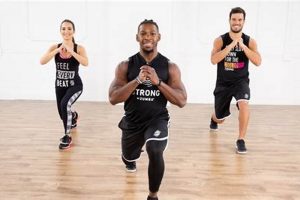
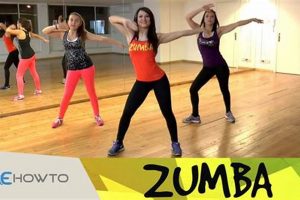
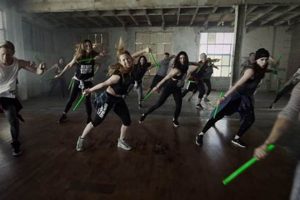
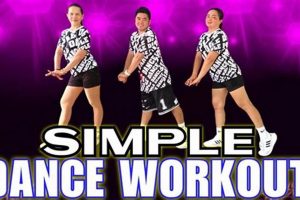
Engaging in a high-energy dance fitness routine shortly after waking provides a structured physical activity session. It combines aerobic exercise with Latin-inspired dance movements, typically lasting between 30 to 60 minutes. This fitness option is often scheduled to align with early schedules, providing individuals with a convenient way to incorporate exercise into their daily lives before work or other commitments.
Undertaking this type of physical activity early in the day offers several advantages. The increased metabolic rate experienced after the session can promote sustained energy levels throughout the day. Furthermore, it can contribute to improved mood and cognitive function, potentially enhancing productivity and focus. While its roots trace back to the global popularity of Zumba fitness programs, the focused scheduling of this activity caters to individuals seeking efficient and effective fitness solutions.
The following discussion will explore the specific components of such a regimen, examine its potential health impacts, and offer guidance on implementing it safely and effectively. Considerations will be given to adapting the intensity and duration to individual fitness levels and goals. Furthermore, strategies for maximizing the benefits and minimizing potential risks will be outlined.
Guidance for Early Dance Fitness Sessions
Implementing a dance-based exercise routine at the beginning of the day requires careful consideration. The following recommendations are designed to maximize benefits and minimize the potential for injury.
Tip 1: Hydrate Adequately. Prior to commencing the session, consume a sufficient quantity of water. Dehydration can impair performance and increase the risk of muscle cramps. Consider a pre-exercise electrolyte drink for longer or more intense sessions.
Tip 2: Prioritize Warm-up. Dedicate at least five to ten minutes to warming up. This should include dynamic stretching exercises to prepare the muscles and joints for activity. Example movements include arm circles, leg swings, and torso twists.
Tip 3: Monitor Intensity. Regulate the intensity of the workout to align with individual fitness levels. Novices should begin with lower-impact modifications and gradually increase intensity as fitness improves. Employ heart rate monitoring or the Rate of Perceived Exertion (RPE) scale to gauge effort.
Tip 4: Ensure Proper Footwear. Wear supportive athletic shoes that provide adequate cushioning and stability. Avoid shoes with excessive grip, which can hinder lateral movements and increase the risk of ankle injuries.
Tip 5: Practice Correct Form. Focus on maintaining proper technique throughout the workout. Incorrect form can lead to muscle strains and joint pain. If unfamiliar with the movements, seek guidance from a certified instructor or online resources.
Tip 6: Cool Down and Stretch. Allocate time for a cool-down period, including static stretching exercises, to promote muscle recovery and flexibility. Hold each stretch for at least 30 seconds.
Tip 7: Listen to the Body. Pay attention to any signs of pain or discomfort. If pain occurs, cease the activity and consult with a healthcare professional. Do not push through pain, as this can exacerbate injuries.
Adherence to these guidelines can optimize the safety and effectiveness of a dance fitness regimen performed early in the day, contributing to improved physical and mental well-being.
The subsequent sections will address potential risks and contraindications, along with strategies for long-term adherence to this type of program.
1. Early Rhythm Integration

Early Rhythm Integration, in the context of dance fitness activities scheduled in the morning, involves the immediate engagement with musical patterns and rhythmic sequences. This element is foundational for maximizing the benefits and enjoyment derived from such sessions.
- Neuromuscular Activation
Initiating physical activity with rhythmic stimuli triggers immediate neuromuscular activation. The brain begins to process and synchronize movements with the music, enhancing motor control and coordination. For instance, the initial beats of a Zumba track prompt the body to align movements with the tempo, thus optimizing muscle engagement and fluidity.
- Cognitive Engagement
Rhythmic integration requires active cognitive participation. The individual must listen to the music, identify the beat, and translate that rhythm into physical action. This process can sharpen mental focus early in the day, promoting a state of alertness and cognitive readiness. Examples include anticipating changes in rhythm within a Zumba routine, requiring constant mental adjustment and prediction.
- Synchronization and Coordination
The ability to synchronize movements with a rhythmic beat promotes enhanced coordination. This is particularly relevant in dance fitness programs where complex steps and patterns are involved. Successfully synchronizing steps with the rhythm in a Zumba routine, for example, demands and reinforces coordination between the brain and body.
- Mood Enhancement
Music, particularly when combined with physical activity, can positively influence mood. The engagement with rhythm triggers the release of endorphins, contributing to feelings of pleasure and well-being. This effect can be particularly pronounced when starting the day, setting a positive tone and reducing stress. For example, the upbeat nature of Zumba music, coupled with synchronized movements, may enhance mood and reduce perceived exertion during exercise.
These facets of Early Rhythm Integration highlight its significance in dance fitness activities executed during the morning hours. The enhanced neuromuscular activation, cognitive engagement, synchronization, and positive mood effects contribute to a more effective and enjoyable exercise experience, potentially leading to increased adherence and long-term health benefits. This integration is critical to maximizing the positive impacts of a morning dance workout.
2. Pre-Work Energization

Pre-Work Energization, in the context of a dance-based exercise session conducted in the morning, refers to the process of enhancing physical and mental readiness for the day’s professional activities. This enhancement is achieved through physiological and psychological mechanisms stimulated by the workout. It is a key benefit sought by individuals incorporating such routines into their daily schedule.
- Metabolic Activation
The initiation of physical activity triggers a cascade of metabolic processes. The body increases the rate at which it converts nutrients into energy, leading to elevated blood glucose levels and increased oxygen consumption. For example, during a high-intensity Zumba routine, the body relies on glycogen stores for energy, resulting in an increased metabolic rate that can persist for several hours post-exercise, thus providing sustained energy throughout the workday.
- Hormonal Modulation
Physical exercise influences the secretion of various hormones. An early dance session can stimulate the release of endorphins, which contribute to a sense of well-being and reduce stress. Additionally, cortisol, a stress hormone, is initially elevated during exercise, but regular workouts can lead to a more balanced cortisol response over time. This hormonal modulation can improve mood, focus, and resilience to stress, essential attributes for effective performance in a professional setting.
- Cardiovascular Enhancement
A dance fitness session elevates heart rate and improves blood circulation. This increased blood flow delivers more oxygen and nutrients to the brain, enhancing cognitive function and alertness. Regular dance fitness workouts improve cardiovascular efficiency, allowing the body to adapt to the demands of the workday with reduced fatigue. For instance, increased cerebral blood flow translates to improved concentration and memory retention during work tasks.
- Neurotransmitter Regulation
Exercise impacts the levels of neurotransmitters in the brain, including dopamine, serotonin, and norepinephrine. These neurotransmitters play crucial roles in mood regulation, motivation, and cognitive function. Dance exercise stimulates the release of these neurotransmitters, promoting a state of mental clarity and readiness. An example includes the release of dopamine during the Zumba session, which fosters a sense of motivation and enjoyment, potentially carrying over into work-related tasks, enhancing engagement and productivity.
These facets of Pre-Work Energization underscore the potential benefits of incorporating a dance fitness activity, like a morning routine, into the daily schedule. The physiological and psychological changes induced by the exercise can translate to improved energy levels, mood, cognitive function, and stress resilience, ultimately contributing to enhanced performance and well-being throughout the workday. These benefits emphasize the value proposition of integrating structured physical activity into the morning routine for working individuals.
3. Structured Aerobic Dance

Structured aerobic dance, exemplified by a routine performed as part of a morning fitness regimen, provides a choreographed cardiovascular workout. This exercise modality leverages planned movements and rhythmic patterns to elevate heart rate and improve overall fitness. Its connection to the keyword term lies in the disciplined and organized nature of the workout experience, providing a specific framework for physical activity.
- Choreographed Movement Sequences
Choreographed movement sequences dictate the specific steps and patterns executed during the session. These sequences are designed to maximize cardiovascular benefits and target various muscle groups. For instance, a routine may incorporate salsa steps, squats, and arm raises performed in a predetermined order. This structured approach ensures a balanced and effective workout, promoting predictable physiological responses within the body. In the context of the keyword term, this aspect ensures a controlled and effective use of workout time.
- Rhythmic Synchronization
Rhythmic synchronization requires the alignment of movements with the tempo and beat of the music. This element is central to maintaining a steady heart rate and promoting a sense of coordination. An example includes precisely timing steps to coincide with the beat of a Latin-inspired song. This alignment enhances the aerobic aspect of the exercise and facilitates a more engaging and enjoyable workout. The result is better cardiovascular stimulation and a more rewarding physical experience.
- Planned Intensity Levels
Planned intensity levels involve the deliberate manipulation of the workout’s difficulty to optimize cardiovascular conditioning and calorie expenditure. This can include alternating between high-intensity intervals and periods of active recovery. For example, a routine may incorporate short bursts of jumping jacks followed by lower-impact dance steps. This approach challenges the cardiovascular system while minimizing the risk of overexertion. Planned intensity levels are incorporated to maximize effectiveness and minimize the risk of injury.
- Guided Instruction and Leadership
Guided instruction and leadership provide direction and support to participants, ensuring proper technique and maximizing the effectiveness of the workout. This can involve a certified instructor leading the class and offering modifications for different fitness levels. An example includes an instructor demonstrating the correct form for a squat or providing alternative movements for individuals with joint issues. This guidance enhances safety and promotes adherence to the program. Thus, there is an improvement in workout quality and reduction in risk.
These facets demonstrate how it provides a structured and effective approach to fitness. The choreographed movement sequences, rhythmic synchronization, planned intensity levels, and guided instruction contribute to a controlled and engaging workout experience. These elements work in concert to optimize cardiovascular benefits, promote coordination, and enhance overall fitness outcomes.
4. Calorie Expenditure Boost

Increased energy expenditure is a primary objective for individuals engaging in structured physical activity. The degree to which a particular exercise modality facilitates this increase is a critical factor in its selection. A morning dance-based fitness session, such as the one described, presents a specific opportunity to elevate caloric burn early in the day.
- Elevated Metabolic Rate
Commencing a dance fitness routine initiates a period of heightened metabolic activity. The body requires increased energy to fuel muscle contractions and maintain physiological equilibrium during exercise. For example, during a routine, the body taps into stored carbohydrates and fats to supply energy. This metabolic elevation persists beyond the duration of the workout, contributing to an overall increase in daily caloric expenditure. The morning timing amplifies this effect, potentially influencing metabolic processes throughout the subsequent hours.
- Intensity Modulation
Dance-based routines offer inherent variability in intensity. Sequences can alternate between periods of high-impact movements and lower-impact recovery phases. An instructor may introduce variations that include jumping jacks, squats, or other strength-based exercises to increase the demand on the cardiovascular system. This intensity modulation is directly linked to the caloric expenditure, with higher intensity levels resulting in a greater caloric burn. The capacity to adjust intensity is crucial for customizing the workout to individual fitness levels and optimizing caloric expenditure goals.
- Muscle Engagement and Thermogenesis
Structured dance fitness programs necessitate the coordinated engagement of multiple muscle groups. Lower body, core, and upper body muscles are actively involved in maintaining balance, executing steps, and generating force. This widespread muscle engagement contributes to thermogenesis, the process by which the body produces heat. An example would be a dance routine that requires repeated execution of squats, lunges, and torso twists. Thermogenesis requires energy, further boosting caloric expenditure. The more muscle mass involved, the greater the potential for caloric expenditure during and after the workout.
- Post-Exercise Oxygen Consumption (EPOC)
The increased oxygen consumption following a high-intensity workout is known as Excess Post-exercise Oxygen Consumption (EPOC). This phenomenon reflects the body’s efforts to restore physiological homeostasis after exercise. During EPOC, the body continues to burn calories at an elevated rate. The magnitude of the EPOC effect is influenced by the intensity and duration of the workout. For instance, a particularly vigorous session will result in a more pronounced and prolonged EPOC effect. Therefore, there is prolonged calorie burning to amplify weight loss for an individual.
The aspects outlined demonstrate the capacity of a morning dance-based routine to increase energy expenditure. The elevated metabolic rate, intensity modulation, muscle engagement, and post-exercise oxygen consumption collectively contribute to a significant caloric burn. This boost in caloric expenditure can be a valuable component of a weight management strategy or a means of enhancing overall fitness. The impact is greatly impacted by the timing of the sessions to enhance weight loss.
5. Mental Acuity Enhancement

Dance-based exercise routines, particularly those performed in the morning, are associated with improvements in cognitive function. Mental acuity enhancement, in this context, refers to the heightened state of alertness, focus, and cognitive processing speed achieved through participation in such activities. The connection lies in the physiological and neurological responses triggered by the combined effect of physical activity and rhythmic stimulation. A morning session is a strategic measure for cognitive stimulation. As an example, improved concentration during work tasks is seen after an energetic and invigorating morning zumba workout. Studies have demonstrated that exercise increases cerebral blood flow, delivering more oxygen and nutrients to the brain, thereby enhancing neuronal function. The practical significance of this understanding is that individuals can leverage the cognitive benefits of exercise to optimize performance in demanding intellectual tasks.
The specific mechanisms through which dance enhances mental acuity are multifaceted. Coordination, memorization of steps, and the need to adapt to changing rhythms engage multiple brain regions, including the prefrontal cortex, cerebellum, and hippocampus. These regions are crucial for executive functions such as planning, decision-making, and working memory. For instance, remembering the sequence of steps in a routine requires active engagement of working memory, which is correlated with improved performance on other cognitive tasks. Furthermore, the social interaction often associated with group fitness classes can stimulate social cognition and enhance overall mental well-being. Dance, as a structured form of physical activity, provides a means to systematically engage these cognitive processes.
In summary, the relationship between dance-based fitness sessions and mental acuity enhancement is supported by both physiological and cognitive mechanisms. Participation in a morning dance workout can lead to improved cerebral blood flow, increased neuronal activation, and enhanced executive functions. Challenges remain in quantifying the specific impact of different dance styles and intensities on various cognitive domains. However, the current body of evidence suggests that regular participation in these activities can be a valuable strategy for promoting cognitive health across the lifespan. This understanding contributes to the broader theme of integrating physical activity into daily routines to optimize both physical and mental well-being.
6. Community Engagement Potential
Participation in a morning dance fitness routine offers opportunities for social interaction and community building. This aspect is increasingly relevant given trends toward social isolation and the recognized benefits of social support for both mental and physical health. The structured group setting fosters interaction among participants, potentially leading to the development of social connections and a sense of belonging. These connections may extend beyond the confines of the class, creating a supportive network that encourages continued participation and adherence to the fitness regimen. An instance would be the formation of friendships among class attendees, leading to coordinated attendance and mutual encouragement.
The benefits extend beyond casual interaction. Shared physical activity fosters camaraderie and a sense of collective accomplishment. The shared challenge of mastering dance steps and maintaining the workout’s intensity creates a bonding experience among participants. This shared experience can foster a sense of mutual support, enhancing motivation and reducing feelings of isolation. For example, class members may provide encouragement and assistance to those struggling with specific movements, fostering a supportive and inclusive environment. The availability of group-based fitness trackers and challenges may provide an added dimension to community building, creating opportunities for collaborative goal-setting and mutual accountability.
The community engagement potential associated with a morning dance workout represents a significant, albeit often overlooked, benefit. The opportunities for social interaction, the development of social connections, and the creation of a supportive environment contribute to both adherence to the fitness routine and overall well-being. While the quantification of these benefits presents methodological challenges, the anecdotal evidence and sociological theories support the assertion that community engagement plays a critical role in the success and impact of fitness programs. Future research should focus on exploring the specific mechanisms through which social interaction influences exercise adherence and well-being outcomes. Thus, the community benefits greatly by using the “morning zumba workout”.
Frequently Asked Questions
The following section addresses common inquiries regarding the implementation and effects of a morning-based dance fitness regimen.
Question 1: Is a morning workout suitable for all individuals?
The suitability of morning exercise depends on individual factors. Individuals with pre-existing medical conditions or specific physical limitations should consult with a healthcare professional before commencing such a routine. Personal schedules and chronotypes (natural sleep-wake cycles) also play a crucial role in determining suitability. Some individuals may find it challenging to adapt to early morning physical activity, while others may experience benefits. The ability to consistently adhere to the schedule is paramount.
Question 2: What are the potential risks associated with a morning exercise routine?
Potential risks include musculoskeletal injuries (strains, sprains) resulting from inadequate warm-up or improper technique. Dehydration and hypoglycemia (low blood sugar) are also concerns if appropriate precautions are not taken. Cardiovascular events, although rare, represent a more serious risk, particularly for individuals with underlying heart conditions. Listening to the body and ceasing activity at the onset of any symptoms is critical.
Question 3: How can the intensity of a morning workout be safely adjusted?
Intensity adjustment can be achieved through several means. Modification of the movements, such as reducing the range of motion or opting for lower-impact alternatives, can lower intensity. Adjusting the tempo of the music or reducing the duration of high-intensity intervals can also moderate the workout’s demand. Using heart rate monitoring or the Rate of Perceived Exertion (RPE) scale provides a means to objectively gauge and control intensity.
Question 4: What is the recommended attire and equipment for a morning workout?
Appropriate attire includes comfortable, breathable athletic clothing that allows for unrestricted movement. Supportive athletic shoes with good cushioning are essential to minimize the risk of impact-related injuries. Hydration is key; therefore, a water bottle should be readily accessible. Depending on the specific workout, a towel and a fitness mat may also be beneficial.
Question 5: What is the optimal duration for a morning workout session?
The ideal duration depends on individual fitness levels and goals. A typical session may range from 30 to 60 minutes. However, beginners may benefit from shorter sessions (20-30 minutes) to gradually acclimate the body to the demands of exercise. Consistency is more important than duration, particularly when establishing a new fitness routine.
Question 6: How can adherence to a morning exercise routine be improved?
Strategies for improving adherence include establishing a consistent schedule, selecting activities that are enjoyable, and setting realistic goals. Enlisting a workout partner or joining a group fitness class can provide social support and accountability. Preparing exercise attire and equipment the night before can minimize barriers to starting the workout. Tracking progress and celebrating milestones can further reinforce adherence.
Key takeaways from this FAQ section include the importance of individual assessment, risk mitigation, appropriate intensity adjustment, and the development of strategies to enhance adherence. The provided information serves as a foundation for informed decision-making regarding the implementation of a “morning zumba workout” regime.
The subsequent section will delve into potential modifications and variations of a morning exercise program to accommodate diverse needs and preferences.
Conclusion
The preceding exploration of “morning zumba workout” has illuminated its multifaceted nature. Commencing the day with this exercise modality presents unique advantages, including enhanced metabolic activation, improved mental acuity, and community engagement opportunities. Its potential benefits, however, are contingent upon individual considerations, including pre-existing health conditions and adherence to safety guidelines. Structured implementation, incorporating appropriate warm-up routines, intensity modulation, and hydration strategies, is essential for maximizing positive outcomes and minimizing potential risks. The information presented serves as a foundation for informed decision-making regarding the adoption of this exercise approach.
Ultimately, the decision to incorporate this into a daily regimen rests upon individual assessment of its suitability and integration into personal lifestyle factors. While the potential rewards are considerable, responsible implementation and ongoing self-monitoring are paramount. Further investigation into long-term outcomes and personalized program design remains a vital avenue for future research, potentially refining its application and maximizing its contribution to overall health and well-being.