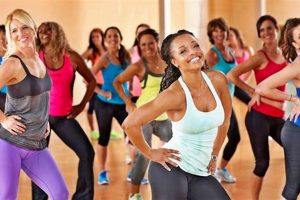
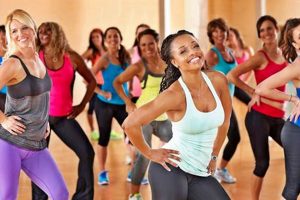
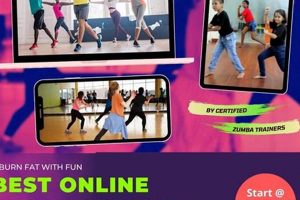
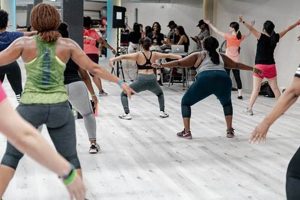
A specialized, extended session of Zumba, typically lasting longer than a standard class, is led by a highly skilled and experienced instructor. This format allows for a deeper dive into complex choreography, advanced techniques, and a more intense workout experience. An example would be a three-hour event featuring multiple instructors and showcasing various Zumba styles and rhythms.
Participation offers several advantages. It provides an opportunity to refine skills, enhance cardiovascular fitness, and immerse oneself in the energy and community of Zumba. Historically, these events have served as platforms for Zumba instructors to showcase their expertise and for participants to experience a wider range of styles beyond the standard curriculum. They often attract participants from different geographic locations, fostering a sense of global Zumba community.
The following sections will explore the specific choreography often featured, the instructor qualifications that are valued, and the key elements that contribute to a successful and engaging session.
Enhancing the Experience
The following tips are designed to maximize the benefits and enjoyment derived from participation in such events.
Tip 1: Arrive Prepared. Prior to attending, ensure adequate hydration and nutrition. A light, easily digestible meal consumed 1-2 hours beforehand is advisable. Bring a water bottle and a small, healthy snack to maintain energy levels throughout the extended session.
Tip 2: Pace Yourself. Given the extended duration and intensity, it is crucial to monitor physical exertion. Participants should not hesitate to take brief breaks when needed to avoid overexertion or injury. Listen to the body and adjust intensity accordingly.
Tip 3: Familiarize Yourself with the Instructor. Research the background and style of the lead instructor beforehand, if possible. This allows for a better understanding of their teaching methods and expected choreography.
Tip 4: Proper Attire is Essential. Wear comfortable, breathable clothing that allows for a full range of motion. Supportive athletic shoes are crucial to prevent foot and ankle injuries during high-impact movements.
Tip 5: Active Engagement Promotes Learning. Maintain focus on the instructor and actively participate in the choreography. Asking clarifying questions (if appropriate) can enhance understanding and technique.
Tip 6: Respect Personal Space. Be mindful of the space around other participants to avoid accidental contact or disruption. Maintaining a reasonable distance allows for comfortable movement and prevents potential injuries.
These guidelines are intended to optimize participation and ensure a safe and rewarding workout. Adherence to these principles will contribute to a more positive and effective experience.
The final section will summarize the key advantages and provide a conclusion to this exploration.
1. Extended Session Length

The extended session length is a defining characteristic of a “zumba master class”. Unlike standard Zumba classes, which typically run for 45-60 minutes, these sessions commonly last for 90 minutes or more, often reaching two to three hours. This duration allows for a significantly more immersive and challenging experience. The increased time permits instructors to delve into more complex choreography, providing participants with the opportunity to learn and master advanced steps and routines. A shorter class format simply wouldn’t allow for the same level of detailed instruction and practice.
The extended duration has several practical implications. Firstly, it demands a higher level of physical endurance from participants. Individuals attending these events should be prepared for a more intense cardiovascular workout. Secondly, the longer session allows for a more gradual progression of intensity, warming up muscles thoroughly and incorporating cool-down periods effectively. For instance, an instructor might dedicate the first 30 minutes to a dynamic warm-up, followed by 90 minutes of intense choreography, and conclude with a 30-minute cool-down and stretching session. This structured approach optimizes both performance and recovery. Real-world examples include Zumba conventions or special events featuring guest instructors, where extended session lengths are standard.
In summary, the extended session length is not merely an add-on but an integral component that significantly alters the dynamics and benefits. It enables more detailed instruction, enhances physical endurance, and fosters a more comprehensive workout experience. While the extended format presents challenges in terms of stamina, the increased skill development and physical benefits justify the commitment. Understanding this relationship is crucial for individuals seeking to maximize their participation and reap the rewards of this specialized class format.
2. Advanced Choreography

The element of “Advanced Choreography” within a “zumba master class” distinguishes it from standard Zumba sessions. It represents a deliberate elevation of dance complexity, requiring participants to engage with more intricate routines, faster tempos, and a broader range of dance styles than typically encountered. This aspect necessitates a higher level of coordination, memory, and physical fitness.
- Increased Complexity of Routines
Advanced choreography introduces complex steps, sequences, and transitions not commonly found in regular Zumba classes. These routines often incorporate elements from various dance disciplines, such as hip-hop, salsa, or Bollywood, demanding a higher level of coordination and memorization. For example, a standard routine might involve a simple four-count step, whereas an advanced routine could include syncopated rhythms and layered movements that require precise timing and body control. The implication for participants is the need for heightened concentration and a pre-existing familiarity with fundamental Zumba steps.
- Elevated Tempo and Intensity
Advanced choreography is frequently accompanied by an accelerated tempo, increasing the physical demand and challenge. The faster pace requires participants to maintain rhythm and coordination while executing more difficult steps. This increased intensity necessitates a higher level of cardiovascular fitness and muscular endurance. Real-world examples include routines that transition rapidly between high-impact and low-impact movements, demanding constant adaptation and control. The implication is that individuals should possess a solid fitness base before engaging in such advanced sessions.
- Incorporation of Varied Dance Styles
The integration of diverse dance styles is a hallmark of advanced choreography. Instead of focusing solely on traditional Zumba moves, instructors may introduce elements from genres such as samba, cha-cha, or even African dance. This diversification requires participants to adapt to different rhythms, steps, and cultural expressions. For example, a routine might seamlessly blend a merengue section with a cumbia segment, challenging participants to transition fluidly between the two. The implication is a broadened understanding of dance and a greater appreciation for cultural diversity within the context of fitness.
- Emphasis on Performance and Artistry
Beyond mere execution of steps, advanced choreography often emphasizes performance quality and artistic expression. Instructors may encourage participants to embody the character and emotion of the music, adding personal flair and style to their movements. This can involve incorporating arm styling, facial expressions, and dynamic variations. For example, a routine might encourage participants to channel the energy and passion of a Latin salsa dancer, transforming the workout into a form of artistic expression. The implication is a greater sense of self-confidence, body awareness, and creative exploration.
These facets of advanced choreography contribute to a fundamentally different experience within a “zumba master class”. The increased complexity, tempo, stylistic diversity, and emphasis on artistry transform the session into a more demanding, enriching, and expressive form of physical activity. By understanding and appreciating these elements, participants can better prepare themselves and maximize their enjoyment and benefits from this specialized format.
3. Experienced Instructor

The presence of an experienced instructor is a cornerstone of a “zumba master class”, significantly influencing the quality, safety, and overall effectiveness of the session. The instructor’s expertise extends beyond simply leading a standard class, encompassing a deeper understanding of Zumba principles, advanced choreography, and effective teaching methodologies.
- Mastery of Choreography and Technique
An experienced instructor possesses a profound understanding of Zumba choreography and technique. This includes not only the ability to execute steps accurately but also the capacity to break down complex routines into manageable segments, adapting them to various fitness levels. Real-world examples include instructors who can seamlessly transition between different Zumba styles (e.g., Zumba Toning, Zumba Gold) within a single class, adjusting the intensity and complexity to suit the participants. The implication is a more accessible and inclusive environment, where individuals of varying skill levels can participate and benefit.
- Exceptional Teaching and Communication Skills
Effective communication is paramount. An experienced instructor can clearly articulate instructions, provide constructive feedback, and motivate participants throughout the session. This extends beyond verbal cues to include non-verbal communication, such as visual demonstrations and encouraging gestures. For example, an instructor might use mirroring techniques to visually guide participants through a challenging sequence, or offer positive reinforcement to maintain motivation. The implication is a more engaging and supportive atmosphere, fostering confidence and encouraging participation.
- Comprehensive Understanding of Anatomy and Physiology
A knowledgeable instructor possesses a solid understanding of human anatomy and physiology, enabling them to design classes that are both effective and safe. This includes awareness of common injuries, proper warm-up and cool-down techniques, and modifications for individuals with physical limitations. Real-world examples involve instructors who can identify and correct improper form, preventing potential injuries, or who can offer alternative exercises for participants with joint pain or other health concerns. The implication is a reduced risk of injury and a more sustainable fitness regimen.
- Capacity for Creating a Positive and Engaging Environment
Beyond technical skills, an experienced instructor cultivates a positive and engaging environment. This involves creating a sense of community, fostering camaraderie among participants, and promoting a fun and supportive atmosphere. Examples include instructors who incorporate team-based activities, play motivating music, and encourage social interaction before and after class. The implication is a more enjoyable and rewarding experience, increasing adherence and promoting long-term fitness goals.
In summary, an experienced instructor is not merely a leader but a facilitator of a transformative fitness experience within a “zumba master class”. Their mastery of choreography, teaching skills, anatomical knowledge, and ability to create a positive environment are all essential components that contribute to the effectiveness and overall value of the class. Selecting a class led by a qualified and experienced instructor is therefore crucial for maximizing the benefits and minimizing the risks associated with this specialized fitness format.
4. Intense Workout

The designation “intense workout” is intrinsically linked to the concept of a “zumba master class.” This is not merely a marketing term but a reflection of the increased physical demands and physiological challenges presented by this specialized Zumba format. The heightened intensity stems from a combination of factors, each contributing to a significantly more demanding exercise experience.
- Elevated Cardiovascular Demands
The extended duration and advanced choreography of a “zumba master class” place substantially greater demands on the cardiovascular system. Sustained periods of high-impact movements, combined with rapid transitions and complex routines, require increased oxygen uptake and cardiac output. For instance, participants may experience elevated heart rates for prolonged periods, contributing to enhanced cardiovascular fitness. The implication is that individuals should possess a reasonable level of baseline fitness before engaging in such sessions to mitigate the risk of overexertion or injury.
- Increased Muscular Engagement
The advanced choreography necessitates the engagement of a wider range of muscle groups compared to a standard Zumba class. Complex steps, syncopated rhythms, and dynamic transitions require the coordinated activation of core muscles, lower body, and upper body. Furthermore, the extended duration of the session leads to greater muscular fatigue. Real-world examples include participants experiencing increased muscle soreness in areas such as the core, glutes, and legs following the workout. The implication is that proper warm-up and cool-down routines are essential to minimize muscle strain and promote recovery.
- Enhanced Caloric Expenditure
The combination of elevated cardiovascular demands and increased muscular engagement results in a significantly higher rate of caloric expenditure. Participants in a “zumba master class” can expect to burn a substantial number of calories, potentially exceeding that of a standard Zumba class by a significant margin. This enhanced caloric expenditure contributes to weight management, improved metabolic function, and increased overall fitness. For instance, individuals seeking to maximize their weight loss efforts may find these sessions particularly beneficial. The implication is that attention to proper hydration and nutrition is crucial to support the increased energy demands.
- Mental and Cognitive Challenge
While primarily a physical activity, a “zumba master class” also presents a considerable mental and cognitive challenge. Memorizing complex choreography, adapting to rapid transitions, and maintaining focus throughout the extended session require significant mental effort. This cognitive engagement can improve memory, enhance coordination, and promote mental agility. For instance, participants may find themselves challenged to remember sequences of steps while simultaneously maintaining rhythm and timing. The implication is that these sessions can contribute to overall cognitive well-being in addition to physical fitness.
The “intense workout” aspect is, therefore, not simply a casual descriptor but an accurate representation of the elevated physical and mental demands inherent in a “zumba master class”. This intensified experience, driven by factors such as cardiovascular strain, muscular engagement, caloric expenditure, and cognitive challenge, distinguishes it from standard Zumba classes and offers a potentially more effective pathway towards achieving enhanced fitness goals. Participants should carefully consider their fitness level and prepare accordingly to maximize the benefits and minimize the risks associated with this demanding format.
5. Community Engagement

Community engagement is an essential component of a “zumba master class,” functioning as both a catalyst and a byproduct of participation. These extended sessions often attract individuals with a shared passion for Zumba, fostering a sense of belonging and collective purpose. The act of engaging in challenging choreography alongside others creates a bond, driven by the shared experience of physical exertion and the collective achievement of mastering complex routines. This shared purpose transcends individual fitness goals, contributing to a sense of camaraderie and mutual support among participants. For example, a “zumba master class” might feature team-based activities or partner dances, further reinforcing the sense of community. This social interaction enhances the overall experience, making it more than just a workout; it transforms it into a social event. Real-life examples include Zumba events that incorporate social gatherings or charitable fundraising activities, demonstrating the interconnectedness of fitness and community.
The practical significance of this community engagement extends beyond the duration of the class itself. Participants often form lasting friendships and support networks, encouraging continued participation in Zumba and other fitness activities. This sense of belonging can be particularly beneficial for individuals seeking to improve their physical and mental well-being, providing a social outlet and a source of motivation. Furthermore, these community networks can extend beyond the Zumba studio, leading to increased participation in local events and activities. Instructors often leverage this sense of community to organize workshops, retreats, or other fitness-related activities, further strengthening the bonds among participants and promoting the benefits of a healthy lifestyle.
In summary, community engagement is not merely a supplementary aspect of a “zumba master class” but a fundamental element that enhances its effectiveness and appeal. While challenges may arise in fostering inclusivity and accommodating diverse needs within a community setting, the benefits of social connection and mutual support far outweigh these concerns. Understanding the relationship between fitness and community is critical for both instructors and participants, as it highlights the potential for “zumba master class” to serve as a vehicle for building social connections, promoting well-being, and creating a more vibrant and engaged community.
6. Skill Refinement
The element of skill refinement is intrinsically linked to participation in a “zumba master class.” The format, by design, facilitates a more intensive focus on improving technique, mastering complex choreography, and enhancing overall proficiency in Zumba. Standard classes often prioritize accessibility and inclusivity, catering to a broad range of fitness levels. However, the extended duration and advanced routines of a “zumba master class” create an environment conducive to targeted skill development. For example, instructors often dedicate portions of the session to breaking down complex steps, providing personalized feedback, and offering modifications to accommodate individual needs. This deliberate emphasis on skill enhancement distinguishes it from the generalized instruction typically offered in standard classes.
The importance of skill refinement within a “zumba master class” extends beyond simply mastering choreography. Improved technique leads to greater efficiency of movement, reducing the risk of injury and enhancing overall fitness gains. Furthermore, a deeper understanding of Zumba principles empowers participants to adapt routines to their own needs and preferences, fostering greater autonomy and long-term adherence. Real-world examples include participants demonstrating improved form, increased stamina, and enhanced coordination after consistent participation in “zumba master class” sessions. The practical significance of this understanding lies in recognizing that these sessions are not solely about calorie expenditure but also about cultivating a more nuanced and sophisticated understanding of Zumba as a fitness discipline.
In summary, skill refinement is a central component of a “zumba master class”, driven by the extended format, advanced choreography, and focused instruction. While the pursuit of technical mastery may present challenges in terms of learning curves and the need for dedicated practice, the benefits in terms of injury prevention, enhanced fitness, and increased enjoyment are substantial. Understanding this connection is crucial for individuals seeking to maximize the value of participation and progress beyond the foundational aspects of Zumba.
7. Rhythm Diversity

Rhythm diversity constitutes a defining characteristic of a successful “zumba master class.” The integration of multiple musical genres and dance styles elevates the experience beyond a standard fitness routine. This diversity provides a richer workout and promotes a broader understanding of global dance traditions. The incorporation of rhythms such as Salsa, Merengue, Cumbia, Reggaeton, and Bollywood, each with distinct tempos, steps, and cultural origins, demands adaptability and coordination from participants. The effect of this variety is a more engaging and comprehensive workout that targets different muscle groups and cognitive functions. A “zumba master class” without rhythm diversity risks becoming monotonous and failing to capitalize on the potential for skill development and cultural exposure.
Real-life examples underscore the practical significance of rhythm diversity. A well-structured “zumba master class” might transition seamlessly from a high-energy Reggaeton segment to a sensual Bachata routine, requiring participants to adjust their movements and interpret the music in different ways. This not only challenges their physical abilities but also expands their appreciation for diverse musical forms. Furthermore, the incorporation of international rhythms can attract a wider range of participants, creating a more inclusive and vibrant community. Instructors skilled in blending various rhythms can tailor sessions to meet the specific needs and preferences of their students, ensuring that the class remains challenging, engaging, and culturally relevant. The absence of such diversity can limit the appeal and effectiveness of the class, potentially leading to decreased participation and a less fulfilling experience.
In summary, rhythm diversity is essential for enhancing the appeal, effectiveness, and cultural relevance of a “zumba master class.” While challenges may arise in mastering diverse dance styles and effectively blending them within a single session, the benefits of a comprehensive and engaging workout outweigh these concerns. Instructors must prioritize the integration of multiple rhythms to create a dynamic and rewarding experience that promotes physical fitness, cultural understanding, and a strong sense of community. Without this commitment to rhythm diversity, a “zumba master class” risks falling short of its potential as a transformative fitness experience.
Frequently Asked Questions about Zumba Master Class
This section addresses common inquiries and clarifies misconceptions surrounding Zumba Master Class sessions. The information provided is intended to offer a comprehensive understanding of these specialized fitness events.
Question 1: What distinguishes a Zumba Master Class from a regular Zumba class?
A Zumba Master Class is a longer, more intensive session led by a highly skilled and often nationally or internationally recognized instructor. It typically features more complex choreography, a wider variety of rhythms, and a higher level of physical exertion compared to a standard Zumba class.
Question 2: Is a high level of fitness required to participate in a Zumba Master Class?
While not a strict requirement, a moderate to high level of fitness is recommended. The increased intensity and duration of the session demand greater cardiovascular endurance and muscular strength than a typical Zumba class. Participants should be comfortable with basic Zumba steps and prepared for a challenging workout.
Question 3: How long does a Zumba Master Class typically last?
The duration of a Zumba Master Class varies, but sessions commonly range from 90 minutes to 3 hours. The extended length allows for more in-depth instruction, exploration of various dance styles, and a more comprehensive workout experience.
Question 4: What type of attire is appropriate for a Zumba Master Class?
Comfortable, breathable athletic wear is recommended. Supportive athletic shoes are essential to prevent foot and ankle injuries. Moisture-wicking fabrics are advisable to manage perspiration during the intense workout. It is also wise to bring a towel and extra water.
Question 5: Are Zumba Master Classes suitable for beginners?
While beginners can participate, it is generally recommended that individuals have some prior experience with Zumba or other dance-based fitness activities. The advanced choreography and faster pace may present a challenge for those unfamiliar with basic steps and rhythms. Beginners might consider observing a class before participating to assess its suitability.
Question 6: What are the potential benefits of attending a Zumba Master Class?
Potential benefits include improved cardiovascular fitness, enhanced coordination, increased muscular endurance, stress reduction, exposure to diverse dance styles, and the opportunity to connect with a community of like-minded individuals. The intense workout can also contribute to weight management and overall well-being.
Zumba Master Class participation should be approached with careful consideration of one’s fitness level and preparation. When undertaken with proper precautions, it provides an enriching and physically demanding workout experience.
The concluding section will summarize the key benefits and provide final recommendations.
Conclusion
The preceding exploration has detailed the multifaceted nature of “zumba master class” sessions. From the extended duration and advanced choreography to the importance of an experienced instructor and the fostering of community engagement, it is evident that participation represents a significant commitment and a distinct fitness experience. Skill refinement and rhythm diversity further enhance the value proposition, contributing to both physical and mental well-being.
Therefore, prospective participants should carefully weigh the benefits against the demands, considering individual fitness levels and personal goals. A well-informed decision, coupled with adequate preparation, will maximize the potential for a rewarding and transformative engagement with “zumba master class.” Further investigation into local offerings and instructor qualifications is encouraged for those seeking to embark on this fitness endeavor.