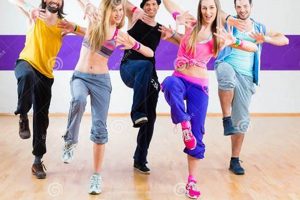
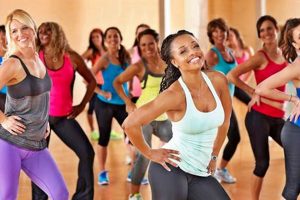
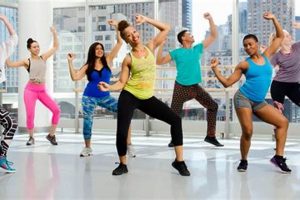
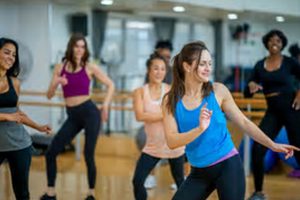
This energetic fusion blends traditional African rhythms and movements with the established Zumba fitness program. It integrates elements of various African dance styles, incorporating steps, music, and cultural expressions into a dynamic and engaging workout. One might observe influences from West African drumming dances, South African gumboot, or Afro-Caribbean styles interwoven with the core Zumba principles.
The practice offers a multitude of benefits, extending beyond physical fitness. Participants experience an increased cardiovascular workout, improved coordination, and enhanced flexibility. Furthermore, engagement with diverse cultural elements fosters a sense of global awareness and appreciation. The historical roots of the movements contribute to a deeper understanding of African cultural heritage, adding a layer of educational value to the exercise.
The subsequent sections will delve into the specific dance styles incorporated, the musical components that drive the routines, and the overall impact on physical and cultural well-being. The article will also explore the potential for community building and the increasing popularity of this fitness modality in diverse settings.
Enhancing the African Zumba Dance Experience
These guidelines are designed to maximize engagement and effectiveness in the African Zumba dance environment. Adherence to these principles can improve both physical and cultural understanding.
Tip 1: Emphasize Grounded Movements: Rooted steps are fundamental to many African dance forms. Focus on maintaining contact with the floor to channel energy and enhance stability.
Tip 2: Engage Core Muscles: Core engagement is crucial for executing intricate movements and maintaining proper posture. Actively contract abdominal muscles throughout the routine.
Tip 3: Prioritize Rhythm and Syncopation: Accurately interpret and execute the complex rhythms inherent in African music. Practice identifying and responding to syncopated beats.
Tip 4: Incorporate Traditional Gestures: Infuse movements with culturally significant gestures. Research the meanings behind hand movements and body language to add authenticity.
Tip 5: Understand Musical Context: Investigate the origins and meanings of the music employed. Awareness of cultural context can enrich the overall experience.
Tip 6: Maintain Proper Form: Even with energetic movements, prioritizing proper form minimizes the risk of injury. Seek guidance from qualified instructors to ensure correct alignment.
Tip 7: Embrace Cultural Sensitivity: Approach the dance with respect and humility. Recognize that it represents a rich cultural heritage and avoid appropriating or trivializing its elements.
The effective implementation of these tips fosters a deeper appreciation for the cultural roots of the fitness modality, while simultaneously improving physical performance. The benefits include enhanced coordination, rhythm, and a more profound connection to the movement.
The final segment of the article will summarize the key points and highlight the ongoing evolution of this dynamic fusion of fitness and cultural expression.
1. Rhythmic Integration

Rhythmic integration forms the foundational element upon which the structure of this exercise and cultural expression is built. It is the process of seamlessly blending complex African rhythms with the established framework of Zumba choreography, creating a cohesive and engaging experience.
- Syncopation and Polyrhythms
African music is characterized by its heavy use of syncopation and polyrhythms, where accents fall on unexpected beats and multiple rhythms are layered simultaneously. The successful rhythmic integration involves incorporating these complex patterns into Zumba routines. Instructors might use a West African djembe rhythm as a base and layer Zumba steps on top, accentuating the off-beats to challenge participants’ coordination and awareness of rhythm. This integration goes beyond simple beat matching, requiring a nuanced understanding of rhythmic phrasing.
- Musical Selection and Arrangement
Careful selection and arrangement of African music are vital. Tracks are chosen for their rhythmic complexity and cultural relevance. The arrangement often involves editing tracks to create a suitable structure for the Zumba format, balancing the authentic rhythms with the necessary breaks and variations. The arrangement must maintain the energy level while exposing participants to diverse rhythmic patterns. For instance, a song could start with a traditional drum intro, transition to a verse with Afrobeat influences, and culminate in a high-energy chorus suitable for Zumba steps.
- Movement Synchronization
Effective movement synchronization ensures the dance steps align with the rhythmic intricacies of the music. Instructors must choreograph movements that not only match the beat but also reflect the feeling and intent of the rhythm. For example, a strong downbeat in the music might be paired with a grounded step or a powerful arm movement, while syncopated rhythms might inspire quick footwork or isolations. The synchronization creates a dynamic relationship between sound and movement, enhancing both the physical and expressive qualities of the activity.
- Cultural Authenticity and Respect
Rhythmic integration should be approached with cultural sensitivity. The music should be presented in a way that acknowledges its origins and avoids appropriation. Instructors should aim to educate participants about the cultural context of the rhythms and encourage them to appreciate the music’s significance. This might involve providing background information on the music’s origins or incorporating traditional dance movements that complement the rhythms. The goal is to create a respectful and authentic experience that honors the cultural heritage of African music.
The successful blending of African rhythms into a Zumba context elevates the workout from a simple exercise routine to a culturally enriching experience. It stimulates coordination, enhances musicality, and fosters a deeper appreciation for the diverse rhythms of the African continent. The thoughtful consideration of these facets ensures that the rhythmic integration not only enhances the physical aspects of the activity but also its cultural integrity.
2. Cultural Expression

Cultural expression serves as a vital component of the African Zumba dance experience, representing more than mere physical activity. It directly infuses the fitness routine with elements of heritage, tradition, and artistic representation. The integration of culturally significant movements, music, and attire provides a platform for participants to engage with and appreciate diverse African cultures. For example, the incorporation of West African drumming rhythms not only dictates the pace and energy of the dance but also introduces participants to a traditional art form integral to community life and storytelling in many West African societies. This infusion transforms a standard workout into a culturally immersive experience, promoting understanding and appreciation of African heritage.
The importance of cultural expression extends beyond the aesthetic aspects of the dance. It promotes a sense of connection to African roots and fosters cross-cultural understanding among participants. Furthermore, the accurate representation of cultural elements is crucial to avoid misrepresentation or appropriation. For example, a Zumba routine that includes South African pantsula dance moves should be executed with attention to the cultural context and historical significance of those movements, rather than simply mimicking the steps. Proper understanding and respectful execution are vital for promoting genuine cultural exchange and avoiding cultural insensitivity. The impact of cultural expression enriches the overall experience, offering a deeper meaning and purpose to the physical activity.
In summary, cultural expression forms an integral and indispensable part of the fitness discipline. This promotes not just fitness, but more broadly, an awareness of African heritage and cross-cultural understanding. The continuous evolution of this integration requires sensitivity and respect for the cultural context of each dance and movement. This careful attention ensures that the benefits of physical activity are enriched with the rewards of cultural engagement and appreciation. The discipline’s success lies in its ability to harmonize fitness and culture, creating a holistic experience for participants.
3. Fitness Enhancement

Fitness enhancement serves as a central objective within the framework of the Zumba dance style. The integration of African rhythms and movements amplifies the inherent fitness benefits, creating a comprehensive physical conditioning experience.
- Cardiovascular Improvement
Sustained rhythmic movements elevate heart rate and improve cardiovascular health. The dynamic nature of the steps, often involving large muscle groups, demands increased oxygen consumption, thereby enhancing aerobic capacity. For example, a routine incorporating high-energy Afrobeat-inspired sequences sustains an elevated heart rate for prolonged periods, contributing significantly to cardiovascular fitness.
- Muscular Endurance
Repetitive execution of dance movements builds muscular endurance, particularly in the lower body and core. Grounded steps and rhythmic contractions engage and strengthen leg muscles, while core engagement stabilizes the body and enhances posture. Routines that integrate traditional African dance movements with Zumba techniques, for instance, cultivate both muscular strength and endurance through dynamic resistance.
- Flexibility and Agility
The incorporation of diverse African dance styles promotes flexibility and agility. Movements involving joint articulation and range of motion exercises contribute to increased flexibility. Fast-paced footwork and complex choreography enhance agility and coordination. A routine featuring Afro-Caribbean dance elements, for example, improves flexibility through dynamic stretching and enhances agility through rapid changes in direction.
- Calorie Expenditure and Weight Management
The high-energy nature of the exercise contributes to significant calorie expenditure, aiding in weight management. The combination of cardiovascular activity and muscular engagement promotes fat burning and lean muscle development. Consistent participation in classes assists in maintaining a healthy body composition and reducing the risk of obesity-related health conditions.
The multifaceted approach to fitness enhancement inherent in the dance modality extends beyond mere physical conditioning. It creates an engaging and culturally enriching experience that fosters motivation and adherence to a fitness regimen. The incorporation of African rhythms and movements not only amplifies the physical benefits but also enhances the overall enjoyment and sustainability of the exercise program.
4. Community Building
The integration of traditional African dance elements within a Zumba framework inherently fosters community building. The shared experience of learning and performing culturally significant movements creates a sense of collective identity among participants. For instance, in urban centers with large African diaspora populations, these classes often serve as a gathering point, promoting cultural continuity and social cohesion. The collective energy generated during these sessions transcends a mere fitness activity, fostering a supportive and inclusive atmosphere. This dynamic environment provides an avenue for individuals to connect with their heritage, share experiences, and build lasting relationships. The emphasis on group participation and synchronized movements enhances social interaction, promoting teamwork and mutual encouragement.
The transformative impact of community building extends beyond the dance floor. Participants frequently organize social events, workshops, and cultural celebrations that reinforce the bonds formed during classes. These initiatives provide opportunities to share knowledge, skills, and cultural traditions with a wider audience, amplifying the community’s reach and impact. Furthermore, classes often incorporate educational components, providing insights into the history, significance, and cultural context of the movements and music. This holistic approach not only promotes physical fitness but also cultivates cultural awareness and appreciation. For example, instructors might share stories about the origins of specific dance steps or the meaning behind traditional songs, enriching the overall experience and fostering a deeper connection to the culture.
In conclusion, the dynamic interplay between community building and this energetic fusion of dance creates a synergistic effect. The shared experience of learning and performing culturally significant movements fosters a sense of belonging, promoting social cohesion and cultural continuity. Challenges related to cultural sensitivity and accurate representation must be addressed to ensure that the classes remain respectful and inclusive. The broader theme highlights the potential of fitness activities to serve as platforms for community engagement, cultural preservation, and social empowerment.
5. Choreographic Fusion
Choreographic fusion represents the core methodology of the practice. It entails the skillful blending of traditional African dance movements with the established structure and principles of Zumba fitness routines. The resultant synthesis produces a unique exercise format that simultaneously promotes physical fitness and cultural appreciation.
- Adaptation of Traditional Steps
This facet involves modifying authentic African dance movements to fit the Zumba format. For example, a traditional West African dance step requiring a low, grounded stance might be adapted by increasing the repetitions or adding arm movements to elevate the cardiovascular intensity. The adaptation aims to maintain the essence of the original movement while enhancing its fitness-oriented attributes.
- Musical Integration and Tempo Modification
Authentic African music, often characterized by complex rhythms and varying tempos, requires adjustment to suit the Zumba framework. This may involve editing tracks to create a consistent beat suitable for group fitness classes or incorporating segments of traditional music within a broader Zumba playlist. The goal is to retain the cultural integrity of the music while optimizing its suitability for choreographed movement.
- Stylistic Blending
The deliberate combination of diverse African dance styles within a single routine exemplifies stylistic blending. Movements from various regions, such as West African drumming dances, South African gumboot, and Afro-Caribbean styles, are interwoven to create a multifaceted choreographic experience. This approach exposes participants to a wider range of cultural expressions and enhances the overall dynamism of the routine.
- Integration of Fitness Elements
This facet ensures that the choreographic fusion delivers tangible fitness benefits. Zumba principles, such as interval training and varied intensity levels, are incorporated to maximize cardiovascular exertion, muscular endurance, and caloric expenditure. The fusion seeks to create a holistic fitness experience that not only engages the body but also stimulates the mind through culturally relevant movement.
The effectiveness of the fitness modality relies on the careful execution of these facets. The integration of fitness elements ensures that the cultural components are presented in a way that is both physically beneficial and culturally sensitive. The resultant choreography serves as a testament to the successful union of traditional dance and contemporary fitness practices. The dynamic blend of cultural heritage and modern exercise principles offers a rewarding and enriching experience for participants.
Frequently Asked Questions Regarding “African Zumba Dance”
The following section addresses common inquiries and misconceptions related to this fitness modality. The information aims to provide clarity and enhance understanding of the practice.
Question 1: What distinguishes “African Zumba Dance” from standard Zumba classes?
This distinctive approach integrates authentic African dance movements and rhythms into the Zumba framework. While standard Zumba draws from a broader range of international styles, this specifically emphasizes African cultural elements.
Question 2: Is prior dance experience necessary to participate?
Prior dance experience is not a prerequisite. Classes are designed to accommodate individuals of varying fitness levels and skill sets. Instructors typically provide modifications and variations to suit different abilities.
Question 3: Are there specific attire requirements for classes?
While specific attire requirements are generally absent, comfortable clothing that allows for unrestricted movement is recommended. Some participants may choose to wear attire that reflects African cultural styles; however, this is entirely optional.
Question 4: What are the primary fitness benefits associated with this exercise modality?
The fitness benefits encompass cardiovascular improvement, muscular endurance, enhanced flexibility, and calorie expenditure. The dynamic movements engage multiple muscle groups, contributing to overall physical conditioning.
Question 5: How is cultural appropriation avoided in these classes?
Instructors with expertise in African dance forms lead the sessions. The integration incorporates authentic movements and rhythms and educational components explain the cultural context. Emphasis on respect for the cultural heritage represented is paramount.
Question 6: Are these classes suitable for individuals of all ages and fitness levels?
Yes, classes can be modified to accommodate a wide range of ages and fitness levels. Individuals with pre-existing health conditions should consult with a healthcare professional before participating.
This section provides essential insights into “African Zumba Dance” and addresses common queries. The intention is to clarify aspects of the practice and encourage informed participation.
The concluding segment of this article presents a synthesis of the key points and emphasizes the ongoing evolution of this dynamic integration of fitness and cultural expression.
Conclusion
This examination of African Zumba dance has underscored its multifaceted nature. The analysis detailed rhythmic integration, cultural expression, fitness enhancement, community building, and choreographic fusion as core components. These elements, when harmonized effectively, contribute to a holistic and enriching experience for participants. The discussion emphasized the necessity of cultural sensitivity and accurate representation to prevent misinterpretations and promote respect for the traditions from which the movements and music originate.
As the fitness landscape continues to evolve, African Zumba dance stands as a testament to the potential for blending exercise with cultural immersion. Its continued success hinges on maintaining a commitment to authenticity, inclusivity, and responsible representation. Further research and engagement with communities of origin will ensure its continued vitality and relevance in the years to come, so it remains as a great representation of culture and fitness.