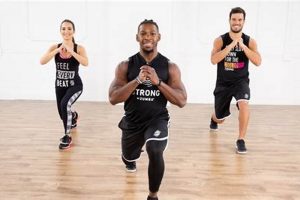
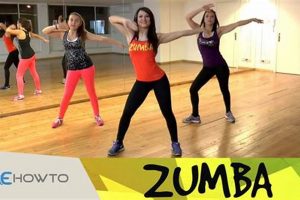
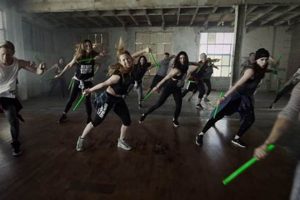
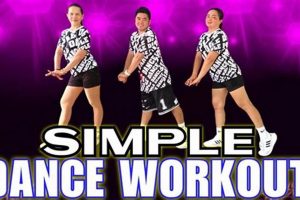
Zumba, a dance fitness program, combines Latin and international music with dance moves. The question of its effectiveness as a form of exercise often arises. Its high-energy routines, incorporating elements of salsa, merengue, and other styles, are designed to be fun and accessible to a wide range of fitness levels.
The benefits of engaging in Zumba include cardiovascular improvement, calorie expenditure, and improved coordination. The rhythmic movements and varied intensity levels contribute to a well-rounded workout. Historically, Zumba has gained popularity due to its engaging format and perception as a less intimidating alternative to traditional gym settings. This accessibility makes it a sustainable exercise option for many individuals.
The following sections will delve into the specific physiological effects of Zumba, examine its advantages and disadvantages compared to other forms of exercise, and provide guidance on how to maximize its benefits for optimal fitness outcomes.
Maximizing Zumba’s Fitness Potential
To derive optimal benefits from Zumba, adherence to structured strategies is crucial. The following recommendations aim to enhance the effectiveness of this dance fitness program.
Tip 1: Maintain Proper Form: Correct posture and technique during dance movements are essential to prevent injuries and maximize muscle engagement. Focus on engaging core muscles and maintaining a neutral spine throughout the routine.
Tip 2: Integrate Varied Intensity Levels: Modify movements to increase or decrease intensity based on individual fitness levels. This can involve increasing the range of motion, adding jumps, or incorporating weights to challenge muscles further.
Tip 3: Prioritize Hydration: Adequate hydration is necessary before, during, and after Zumba sessions to support optimal bodily functions and prevent dehydration-related complications. Water consumption should be adjusted based on individual sweat rate and environmental conditions.
Tip 4: Supplement with Strength Training: While Zumba offers cardiovascular benefits, incorporating strength training exercises targeting different muscle groups is recommended for comprehensive fitness. This balanced approach enhances overall strength, endurance, and body composition.
Tip 5: Listen to the Body: Pay close attention to physical signals and avoid pushing beyond comfortable limits. Rest and recovery are vital for preventing overtraining and injury. Modifications or breaks should be taken as needed.
Tip 6: Utilize Appropriate Footwear: Wearing supportive athletic shoes designed for lateral movements is crucial for protecting ankles and knees. Avoid shoes with excessive traction, as they may hinder necessary dance movements.
Tip 7: Establish Consistent Attendance: Regular participation is key to achieving sustained fitness improvements. Establishing a consistent schedule and sticking to it, even during periods of low motivation, is vital.
These recommendations, when diligently implemented, contribute to a more effective and safe Zumba experience. Consistent application of these strategies maximizes the potential for cardiovascular improvement, muscular development, and overall well-being.
The subsequent section will provide a comprehensive summary of the key arguments presented, reinforcing the importance of a structured approach to Zumba fitness.
1. Cardiovascular conditioning

Cardiovascular conditioning is a critical aspect of physical fitness, representing the efficiency with which the heart and lungs deliver oxygen to working muscles. The relationship between cardiovascular conditioning and Zumba is direct: Zumbas rhythmic and continuous movements elevate heart rate, thereby stimulating the cardiovascular system. Increased heart rate during Zumba sessions serves as a demand on the heart to pump more blood, strengthening the heart muscle and improving overall circulatory function. Improved cardiovascular conditioning reduces the risk of heart disease, stroke, and other related ailments. For instance, individuals engaging in regular Zumba classes may experience lower resting heart rates and improved blood pressure readings over time.
The intensity of Zumba routines allows for variable levels of cardiovascular exertion. Individuals can adjust their participation to match their fitness level, from beginners to advanced participants. The dynamic nature of Zumba, incorporating both high and low-impact movements, allows for interval training, a method proven to be highly effective for enhancing cardiovascular endurance. Consistent participation in Zumba can lead to improvements in VO2 max, a measure of the body’s maximal oxygen uptake, indicating enhanced aerobic capacity. Examples can be seen in participant testimonials citing increased stamina during everyday activities, such as climbing stairs or carrying groceries.
Understanding the connection between cardiovascular conditioning and Zumba highlights its importance as a potential workout option. It is essential to recognize that while Zumba offers cardiovascular benefits, it may not be sufficient as a sole source of exercise for all individuals. The cardiovascular benefits of Zumba are most pronounced when combined with other forms of exercise and a balanced diet. Individuals should consult with healthcare professionals to assess their fitness levels and determine if Zumba is an appropriate activity to improve cardiovascular health. While Zumba contributes positively to cardiovascular conditioning, individual variability and adherence to structured exercise plans remain crucial factors in achieving optimal outcomes.
2. Calorie expenditure

Calorie expenditure is a crucial factor in evaluating the effectiveness of any exercise regimen. Zumba, a dance fitness program, elicits a significant caloric burn due to its aerobic nature and continuous movement. The intensity and duration of a Zumba class directly influence the number of calories expended. Higher-intensity routines, incorporating more complex movements and greater range of motion, tend to result in a more substantial caloric deficit. For instance, a person weighing 150 pounds may burn between 300 to 500 calories during a 60-minute Zumba session, depending on the exertion level. This caloric expenditure contributes to weight management and overall metabolic health.
The variability in Zumba routines allows individuals to tailor their workout intensity and, consequently, their caloric expenditure. Modifications to movements can increase or decrease the effort required, accommodating different fitness levels. Furthermore, consistent engagement in Zumba, coupled with dietary modifications, can create a sustained caloric deficit necessary for weight loss. Studies have shown that individuals who regularly participate in Zumba often experience improvements in body composition, including reductions in body fat percentage. The practical significance lies in its potential to support weight management goals, improve cardiovascular health, and enhance overall physical well-being.
Understanding the relationship between calorie expenditure and Zumba highlights its potential as an effective workout option for individuals seeking to manage their weight and improve their metabolic health. However, individual results may vary depending on factors such as metabolism, fitness level, and dietary habits. Combining Zumba with other forms of exercise and a balanced diet is often recommended for optimal results. While Zumba can contribute significantly to caloric expenditure, a holistic approach to health and fitness remains essential for achieving long-term success.
3. Muscle engagement

Muscle engagement is a pivotal factor in evaluating the comprehensive benefits of Zumba as a fitness modality. Its impact extends beyond mere cardiovascular activity, encompassing muscular strength, endurance, and overall body composition.
- Core Stabilization
Zumba necessitates continuous core engagement to maintain balance and control during dynamic dance movements. The core muscles, including the rectus abdominis, obliques, and transverse abdominis, are activated to stabilize the spine and facilitate efficient movement patterns. Insufficient core engagement can lead to instability and an increased risk of injury, highlighting its importance in proper Zumba execution. For example, executing a salsa step with proper core engagement provides stability and maximizes the effectiveness of the movement.
- Lower Body Activation
The lower body is extensively involved in Zumba routines, engaging muscles such as the quadriceps, hamstrings, gluteus maximus, and calf muscles. These muscles contribute to the propulsion, balance, and coordination required for dance steps. Repetitive movements like squats, lunges, and pivots stimulate muscle growth and enhance lower body strength. The implications for functional fitness are significant, as strengthened lower body muscles improve gait, balance, and overall mobility. For instance, performing a merengue step correctly activates the gluteus maximus, enhancing hip extension and lower body power.
- Upper Body Integration
While primarily a lower body-focused activity, Zumba also integrates upper body movements to enhance coordination and caloric expenditure. Arm movements, such as punches, claps, and reaches, engage the deltoids, biceps, triceps, and upper back muscles. These actions improve upper body endurance and contribute to overall muscle tone. The incorporation of light weights can further intensify upper body engagement. Practical examples include performing a salsa arm pattern, which engages the deltoids and biceps to maintain coordination and rhythm.
- Postural Muscles Reinforcement
Zumba, when performed with correct posture, reinforces the muscles responsible for maintaining spinal alignment and preventing slouching. The erector spinae, rhomboids, and trapezius muscles are engaged to support an upright posture. Improved postural alignment can alleviate back pain, enhance breathing efficiency, and improve overall body mechanics. For example, maintaining a neutral spine during a cumbia step promotes optimal posture and reduces strain on the lower back.
The facets of muscle engagement within Zumba collectively contribute to its classification as a beneficial workout. However, the degree of muscular development achieved depends on factors such as individual effort, exercise frequency, and supplemental strength training. It is imperative to combine Zumba with a comprehensive fitness program and appropriate dietary practices to maximize its potential for muscle strengthening and overall health improvement.
4. Accessibility

Accessibility, a crucial determinant in evaluating Zumba’s efficacy as a comprehensive workout, refers to the ease with which individuals, irrespective of their fitness level, age, or physical limitations, can participate and benefit from the program. Zumba’s core design facilitates broad participation through adaptable routines and varied intensity levels. The absence of complex choreography allows newcomers to engage without extensive prior dance experience. This intrinsic accessibility broadens its appeal, creating a more inclusive fitness environment. The effect is a wider adoption rate compared to more specialized or technically demanding workout programs.
The importance of accessibility stems from its impact on adherence and long-term engagement. Zumba’s inclusive nature fosters a sense of community and reduces intimidation, which can be significant barriers to entry for individuals new to fitness or those who have had negative experiences with other exercise programs. For example, senior centers and community recreation programs often incorporate Zumba Gold, a modified version designed for older adults, showcasing its adaptability. Furthermore, many Zumba instructors offer modifications to movements, accommodating individuals with injuries or physical disabilities. This adaptability ensures a broader range of people can participate safely and effectively. Its practical significance is that it helps reach people with physical limitations, which make it a good workout that they can enjoy.
In summary, the accessibility of Zumba is a key factor in its effectiveness as a workout option. Its adaptability, inclusivity, and ease of entry contribute to higher participation rates and improved adherence, ultimately enhancing its potential to deliver positive health outcomes. While accessibility is a significant advantage, individuals should still consult with healthcare professionals to ensure Zumba is appropriate for their specific needs and limitations. The relationship with its fitness quality is linked to its user friendliness and how inclusive the workout is to people with varying physical backgrounds.
5. Motivation and enjoyment

The influence of motivation and enjoyment significantly impacts the perceived effectiveness of any exercise program. Zumba, with its blend of dance and fitness, inherently fosters a positive and engaging environment. The incorporation of music and rhythmic movements contributes to a more enjoyable workout experience, which, in turn, enhances motivation. This positive feedback loop encourages consistent participation and adherence, directly affecting the degree to which Zumba can be considered a ‘good workout.’ The causality is clear: heightened enjoyment increases motivation, leading to more frequent participation and, consequently, improved physical outcomes. For instance, individuals who find traditional gym workouts monotonous may experience greater adherence to Zumba due to its dynamic and social atmosphere.
The importance of motivation and enjoyment extends beyond mere adherence. It also influences the intensity and effort exerted during the workout. When individuals enjoy an activity, they are more likely to push themselves and engage fully, resulting in a more effective workout. In Zumba, the energetic music and group dynamic can inspire participants to move more vigorously, increasing their caloric expenditure and muscular engagement. Furthermore, the social aspect of Zumba classes provides an additional layer of motivation, as participants often form supportive relationships and accountability partnerships. The practical application of this understanding lies in recognizing that Zumba’s benefits are amplified by its ability to make exercise enjoyable and socially engaging.
In conclusion, the connection between motivation, enjoyment, and the overall effectiveness of Zumba is undeniable. The program’s ability to foster a positive and engaging environment enhances adherence, increases workout intensity, and promotes social interaction, all of which contribute to improved physical outcomes. While individual preferences vary, Zumba’s unique blend of dance and fitness offers a compelling option for those seeking a workout that is both effective and enjoyable. The challenge lies in maintaining this sense of enjoyment over time and ensuring that the program continues to meet the evolving needs and preferences of its participants.
6. Coordination enhancement
Coordination enhancement is an integral component in evaluating the effectiveness of Zumba as a comprehensive exercise regimen. The multi-faceted movements inherent in Zumba routines necessitate the synchronized engagement of various muscle groups, thereby fostering improvements in both intermuscular and intramuscular coordination.
- Spatial Awareness and Body Control
Zumba routines involve dynamic movements within a defined space, requiring participants to develop a heightened sense of spatial awareness. Maintaining balance and executing dance steps necessitates precise body control. Examples include navigating changes in direction, maintaining posture during pivots, and adapting to varying tempos. Individuals who regularly participate in Zumba may experience improvements in their ability to navigate crowded environments, perform everyday tasks with greater dexterity, and reduce the risk of falls.
- Motor Skill Development
The repetitive practice of Zumba steps facilitates the development of motor skills. As participants become more familiar with the routines, their movements become more fluid and efficient. This skill development extends beyond the dance floor, impacting other physical activities. For instance, individuals who have improved their coordination through Zumba may find it easier to learn new sports or recreational activities.
- Neural Pathway Strengthening
Coordination enhancement involves the strengthening of neural pathways that connect the brain to the muscles. Zumba, with its diverse range of movements, stimulates the development of these pathways, improving reaction time and motor control. This neurological adaptation has implications for cognitive function, potentially enhancing memory and attention span. The process involves the brain becoming more efficient at transmitting signals, which may lead to improvements in cognitive functions. Neural pathways are being strengthen when trying to keep up with Zumba instructors’ steps and routines.
- Proprioceptive Enhancement
Proprioception, the body’s ability to sense its position in space, is crucial for coordination. Zumba routines, with their varied movements and changes in tempo, challenge the proprioceptive system. This challenge leads to improved proprioceptive awareness, enhancing balance and stability. For example, individuals with improved proprioception are better able to maintain their balance on uneven surfaces, reducing the risk of falls and injuries.
The enhancement of coordination through Zumba contributes to its overall value as a fitness program. The improvements in spatial awareness, motor skills, neural pathway strength, and proprioception offer benefits that extend beyond the Zumba class, positively impacting daily life. These considerations, combined with its other advantages, suggest that Zumba represents a worthwhile exercise option.
7. Injury prevention

Injury prevention is a paramount consideration in evaluating the suitability of any physical activity. The extent to which Zumba incorporates strategies to minimize the risk of physical harm directly influences its overall assessment as a beneficial workout.
- Proper Form and Technique Emphasis
Adherence to proper form and technique during Zumba routines is crucial for injury prevention. Incorrect execution of movements, particularly high-impact steps, can place undue stress on joints and muscles. Qualified instructors prioritize teaching correct form, providing modifications for individuals with limitations. For instance, instructing participants to maintain a neutral spine during hip movements reduces the risk of lower back strain. Failure to emphasize proper form can increase the likelihood of sprains, strains, and other musculoskeletal injuries.
- Appropriate Warm-up and Cool-down Procedures
Adequate warm-up and cool-down routines are essential for preparing the body for and recovering from the demands of a Zumba workout. Warm-up exercises increase blood flow to muscles, improving flexibility and reducing the risk of muscle tears. Cool-down activities, such as static stretching, promote muscle relaxation and prevent stiffness. Neglecting these phases can increase the risk of injuries such as muscle pulls and spasms. For example, incorporating dynamic stretches before a Zumba class prepares the muscles for the dynamic movements to follow.
- Modification and Progression Options
Zumba instructors should offer modifications for individuals with varying fitness levels and physical limitations. Providing alternative movements and intensity levels allows participants to adapt the workout to their specific needs, reducing the risk of overexertion and injury. Progressive overload, gradually increasing the intensity and complexity of the routines, is also important for preventing overuse injuries. For instance, offering low-impact alternatives for jumping jacks reduces stress on the knees. In the instance that there are no progressive overload, this may mean the exerciser is not improving enough, so it’s important to find that balance of good form and pushing yourself.
- Appropriate Footwear and Environment
Wearing supportive athletic shoes designed for lateral movements is essential for protecting ankles and knees during Zumba. Shoes with adequate cushioning and stability can reduce the risk of ankle sprains and other foot-related injuries. The workout environment should also be free of obstacles and have a surface that provides adequate traction. Slippery or uneven surfaces increase the risk of falls and other accidents. For example, selecting shoes with good ankle support reduces the risk of injury during quick turns.
These injury prevention facets are crucial for determining whether Zumba constitutes a ‘good workout’. While Zumba offers numerous benefits, its safety depends on the implementation of these measures. Failure to prioritize injury prevention can undermine its value as a fitness activity. Therefore, participants should seek qualified instructors and adhere to safety guidelines to maximize the benefits of Zumba while minimizing the risk of harm.
Frequently Asked Questions about Zumba’s Fitness Benefits
The following questions address common inquiries and concerns regarding the efficacy and suitability of Zumba as a form of exercise. The information provided aims to offer clarity and promote informed decision-making.
Question 1: What specific fitness components does Zumba address?
Zumba primarily enhances cardiovascular endurance, calorie expenditure, and coordination. It also contributes to muscular endurance and strength, particularly in the lower body and core, depending on the intensity and frequency of participation.
Question 2: Is Zumba suitable for individuals with limited dance experience?
Zumba is designed to be accessible to individuals of all fitness levels and dance backgrounds. The routines are structured with repetitive movements and modifications are often provided to accommodate varying abilities.
Question 3: Can Zumba contribute to weight loss?
Zumba can contribute to weight loss by increasing calorie expenditure. Consistent participation, combined with a balanced diet, is essential for achieving and maintaining weight loss goals.
Question 4: Are there any potential risks or injuries associated with Zumba?
Potential risks associated with Zumba include musculoskeletal injuries, such as sprains and strains, particularly if proper form is not maintained or if individuals exceed their physical limitations. Qualified instructors and adherence to safety guidelines are crucial for minimizing these risks.
Question 5: How does Zumba compare to other forms of cardiovascular exercise?
Zumba offers a unique blend of cardiovascular exercise and dance, potentially enhancing adherence due to its enjoyable and social nature. Its effectiveness compared to other forms of cardiovascular exercise depends on individual effort, intensity, and frequency of participation.
Question 6: What are the recommendations for maximizing the benefits of a Zumba workout?
To maximize the benefits of a Zumba workout, it is recommended to maintain proper form, incorporate varied intensity levels, prioritize hydration, supplement with strength training, listen to the body, utilize appropriate footwear, and establish consistent attendance.
The answers provided highlight the multifaceted nature of Zumba as a fitness activity. Individual considerations and adherence to recommended guidelines are essential for optimizing its benefits and minimizing potential risks.
The subsequent section will provide a final summary, consolidating the key arguments and offering a conclusive perspective on Zumba’s fitness value.
Conclusion
The preceding analysis explored the multifaceted dimensions of Zumba, examining its cardiovascular benefits, calorie expenditure, muscle engagement, accessibility, motivational factors, coordination enhancement, and injury prevention strategies. The evidence suggests that Zumba can be a valuable form of exercise, particularly for those seeking an enjoyable and accessible way to improve cardiovascular health and burn calories. However, its effectiveness depends on individual effort, adherence to proper form, and integration with a comprehensive fitness plan.
Ultimately, determining whether Zumba constitutes a ‘good workout’ is contingent on individual goals and circumstances. While it offers numerous benefits, it may not be a complete solution for all fitness needs. Individuals are encouraged to consider their personal objectives, consult with healthcare professionals, and approach Zumba as one component of a well-rounded fitness regimen. Continued research and attention to best practices are essential for maximizing its potential and ensuring its sustained contribution to public health.