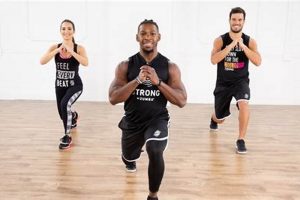
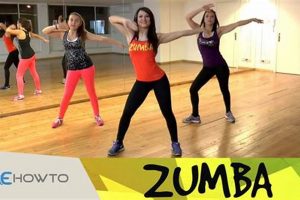
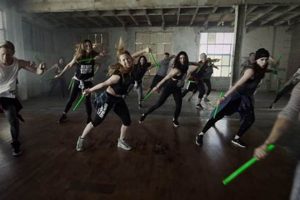
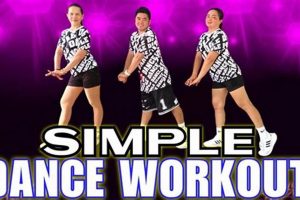
This fitness activity blends Latin-inspired music and dance moves, creating an energetic and engaging exercise format. The sessions typically incorporate a variety of rhythms, such as salsa, merengue, and cumbia, to provide a dynamic and effective cardiovascular workout. Participants follow the instructor’s lead, performing choreographed steps and routines that target different muscle groups.
The importance of this type of exercise lies in its ability to provide a full-body workout while being perceived as a fun and accessible activity. Benefits include improved cardiovascular health, increased muscle tone, enhanced coordination, and stress reduction. Originating in the late 1990s, it quickly gained popularity due to its inclusive nature and ability to appeal to a wide range of fitness levels and ages.
The following sections will delve into the specific elements that contribute to the effectiveness and popularity of this exercise modality, exploring aspects such as the musical influences, choreographic structure, and the physiological impact on participants.
Guidance for Effective Participation
The following recommendations are designed to maximize the benefits derived from engaging in this particular form of exercise. Adherence to these guidelines can contribute to improved performance, reduced risk of injury, and enhanced overall satisfaction.
Tip 1: Prioritize Proper Footwear. Select athletic shoes that provide adequate support and cushioning. Incorrect footwear can lead to ankle sprains, shin splints, or other lower extremity injuries. Ensure sufficient room for toe movement and adequate arch support.
Tip 2: Hydrate Adequately. Consume water before, during, and after the session. Dehydration can impair performance and increase the risk of muscle cramps. Carry a water bottle and take regular sips throughout the activity.
Tip 3: Master Basic Steps. Familiarize oneself with foundational movements. Understanding fundamental steps, such as the salsa basic or the merengue march, enables smoother transitions and reduces the likelihood of missteps. Practice these movements at a slower pace initially.
Tip 4: Maintain Proper Form. Focus on correct posture and technique. Improper form can diminish the effectiveness of the exercise and increase the potential for injury. Engage core muscles for stability and controlled movements.
Tip 5: Listen to Body Signals. Be attentive to physical limitations and discomfort. Pushing oneself beyond one’s capabilities can lead to strain or injury. Modify movements as needed and take breaks when necessary.
Tip 6: Gradually Increase Intensity. Progressively increase the duration and intensity of the sessions. Avoid sudden jumps in activity levels. Allow the body time to adapt to the increasing demands of the exercise.
Tip 7: Engage Core Musculature. Maintaining engagement of the core muscles throughout the activity will support the spine, improve balance, and contribute to more efficient movement patterns.
Consistent application of these strategies will promote a safer and more productive experience. Enhanced fitness levels and improved well-being are potential outcomes of diligent adherence.
The concluding section will summarize the key aspects of participation, emphasizing the overall benefits and suggesting avenues for further exploration.
1. Rhythmic Intensity

Rhythmic intensity is an essential and defining characteristic. It directly influences the exercise’s effectiveness and appeal. The deliberate manipulation of tempo, transitioning between slower and faster rhythms, causes physiological responses. Elevated heart rate, increased oxygen consumption, and subsequent caloric expenditure are directly correlated with increased rhythmic intensity. Without varied rhythmic intensity, the cardiovascular benefits are diminished, and the overall effectiveness as a workout is compromised. For example, a session incorporating a blend of Cumbia (moderate tempo), Salsa (faster tempo), and Reggaeton (varying tempo) provides a diverse range of rhythmic challenges, thereby engaging multiple energy systems and promoting greater physical adaptation. The practical significance lies in the ability to cater to different fitness levels by modifying the rhythmic complexity. Novices may benefit from a higher proportion of lower intensity rhythms, while experienced participants can be challenged with complex rhythmic patterns and transitions.
The impact extends beyond the physiological domain. Rhythmic complexity also plays a significant role in cognitive engagement. The necessity to anticipate and adapt to rhythmic shifts enhances coordination, cognitive processing speed, and motor skill development. This interplay between physical and cognitive demands contributes to the holistic benefits. Furthermore, the cultural relevance of the music and its associated rhythms fosters a sense of community and enjoyment. The utilization of Latin-inspired music creates an immersive and engaging experience, promoting adherence and reducing the perceived exertion. This, in turn, facilitates sustained participation and enhances the long-term effectiveness. However, inappropriate or overly complex rhythmic structures can lead to frustration and decreased motivation, particularly for individuals with limited dance experience.
In summary, rhythmic intensity is a fundamental component. It dictates physiological response, cognitive engagement, and motivational levels. Strategic implementation and careful consideration of participants’ fitness levels are vital to optimize the workout’s impact and ensure a positive and sustainable fitness experience. Challenges may arise from overemphasizing complexity or failing to provide adequate modifications. Nevertheless, when skillfully integrated, rhythmic intensity is a key driver of the workout’s effectiveness and inherent appeal.
2. Choreographic Variety

Choreographic variety is a defining characteristic, significantly impacting engagement, physical conditioning, and overall effectiveness. A diverse range of movements and steps is incorporated to challenge different muscle groups, enhance coordination, and maintain participant interest. Without sufficient choreographic variation, the exercise’s benefits are diminished, and participant motivation can wane.
- Muscle Group Targeting
Choreographic variety allows for targeting of multiple muscle groups. Different routines incorporate movements that engage the upper body, lower body, and core. For instance, a routine featuring salsa steps might emphasize lower body engagement, while a merengue section could incorporate arm movements for upper body conditioning. This balanced approach ensures a comprehensive workout, rather than focusing solely on one area.
- Skill Development
Exposure to various dance styles and steps fosters skill development. Participants learn to coordinate different body parts, improve their sense of rhythm, and enhance their overall agility. Learning steps from styles like cumbia, samba, and reggaeton, each with unique movement patterns, requires cognitive processing and motor skill adaptation, leading to improved coordination and proprioception.
- Plateau Prevention
Introducing new routines and movement patterns prevents the body from adapting too quickly to the exercise, which can lead to a plateau in results. Consistently challenging the body with novel movements promotes continued progress in strength, endurance, and flexibility. Periodically altering the choreographic structure forces the body to adapt and prevents it from becoming overly efficient at a specific set of movements.
- Engagement and Motivation
A wide range of dance styles and rhythms creates a more engaging and motivating experience. The variety keeps participants entertained and prevents boredom, which can be a significant factor in adherence to fitness programs. The use of culturally diverse musical styles and steps adds an element of novelty and exploration, which can enhance enjoyment and foster a stronger connection to the activity.
In conclusion, choreographic variety is a crucial element, directly affecting the physiological and psychological benefits. Its strategic integration ensures a well-rounded fitness experience, promoting skill development, preventing plateaus, and enhancing participant engagement. Failing to incorporate sufficient variety may diminish the effectiveness and reduce long-term adherence, while a well-planned and executed program leverages the diverse potential of various dance styles.
3. Cardiovascular Engagement

The relationship between cardiovascular engagement and the dynamic fitness class is fundamental to understanding its health benefits. The sustained, rhythmic movements inherent to the workout elevate heart rate and increase oxygen consumption. This cardiovascular challenge is not merely incidental; it is a core component designed to elicit specific physiological adaptations. An increased heart rate strengthens the cardiac muscle, improving its efficiency in pumping blood. Enhanced oxygen consumption leads to improved lung capacity and greater efficiency in oxygen delivery to working muscles. These adaptations translate to improved overall cardiovascular health and reduced risk of cardiovascular disease.
The practical significance of this engagement is evident in various physiological outcomes. Regular participation correlates with lowered resting heart rate, indicative of a more efficient cardiovascular system. Studies show a direct link between sustained participation and improvements in blood pressure, cholesterol levels, and glucose metabolism. These improvements are particularly beneficial for individuals at risk for or managing conditions such as hypertension, hyperlipidemia, and type 2 diabetes. Moreover, the workout often incorporates interval training principles, alternating between high-intensity bursts and periods of relative rest. This approach further challenges the cardiovascular system, leading to more pronounced improvements in fitness levels. For example, a sequence alternating fast-paced salsa steps with a brief period of slower merengue movements effectively simulates interval training, maximizing the cardiovascular challenge.
In summary, cardiovascular engagement is not merely a byproduct; it is a central element, driving numerous health benefits. While challenges may exist in monitoring and adjusting intensity levels to individual needs, understanding the practical implications and applying the principles of interval training optimizes the benefits. The sustained rhythmic movement and incorporation of interval-like sequences promote enhanced cardiovascular function and reduced risk factors, solidifying its position as a valuable fitness modality.
4. Community Integration

Community integration within the context of fitness classes fosters a sense of belonging and shared purpose, significantly influencing participation rates, adherence, and overall participant satisfaction. The social environment created within the class structure provides a platform for individuals to connect, support one another, and collectively pursue fitness goals.
- Social Support Networks
The shared experience of engaging in physical activity creates an environment conducive to forming social support networks. Participants often develop friendships and supportive relationships, offering encouragement, motivation, and accountability. These connections can extend beyond the confines of the class, influencing healthy lifestyle choices and promoting sustained engagement.
- Reduced Social Isolation
Participation offers an opportunity to combat social isolation, particularly for individuals who may lack other avenues for social interaction. The structured class setting provides a consistent and predictable environment for social engagement, fostering a sense of community and reducing feelings of loneliness. This aspect is particularly relevant in urban environments where social connections may be limited.
- Shared Goals and Motivation
The collective pursuit of fitness goals generates a sense of shared purpose and motivation. Participants are more likely to adhere to their fitness routines when they feel a sense of responsibility to the group. The shared experience of overcoming challenges and achieving milestones together strengthens group cohesion and enhances individual motivation.
- Inclusivity and Accessibility
Successful community integration requires a focus on inclusivity and accessibility. Classes that are welcoming to individuals of diverse backgrounds, fitness levels, and abilities are more likely to foster a strong sense of community. Modifications and adaptations to the routines ensure that all participants can engage effectively, promoting a sense of belonging and shared experience.
The facets discussed highlight the significance of community integration. Through social support, reduced isolation, shared goals, and inclusive practices, the fitness class becomes more than just a workout; it transforms into a supportive and engaging community. The success hinges on the instructor’s ability to cultivate a positive and inclusive environment, fostering connections among participants and reinforcing the sense of shared purpose.
5. Caloric Expenditure

The degree of caloric expenditure during participation is a significant factor when evaluating its effectiveness as a weight management tool. Caloric expenditure represents the total number of calories burned during physical activity and is directly related to the intensity, duration, and individual characteristics of the participant.
- Intensity of Movement
The intensity of the dance movements plays a crucial role in determining caloric expenditure. Higher intensity routines, characterized by more vigorous and complex steps, elevate heart rate and increase oxygen consumption, leading to a greater number of calories burned per unit of time. Routines incorporating large muscle groups and dynamic movements result in a more substantial caloric deficit. Conversely, lower intensity segments contribute to a smaller caloric expenditure. An example of this is the difference between a high-energy salsa routine and a more relaxed cumbia segment; the former will generally lead to a higher caloric burn.
- Duration of Session
The length of time spent actively participating directly influences caloric expenditure. Longer sessions, even at moderate intensity, can accumulate a significant caloric deficit. A 60-minute class will generally result in a greater number of calories burned compared to a shorter, 30-minute session, assuming a consistent level of intensity. This principle highlights the importance of time commitment in achieving weight management goals. Extended participation maximizes the overall caloric expenditure and promotes sustained metabolic activity.
- Individual Metabolism
Individual metabolic rates vary and impact the number of calories burned during any physical activity. Factors such as age, sex, body composition, and genetics influence an individual’s basal metabolic rate (BMR), which determines the number of calories burned at rest. Individuals with higher BMRs tend to burn more calories during, and even after, the workout. The same routine will result in differing levels of caloric expenditure depending on these individual metabolic characteristics.
- Post-Exercise Oxygen Consumption (EPOC)
Post-exercise oxygen consumption, also known as the afterburn effect, contributes to overall caloric expenditure. EPOC refers to the elevated oxygen consumption that occurs after exercise, as the body works to recover and restore physiological homeostasis. The intensity and duration of the workout influence the magnitude and duration of EPOC. Higher intensity sessions generally lead to a more pronounced and prolonged afterburn effect, resulting in additional caloric expenditure even after the session has concluded.
In summary, caloric expenditure is a multifaceted outcome influenced by movement intensity, session duration, individual metabolism, and the post-exercise oxygen consumption effect. These elements interact to determine the overall effectiveness of the dance workout as a weight management strategy. Understanding these components allows for a more informed approach to participation, optimizing the exercise’s potential to contribute to a caloric deficit and support weight loss or maintenance goals.
Frequently Asked Questions
The following section addresses common inquiries regarding participation, benefits, and suitability. These questions are answered with the goal of providing clear and accurate information.
Question 1: Is prior dance experience required?
No prior dance experience is generally necessary. The format emphasizes fun and accessibility, focusing on following the instructor’s lead rather than mastering complex choreography. Modifications are often provided for various fitness levels.
Question 2: Is this activity suitable for all ages?
The class is adaptable and can accommodate a wide range of ages. However, individuals with pre-existing health conditions should consult their physician before participating, especially seniors.
Question 3: What are the primary health benefits?
Primary health benefits include improved cardiovascular fitness, increased muscle tone, enhanced coordination, and stress reduction. The energetic nature of the activity promotes overall well-being.
Question 4: What type of attire is recommended?
Comfortable athletic clothing that allows for a full range of motion is recommended. Athletic shoes that provide adequate support and cushioning are essential for preventing injuries.
Question 5: How frequently should one participate to see results?
Participating 2-3 times per week is generally sufficient to observe noticeable improvements in fitness levels and overall well-being. Consistency is key to achieving optimal results.
Question 6: Are there any potential risks or contraindications?
Potential risks include muscle strains, sprains, and joint pain, particularly if proper form is not maintained. Individuals with orthopedic issues, cardiovascular conditions, or other pre-existing health concerns should seek medical advice prior to participation.
In summary, the activity offers numerous benefits for individuals of varying ages and fitness levels. While generally safe and accessible, awareness of potential risks and consultation with a healthcare professional are advised for certain populations.
The subsequent section will provide a final overview, summarizing key aspects and offering concluding thoughts.
Conclusion
The preceding analysis has explored facets of zumba dance workout class. Cardiovascular engagement, choreographic variety, community integration, caloric expenditure, and rhythmic intensity contribute to its effectiveness and appeal. These elements, strategically implemented, offer a multifaceted approach to physical fitness and well-being.
The sustained impact of zumba dance workout class will depend on continued adaptation to evolving fitness trends and participant needs. Further investigation into long-term health outcomes and tailored program development may solidify its role in promoting public health initiatives.