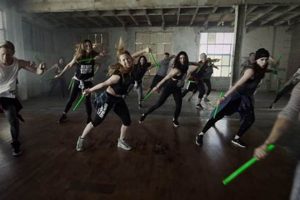
Music utilized in Zumba fitness routines provides rhythmic accompaniment specifically chosen to enhance the workout experience. These selections frequently incorporate Latin rhythms and international beats. An example includes the integration of salsa, merengue, cumbia, and reggaeton tracks to structure and motivate movement during class.
Appropriate musical selections are crucial for participant engagement and the overall effectiveness of the fitness program. The energetic and upbeat nature of the music encourages greater physical exertion and improves adherence to the workout. Historically, these musical choices have evolved to reflect contemporary trends while maintaining the core rhythmic foundations that define the activity.
The subsequent sections will detail specific considerations for selecting suitable music, exploring various genre options, and providing strategies for effectively incorporating tunes into a dynamic fitness regimen. Understanding these aspects is vital for instructors seeking to create engaging and effective classes.
Guidance for Zumba Fitness Music Selection
Careful consideration in the selection of musical accompaniment enhances the Zumba fitness experience. The following guidelines provide a framework for choosing appropriate tracks.
Tip 1: Tempo Consistency. Maintain a consistent tempo across selections. Rapid fluctuations in beats per minute can disrupt the flow of the routine and impede participant coordination.
Tip 2: Genre Variety. Incorporate a diverse range of musical genres beyond traditional Latin rhythms. International beats and popular music remixes can broaden appeal and maintain engagement.
Tip 3: Rhythmic Clarity. Choose tracks with clear and pronounced rhythms. Overly complex or ambiguous rhythmic patterns can challenge participants, particularly those new to the activity.
Tip 4: Phrasing Alignment. Align choreography with musical phrasing. Synchronization between movement and musical structure enhances the aesthetic appeal and intuitiveness of the routine.
Tip 5: Explicit Lyrics. Screen all selections for explicit or offensive lyrical content. Maintaining a professional and inclusive environment requires diligent attention to lyrical appropriateness.
Tip 6: Music Licensing. Adhere to all applicable music licensing regulations. Unauthorized use of copyrighted material can result in legal ramifications.
Tip 7: Warm-up and Cool-down Integration. Select slower-tempo selections for warm-up and cool-down segments. Gradual transitions in tempo are essential for participant safety and comfort.
Careful adherence to these guidelines is essential for cultivating a dynamic and effective Zumba fitness environment. Consideration of tempo, genre, and lyrical content contributes to a professional and engaging class.
The subsequent section will address strategies for organizing routines and adapting musical selections to accommodate diverse skill levels.
1. Tempo Synchronization

Tempo synchronization represents a foundational element in the successful implementation of musical selections within a Zumba fitness routine. Its precise application significantly impacts participant engagement, physical exertion, and overall class effectiveness.
- Cardiovascular Alignment
Tempo dictates the pace of movement. Selecting music with a consistent and appropriate tempo allows participants to synchronize their movements with the rhythm, optimizing cardiovascular engagement and maximizing calorie expenditure. Disparities between the music’s tempo and the choreographed movements can lead to decreased efficacy and increased risk of injury.
- Choreographic Structure
Tempo serves as the architectural framework for choreographic sequencing. Routines are structured around the musical pulse, dictating the duration and intensity of specific movements. Variations in tempo necessitate corresponding adjustments in choreographic complexity, ensuring seamless transitions and maintaining participant coordination.
- Participant Accessibility
Tempo influences the accessibility of the routine to participants of varying fitness levels. Slower tempos facilitate easier execution of movements, making the routine more inclusive for beginners. Conversely, faster tempos challenge advanced participants, pushing their physical limits and promoting enhanced fitness gains. Careful consideration of tempo ensures that the class remains engaging and accessible to all participants.
- Motivational Impact
Tempo directly affects the motivational impact of the music. Upbeat and energetic tempos elicit feelings of excitement and enthusiasm, encouraging participants to push themselves harder and maintain their momentum throughout the class. Conversely, excessively slow tempos can lead to disengagement and decreased motivation, undermining the overall effectiveness of the workout.
These interdependent facets of tempo underscore its importance in the selection of musical tracks. When instructors carefully calibrate their choice of music with the routines they design, this supports an effective, safe and enjoyable Zumba workout. For instance, a warm-up segment benefits from slower, more gradual rhythms, while high-intensity segments might feature tempos that push participants towards a greater physical output. These considerations are all foundational to a robust fitness experience.
2. Rhythmic Variety

Rhythmic variety serves as a critical element in the composition of musical selections intended for Zumba fitness routines. The incorporation of diverse rhythmic patterns prevents participant fatigue, both physical and mental. Monotonous rhythmic structures can lead to decreased engagement and reduced adherence to the workout regimen. Therefore, a deliberate strategy of integrating varied rhythmic elements is essential for sustaining participant interest and maximizing the overall benefits of the activity.
The inclusion of different rhythmic patterns facilitates the engagement of various muscle groups. For instance, the implementation of Latin rhythms, such as salsa or merengue, alongside African beats or contemporary dance rhythms, promotes a more comprehensive full-body workout. This multifaceted approach not only enhances physical conditioning but also expands the cultural experience, fostering a more enriching and engaging workout session. A practical example includes alternating between the fast-paced, syncopated rhythms of cumbia and the slower, more controlled rhythms of bachata within a single class. This variety keeps participants attentive and allows for a more balanced workout.
In summary, strategic rhythmic variety is not merely a stylistic preference but a necessary component of effective Zumba fitness programming. Its impact extends beyond preventing monotony to enhancing muscle engagement, promoting cultural awareness, and ultimately improving the participant’s overall exercise experience. Challenges may arise in seamlessly transitioning between disparate rhythmic patterns, requiring instructors to possess a strong understanding of musicality and choreography. These challenges can be addressed through careful planning and practice to ensure smooth transitions that maintain the flow and momentum of the class.
3. Genre Integration

Genre integration, a key aspect of selecting musical accompaniment for Zumba fitness classes, significantly broadens appeal and sustains engagement. The deliberate blending of diverse musical styles beyond traditional Latin rhythms introduces variety, preventing monotony and catering to a wider range of participant preferences. The incorporation of musical elements from different cultures and eras also adds an educational component, exposing participants to new sounds and rhythms. This approach fosters a more inclusive environment, accommodating varying musical tastes within a unified fitness experience. Without genre integration, classes are limited to a narrow demographic of participants familiar with specific Latin musical styles, potentially restricting participation and limiting the overall effectiveness of the program.
Practical application of genre integration necessitates careful consideration of tempo, rhythm, and lyrical content to maintain class cohesion. For example, seamlessly transitioning from a reggaeton track to an Afrobeat selection requires aligning tempos and ensuring rhythmic compatibility. Similarly, the lyrical content must remain appropriate and non-offensive, adhering to professional standards. Incorporating popular music remixes, global sounds, or electronic dance music elements is a common strategy, but requires a discerning ear to maintain the core fitness focus. The selected music needs to motivate and energize participants without detracting from the choreographic goals of the class.
In summary, thoughtful genre integration represents a strategic approach to enhance Zumba fitness programs. It broadens appeal, prevents boredom, and introduces cultural diversity. Instructors must carefully balance different styles to ensure seamless transitions and maintain the fitness focus. Successfully implementing this strategy results in a more dynamic, engaging, and inclusive exercise experience for all participants. The challenges associated with effective genre integration underscore the need for instructors to possess strong musical literacy and choreographic skills.
4. Lyric Appropriateness

The selection of musical tracks for Zumba fitness routines necessitates diligent consideration of lyrical content. Inappropriate lyrical themes can undermine the professional environment and negatively impact participant experience. Selecting tracks with lyrics that align with the values of fitness, inclusivity, and respect is therefore paramount.
- Profanity and Offensive Language
The presence of profanity or offensive language within musical selections is antithetical to the goals of a positive fitness environment. Such content can create discomfort and alienate participants. Instructors bear the responsibility of thoroughly vetting all tracks to ensure the absence of objectionable terms. This includes careful attention to both the primary language and any translated phrases that may contain inappropriate material.
- Sexually Suggestive or Exploitative Themes
Musical selections featuring sexually suggestive or exploitative themes introduce an element of discomfort and objectification that is incompatible with the goals of a fitness class. The focus should remain on promoting health, wellness, and body positivity. Lyrics that reduce individuals to sexual objects or perpetuate harmful stereotypes are unacceptable in this context. Careful review and selection are essential to prevent the inclusion of such material.
- Violence and Illegal Activity
Lyrics that glorify violence, illegal activities, or harmful substances are inappropriate for a Zumba fitness setting. Such content can normalize or even encourage dangerous behaviors, undermining the positive message of health and wellness that the class aims to promote. Musical selections should instead focus on themes of empowerment, positivity, and motivation.
- Culturally Insensitive or Derogatory Content
Lyrics that exhibit cultural insensitivity or contain derogatory language towards any group or individual are unacceptable. Zumba fitness classes often attract participants from diverse backgrounds, and it is crucial to create an inclusive and respectful environment for all. Musical selections should celebrate cultural diversity and promote understanding, rather than perpetuating harmful stereotypes or prejudices.
The consideration of lyrical appropriateness is not merely a matter of avoiding explicit content but rather a commitment to fostering a positive, inclusive, and respectful atmosphere within the Zumba fitness environment. Instructors must exercise diligence and sensitivity in their music selection to ensure that the lyrical content aligns with the goals of promoting health, wellness, and empowerment for all participants.
5. Licensed Music

The utilization of licensed music is an indispensable component of the Zumba fitness program. The practice of incorporating copyrighted musical compositions into a for-profit exercise class necessitates adherence to copyright laws and regulations. The absence of appropriate licensing exposes instructors and fitness facilities to potential legal ramifications, including fines and penalties for copyright infringement. Thus, the selection of music must be considered within the framework of legal compliance.
Numerous organizations, such as ASCAP, BMI, and SESAC, represent the rights of songwriters and music publishers. Zumba instructors are often required to secure blanket licenses from these organizations to legally play copyrighted music in their classes. These licenses grant permission to use a vast catalog of songs in exchange for royalty payments, which are then distributed to the copyright holders. Failure to obtain proper licensing not only constitutes a legal violation but also undermines the creative efforts of musicians and composers. For example, a Zumba studio in California was issued a cease and desist order after being found to be using music without the proper licenses, resulting in significant financial penalties and reputational damage. This incident serves as a stark reminder of the practical significance of adhering to copyright laws.
In summary, the incorporation of musical selections into Zumba classes hinges on the acquisition of appropriate licenses. Legal compliance safeguards instructors and facilities from legal repercussions while also supporting the livelihoods of musicians and composers. Navigating the complexities of music licensing can present challenges, particularly for independent instructors. However, it is a non-negotiable aspect of professional Zumba instruction. Understanding and adhering to copyright laws is crucial for maintaining ethical and sustainable practices within the fitness industry.
6. Motivation Boost

The motivational impact of carefully chosen songs is a cornerstone of effective Zumba fitness classes. Selection of musical elements directly influences participant engagement, exertion levels, and sustained adherence to the exercise regimen. Music, in this context, serves as more than just background accompaniment; it is an integral catalyst for physical and psychological activation.
- Rhythmic Entrainment
Rhythmic entrainment, the synchronization of bodily movements with an external rhythmic stimulus, is a primary mechanism through which music enhances motivation. When participants synchronize their steps and movements to the beat, it creates a sense of flow and coordination. For instance, a track with a consistent 130 BPM tempo can encourage sustained, high-energy movements, leading to increased calorie expenditure and improved cardiovascular fitness. This synchronization fosters a feeling of accomplishment and reinforces positive behavior, encouraging participants to return for future classes.
- Emotional Resonance
Music possesses the capacity to evoke strong emotional responses. Selecting songs with upbeat melodies, positive lyrics, and culturally relevant themes can generate feelings of joy, excitement, and empowerment. For example, the integration of familiar Latin rhythms often resonates with participants, creating a sense of cultural connection and fostering a more inclusive and welcoming environment. The release of endorphins associated with positive emotional states further reinforces the motivational impact of the music, encouraging participants to push themselves harder and enjoy the workout experience.
- Distraction from Discomfort
The presence of engaging music can serve as a distraction from the perceived exertion and discomfort associated with physical exercise. When participants are engrossed in the rhythm and melody of the music, they may be less aware of the physical challenges of the workout, allowing them to sustain higher levels of exertion for longer periods. For instance, high-energy tracks with a strong beat can help participants push through moments of fatigue or discomfort, enabling them to complete the routine and achieve their fitness goals. This distraction from discomfort is particularly beneficial for individuals who are new to exercise or who struggle with motivation.
- Enhanced Group Cohesion
The shared experience of moving to music can foster a sense of community and group cohesion among Zumba participants. When individuals synchronize their movements and emotions to the same musical stimulus, it creates a shared sense of purpose and belonging. For instance, instructors often incorporate partner work or group choreography to further enhance this sense of community. The social support and encouragement provided by fellow participants can significantly boost motivation and adherence, making the workout experience more enjoyable and sustainable.
These interconnected facets of “Motivation Boost” highlight the essential function of carefully selecting songs. Utilizing tracks with rhythmic elements, selecting tunes to elicit desired emotion, employing engaging tempo and tunes, and enabling group connectivity are fundamental to a successful Zumba class. The correct employment of these elements contributes significantly to a beneficial and immersive fitness session.
7. Cultural Relevance

The integration of culturally relevant music within Zumba fitness routines is not merely an aesthetic preference, but rather a foundational element that directly impacts participant engagement and the overall efficacy of the program. Musical selections that resonate with the cultural backgrounds of participants foster a sense of belonging and connection, enhancing motivation and promoting a more positive workout experience. The absence of cultural relevance can lead to disengagement and a perception of cultural insensitivity, potentially alienating participants and undermining the goals of inclusivity.
Practical applications of cultural relevance in Zumba music selection involve a deliberate effort to incorporate rhythms, melodies, and lyrical themes that reflect the demographics of the target audience. For example, in a Zumba class predominantly attended by individuals of Latin American descent, incorporating traditional salsa, merengue, and cumbia tracks would likely enhance engagement. Conversely, classes with a more diverse demographic may benefit from a broader range of international musical styles, including Afrobeat, Bollywood, and Arabic rhythms. Instructors are encouraged to actively research and engage with the cultural backgrounds of their participants to make informed musical choices. Additionally, careful consideration must be given to the lyrical content of the selected songs, ensuring that they are respectful and avoid perpetuating harmful stereotypes. A Zumba class in Miami, Florida, successfully increased attendance by tailoring its music selection to include a greater variety of Caribbean genres, thereby appealing to a larger segment of the local population.
In summary, cultural relevance is a crucial determinant of success for musical track options. It goes beyond pure musical preference and enhances class engagement and efficacy. Challenges occur in identifying and integrating music that is both culturally appropriate and fitness-oriented, calling for greater musical literacy. When successfully used, the integration of songs from many backgrounds can strengthen the positive, all-inclusive nature of fitness.
Frequently Asked Questions
The following questions address common inquiries regarding the selection and utilization of music within Zumba fitness programs. These answers provide guidance for instructors seeking to optimize their classes.
Question 1: What musical genres are most appropriate for Zumba workouts?
While traditional Latin genres such as salsa, merengue, cumbia, and reggaeton form the foundation of Zumba music, instructors can successfully incorporate a diverse range of international rhythms, including Afrobeat, soca, Bollywood, and pop remixes. The key is to maintain a consistent tempo and rhythmic structure that complements the choreography.
Question 2: How can instructors ensure legal compliance when using copyrighted music?
Instructors are typically required to obtain blanket licenses from performing rights organizations (PROs) such as ASCAP, BMI, and SESAC. These licenses grant permission to play copyrighted music in exchange for royalty payments. It is also important to investigate if their studio or facility already has blanket licenses.
Question 3: How important is tempo when selecting music for Zumba?
Tempo is of critical importance. An appropriate tempo enables participants to synchronize their movements, optimizing cardiovascular engagement and calorie expenditure. Maintaining a consistent tempo throughout the workout prevents disruption and enhances coordination.
Question 4: How can instructors cater to diverse musical tastes within a Zumba class?
Instructors should solicit feedback from participants regarding their musical preferences. Experimenting with different genres and styles while observing participant response allows instructors to adapt their playlists accordingly. Musical variety prevents monotony and enhances engagement.
Question 5: What steps should instructors take to ensure lyrical appropriateness in their music selection?
All tracks must be thoroughly vetted for profanity, sexually suggestive content, and culturally insensitive language. Instructors should preview each song and consult online resources to verify lyrical content. Maintaining a professional and inclusive environment is essential.
Question 6: How can music selection boost participant motivation during a Zumba workout?
Music serves as a key motivator through rhythmic entrainment, emotional resonance, and distraction from discomfort. Upbeat melodies, positive lyrics, and culturally relevant themes can enhance engagement, increase exertion levels, and foster a sense of community.
The effective selection and utilization of music are essential for creating a successful Zumba fitness program. Adherence to these guidelines contributes to an engaging, safe, and legally compliant workout experience.
The subsequent section will explore the benefits of incorporating live music into Zumba classes.
Songs for Zumba Workout
The preceding analysis has underscored the critical role music plays in the Zumba fitness environment. Selections of songs for Zumba workout cannot be arbitrary; rather, they must be carefully considered regarding tempo, genre, lyrical content, and legal compliance. Further, the incorporation of culturally relevant and motivating tracks can significantly enhance participant engagement and adherence to the fitness regimen. Addressing the legal aspects of music usage, providing guidance on genre integration, and emphasizing motivational elements represents key considerations for instructors.
Ultimately, the strategic application of songs for Zumba workout elevates the entire exercise experience. It moves beyond a simple workout and into a cohesive environment of music, movement, and community that promotes physical well-being. This necessitates diligence in all music-related choices, fostering an inclusive and positive atmosphere that respects cultural diversity, adheres to legal requirements, and inspires participation. Continuous growth in the Zumba fitness community will depend on the ongoing commitment of its instructors to carefully curate selections of songs for Zumba workout for the benefit of all.