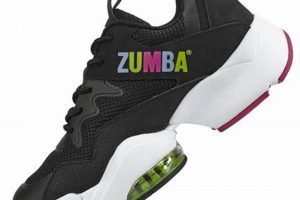
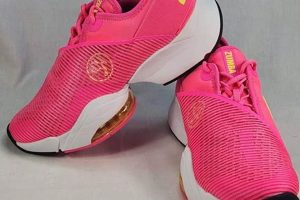
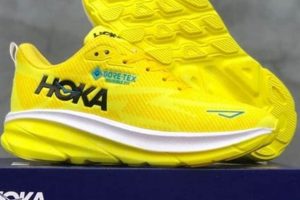
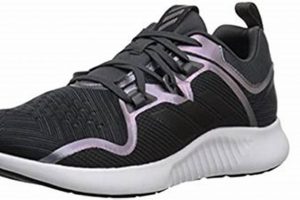
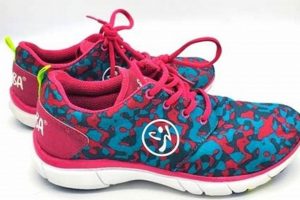
Footwear designed for the activity of Zumba, particularly athletic shoes, is the focus. These shoes are intended to support the movements and demands of a Zumba class, providing cushioning, stability, and flexibility. The selection of appropriate athletic shoes is crucial for participants in Zumba to help mitigate the risk of injury. For example, shoes with a low profile and good lateral support are generally favored.
The selection of adequate footwear contributes significantly to a safe and effective Zumba experience. Appropriate shoes can reduce the strain on joints, improve agility during dance routines, and enhance overall performance. Historically, individuals may have participated in such activities with inadequate footwear, leading to discomfort or potential physical harm. Therefore, specific features are required in footwear to address the unique requirements of this form of exercise.
The following sections will detail the specific characteristics of suitable athletic shoes for Zumba, considering factors such as sole type, upper material, support features, and fit. Furthermore, recommendations regarding brands and models frequently utilized by Zumba participants will be presented, providing a practical guide for selecting optimal footwear for this high-energy activity.
Guidance on Athletic Footwear Selection for Zumba
The following guidance provides practical advice for selecting appropriate athletic footwear to enhance the Zumba experience and minimize the risk of injury.
Tip 1: Prioritize Lateral Support: Zumba involves significant side-to-side movements. Shoes with strong lateral support reduce the risk of ankle injuries and improve stability.
Tip 2: Opt for a Low Profile: A lower profile sole enhances ground feel, which is crucial for maintaining balance during complex dance steps. Avoid shoes with excessively thick soles.
Tip 3: Ensure Adequate Cushioning: While a low profile is desirable, sufficient cushioning is necessary to absorb impact and reduce stress on joints. Seek a balance between ground feel and cushioning.
Tip 4: Consider a Pivot Point: A pivot point on the sole, typically located near the ball of the foot, facilitates smooth turns and reduces friction. This feature is beneficial for executing dance moves effectively.
Tip 5: Evaluate Sole Traction: The sole should provide adequate traction on various surfaces to prevent slipping. However, excessive grip can hinder smooth movements, so a balanced level of traction is ideal.
Tip 6: Choose Breathable Materials: Zumba is a high-intensity activity. Footwear constructed from breathable materials, such as mesh, promotes ventilation and reduces moisture buildup.
Tip 7: Prioritize a Secure Fit: The shoes should fit snugly but comfortably, without restricting movement. Ensure adequate toe box space to prevent discomfort during prolonged activity.
Selecting footwear based on these considerations can significantly improve comfort, performance, and safety during Zumba sessions. Paying attention to lateral support, sole profile, cushioning, and traction will lead to a more enjoyable and effective exercise experience.
The subsequent section provides further insights into specific footwear brands and models commonly recommended for Zumba, offering additional guidance for informed decision-making.
1. Lateral Support

Lateral support in athletic footwear is a critical factor influencing safety and performance, particularly within the context of Zumba fitness. The dynamic movements inherent in Zumba place considerable stress on the ankle and foot, demanding robust support to prevent injury and maintain stability.
- Ankle Stabilization
Lateral support mechanisms are designed to stabilize the ankle joint during lateral movements. These mechanisms, often involving reinforced materials and specific design features in the shoe’s upper, limit excessive pronation and supination, thereby reducing the risk of sprains and other ankle-related injuries. Examples include external heel counters and internal support structures integrated into the shoe’s design.
- Redirection of Forces
Effective lateral support redirects forces generated during side-to-side movements, preventing these forces from concentrating on vulnerable areas of the foot and ankle. By distributing the load more evenly, the risk of stress fractures and soft tissue damage is minimized. This is often achieved through the use of firmer midsole materials and strategically placed support elements.
- Enhanced Agility
Adequate lateral support contributes to enhanced agility by providing a stable platform for rapid changes in direction. This stability allows participants to execute complex dance steps with greater confidence and precision, improving overall performance. Shoes lacking sufficient lateral support may result in instability and decreased responsiveness.
- Injury Prevention
The primary benefit of lateral support lies in its ability to prevent injuries. By stabilizing the ankle, redirecting forces, and enhancing agility, lateral support mechanisms significantly reduce the likelihood of sprains, strains, and other common Zumba-related injuries. Selecting athletic footwear with robust lateral support is therefore paramount for participant safety and long-term fitness.
In conclusion, lateral support is an indispensable feature in athletic shoes intended for Zumba. Its influence on ankle stability, force distribution, agility, and injury prevention underscores its importance in facilitating a safe and effective Zumba experience. Therefore, selecting footwear with demonstrably effective lateral support mechanisms is paramount for Zumba participants seeking to maximize performance while mitigating the risk of injury.
2. Cushioning

Cushioning is a critical characteristic of athletic footwear designed for Zumba. The impact forces generated during Zumba’s high-intensity movements necessitate effective cushioning to mitigate stress on joints and enhance comfort. The selection of athletic shoes with appropriate cushioning properties is therefore paramount for Zumba participants.
- Impact Force Attenuation
Cushioning materials attenuate impact forces produced during Zumba routines. These materials, typically composed of foams or gels, deform upon impact, absorbing and dissipating energy. Reduced impact forces translate to decreased stress on the ankles, knees, and hips, contributing to a lower risk of joint-related injuries. Examples include ethylene-vinyl acetate (EVA) and thermoplastic polyurethane (TPU) foams, each offering varying degrees of shock absorption.
- Energy Return
Certain cushioning technologies provide energy return, wherein the stored energy from impact is partially returned to the wearer during the subsequent step. This energy return can enhance propulsion and reduce fatigue, improving overall performance during extended Zumba sessions. Examples include responsive foams designed to compress and rebound quickly, converting impact energy into forward momentum.
- Pressure Distribution
Effective cushioning distributes pressure evenly across the plantar surface of the foot. This distribution minimizes localized stress concentrations, preventing discomfort and potential foot problems, such as plantar fasciitis. Contoured footbeds and strategically placed cushioning elements contribute to optimal pressure distribution.
- Comfort and Endurance
Cushioning enhances comfort, enabling prolonged participation in Zumba. Well-cushioned athletic shoes reduce fatigue and discomfort, encouraging consistent engagement with the exercise program. The long-term benefits of cushioning include improved adherence to fitness routines and enhanced overall well-being. Insufficient cushioning, conversely, can lead to discomfort and decreased motivation to participate.
The integration of appropriate cushioning technology within athletic footwear directly impacts the Zumba experience. By attenuating impact forces, providing energy return, distributing pressure, and enhancing comfort, cushioning contributes significantly to participant safety, performance, and long-term engagement with the activity. Consequently, careful consideration of cushioning characteristics is essential when selecting athletic shoes for Zumba.
3. Sole Flexibility

Sole flexibility is a critical factor in athletic footwear designed for Zumba, directly influencing the execution of dance-based movements and overall comfort. The capacity of the shoe’s sole to bend and conform to the foot’s natural articulation is essential for facilitating a full range of motion during Zumba routines. Inadequate sole flexibility can restrict movement, increase the risk of injury, and diminish the effectiveness of the exercise. For example, a shoe with a rigid sole may impede the ability to perform pivot turns smoothly, placing undue stress on the ankles and knees. Conversely, a flexible sole allows for a more natural foot strike and reduces the effort required to perform various dance steps.
The construction and materials of the shoe’s sole directly affect its flexibility. Soles made from lightweight, pliable materials, such as certain types of rubber or EVA foam, generally offer greater flexibility than those constructed from denser, less yielding materials. The presence of flex grooves or channels in the sole’s design further enhances flexibility by allowing the sole to bend more easily at specific points. Dancers and Zumba instructors often prioritize footwear that permits a wide range of foot movement, as this contributes to improved agility, balance, and a reduced risk of muscle strain. In practice, this means selecting athletic shoes that exhibit a noticeable degree of bending when subjected to manual manipulation or during weight-bearing activities.
In summary, sole flexibility is an indispensable component of athletic footwear suitable for Zumba. Its contribution to natural movement, injury prevention, and overall comfort underscores its importance. Recognizing the impact of sole construction and materials on flexibility allows individuals to make informed decisions when selecting athletic shoes, ultimately enhancing their Zumba experience. Challenges may arise in finding the optimal balance between flexibility and support, requiring careful consideration of individual foot mechanics and the specific demands of the Zumba routines being performed.
4. Breathability

Breathability in athletic footwear is a critical attribute directly affecting the comfort and performance of individuals participating in Zumba. The high-intensity nature of Zumba generates substantial heat and moisture within the shoe, making breathability essential for maintaining foot health and preventing discomfort.
- Material Composition and Airflow
The materials used in the upper construction of athletic shoes significantly influence breathability. Mesh fabrics, open-weave textiles, and perforated designs promote airflow, facilitating the evaporation of sweat and reducing internal temperature. Non-breathable materials, such as tightly woven synthetics or leather, can trap heat and moisture, leading to discomfort and increased risk of skin irritation. The density and layering of materials also affect airflow; simpler, less layered designs typically offer superior breathability.
- Moisture Management and Wickability
Effective breathability involves not only airflow but also the ability of materials to wick moisture away from the skin. Moisture-wicking technologies, often incorporated into sock liners and inner linings, draw sweat away from the foot, allowing it to evaporate more readily. This process helps to maintain a dry and comfortable environment inside the shoe, reducing the likelihood of blisters and fungal infections. The effectiveness of moisture management is dependent on both the material properties and the shoe’s overall design.
- Impact on Foot Temperature and Comfort
Breathability plays a crucial role in regulating foot temperature during Zumba. Excessive heat buildup within the shoe can lead to discomfort, fatigue, and decreased performance. By promoting airflow and moisture evaporation, breathable athletic shoes help to maintain a cooler and drier environment, enhancing comfort and allowing participants to sustain high levels of activity for longer durations. The benefits of temperature regulation extend beyond comfort, also contributing to improved focus and reduced risk of heat-related injuries.
- Long-Term Foot Health and Hygiene
Sustained lack of breathability can create a breeding ground for bacteria and fungi, increasing the risk of foot odor and infections. Breathable athletic shoes help to mitigate these risks by promoting a drier and more hygienic environment. Regular cleaning and proper sock selection further contribute to maintaining foot health. The long-term benefits of breathability include reduced incidence of foot problems and improved overall foot hygiene.
In summary, breathability is an indispensable characteristic of athletic shoes intended for Zumba. Its influence on material composition, moisture management, foot temperature, and long-term foot health underscores its importance in facilitating a comfortable and hygienic Zumba experience. Selecting footwear with demonstrably effective breathability is paramount for Zumba participants seeking to maximize performance and minimize the risk of foot-related problems.
5. Lightweight
The attribute of being lightweight is a significant consideration in the selection of athletic shoes designed for Zumba, directly influencing agility, endurance, and overall comfort during high-intensity routines. The weight of the shoe impacts the energy expenditure required to perform various dance movements and, consequently, the individual’s ability to sustain performance over extended periods.
- Reduced Energy Expenditure
Lighter athletic shoes require less energy to lift and move during Zumba routines. This reduction in energy expenditure translates to improved endurance, allowing participants to maintain a higher level of activity for longer durations. Heavier shoes necessitate increased muscle activation, leading to faster fatigue and potentially compromising performance. For example, a shoe that is only a few ounces lighter can result in a noticeable difference in perceived exertion and sustained energy levels during a one-hour Zumba class.
- Enhanced Agility and Speed
Lightweight footwear facilitates quicker footwork and faster changes in direction, essential elements of Zumba. The reduced mass allows for more responsive movements, improving the ability to execute complex dance steps with precision and speed. Heavier shoes can feel cumbersome and restrictive, hindering agility and limiting the range of motion. A study comparing the performance of dancers wearing different shoe weights demonstrated a significant correlation between shoe weight and agility test scores.
- Decreased Muscle Fatigue
Lighter shoes contribute to decreased muscle fatigue in the lower extremities. The reduced weight minimizes the strain on leg muscles, allowing for more efficient movement and reducing the risk of cramping or soreness. This is particularly important during prolonged Zumba sessions or when performing routines that involve repetitive leg movements. The selection of lightweight materials in the shoe’s construction, such as lightweight foams and breathable fabrics, plays a critical role in minimizing overall weight.
- Improved Comfort and Foot Health
Lightweight athletic shoes enhance comfort, reducing the likelihood of blisters and other foot-related discomforts. The decreased weight minimizes friction and pressure points, allowing for a more comfortable fit and reducing the risk of irritation. Lightweight materials also tend to be more breathable, further contributing to foot health by promoting airflow and reducing moisture buildup. The long-term benefits of wearing lightweight shoes include improved foot hygiene and a reduced incidence of foot problems.
In conclusion, the lightweight characteristic of athletic shoes directly contributes to enhanced performance, improved comfort, and reduced risk of injury during Zumba activities. The reduced energy expenditure, enhanced agility, decreased muscle fatigue, and improved comfort all underscore the importance of selecting footwear with a minimal weight profile. By prioritizing lightweight construction, Zumba participants can optimize their experience and achieve greater fitness gains.
6. Secure Fit
Secure fit, in the context of athletic shoes designed for Zumba, is a paramount characteristic impacting stability, injury prevention, and overall performance. Proper fit ensures that the foot is adequately supported and contained within the shoe, minimizing movement and preventing slippage during the dynamic movements inherent in Zumba routines. The following points delineate crucial aspects of secure fit in relation to athletic shoes used for Zumba.
- Midfoot Lockdown
Midfoot lockdown refers to the ability of the shoe to securely hold the midfoot in place. This is typically achieved through lacing systems, straps, or internal support structures that prevent excessive pronation or supination. In the context of Zumba, where lateral movements and rapid changes in direction are common, effective midfoot lockdown minimizes the risk of ankle sprains and provides a stable platform for foot movement. A loose midfoot can lead to instability and increased risk of injury. For instance, a shoe with a poorly designed lacing system may not provide adequate support during quick turns, leading to instability.
- Heel Counter Stability
The heel counter, located at the rear of the shoe, provides support and stability to the heel. A rigid and well-structured heel counter prevents excessive heel movement, reducing the risk of blisters and Achilles tendonitis. In Zumba, where repetitive jumping and impact forces are prevalent, a stable heel counter is essential for maintaining proper alignment and preventing heel slippage. A heel counter that lacks sufficient rigidity may allow the heel to move excessively, leading to friction and potential injury.
- Toe Box Room and Fit
Adequate toe box room ensures that the toes have sufficient space to move and flex without being constricted. A snug but not overly tight toe box prevents discomfort and potential foot problems, such as bunions or hammertoes. In Zumba, where repetitive foot movements occur, a comfortable toe box allows the toes to splay naturally, enhancing balance and stability. A narrow toe box can compress the toes, leading to pain and restricted movement, hindering performance. Shoes should allow for approximately a thumbs width of space between the longest toe and the end of the shoe.
- Appropriate Shoe Size and Width
Selecting the correct shoe size and width is fundamental to achieving a secure fit. A shoe that is too large can lead to slippage and instability, while a shoe that is too small can cause discomfort and restricted movement. Proper fit should allow for a snug but comfortable feel throughout the foot, with no areas of excessive pressure or rubbing. In Zumba, where rapid changes in direction occur, a well-fitted shoe minimizes the risk of injury and enhances performance. A shoe that does not fit correctly can compromise stability and lead to discomfort, hindering the ability to fully engage in the activity.
In summary, achieving a secure fit within athletic shoes designed for Zumba requires careful attention to midfoot lockdown, heel counter stability, toe box room, and appropriate shoe sizing. When these factors are properly addressed, the risk of injury is minimized, stability is enhanced, and performance is optimized, allowing individuals to fully engage in the physical demands of Zumba routines. The interrelation between these attributes constitutes the foundation of footwear selection for this high-intensity activity.
Frequently Asked Questions
The following section addresses common inquiries regarding the selection and utilization of appropriate athletic shoes for Zumba fitness activities. The information is intended to provide clarity and guidance for participants seeking to optimize performance and minimize the risk of injury.
Question 1: What specific characteristics differentiate athletic shoes suitable for Zumba from general athletic footwear?
Athletic shoes designed for Zumba prioritize lateral support, sole flexibility, and cushioning. General athletic footwear may not adequately address the specific demands of Zumba’s dynamic movements, increasing the risk of injury.
Question 2: How does sole flexibility contribute to performance during Zumba routines?
Sole flexibility allows for a greater range of foot motion, facilitating smoother transitions between dance steps and reducing strain on the ankle and foot. Limited flexibility may impede performance and increase the risk of injury.
Question 3: What role does cushioning play in athletic shoes intended for Zumba?
Cushioning absorbs impact forces generated during Zumba’s high-intensity movements, mitigating stress on joints and enhancing comfort. Insufficient cushioning can lead to discomfort and increased risk of joint-related injuries.
Question 4: How important is breathability in athletic shoes for Zumba, and what materials contribute to it?
Breathability is crucial for managing moisture and heat buildup within the shoe during Zumba. Mesh fabrics and moisture-wicking materials facilitate airflow and reduce the risk of discomfort and foot-related issues.
Question 5: Is shoe weight a significant factor when selecting athletic shoes for Zumba?
Shoe weight can impact agility and endurance. Lighter shoes require less energy to lift and move, allowing for more efficient and sustained performance. Heavier shoes can contribute to fatigue and hinder movement.
Question 6: How does a secure fit contribute to safety during Zumba activities?
A secure fit minimizes foot movement within the shoe, preventing slippage and reducing the risk of ankle sprains and other injuries. Proper fit ensures that the foot is adequately supported and contained during dynamic movements.
The selection of appropriate athletic footwear significantly influences the safety, comfort, and effectiveness of Zumba participation. Prioritizing factors such as lateral support, sole flexibility, cushioning, breathability, weight, and fit ensures a more positive and injury-free experience.
The subsequent section presents practical recommendations for selecting athletic shoes, including specific brands and models commonly utilized by Zumba instructors and participants.
Concluding Remarks on Footwear Selection for Zumba
The preceding discussion has comprehensively examined the factors pertinent to athletic footwear suitable for Zumba fitness. Emphasis has been placed on the critical attributes of lateral support, cushioning, sole flexibility, breathability, lightweight design, and secure fit. Each of these elements contributes significantly to injury prevention, enhanced performance, and overall participant well-being within the context of this activity. The analysis underscores the importance of informed decision-making when selecting footwear, recognizing that inadequate choices can compromise safety and efficacy.
Therefore, individuals engaging in Zumba are urged to prioritize the outlined characteristics when evaluating potential “tennis shoes for zumba”. This proactive approach will serve to optimize the exercise experience, minimize the potential for adverse outcomes, and promote long-term adherence to a healthy and active lifestyle. Continued diligence in footwear selection remains essential for maximizing the benefits and minimizing the risks associated with this dynamic fitness discipline.