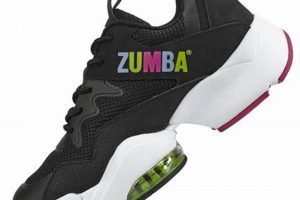
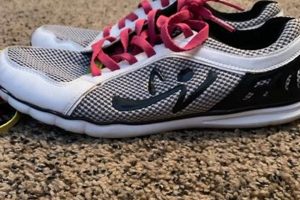
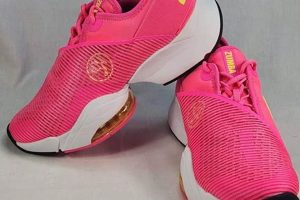
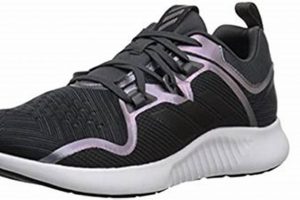
Selecting appropriate footwear is crucial for participating in Zumba, a fitness program that combines Latin and international music with dance moves. The activity demands a range of movements, including pivots, turns, and jumps. Footwear that provides adequate support, cushioning, and flexibility is essential to avoid injuries and maximize performance.
Proper footwear enhances the overall Zumba experience. Adequate support minimizes stress on joints, reducing the risk of ankle sprains, knee pain, and shin splints. Suitable cushioning absorbs impact, further protecting joints and contributing to comfort during high-energy routines. Flexibility allows for a full range of motion, enabling participants to execute dance steps effectively.
Therefore, the subsequent sections will examine the key features to look for in dance fitness shoes, explore specific types recommended for Zumba, and discuss how to choose the right pair based on individual needs and foot type.
Guidance on Selecting Dance Fitness Footwear
The following provides recommendations on selecting footwear suitable for dance-based fitness activities.
Tip 1: Prioritize Lateral Support: Footwear should offer substantial lateral support to stabilize the foot during side-to-side movements, reducing the risk of ankle instability.
Tip 2: Assess Cushioning Properties: Cushioning within the sole absorbs impact and protects joints from stress during high-impact steps. Look for shoes with responsive cushioning in the forefoot and heel.
Tip 3: Evaluate Sole Flexibility: The sole’s flexibility should permit a full range of motion, particularly in the forefoot, to facilitate pivoting and turning movements. A split sole design can enhance flexibility.
Tip 4: Consider Pivot Points: Shoes with a dedicated pivot point on the sole allow for smooth turns and minimize stress on the knees and ankles.
Tip 5: Opt for Breathable Materials: Footwear constructed from breathable materials, such as mesh, enhances ventilation and reduces moisture buildup, contributing to foot comfort.
Tip 6: Check the Outsole Material: The outsole material should provide adequate grip on the studio floor to prevent slipping, while also allowing for controlled sliding during certain dance steps. Non-marking soles are preferred to avoid scuffing the floor.
Tip 7: Ensure Proper Fit: The shoe should fit snugly but not restrictively, leaving adequate room in the toe box to accommodate foot movement during exercise.
Adhering to these guidelines will aid in the selection of footwear that enhances performance, comfort, and safety during dance fitness routines.
The next section will discuss specific shoe types suitable for different foot types and dance styles.
1. Lateral Support

Lateral support is a critical feature in dance fitness footwear, especially when considering suitable options. Its presence directly influences the safety and efficacy of dance-based workouts like Zumba, which entail rapid and varied movements.
- Ankle Stability
Adequate lateral support minimizes the risk of ankle sprains, a common injury in activities involving quick changes in direction. The shoe’s design should prevent excessive inward or outward rolling of the ankle joint, maintaining stability during pivoting and side-to-side steps. A shoe lacking sufficient lateral support may compromise ankle stability, increasing the likelihood of injury.
- Midfoot Support
Lateral support extends beyond the ankle to encompass the midfoot. It provides structural integrity to the shoe, preventing excessive pronation or supination of the foot. Pronation is the inward rolling of the foot, while supination is the outward rolling. Both can lead to discomfort and potential injuries if not properly addressed through adequate shoe support. The lateral structure of the shoe plays a vital role in controlling these movements.
- Enhanced Performance
Beyond injury prevention, lateral support contributes to enhanced athletic performance. By providing a stable platform, it allows for more efficient transfer of energy during movements. A shoe that adequately supports the foot laterally enables more forceful and controlled execution of dance steps, leading to an improved workout experience. Conversely, a lack of lateral support can result in energy loss and reduced agility.
- Extended Shoe Lifespan
Shoes with robust lateral support tend to maintain their structure and functionality for a longer period. The reinforcement along the sides of the shoe helps prevent premature wear and tear, particularly in areas subjected to high stress during dance movements. This contributes to the overall value of the footwear investment, ensuring that the shoe continues to provide the necessary support and stability throughout its lifespan.
In conclusion, lateral support is a fundamental element in dance fitness footwear, influencing injury prevention, athletic performance, and shoe longevity. When assessing “what type of shoes should I wear for Zumba,” the presence and quality of lateral support should be a primary consideration.
2. Cushioning impact

The relationship between footwear impact absorption and selecting the correct shoe is direct and consequential, especially in activities with repetitive jumping or high-impact movements. Zumba’s dynamic routines place considerable stress on the joints, particularly the ankles, knees, and hips. Shoes lacking adequate impact absorption can contribute to chronic pain, stress fractures, and other musculoskeletal injuries. Therefore, impact absorption is a pivotal feature that must be examined.
An effective shoe should incorporate cushioning materials, such as ethylene-vinyl acetate (EVA) foam or gel inserts, strategically placed to absorb shock during foot strike. The heel and forefoot are primary areas of impact, requiring specialized cushioning to mitigate force transmission to the body. This is especially important because the repetitive nature of steps means that there is no room to absorb shock into the body. For example, the choice between minimalist shoes with little to no cushioning versus maximalist shoes with thick soles becomes significant for protecting joints and preventing fatigue during intense dance sessions. Inadequate cushioning can lead to early fatigue and muscle soreness, thereby affecting workout performance.
In summary, impact absorption is a critical attribute of footwear when participating in Zumba. Its presence minimizes joint stress, reduces the risk of injury, and enhances workout endurance. Considering the nature of the workout, prioritizing impact absorption during footwear selection helps to ensure safety and effectiveness.
3. Sole flexibility

Sole flexibility is a critical determinant when evaluating footwear suitable for Zumba. Its presence or absence directly impacts a dancer’s ability to perform intricate movements and can affect the risk of injury. Examining the connection between sole flexibility and Zumba-appropriate shoes is essential for informed decision-making.
- Range of Motion Enhancement
Flexible soles allow for a greater range of motion, facilitating pivoting, turning, and pointing movements inherent in dance fitness routines. A rigid sole restricts these actions, forcing the body to compensate and increasing the likelihood of strains. A shoe with adequate sole flexibility enables unrestricted foot articulation, contributing to seamless transitions between dance steps and reducing the risk of muscular imbalances. Shoes should bend easily at the ball of the foot, mirroring the foot’s natural bending point.
- Ground Contact Sensitivity
A flexible sole improves the foot’s ability to sense the ground. This increased sensitivity allows for finer adjustments in balance and posture, particularly during complex dance sequences. By providing more sensory feedback from the floor, a flexible sole promotes greater body awareness and control, enabling more precise execution of movements. A rigid sole, conversely, diminishes ground feel, potentially compromising balance and increasing the risk of missteps.
- Impact Force Distribution
Sole flexibility can assist in distributing impact forces across the foot, minimizing concentrated pressure on specific areas. A sole that readily conforms to the foot’s shape during impact allows for a more even dispersal of force, reducing stress on the joints and ligaments. This is especially beneficial during jumping and landing phases of Zumba routines. While cushioning absorbs vertical impact, flexibility facilitates the distribution of those forces, further mitigating injury risk. However, excessive flexibility without adequate cushioning can negate the benefits.
- Reduced Foot Fatigue
Flexible soles contribute to reduced foot fatigue by allowing the foot muscles to work more naturally. When the foot can move freely, the muscles are not constantly straining to overcome the shoe’s rigidity. This reduces energy expenditure and delays the onset of fatigue, enabling participants to engage in longer and more intense Zumba sessions. Shoes that restrict foot movement force the muscles to work harder, leading to quicker exhaustion. Selecting footwear with appropriate flexibility promotes efficiency and stamina during workouts.
Therefore, when evaluating “what type of shoes should I wear for Zumba,” the degree of sole flexibility should be a primary consideration. This feature directly influences range of motion, ground contact sensitivity, impact force distribution, and foot fatigue, ultimately affecting the safety and effectiveness of the exercise.
4. Pivot points

Pivot points are a design element integrated into the soles of certain athletic shoes. They are strategically positioned to facilitate smooth rotational movements, and their inclusion is a significant factor when determining footwear suitability for Zumba. Zumba routines involve frequent pivoting and turning, necessitating shoes that permit these movements without placing undue stress on the joints. The presence and design of pivot points directly influence the ease and safety with which a participant can execute these dance steps. The primary purpose of a pivot point is to minimize friction between the shoe and the floor during rotational movements. Without a designated pivot point, the foot may be forced to slide abruptly, creating shear forces on the ankle and knee. These forces can lead to sprains, strains, and other joint-related injuries. Pivot points reduce this friction, allowing the foot to rotate more naturally and controllably.
Different shoe manufacturers employ varying approaches to pivot point design. Some shoes feature a circular indentation or a slightly smoother area on the outsole, while others incorporate a distinct, raised pivot point made of a different material. The effectiveness of a pivot point depends on its size, shape, and placement relative to the ball of the foot. For example, shoes designed for basketball often incorporate pivot points to accommodate the sport’s frequent cutting and turning movements. Similarly, dance-specific shoes may feature pivot points specifically optimized for dance steps. The practical significance of understanding pivot points is evident in the reduced incidence of injuries among dancers who wear shoes with appropriately designed pivot points. Furthermore, individuals can experience improvements in dance technique and fluidity, as the shoes allow for greater ease of movement and control. However, it’s imperative to note that the mere presence of a pivot point does not guarantee optimal performance or safety. Other shoe characteristics, such as lateral support, cushioning, and sole flexibility, must also be considered holistically.
In summary, pivot points are a valuable feature in footwear intended for Zumba and other dance-based fitness activities. They facilitate smooth rotational movements, reduce joint stress, and contribute to enhanced dance technique. When evaluating “what type of shoes should I wear for Zumba,” assessing the presence and design of pivot points is crucial. Challenges may arise in determining the ideal pivot point configuration for individual needs, necessitating a careful consideration of foot type, dance style, and personal preferences. While pivot points are not the sole determinant of a shoe’s suitability for Zumba, they constitute an important element in the overall equation.
5. Breathability

Breathability is a critical factor when selecting appropriate footwear for Zumba, a high-intensity dance fitness program. The demands of Zumba necessitate shoes that not only provide support and cushioning but also facilitate adequate ventilation to maintain foot comfort and hygiene.
- Moisture Management
Breathable materials, such as mesh or perforated synthetics, allow for the effective evaporation of sweat. During Zumba, the feet can perspire significantly, creating a warm, humid environment within the shoe. This moisture can lead to discomfort, blistering, and an increased risk of fungal infections. Shoes with breathable uppers promote airflow, wicking moisture away from the skin and helping to keep the feet dry and comfortable.
- Temperature Regulation
Adequate breathability contributes to temperature regulation within the shoe. By facilitating air circulation, breathable materials prevent the buildup of excessive heat. Overheating can lead to discomfort, fatigue, and decreased performance. Shoes that allow for efficient heat dissipation help to maintain a more stable and comfortable foot temperature throughout the Zumba session.
- Odor Control
The combination of sweat and heat can create an environment conducive to the growth of odor-causing bacteria. Breathable materials help to mitigate this issue by promoting ventilation and reducing moisture buildup. Shoes with breathable uppers are less likely to harbor bacteria and develop unpleasant odors compared to those constructed from non-breathable materials.
- Material Durability
While breathability is essential, the materials used must also be durable enough to withstand the rigors of Zumba. Mesh panels, for example, should be reinforced to prevent tearing or damage. The shoe’s overall construction should balance breathability with the necessary support and stability to endure the dynamic movements of the workout.
Therefore, when considering “what type of shoes should I wear for Zumba,” prioritize footwear constructed from breathable materials. The benefits of improved moisture management, temperature regulation, odor control, and material durability collectively contribute to a more comfortable, hygienic, and effective Zumba experience. Failure to account for breathability can lead to foot discomfort, increased risk of injury, and reduced overall workout satisfaction.
Frequently Asked Questions
This section addresses common inquiries regarding appropriate footwear for participating in Zumba, a dance fitness program.
Question 1: What features are essential when selecting shoes?
Key features include lateral support for ankle stability, cushioning for impact absorption, sole flexibility for range of motion, pivot points for rotational movements, and breathable materials for moisture management.
Question 2: Are running shoes suitable for Zumba?
Running shoes are generally not recommended due to their design primarily for forward motion. They often lack adequate lateral support and pivot points, increasing the risk of ankle injuries during side-to-side movements.
Question 3: Can cross-training shoes be used for Zumba?
Cross-training shoes may be acceptable if they offer sufficient lateral support, cushioning, and flexibility. Evaluate the shoe’s design to ensure it accommodates the dynamic movements of Zumba.
Question 4: What type of sole is preferable for Zumba?
<>
Question 5: How important is shoe fit?
Proper shoe fit is paramount. The shoe should fit snugly but not restrictively, leaving adequate room in the toe box to accommodate foot movement during exercise. Ill-fitting shoes can lead to discomfort, blisters, and injuries.
Question 6: How often should Zumba shoes be replaced?
The frequency of replacement depends on usage and wear. Inspect the shoes regularly for signs of wear, such as diminished cushioning, loss of support, or outsole damage. Replace shoes as needed to maintain adequate performance and prevent injuries.
Selecting appropriate footwear is a critical element in ensuring safety and maximizing the benefits of Zumba. Careful consideration of shoe features and fit helps to mitigate injury risk and enhance the overall workout experience.
The following section will discuss specific shoe brands and models that are recommended for Zumba.
Conclusion
The determination of appropriate footwear for Zumba participation necessitates a careful evaluation of several key features. Lateral support, cushioning, sole flexibility, pivot points, and breathability are all critical elements to consider. Footwear designed without these attributes may increase the risk of injury and diminish the effectiveness of the workout. Individuals are advised to prioritize these factors when making a purchase.
The selection of suitable footwear is a pivotal investment in both physical well-being and fitness performance. Prioritizing appropriate features can contribute to a safer and more rewarding Zumba experience. Ignoring footwear’s impact on the exercise carries implications for long term fitness goals and potentially negatively impacting physical wellness