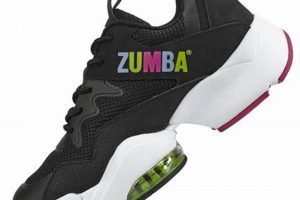
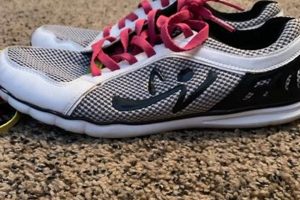
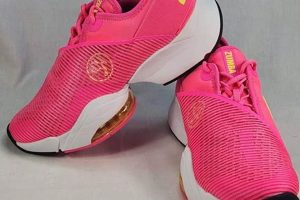
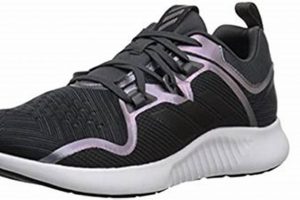
Footwear designed specifically for the energetic and rhythmic movements of Zumba fitness classes provides the necessary support and flexibility for participants. These specialized items often incorporate features like non-marking soles for studio floors, enhanced cushioning for impact absorption, and breathable materials to maintain comfort during intense activity. Examples include lightweight training sneakers with pivot points and dance-specific athletic shoes.
Proper foot protection enhances performance and reduces the risk of injury during Zumba. Supportive footwear allows for greater agility, improved balance, and efficient execution of dance steps. Historically, participants often utilized general athletic shoes, but the evolution of Zumba as a recognized fitness discipline has led to the development of specialized footwear to meet its unique demands.
This article will delve into the key characteristics to consider when selecting appropriate foot coverings for Zumba, offering insights into optimal features, material considerations, and practical advice for enhancing the overall Zumba experience.
Selecting Appropriate Footwear for Zumba Fitness
The following guidance emphasizes key considerations when choosing footwear designed for Zumba fitness classes to ensure optimal performance and minimize the risk of injury.
Tip 1: Prioritize Lateral Support. Footwear should offer adequate lateral support to stabilize the foot during quick side-to-side movements, a common element in Zumba routines. Look for models with reinforced sidewalls or supportive overlays.
Tip 2: Examine Sole Flexibility. The sole’s flexibility is crucial for enabling a wide range of motion. Footwear should bend easily at the ball of the foot to facilitate pivoting and dance-specific steps. Overly rigid soles restrict movement and increase fatigue.
Tip 3: Assess Cushioning and Impact Absorption. Sufficient cushioning is necessary to absorb the impact of high-energy movements. Footwear with gel inserts, EVA midsoles, or similar technologies can help protect joints and reduce the risk of stress injuries.
Tip 4: Opt for Non-Marking Soles. Non-marking soles are essential for protecting studio floors. These soles are made from materials that do not leave scuff marks, preserving the integrity of the dance surface.
Tip 5: Consider Breathability. Breathable materials, such as mesh or perforated leather, are important for keeping feet cool and dry during intense workouts. This helps prevent discomfort and reduces the risk of fungal infections.
Tip 6: Evaluate the Pivot Point. A dedicated pivot point on the sole, typically located near the ball of the foot, facilitates smooth turning and reduces stress on the knees and ankles. Footwear lacking this feature may hinder agility and increase the risk of injury.
Properly selected footwear enhances the Zumba experience by providing support, flexibility, and protection. Adhering to these guidelines helps participants engage in Zumba with greater confidence and reduced risk of discomfort or injury.
The concluding section will summarize the critical elements of ideal Zumba footwear and offer suggestions for maintaining the longevity of these specialized items.
1. Lateral Support

Lateral support, a crucial aspect of footwear design, is particularly vital in athletic activities involving rapid side-to-side movements, such as Zumba. In the context of specialized dance footwear, adequate lateral support minimizes the risk of injury and enhances performance.
- Ankle Stability
Lateral support stabilizes the ankle joint during abrupt changes in direction and high-impact movements characteristic of Zumba routines. Without adequate support, the ankle is susceptible to inversion or eversion sprains, potentially leading to extended recovery periods. Footwear incorporating features like reinforced sidewalls and supportive overlays mitigates this risk.
- Arch Support and Pronation Control
Proper lateral support contributes to maintaining the foot’s arch and controlling excessive pronation, the inward rolling of the foot. Overpronation can lead to various lower limb issues, including plantar fasciitis and shin splints. Footwear designed with arch support and lateral stability elements reduces the likelihood of these complications during Zumba.
- Impact Force Distribution
Effective lateral support aids in distributing impact forces evenly across the foot, preventing concentrated stress on specific areas. This is particularly important during plyometric movements and dance steps that involve jumping and landing. By distributing forces, lateral support reduces the risk of stress fractures and other overuse injuries.
- Enhanced Agility and Confidence
When footwear provides reliable lateral support, participants can execute Zumba movements with greater agility and confidence. The feeling of stability allows for more dynamic and expressive dance, improving the overall fitness experience and potentially increasing caloric expenditure. Conversely, inadequate lateral support can lead to hesitation and reduced performance.
The importance of lateral support in footwear intended for Zumba cannot be overstated. Its contribution to ankle stability, pronation control, impact force distribution, and enhanced agility directly impacts the safety and effectiveness of Zumba participation. Prioritizing footwear with robust lateral support features is a critical step in minimizing injury risk and maximizing the benefits of this dynamic fitness activity.
2. Sole Flexibility

Sole flexibility is a critical design element in footwear intended for Zumba, influencing a participant’s ability to execute dance movements effectively and safely. The interaction between the sole and the foot directly impacts range of motion, impact absorption, and overall comfort.
- Enhanced Range of Motion
A flexible sole facilitates a greater range of motion in the foot, enabling dancers to perform a wider variety of Zumba steps. This includes pivoting, bending, and pointing the foot, all essential components of Zumba choreography. Limited flexibility restricts movement, potentially hindering the dancer’s ability to fully engage in the routine.
- Improved Ground Contact
Sole flexibility allows the foot to maintain better contact with the floor throughout various movements. This improved contact enhances balance and stability, reducing the risk of slips or falls. Dancers can more effectively feel the floor and adjust their movements accordingly, contributing to a more controlled and confident experience.
- Reduced Foot Fatigue
A rigid sole requires the foot muscles to work harder to achieve the necessary movements, leading to premature fatigue. Flexible soles allow the foot to move more naturally, distributing the workload and reducing strain on individual muscles. This contributes to a more comfortable workout and delays the onset of fatigue, allowing for extended participation.
- Natural Foot Movement
The flexibility of the sole should align with the natural biomechanics of the foot. Footwear that mimics the foot’s natural movement patterns enhances comfort and reduces the risk of injury. This includes allowing the foot to flex at the metatarsophalangeal joints (the ball of the foot) and accommodating pronation and supination during the dance steps.
The level of flexibility should be carefully balanced, as excessive flexibility may compromise support. The ideal sole for Zumba should offer sufficient flexibility to facilitate movement while still providing adequate stability and cushioning to protect the foot from impact. Footwear manufacturers often utilize specific materials and designs in the sole construction to achieve this balance, considering the specific demands of Zumba choreography.
3. Impact Absorption

Impact absorption constitutes a critical performance characteristic in footwear intended for high-intensity, repetitive-movement activities like Zumba. The repetitive nature of Zumba routines subjects participants to considerable impact forces, potentially leading to joint stress, muscle fatigue, and increased risk of injury. Effective impact absorption in footwear mitigates these risks by dissipating the energy generated during foot strike, thereby protecting the musculoskeletal system. The materials used in the midsole and outsole of specialized Zumba footwear directly influence impact absorption capabilities. Examples include Ethylene-vinyl acetate (EVA), polyurethane (PU), and specialized gel or air cushioning systems strategically placed to attenuate shock.
The correlation between appropriate footwear and reduced injury rates in Zumba participants has been observed in various fitness studies. Individuals utilizing footwear with inadequate impact absorption are more susceptible to developing conditions like plantar fasciitis, stress fractures, and knee pain. Conversely, well-designed footwear incorporates design features that can significantly diminish the force transmitted to the joints, allowing for longer and more comfortable participation. For example, training shoes specifically designed for Zumba may incorporate strategically placed cushioning in the heel and forefoot to address the specific impact patterns of common dance steps.
In conclusion, impact absorption is an indispensable component of footwear selection for Zumba, directly affecting user comfort, performance, and long-term musculoskeletal health. The choice of materials and design features that enhance impact dissipation are critical considerations. Individuals engaging in regular Zumba activities should prioritize footwear engineered to provide optimal shock absorption, thus mitigating the potential for injury and promoting sustained participation in this fitness discipline.
4. Non-marking soles

In the context of specialized footwear for Zumba, non-marking soles are a crucial design feature ensuring that the dynamic movements of participants do not damage or leave scuff marks on studio floors. The material composition and construction of these soles directly impact their functionality and contribution to maintaining a safe and aesthetically pleasing environment.
- Material Composition and Floor Protection
Non-marking soles are typically manufactured from synthetic rubber compounds or specialized polymers formulated to prevent the transfer of color or residue to flooring surfaces. These materials undergo rigorous testing to ensure they do not react with common floor coatings, thereby preventing discoloration or abrasion. The selection of appropriate materials is critical to preserving the integrity of dance studio surfaces.
- Enhanced Traction and Grip
While preventing floor damage is paramount, non-marking soles must also provide adequate traction for Zumba participants to maintain balance and control during complex movements. The tread pattern and surface texture are engineered to optimize grip on various floor types, minimizing the risk of slips and falls. A balance between non-marking properties and sufficient traction is essential for safety.
- Compliance with Facility Standards
Many dance studios and fitness facilities mandate the use of footwear with non-marking soles as a condition of entry. This requirement aims to protect the investment in flooring and reduce maintenance costs associated with removing scuff marks. Zumba participants should be aware of these regulations and ensure their footwear complies with facility standards to avoid restrictions.
- Longevity and Durability
The non-marking properties of the soles should be maintained over the lifespan of the footwear. High-quality materials and construction techniques contribute to the durability of the soles, ensuring they continue to protect floors even with frequent use. Regularly inspecting the soles for wear and tear is important to ensure continued compliance and effectiveness.
The integration of non-marking soles into footwear designed for Zumba reflects a commitment to both user safety and facility maintenance. These soles represent a practical solution for enabling energetic dance activities without compromising the condition of studio flooring. The adherence to these standards contributes to a more sustainable and responsible approach to fitness participation.
5. Breathability

Breathability, in the context of footwear for Zumba, refers to the capacity of the shoe’s materials to permit the passage of air and moisture vapor. High-intensity Zumba sessions generate significant heat and perspiration within the shoe’s interior. Inadequate breathability traps this moisture, creating a humid environment that can lead to discomfort, increased risk of fungal infections, and reduced overall performance. Breathable footwear materials facilitate the evaporation of sweat, thereby maintaining a cooler and drier environment within the shoe. For example, shoes utilizing mesh uppers, perforated leather, or moisture-wicking fabrics enhance air circulation and promote efficient moisture removal.
The practical significance of breathability extends beyond mere comfort. A cooler, drier foot is less prone to blistering and chafing, both of which can impede participation in Zumba. Furthermore, the reduction in moisture levels mitigates the risk of developing athlete’s foot and other fungal infections. Shoes lacking adequate ventilation can become breeding grounds for bacteria, leading to unpleasant odors and potential skin irritation. A real-world example involves participants in a Zumba class who switched from closed-toe, non-breathable shoes to shoes with mesh uppers and reported a marked improvement in comfort and a reduction in foot odor at the conclusion of the session.
In summary, breathability is a crucial attribute in footwear designed for Zumba. It directly impacts user comfort, hygiene, and performance. Materials and construction techniques that promote air circulation and moisture wicking are essential for mitigating the adverse effects of perspiration during high-intensity workouts. The challenges associated with balancing breathability and support are addressed through innovative footwear design, ensuring that participants can engage in Zumba without compromising foot health.
6. Pivot Point

The pivot point, a design feature integrated into the sole of footwear, directly influences a Zumba participant’s ability to execute turns and rotations efficiently and safely. Its presence, location, and construction impact the biomechanics of movement and, consequently, the overall Zumba experience.
- Rotation Facilitation
The primary function of a pivot point is to minimize friction during rotational movements. Located typically beneath the ball of the foot, it allows the dancer to turn smoothly without excessive strain on the knees and ankles. Without this feature, dancers are compelled to exert greater force to execute turns, increasing the risk of joint injury. Examples of pivot points include circular indentations or specialized materials designed to reduce surface resistance.
- Joint Stress Reduction
The inclusion of a pivot point alleviates stress on the lower extremity joints. By facilitating smooth rotations, it reduces the torque applied to the knees and ankles. Individuals lacking proper footwear, such as using running shoes for Zumba, often experience increased joint discomfort due to the absence of a pivot point. This discomfort underscores the importance of specialized footwear for activities involving frequent rotational movements.
- Enhanced Agility and Control
A well-designed pivot point enhances a dancer’s agility and control during Zumba routines. The ability to turn effortlessly allows for quicker transitions between steps and more precise execution of choreography. This increased agility contributes to a more fluid and expressive dance style, enhancing the overall performance. The absence of a pivot point can lead to clumsy movements and reduced coordination.
- Material and Design Variations
Pivot points vary in material composition and design. Some footwear incorporates rubberized pivot points, while others utilize specialized plastic compounds. The shape and size of the pivot point also vary depending on the specific demands of the dance activity. Some designs feature a distinct circular indentation, while others employ a textured surface to achieve the desired level of friction reduction. Design variation aims to optimize the balance between slip resistance and rotational ease.
The considerations surrounding pivot points underscore the specialized nature of appropriate footwear for Zumba. The integration of this seemingly minor design element profoundly affects performance, joint health, and overall safety. Therefore, selecting footwear with a properly designed pivot point is a crucial element in optimizing the Zumba experience.
Frequently Asked Questions
The following section addresses common inquiries regarding the selection and utilization of footwear specifically designed for Zumba fitness activities.
Question 1: Are standard athletic shoes suitable for Zumba?
Standard athletic shoes, particularly running shoes, often lack the necessary lateral support and pivot points required for Zumba’s dynamic movements. Utilizing such footwear may increase the risk of ankle injuries and impede performance.
Question 2: How often should specialized Zumba footwear be replaced?
The lifespan of Zumba footwear depends on usage frequency and intensity. However, visible signs of wear, such as diminished cushioning or outsole deterioration, indicate the need for replacement. On average, replacement is recommended every six to twelve months for regular participants.
Question 3: What sole materials are best suited for studio floors?
Non-marking rubber compounds and specialized polymers are preferred sole materials for studio floors. These materials prevent scuff marks and ensure compliance with facility regulations. The tread pattern should also provide adequate traction without compromising floor integrity.
Question 4: How does breathability impact foot health during Zumba?
Adequate breathability is crucial for dissipating moisture and preventing the buildup of heat within the shoe. Insufficient ventilation can lead to discomfort, blisters, and an increased risk of fungal infections. Mesh uppers and moisture-wicking linings are beneficial for maintaining foot hygiene.
Question 5: What features contribute to effective impact absorption in Zumba footwear?
Impact absorption is achieved through the integration of cushioning materials in the midsole, such as EVA or gel inserts. These features help to attenuate the shock generated during high-impact movements, reducing stress on the joints and lower limbs.
Question 6: Can orthotics be used in conjunction with specialized Zumba footwear?
Orthotics can be used to address specific foot conditions or biomechanical imbalances. Consult with a podiatrist or qualified healthcare professional to determine the appropriate type of orthotic and ensure proper fit within the footwear.
The selection of appropriate footwear directly influences safety, comfort, and performance in Zumba. Prioritizing features like lateral support, breathability, and impact absorption is paramount.
The subsequent section will provide guidance on the proper care and maintenance of specialized footwear for Zumba to extend its lifespan and preserve its functionality.
Concluding Remarks
This exploration of footwear specifically designed for Zumba underscores the critical role specialized design plays in enhancing both performance and safety. The synthesis of lateral support, sole flexibility, impact absorption, non-marking properties, breathability, and a functional pivot point collectively contributes to a reduction in injury risk and an amplification of the fitness benefits derived from Zumba participation. The absence of these features can lead to biomechanical imbalances, discomfort, and increased susceptibility to musculoskeletal strain.
The information presented serves as a foundational guide for participants seeking to optimize their Zumba experience. Prioritizing informed footwear selection, based on the principles outlined herein, enables individuals to engage in this dynamic activity with greater confidence and reduced potential for adverse outcomes. Continued research and innovation in footwear technology remain essential to further refining the standards for specialized athletic equipment, ensuring the ongoing safety and well-being of participants in various fitness disciplines.