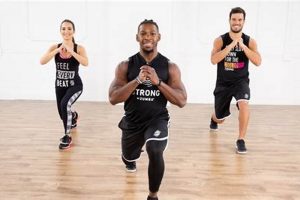
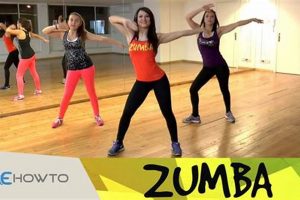
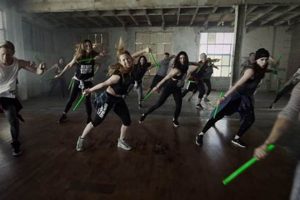
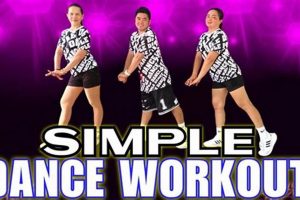
Apparel selected for Zumba fitness classes typically prioritizes flexibility, breathability, and comfort to accommodate the dynamic movements inherent in the program. Garments often include moisture-wicking fabrics to manage perspiration during high-energy routines, and supportive elements such as sports bras or compression leggings are frequently chosen. Examples include tank tops paired with capri leggings, loose-fitting t-shirts combined with athletic shorts, or specialized Zumba-branded activewear.
The appropriate selection of training attire enhances participation and performance in fitness activities. Comfortable, supportive clothing can prevent chafing, improve range of motion, and bolster confidence, all contributing to a more effective and enjoyable workout. Historically, specialized exercise clothing has evolved alongside fitness trends, reflecting a growing understanding of the relationship between physical activity and appropriate garments.
Therefore, understanding the key considerations for selecting suitable fitness apparel, identifying recommended garment types, and outlining strategies for optimizing comfort and performance form the subsequent areas of focus. This exploration examines the functional attributes, aesthetic considerations, and practical guidance related to apparel selection for optimal fitness engagement.
Guidance on Appropriate Attire for Zumba Participation
The following recommendations aim to assist individuals in selecting suitable apparel for Zumba fitness activities, focusing on functional attributes and performance considerations. Prioritizing comfort and mobility is crucial for optimal participation.
Tip 1: Prioritize Breathability: Opt for fabrics with moisture-wicking properties to facilitate sweat evaporation and maintain comfort during high-intensity workouts. Synthetic materials like polyester or blends are often preferable to cotton.
Tip 2: Ensure Adequate Support: Select supportive undergarments, particularly sports bras for female participants, to minimize discomfort and potential strain during vigorous movements. Adjustable straps and secure closures are beneficial.
Tip 3: Choose Flexible Fabrics: Garments should allow for a full range of motion. Stretchy materials such as spandex or Lycra blends are recommended to accommodate Zumbas diverse dance steps.
Tip 4: Consider Layering Options: Depending on the environment and personal preference, consider layering clothing. A light jacket or wrap can be added or removed as needed to regulate body temperature.
Tip 5: Opt for Appropriate Footwear: Dance sneakers or athletic shoes with good lateral support and cushioning are essential. Avoid footwear with excessive grip, which can impede smooth dance movements.
Tip 6: Assess Coverage and Modesty: Ensure that selected apparel provides sufficient coverage and adheres to personal modesty preferences. Loose-fitting tops or bottoms can offer additional comfort and confidence.
Tip 7: Evaluate Durability: Invest in high-quality activewear that can withstand repeated washing and wear. Reinforcements at stress points and durable stitching are indicators of garment longevity.
By adhering to these guidelines, individuals can optimize their Zumba experience through informed apparel selection, enhancing both comfort and performance.
The subsequent section will address common misconceptions surrounding apparel choices for Zumba classes and provide further insights into maximizing comfort and style.
1. Flexibility

Flexibility in workout attire is paramount for Zumba participation. Restrictive clothing can inhibit movement, potentially leading to reduced performance, discomfort, and even injury. Garments must accommodate the wide range of motion inherent in Zumba routines.
- Fabric Elasticity
The elasticity of fabric is a critical determinant of garment flexibility. Materials such as spandex, Lycra, and certain knit fabrics offer superior stretch and recovery, allowing for unrestricted movement during dance sequences. Non-elastic fabrics, conversely, limit range of motion and can create resistance, hindering performance and comfort.
- Garment Construction
The design and construction of workout apparel significantly impact its flexibility. Gussets, articulated seams, and strategic paneling can enhance range of motion in key areas such as the shoulders, hips, and knees. Conversely, tight-fitting designs or restrictive seams can impede movement and cause discomfort.
- Range of Motion Considerations
Zumba routines involve a diverse array of movements, including twists, lunges, jumps, and arm extensions. Apparel must accommodate these movements without constricting or hindering the wearer. A garment that allows for a full range of motion in all directions is essential for optimal performance and injury prevention.
- Impact on Performance
When workout clothes allow more freedom in movements then its allow to perform difficult movements without restraints. Improved motor skills will result to better performance and overall experience.
In summary, the selection of flexible workout attire is crucial for maximizing performance and comfort during Zumba classes. Fabric elasticity, garment construction, and consideration of range of motion collectively contribute to apparel that supports unrestricted movement, enhancing the overall exercise experience and mitigating the risk of injury.
2. Breathability

Breathability is a critical attribute of apparel designed for Zumba fitness activities due to the high-intensity nature of the workout. The vigorous movements and sustained activity levels in Zumba lead to elevated body temperature and increased perspiration. Apparel lacking sufficient breathability can trap moisture against the skin, creating discomfort, fostering bacterial growth, and potentially leading to skin irritation or infections. Conversely, breathable fabrics facilitate the evaporation of sweat, promoting a cooling effect and maintaining a more comfortable microclimate next to the skin. For example, a Zumba participant wearing a non-breathable synthetic top may experience overheating and excessive sweating, hindering their ability to fully engage in the class, while a participant wearing a moisture-wicking, breathable top is likely to remain cooler and more comfortable throughout the session. Therefore, the selection of breathable materials is essential for optimizing the workout experience.
The effectiveness of breathability in workout attire is directly correlated with the type of fabric used and its construction. Natural fibers like merino wool and certain synthetic fabrics such as polyester and nylon engineered with moisture-wicking technology offer superior breathability compared to dense, non-porous materials like vinyl or tightly woven cotton. Furthermore, the weave and knit structure of the fabric influence its breathability; open weaves and knitted structures allow for greater air circulation. The practical application of this understanding involves carefully examining fabric labels and selecting garments specifically designed for high-intensity activities, prioritizing materials and constructions known for their breathability. This proactive approach can significantly enhance comfort and performance during Zumba sessions.
In conclusion, breathability is an indispensable component of Zumba attire, directly impacting the comfort, hygiene, and overall performance of participants. The selection of appropriate fabrics and garment construction is crucial for facilitating moisture evaporation and maintaining a comfortable body temperature. Failure to prioritize breathability can lead to discomfort and potential health issues, while informed apparel choices contribute to a more effective and enjoyable Zumba experience. Addressing the challenge of selecting truly breathable materials requires consumer awareness and informed purchasing decisions, further emphasizing the significance of understanding the relationship between fabric properties and workout performance.
3. Support

The element of support within the realm of apparel for Zumba fitness activities is of paramount importance. High-impact movements inherent in Zumba routines necessitate clothing that provides adequate physical support to minimize discomfort and potential injury. This is not solely limited to load-bearing elements but extends to structural integrity and overall garment design.
- Muscular Stabilization
Supportive activewear, particularly in the form of compression garments, aids in stabilizing muscles during high-intensity activities. This stabilization reduces muscle oscillation, which can contribute to fatigue and delayed onset muscle soreness. Compression leggings, for example, offer support to the quadriceps and hamstrings, mitigating the impact of jumping and rhythmic movements common in Zumba.
- Joint Protection
Support extends beyond muscular stabilization to encompass joint protection. Properly fitted athletic shoes with adequate cushioning and arch support absorb impact forces, reducing stress on joints such as ankles, knees, and hips. Furthermore, supportive sports bras minimize breast movement, preventing discomfort and potential long-term ligament damage, particularly during high-energy dance sequences.
- Posture Enhancement
Certain activewear designs incorporate features that promote improved posture. Compression tops or shirts with strategically placed panels can provide gentle support to the core muscles, encouraging proper spinal alignment. Maintaining correct posture is crucial for executing Zumba movements with optimal form and minimizing the risk of back pain or other musculoskeletal issues.
- Confidence and Body Image
While physical support is primary, the psychological impact of supportive clothing should not be overlooked. Well-fitting, supportive apparel can enhance body image and self-confidence, contributing to a more positive and engaging workout experience. This is particularly relevant in a group fitness setting like Zumba, where participants may feel more comfortable and motivated when they feel supported by their clothing choices.
In summation, the element of support plays a multidimensional role in apparel selection for Zumba fitness activities. Encompassing muscular stabilization, joint protection, posture enhancement, and psychological well-being, supportive clothing contributes significantly to both physical safety and overall enjoyment. Garments intended for high-impact exercises like Zumba must prioritize functional design elements that offer appropriate support, allowing participants to engage fully and confidently.
4. Durability

The lifespan of apparel selected for Zumba fitness classes directly impacts the cost-effectiveness and sustainability of participation. Frequent wear and repeated washing cycles, integral to maintaining hygiene, place significant stress on garments. Apparel exhibiting low durability necessitates frequent replacement, increasing expenses and contributing to textile waste. For instance, a low-quality top may lose its shape or develop holes after only a few washes, requiring premature disposal. Conversely, durable apparel, constructed from robust materials and reinforced seams, withstands the demands of rigorous exercise and laundering, providing extended utility.
Specific attributes contribute to the durability of apparel suitable for Zumba. Fabric composition plays a crucial role; synthetic blends, such as polyester and spandex, often exhibit greater resistance to abrasion and stretching compared to natural fibers like cotton. Seam construction is equally important; flatlock seams minimize chafing and provide greater strength compared to traditional seams. Furthermore, resistance to fading and color bleeding ensures that the garment maintains its aesthetic appeal over time. As an example, athletic leggings with reinforced stitching at stress points, such as the inner thighs and knees, are less susceptible to tearing during dynamic movements.
In summation, durability is a critical, though often overlooked, factor in the selection of suitable garments for Zumba fitness activities. Increased durability translates to long-term savings, reduced environmental impact, and sustained comfort and performance. Prioritizing high-quality materials and construction techniques ensures that apparel withstands the demands of repeated use, fostering a more sustainable and cost-effective approach to fitness participation.
5. Mobility

The ability to move freely and without restriction is paramount in Zumba fitness activities. Apparel directly influences the extent of mobility achievable during these workouts. Restrictive garments can impede range of motion, hindering performance and potentially leading to discomfort or injury. Conversely, clothing designed to enhance mobility allows participants to fully engage in the dynamic movements characteristic of Zumba, thereby maximizing the workout’s effectiveness and enjoyment. A participant attempting a Zumba routine in rigid, non-stretch clothing may find themselves unable to execute certain steps correctly, while another participant in flexible, movement-friendly attire experiences no such limitations, illustrating the direct cause-and-effect relationship between apparel and mobility.
The design and material composition of garments intended for Zumba should prioritize freedom of movement. Fabrics with high elasticity, strategic seam placement, and articulated cuts all contribute to enhanced mobility. For example, athletic leggings constructed from a blend of polyester and spandex offer a close fit without constricting movement, allowing for a full range of motion in the legs and hips. Similarly, tops with raglan sleeves or racerback designs permit unrestricted arm movement during upper-body portions of the routine. The practical significance of this understanding is evident in the widespread adoption of such features in athletic apparel marketed towards Zumba participants, reflecting a recognition of the crucial role mobility plays in the activity.
In summary, mobility is an indispensable attribute of effective apparel for Zumba fitness classes. Garments that facilitate unrestricted movement enhance performance, minimize the risk of injury, and contribute to a more enjoyable workout experience. While material selection and garment design are essential considerations, the ultimate goal remains to provide apparel that supports and empowers participants to move freely and confidently. Further research into innovative fabric technologies and garment construction techniques may yield even greater improvements in mobility, further enhancing the effectiveness of Zumba as a form of exercise.
6. Coverage
Adequate coverage in apparel for Zumba fitness is essential for both physical comfort and psychological well-being. The dynamic movements inherent in Zumba necessitate garments that provide sufficient coverage to prevent exposure and promote a sense of security, allowing participants to focus on the workout without distraction or self-consciousness.
- Modesty and Personal Preference
Apparel coverage caters to individual modesty standards and preferences. Some participants may prefer more conservative attire, while others may opt for more revealing styles. Understanding this spectrum enables informed selection of garments that align with personal values. For example, individuals prioritizing modesty might choose longer tops or leggings, while others might select shorter shorts or tank tops. Ignoring personal preferences can lead to discomfort and reduced participation.
- Support and Security During Movement
Coverage plays a functional role in maintaining support and security during high-impact movements. Garments designed with strategic coverage, such as sports bras with adequate support or leggings that stay in place during jumps, prevent wardrobe malfunctions and minimize distractions. Insufficient coverage can result in discomfort, potential embarrassment, and impaired performance.
- Environmental Factors
Coverage can be influenced by environmental factors, such as studio temperature or outdoor settings. In cooler environments, layering with garments that provide additional coverage can help maintain body temperature. Conversely, in warmer environments, opting for lighter, more breathable fabrics with less coverage may be preferable. Adapting apparel coverage to environmental conditions ensures comfort and optimal performance.
- Cultural and Social Considerations
Cultural and social norms can influence expectations regarding appropriate attire coverage. Adherence to local customs and cultural sensitivities promotes inclusivity and respect within a Zumba class. Awareness of these considerations allows participants to make informed choices that align with community standards, fostering a positive and welcoming environment.
The multidimensional nature of coverage in Zumba fitness apparel highlights its importance beyond mere aesthetics. Addressing the diverse needs of participants through mindful garment selection fosters comfort, confidence, and a greater sense of inclusivity. By considering modesty, support, environmental factors, and cultural norms, individuals can optimize their Zumba experience and fully embrace the physical and social benefits of the activity.
Frequently Asked Questions
The following frequently asked questions address common inquiries and misconceptions regarding appropriate garments for Zumba fitness classes, providing clarity on optimal choices for performance and comfort.
Question 1: What constitutes appropriate footwear for Zumba classes?
Suitable footwear for Zumba includes dance sneakers or athletic shoes offering adequate lateral support and cushioning. Footwear with excessive grip is discouraged, as it can impede smooth dance movements. Bare feet or socks alone are not recommended due to the risk of injury.
Question 2: Are compression garments recommended for Zumba workouts?
Compression garments, such as leggings or tops, can be beneficial for providing muscle support and reducing fatigue during high-intensity Zumba sessions. However, they should not be excessively restrictive, as this can impede movement. Individual comfort levels should guide the decision to incorporate compression wear.
Question 3: How should apparel be layered for a Zumba class?
Layering is a viable option, particularly in environments with fluctuating temperatures. A light jacket or wrap can be added or removed as needed to regulate body temperature. However, layering should not compromise freedom of movement. Breathable, moisture-wicking fabrics are recommended for all layers.
Question 4: What fabrics are best suited for Zumba workout attire?
Fabrics with moisture-wicking properties, such as polyester blends or nylon, are preferable for managing perspiration during Zumba. These materials facilitate sweat evaporation and maintain comfort. Cotton, while comfortable, tends to retain moisture and may become heavy or uncomfortable during intense activity.
Question 5: Is it necessary to purchase Zumba-branded apparel?
Zumba-branded apparel is not a mandatory requirement for participation. While such garments often feature designs and materials suitable for Zumba, any athletic apparel meeting the criteria of flexibility, breathability, and support is acceptable. Personal preference and budget should guide purchasing decisions.
Question 6: How frequently should Zumba workout attire be laundered?
Zumba workout apparel should be laundered after each use to prevent the accumulation of sweat and bacteria. Following the care instructions on the garment label will help maintain its quality and longevity. Prompt washing minimizes odors and potential skin irritation.
In summary, selecting appropriate apparel for Zumba classes requires consideration of fabric properties, garment construction, and individual comfort levels. Prioritizing flexibility, breathability, support, and coverage will enhance the workout experience and minimize the risk of discomfort or injury.
The next section transitions to strategies for optimizing comfort and style when choosing garments for Zumba, further elaborating on these key considerations.
Conclusion
This analysis of garments designed for Zumba fitness activities emphasizes the critical role of careful selection. Key attributes such as flexibility, breathability, support, durability, mobility, and adequate coverage contribute directly to performance, comfort, and overall safety. Informed decisions regarding fabric composition, garment construction, and fit are paramount.
The information presented serves as a guide for making optimal choices in selecting suitable apparel. Continued adherence to these principles ensures an enhanced and effective fitness experience. Further research into innovative materials and designs may yield even greater advancements in this field, consistently improving performance and encouraging lasting participation in physical activity.