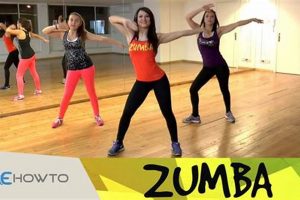
Zumba is an exercise fitness program that combines Latin and international music with dance moves. These facts often encompass its origins, the variety of dance styles incorporated, and its widespread adoption as a popular group fitness activity. Information surrounding this exercise method includes details about its impact on cardiovascular health, calorie expenditure, and overall physical well-being.
Understanding the details of this exercise regimen is important for individuals seeking a fun and effective way to improve their fitness. The regimen’s ability to burn calories, improve coordination, and provide a full-body workout contributes to its popularity. Developed in the mid-1990s, it has grown into a global phenomenon, embraced by diverse populations seeking an enjoyable alternative to traditional workout routines. Its accessibility and adaptable intensity levels make it suitable for a range of ages and fitness abilities.
The following sections will delve into specific aspects such as its physiological impacts, its variations and how it compares with other fitness programs and the certifications required to teach this increasingly popular dance fitness method.
Zumba Fitness
Adhering to specific guidelines can maximize the benefits and minimize potential risks associated with Zumba participation. These suggestions are designed to promote a safe and effective fitness experience.
Tip 1: Prioritize Proper Hydration: Adequate fluid intake is crucial both before, during, and after a class. Dehydration can lead to muscle cramps, dizziness, and reduced performance.
Tip 2: Select Appropriate Footwear: Choose supportive athletic shoes that provide cushioning and lateral stability. Avoid shoes with excessive tread, as these can hinder smooth dance movements.
Tip 3: Master Basic Steps: Familiarize oneself with fundamental Zumba steps prior to participating in a class. This preparation enhances coordination and reduces the likelihood of injury.
Tip 4: Modify Intensity as Needed: Adjust the intensity level to match one’s fitness capabilities. Listen to the body and take breaks when necessary to prevent overexertion.
Tip 5: Engage Core Muscles: Consciously engage core muscles throughout the workout. Core stabilization supports proper posture and enhances movement control.
Tip 6: Maintain Correct Posture: Be mindful of posture, keeping the back straight and shoulders relaxed. This helps prevent strain and promotes efficient movement.
Tip 7: Listen to the Instructor: Pay attention to the instructor’s cues and directions. Proper form is essential for maximizing effectiveness and minimizing the risk of injury.
These practices emphasize safety, proper technique, and individual limitations, allowing participants to obtain the full benefits of Zumba while minimizing potential risks. Applying these approaches helps to optimize the experience.
The following sections will provide more specifics on how to get the most out of the fitness dance with respect to your fitness goals.
1. Calorie expenditure assessment

Quantifying the amount of energy expended during a Zumba class is a key element when considering fitness facts. This assessment offers valuable insights into its effectiveness as a weight management tool and provides tangible metrics for individuals tracking their fitness progress.
- Metabolic Rate Influence
Zumba’s blend of aerobic exercise and resistance training increases an individual’s metabolic rate. The continuous movement and rhythmic patterns challenge the cardiovascular system, leading to a higher energy demand. This heightened metabolism extends beyond the duration of the class, contributing to sustained calorie burn throughout the day.
- Intensity Variation Impact
The intensity of a Zumba class directly affects calorie expenditure. Classes with higher-impact movements and more complex choreography generally result in a greater number of calories burned. Instructors often offer modifications to accommodate different fitness levels, allowing participants to adjust the intensity based on their individual capabilities and goals.
- Physiological Factors Consideration
Individual physiological characteristics, such as age, gender, weight, and body composition, influence calorie expenditure during Zumba. Heavier individuals typically burn more calories than lighter individuals for the same activity duration. Similarly, individuals with a higher muscle mass tend to have a higher resting metabolic rate, leading to increased calorie burn during exercise.
- Measurement Methodologies Evaluation
Calorie expenditure during Zumba can be estimated using various methods, including heart rate monitors, activity trackers, and metabolic equations. Each method has its limitations and advantages in terms of accuracy and practicality. Heart rate monitors provide real-time data on cardiovascular exertion, while activity trackers offer estimates based on accelerometer data and user input. Metabolic equations offer generalized estimates based on population averages and activity intensity.
Understanding calorie expenditure assessment within the context of exercise routines can facilitate informed decision-making regarding exercise selection and intensity adjustments. This knowledge empowers individuals to optimize their fitness regimen for weight management and overall health improvement.
2. Cardiovascular Benefit Analysis

Examination of cardiovascular benefits is essential when evaluating the impact of Zumba on physical health. This analysis provides a framework for understanding the exercise’s effects on the heart and circulatory system, thus validating its contribution to overall fitness.
- Heart Rate Variability (HRV) Modulation
Zumba’s dynamic movements stimulate the sympathetic and parasympathetic nervous systems, leading to improved heart rate variability. Increased HRV indicates a greater capacity for the heart to adapt to stressors, reflecting enhanced cardiovascular resilience. For example, consistent participation may result in lower resting heart rates and improved recovery times after exertion.
- Blood Pressure Regulation
Regular engagement can contribute to the regulation of blood pressure. The aerobic nature of the activity promotes vasodilation, reducing peripheral resistance and lowering systolic and diastolic pressure. Individuals with mild hypertension may experience reductions in blood pressure levels following consistent Zumba participation, complementing other lifestyle modifications.
- Lipid Profile Enhancement
Evidence suggests a favorable impact on lipid profiles. The activity can elevate high-density lipoprotein (HDL) cholesterol levels while reducing low-density lipoprotein (LDL) cholesterol and triglyceride levels. Improved lipid profiles reduce the risk of atherosclerosis and other cardiovascular ailments, supporting long-term arterial health.
- Improved Endothelial Function
The rhythmic and aerobic nature of the class stimulates the production of nitric oxide, a vasodilator that improves endothelial function. Enhanced endothelial function promotes healthy blood flow, reduces the risk of blood clot formation, and supports overall vascular health.
Cardiovascular benefit analysis within the framework of Zumba facts emphasizes its potential to positively influence multiple aspects of cardiovascular health. These effects position it as a viable option for individuals seeking to improve their fitness and reduce their risk of cardiovascular disease.
3. Movement Coordination Enhancement
Movement coordination enhancement constitutes a significant aspect of fitness routines, directly influencing agility, balance, and overall motor skills. The integration of dance elements in fitness provides unique challenges and opportunities for improving these abilities.
- Neuromuscular Pathway Activation
The incorporation of diverse dance steps stimulates various neuromuscular pathways. These pathways facilitate communication between the brain and muscles, leading to improved reaction times and precise movements. Complex choreography requires participants to execute intricate sequences, thereby strengthening neural connections and promoting more efficient movement patterns. Examples include rapidly transitioning between different footwork patterns or coordinating arm movements with specific steps.
- Spatial Awareness Development
Fitness routines conducted in a group setting necessitate heightened awareness of personal space and the positioning of others. Participants learn to navigate within the group while maintaining proper form and executing dance movements. Enhanced spatial awareness translates to improved balance, reduced risk of collisions, and greater confidence in navigating dynamic environments.
- Proprioceptive Feedback Improvement
Proprioception, the body’s ability to sense its position in space, is crucial for coordinated movement. The varied steps and rhythms require constant adjustments and adaptations, refining one’s sense of balance and posture. Individuals engaging in coordinated fitness activities often demonstrate improved balance and a reduced susceptibility to falls.
- Cognitive Function Integration
The memorization and execution of dance routines engages cognitive functions such as memory and attention. Coordinating movements with music and remembering sequences necessitates mental focus and cognitive processing. This integration of cognitive and motor skills may contribute to enhanced cognitive performance and improved memory retention.
The benefits of movement coordination enhancement are evident through increased physical proficiency and improved cognitive abilities. These are integral features of this form of exercise, contributing to its holistic impact on physical and mental well-being. This highlights the fitness routine’s role in not only enhancing cardiovascular health but also in honing motor skills and cognitive functions.
4. Accessibility across demographics

Accessibility across demographics is a fundamental component of its inherent appeal and broad adoption. The program’s design features adaptable intensity levels, modifiable movements, and diverse music selections, thus enabling engagement across various age groups, fitness levels, and cultural backgrounds. This broad accessibility is a direct result of deliberate choices made in the program’s structure and implementation.
The absence of complex or highly specialized choreography allows beginners and individuals with limited dance experience to participate without feeling intimidated. Instructors can readily adapt routines to accommodate participants with physical limitations, such as joint pain or mobility issues. The inclusion of diverse musical genres from around the world fosters inclusivity and resonates with participants from various ethnic backgrounds. For instance, senior centers frequently incorporate Zumba classes tailored for older adults, emphasizing low-impact movements and social interaction. Community centers often offer classes at reduced rates or scholarships, making it accessible to lower-income individuals. These are examples of ways in which the framework is modified to meet individual needs.
Understanding the facts related to its accessibility is crucial for fitness professionals and program administrators. This understanding promotes effective program design, targeted outreach, and the creation of inclusive environments that cater to a wide range of individuals. Challenges such as overcoming language barriers, addressing cultural sensitivities, and ensuring accessibility for individuals with disabilities require ongoing attention and proactive solutions. Continued efforts to enhance program accessibility will ensure that the exercise’s benefits are available to an even wider audience.
5. Instructor Training Standards

Instructor training standards are an essential component within the overall framework of Zumba fitness facts. These standards directly influence the quality and safety of Zumba instruction, ultimately impacting the experience and well-being of participants. The establishment and maintenance of rigorous certification processes ensure that instructors possess the necessary knowledge, skills, and competence to lead effective and safe classes. The absence of adequate training standards could result in improper technique, increased risk of injury, and diminished cardiovascular benefits for participants.
Real-life examples illustrate the practical significance of these standards. Certified instructors are trained to modify movements to accommodate individuals with varying fitness levels and physical limitations. They also possess the knowledge to recognize signs of overexertion or potential injury, allowing them to provide appropriate guidance and prevent adverse events. In contrast, uncertified instructors may lack the expertise to provide effective modifications or recognize warning signs, potentially leading to negative outcomes for participants. For example, an instructor without proper training might push participants beyond their limits, increasing the risk of muscle strains or cardiovascular complications. Similarly, an instructor unfamiliar with proper alignment and technique may inadvertently promote improper movement patterns, leading to joint pain or other musculoskeletal issues.
Comprehending the relationship between instructor training standards and is essential for participants, fitness facility managers, and prospective instructors. Participants can make informed decisions about class selection, prioritizing certified instructors with reputable credentials. Fitness facility managers can ensure the quality and safety of their programs by employing certified instructors and providing ongoing professional development opportunities. Prospective instructors can pursue comprehensive training programs to acquire the skills and knowledge necessary to provide effective and responsible instruction. While the framework establishes minimum standards, ongoing education and professional development are crucial for staying abreast of the latest research and best practices. Addressing the challenges associated with inconsistent enforcement of standards and the proliferation of uncertified instructors requires collaborative efforts from Zumba Fitness, fitness facilities, and regulatory bodies.
Frequently Asked Questions (FAQs)
This section addresses common inquiries and clarifies misconceptions regarding Zumba fitness facts. It provides objective information to enhance understanding of the exercise program.
Question 1: Is Zumba suitable for individuals with pre-existing medical conditions?
Participation in Zumba should be preceded by consultation with a healthcare professional, particularly for individuals with cardiovascular, orthopedic, or respiratory conditions. Modifications may be necessary to accommodate individual limitations and ensure safety.
Question 2: What is the estimated calorie expenditure during a typical Zumba class?
Calorie expenditure varies depending on individual factors such as weight, intensity, and metabolism. A 60-minute class can burn between 300 and 900 calories. Using a heart rate monitor or activity tracker offers personalized estimates.
Question 3: How does Zumba compare to other forms of aerobic exercise?
Zumba distinguishes itself through its integration of dance movements and Latin-inspired music. While offering comparable cardiovascular benefits to other aerobic activities like running or cycling, it often provides a more engaging and enjoyable experience for many participants.
Question 4: What qualifications should a Zumba instructor possess?
A certified Zumba instructor should hold a valid Zumba Instructor Training certificate from Zumba Fitness, LLC. This certification ensures that the instructor has received formal training in choreography, safety protocols, and modification techniques.
Question 5: Can Zumba effectively contribute to weight loss?
Zumba can be a component of a weight loss strategy when combined with a balanced diet and consistent exercise. The high-intensity intervals and calorie-burning potential of Zumba can contribute to a negative energy balance, promoting weight loss over time.
Question 6: What are the potential risks associated with Zumba participation?
Potential risks include musculoskeletal injuries, such as sprains, strains, and joint pain, particularly if proper form is not maintained. Overexertion and dehydration are also possible risks, emphasizing the need for moderation and adequate hydration.
Understanding these facts is crucial for informed participation and maximizing the benefits of the exercise program.
The subsequent section will summarize the key points discussed, solidifying the understanding of its value.
Conclusion
Throughout this exploration, it has been established that zumba fitness facts encompass a range of considerations, including its impact on cardiovascular health, calorie expenditure, movement coordination, demographic accessibility, and instructor training standards. These elements collectively define its effectiveness and safety as a fitness program.
Adherence to verified details is crucial for individuals seeking to make informed decisions about participation. Understanding the verified details of this fitness format not only improves its potential health benefits, but also minimizes risks associated with its implementation. Further research and dissemination of accurate details regarding the exercise regime are vital to its continued safe and effective integration into diverse fitness regimens.