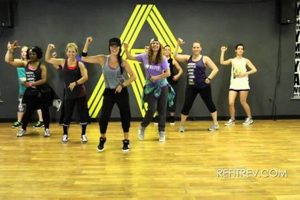
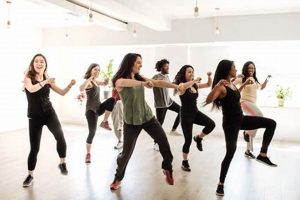
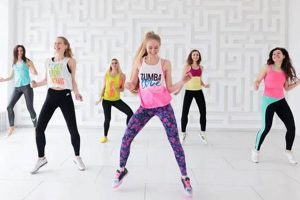
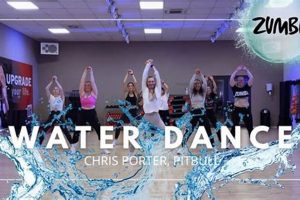
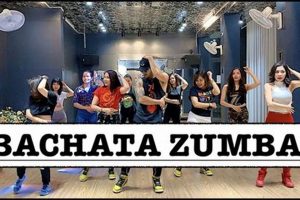
Simplified Zumba routines provide an accessible entry point to the popular dance fitness program. These modified sessions focus on basic steps and slower tempos, making them suitable for beginners, individuals with physical limitations, or those seeking a lower-intensity workout. For example, a simplified routine might replace complex salsa turns with basic side steps and incorporate modifications for squats to reduce impact on the joints.
Participation in beginner-friendly dance fitness offers numerous advantages, including improved cardiovascular health, increased muscle tone, and enhanced coordination. The approachable nature of these routines encourages consistent engagement, fostering a positive relationship with exercise. Historically, modifications of popular fitness trends have expanded accessibility to diverse populations, promoting overall well-being and inclusivity in health and wellness.
The following sections will delve into specific modifications used to simplify this fitness activity, explore adaptations for different fitness levels, and provide guidance on finding appropriate classes or resources.
Effective Strategies for Simplified Zumba Fitness
Engaging in a modified Zumba program can provide a positive fitness experience. The following guidelines can assist in maximizing the benefits of accessible dance fitness routines while minimizing potential risks.
Tip 1: Prioritize Foundational Movements: Focus on mastering basic steps before attempting complex choreography. This approach builds a solid foundation, improving coordination and reducing the risk of injury. For example, consistently practice the basic salsa step and the cumbia step before combining them.
Tip 2: Modify Intensity Levels: Adjust the range of motion and speed to suit individual fitness levels. Lower-impact options are available for many movements. Substitute jumps with steps, and reduce the depth of squats or lunges as needed.
Tip 3: Utilize Visual Learning Resources: Employ instructional videos and demonstrations to understand proper form and technique. Look for resources specifically designed for beginners or those seeking lower-intensity workouts.
Tip 4: Prioritize Proper Footwear: Select supportive athletic shoes that provide adequate cushioning and stability. Appropriate footwear reduces the risk of ankle and foot injuries.
Tip 5: Hydrate Consistently: Maintain adequate hydration before, during, and after sessions. Dehydration can lead to fatigue, muscle cramps, and decreased performance.
Tip 6: Listen to the Body: Pay attention to physical cues and avoid pushing beyond comfortable limits. Rest when needed and modify movements if pain or discomfort arises. Gradual progression is key.
Tip 7: Maintain a Controlled Pace: Execute routines at a deliberate and manageable speed. Rushing through movements can compromise form and increase the potential for injury. Focus on precision over speed.
These strategies emphasize safety, accessibility, and the importance of personalized adaptation. By focusing on foundational skills, appropriate intensity, and attentive self-monitoring, individuals can experience the enjoyment and benefits of dance fitness in a controlled and effective manner.
The subsequent sections will explore specific exercise modifications and safety precautions in greater detail.
1. Simplified Choreography

Simplified choreography represents a foundational element in accessible Zumba fitness, directly influencing the overall ease and enjoyment of the workout. The adaptation of complex dance routines into more manageable sequences allows a broader range of participants to engage effectively.
- Reduced Step Complexity
Simplified choreography eliminates intricate footwork and rapid transitions, focusing instead on foundational steps and repetitive movements. This approach reduces the cognitive load on participants, enabling them to concentrate on proper form and muscle engagement. For example, complex salsa patterns are replaced with basic side steps or grapevines, reducing the learning curve and minimizing the risk of missteps.
- Repetitive Movement Patterns
Simplified routines often incorporate repetitive movement patterns that are easy to memorize and execute. This predictability allows participants to anticipate upcoming steps, enhancing their confidence and coordination. For instance, a sequence might consist of four counts of stepping side-to-side, followed by four counts of arm raises, repeated several times within a song.
- Slower Tempo Adaptation
The tempo of the music is often adjusted to accommodate the simplified choreography. Slower tempos provide participants with more time to process and execute movements correctly, further reducing the risk of errors and injuries. A song that might be performed at 140 beats per minute in a regular Zumba class might be slowed down to 120 bpm in a simplified session.
- Focus on Foundational Rhythms
Simplified choreography emphasizes basic rhythms and dance styles, such as merengue, cumbia, and reggaeton. These rhythms are generally easier to learn and execute compared to more complex Latin dance forms. For example, the basic merengue step, which involves shifting weight from one foot to the other, is a common element in accessible dance fitness programs.
The implementation of these facets within simplified choreography directly contributes to the accessibility and effectiveness of introductory dance fitness. By reducing complexity, increasing predictability, and emphasizing foundational movements, these routines foster a positive and engaging experience for participants of all fitness levels.
2. Lowered Intensity

Lowered intensity serves as a crucial determinant in rendering Zumba accessible and manageable for a wider demographic. The reduction of physical exertion translates directly into increased participation and decreased risk of injury, particularly for individuals new to exercise or those with physical limitations. This modification involves decreasing the impact of movements, reducing the range of motion, and slowing the tempo of the routines. For example, jumping jacks may be replaced with step-outs, and deep squats may be modified to partial squats, substantially lowering the stress on joints and cardiovascular system.
The importance of lowered intensity extends beyond mere physical safety. It also promotes greater adherence to the exercise program. When routines are less demanding, participants are more likely to consistently engage over time, leading to sustained improvements in fitness and overall health. Furthermore, lowered intensity allows instructors to focus more on proper form and technique, which are essential for preventing injuries and maximizing the effectiveness of each movement. An example of this is prioritizing correct posture during core engagement exercises rather than pushing for a high number of repetitions at the expense of form.
In summation, the deliberate lowering of intensity within modified Zumba routines provides a pragmatic approach to promoting inclusivity and long-term engagement in physical activity. By carefully adjusting exercise parameters, accessible programs can cater to a diverse range of fitness levels, creating a supportive environment where individuals can experience the benefits of dance fitness without undue risk or strain. This strategic adaptation addresses the core challenges of exercise adherence and injury prevention, thereby strengthening the appeal and efficacy of the activity.
3. Basic Steps Emphasis
Basic step emphasis forms a cornerstone of accessible dance fitness programs, directly influencing the overall experience and efficacy of activities such as introductory Zumba. The integration of fundamental movements simplifies choreography, rendering it more approachable for individuals with varying fitness levels and movement capabilities. This strategy addresses a common barrier to entry, particularly for those unfamiliar with complex dance routines. For example, instead of immediately introducing intricate salsa turns, a session might focus on mastering the basic merengue step or the cumbia side-to-side motion.
The significance of this approach extends beyond mere simplification. Prioritizing basic steps enables participants to develop a solid foundation in rhythm and coordination. This foundation serves as a prerequisite for progressing to more challenging routines. Furthermore, a focus on fundamental movements minimizes the risk of injury. When participants understand and execute basic steps correctly, they are less likely to perform movements with improper form, thereby reducing strain on joints and muscles. One practical application of this principle is the deliberate segmentation of movements, where each element is taught and practiced in isolation before being combined into a cohesive sequence.
In conclusion, emphasizing basic steps in simplified dance fitness is essential for promoting accessibility, building a solid foundation, and minimizing the risk of injury. This strategy represents a pragmatic approach to inclusive fitness. This focus is a primary factor in determining the degree of accessibility for participants. By initially prioritizing the acquisition of key movements, introductory-level programs can foster a more positive and sustainable relationship with exercise.
4. Gradual Progression

Gradual progression constitutes a critical element within the framework of accessible dance fitness. The methodical increase in exercise intensity and complexity allows individuals to adapt safely and effectively to the physical demands of the activity. In the context of modified Zumba routines, this principle manifests as a structured introduction of new steps and choreography, ensuring participants are not overwhelmed. For example, a beginner program might commence with routines consisting of only a few basic steps, gradually introducing additional movements as participants gain proficiency. Failure to implement this progressive approach can lead to participant discouragement, increased risk of injury, and reduced adherence to the program.
The implementation of gradual progression necessitates careful consideration of several factors, including the participants’ initial fitness levels, coordination skills, and learning capabilities. Instructors often employ methods such as breaking down complex movements into smaller, more manageable components and providing ample opportunity for practice and repetition. Progress might involve an increase in tempo, a greater range of motion, or the integration of more challenging steps. However, these changes should be implemented incrementally, allowing sufficient time for participants to adapt and master each new skill. A real-world application would be starting with a routine where arm movements are isolated, then integrated with basic footwork after the participants are comfortable with each individual element.
In summary, gradual progression is essential for fostering a positive and sustainable engagement with accessible Zumba routines. By thoughtfully and systematically increasing the demands of the activity, instructors can help participants build confidence, improve their fitness levels, and minimize the risk of injury. The successful application of this principle requires a nuanced understanding of individual capabilities and a commitment to providing a supportive and encouraging learning environment. This thoughtful adaptation of fitness activities ensures broader participation and enhances long-term health outcomes.
5. Modified Movements

Modified movements constitute a central determinant in the accessibility and efficacy of simplified Zumba routines. The adaptations serve to reduce the physical demands of standard choreography, rendering it suitable for individuals with varying fitness levels, physical limitations, or lack of prior dance experience. The causal relationship between the implementation of modified movements and increased participation in dance fitness is substantial. The adaptation of exercises is not arbitrary; rather, it is a deliberate strategy to mitigate the risk of injury, promote inclusivity, and enhance long-term adherence to the fitness program. For example, a standard Zumba routine might include high-impact jumps or rapid turns, which could pose challenges for individuals with joint pain or limited mobility. In a simplified class, these movements could be replaced with low-impact alternatives, such as step-outs or gentle swaying motions, thereby minimizing stress on the joints while still providing a cardiovascular workout.
The practical significance of understanding the role of modified movements in Zumba lies in the ability to tailor workouts to individual needs and preferences. Instructors, therefore, must have a comprehensive understanding of movement modifications and their potential impact on exercise intensity and effectiveness. Further, participants should be empowered to self-modify movements based on their own physical capabilities and limitations. For example, an individual experiencing knee pain during a squat might reduce the depth of the squat or perform a wall sit instead. Such adaptations can be communicated clearly with visual or verbal cues so that all participants can follow the modifications with clear and understandable ways. Another example could be for the instructors to show multiple levels of variations of a single movement so all participant could do a routine with their own pace and abilities.
In summary, the implementation of modified movements is fundamental to the accessibility and inclusivity of beginner-friendly Zumba. The adaptation not only reduces the risk of injury and promotes participation, but it also facilitates personalized workouts that accommodate diverse physical capabilities. Effective utilization of movement modifications necessitates a collaborative approach between instructors and participants, ensuring that exercises are both safe and beneficial. This adaptation ensures the activity remains an accessible and enjoyable option for those seeking a low-impact, beginner-friendly dance fitness experience.
Frequently Asked Questions
The following addresses common inquiries regarding modified dance fitness routines, providing clarity on core aspects and practical considerations.
Question 1: What defines a Zumba routine as “easy”?
Accessibility in dance fitness routines is characterized by simplified choreography, reduced intensity, and an emphasis on foundational movements. Complex steps are minimized, tempo is reduced, and modifications are provided to accommodate varying fitness levels.
Question 2: Is accessible Zumba fitness effective for weight loss?
When combined with a balanced diet, modified dance fitness can contribute to weight loss. The caloric expenditure depends on the intensity and duration of the workout, as well as individual metabolism. Consistency is a key factor in achieving measurable results.
Question 3: Are there specific medical conditions that preclude participation in simplified Zumba?
Individuals with pre-existing medical conditions, such as cardiovascular issues, musculoskeletal problems, or balance impairments, should consult with a healthcare professional before commencing any new exercise program. Adaptations may be necessary to ensure safety.
Question 4: What type of footwear is recommended for accessible Zumba fitness?
Supportive athletic shoes with adequate cushioning and non-slip soles are recommended. High-impact or minimalist footwear should be avoided, as they may increase the risk of injury. Cross-training shoes are generally a suitable option.
Question 5: How frequently should one engage in modified dance fitness routines to see results?
A frequency of three to five sessions per week, lasting at least 30 minutes each, is generally recommended. Consistency is crucial for improving cardiovascular health, muscle tone, and overall fitness. Gradual increases in duration and intensity can be implemented as fitness levels improve.
Question 6: What are common indicators of overexertion during a simplified Zumba class?
Indicators of overexertion include excessive shortness of breath, chest pain, dizziness, nausea, and muscle cramping. Participants should cease activity immediately and seek medical attention if these symptoms occur. Modifications may be necessary in subsequent sessions.
These FAQs provide a foundational understanding of modified dance fitness, emphasizing the importance of safety, personalization, and informed participation.
The subsequent section will delve into resources available for finding classes and further information.
Concluding Remarks
The preceding analysis has explored the core elements that define accessible dance fitness programs. Simplified choreography, lowered intensity, emphasis on basic steps, gradual progression, and modified movements collectively create an environment conducive to wider participation. The strategic application of these principles is essential for maximizing benefits and mitigating potential risks. Furthermore, an understanding of frequently asked questions regarding safety, effectiveness, and appropriate footwear underscores the importance of informed participation.
The continued development and promotion of inclusive dance fitness initiatives is critical for fostering public health and well-being. Accessible programs, such as those detailed herein, represent a valuable resource for individuals seeking enjoyable and sustainable methods of physical activity. Ongoing research and refinement of these programs are warranted to further enhance their efficacy and accessibility, ultimately contributing to a healthier and more active population.