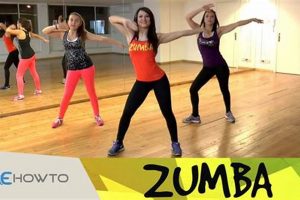
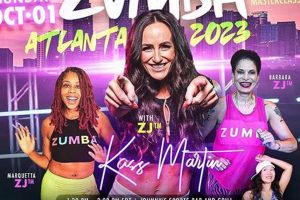
This form of exercise represents the convergence of a popular Latin-inspired dance workout with the convenience of a home environment. Individuals can now participate in engaging fitness routines without the need for a gym membership or scheduled classes. For example, individuals may choose to follow online instructional videos in their living rooms, adapting the intensity and duration to fit their personal schedules and fitness levels.
The significance of this accessible fitness option lies in its potential to improve cardiovascular health, enhance coordination, and elevate mood through rhythmic movement and music. Historically, such readily available and diverse workout programs were limited, often requiring specialized equipment or expert guidance. However, the proliferation of digital platforms and readily accessible content has democratized fitness, allowing wider participation across various demographics.
Subsequently, this article will explore different formats of available programs, equipment, required, safety considerations and effective strategies for maximizing results. This examination will provide a thorough understanding of how individuals can leverage the elements of enjoyable exercise within the comfort of their own dwellings.
Maximizing the Effectiveness of Home-Based Dance Fitness Programs
The following suggestions offer practical guidance for optimizing the benefits and ensuring the safety of dance fitness activities undertaken at home.
Tip 1: Establish a Dedicated Workout Space. Designate a specific area, clear of obstacles, that allows for unrestricted movement. Ensure adequate space to perform steps in all directions without risk of collision or injury.
Tip 2: Invest in Supportive Footwear. Select athletic shoes that provide sufficient cushioning and lateral support. Proper footwear minimizes the risk of ankle or foot injuries, which are common during high-impact activities.
Tip 3: Prioritize Proper Hydration. Maintain adequate fluid intake before, during, and after each session. Dehydration can lead to fatigue, muscle cramps, and decreased performance. Keep water readily available during the workout.
Tip 4: Monitor Intensity Levels. Pay close attention to physical cues, such as breathing rate and heart rate, to avoid overexertion. Modify steps or take breaks as needed to maintain a manageable level of exertion throughout the session.
Tip 5: Incorporate a Warm-Up and Cool-Down. Begin each session with a dynamic warm-up to prepare muscles for activity. Conclude with static stretching to improve flexibility and reduce muscle soreness. A structured warm-up and cool-down can significantly reduce the risk of injury.
Tip 6: Utilize Mirrors for Form Correction. Employ mirrors to observe and correct body alignment. Proper form is essential for maximizing the effectiveness of each movement and minimizing the risk of musculoskeletal strain.
Tip 7: Diversify Routines Regularly. To prevent plateaus and maintain engagement, vary the routines and musical styles. Introducing new challenges keeps the body adapting and prevents boredom.
Adherence to these guidelines enhances both the safety and efficacy of dance fitness performed in a home setting, allowing individuals to achieve their fitness goals with reduced risk of injury and increased enjoyment.
The subsequent section will provide further information about tailoring a dance fitness approach to meet individual needs and capabilities.
1. Space Optimization

Within the context of at-home dance fitness, space optimization constitutes a critical determinant of both efficacy and safety. Inadequate space directly impacts the range of motion achievable during routines, potentially limiting the ability to execute movements correctly and fully. This, in turn, reduces the intended fitness benefits. Furthermore, insufficient clearance increases the likelihood of accidental collisions with furniture or other obstructions, posing a tangible risk of injury. For instance, a living room cluttered with objects may restrict lateral movement, preventing the proper execution of side steps and pivots common in dance fitness exercises. A clear, dedicated area, free from impediments, is therefore essential.
The ramifications of space constraints extend beyond immediate physical safety. Limited maneuverability can psychologically impede engagement and motivation. Individuals may become hesitant to fully commit to movements if they are constantly concerned about bumping into objects. Optimizing space involves identifying a suitable area and proactively removing potential hazards. Rearranging furniture, securing loose rugs, and ensuring adequate overhead clearance are practical steps toward creating a safer and more conducive workout environment. This preparation allows individuals to focus on the exercise itself, enhancing the overall experience and maximizing the potential fitness outcomes.
In conclusion, space optimization is not merely a matter of convenience; it is a fundamental element of successful and safe implementation of at-home dance fitness programs. Neglecting this aspect can directly compromise the effectiveness of the workout and significantly elevate the risk of injury. By prioritizing the creation of a dedicated and unobstructed space, individuals can cultivate a more rewarding and sustainable fitness practice within the confines of their homes. The challenge lies in adapting existing living spaces to meet the requirements of dynamic movement, requiring thoughtful planning and proactive hazard mitigation.
2. Music Selection

Music selection is integral to the effectiveness of at-home dance fitness programs. The rhythmic structure and tempo of music dictate the pace and intensity of movement, directly influencing cardiovascular exertion and calorie expenditure. Music with a consistent, upbeat tempo promotes sustained physical activity, allowing individuals to maintain a higher level of engagement for longer periods. Conversely, poorly chosen music may lead to decreased motivation and premature cessation of the workout. For example, a program utilizing slow, melancholic music would be less effective in sustaining the energetic movements inherent in dance-based fitness, compared to one employing high-energy Latin rhythms.
Furthermore, the cultural relevance and personal preference related to music can significantly impact adherence to an at-home fitness regimen. Music that resonates with an individual’s cultural background or personal taste fosters a sense of enjoyment and connection, thereby increasing the likelihood of consistent participation. The absence of such a connection may lead to disinterest and abandonment of the program. Consider a scenario where a fitness routine incorporates music styles unfamiliar or unappealing to the participant. The resulting disconnect may diminish the intrinsic motivation associated with the activity, undermining the long-term sustainability of the program. Therefore, providing diverse musical options catering to individual preferences becomes a key component.
In summary, the deliberate selection of music constitutes a critical element in the design and implementation of dance-based fitness programs intended for use within a domestic environment. Careful attention to tempo, rhythm, and cultural relevance is essential to maximize engagement, promote consistent participation, and ultimately, achieve the desired fitness outcomes. The challenge lies in balancing scientific considerations with individual preferences to cultivate a program that is both effective and enjoyable, recognizing that music serves as a crucial motivator and facilitator of physical activity.
3. Proper Footwear

The selection of appropriate footwear is a paramount consideration when engaging in dance fitness activities within the home. The nature of dance-based exercise, characterized by rapid lateral movements, high-impact steps, and frequent changes in direction, places considerable stress on the feet, ankles, and lower extremities. Consequently, unsuitable footwear can significantly elevate the risk of injury and diminish overall performance.
- Ankle Support and Stability
Footwear that provides adequate ankle support is essential to mitigate the risk of sprains and strains. High-top sneakers or cross-training shoes with reinforced ankle support can enhance stability during lateral movements and rapid directional changes. For instance, performing a grapevine step in shoes lacking ankle support increases the susceptibility to ankle inversion, a common mechanism of injury in dance fitness activities.
- Cushioning and Impact Absorption
The repetitive impact forces generated during jumping and landing phases necessitate footwear with sufficient cushioning to protect the joints. Insufficient cushioning can lead to stress fractures, plantar fasciitis, and other overuse injuries. Shoes with gel or foam cushioning in the midsole can effectively absorb impact forces, reducing stress on the lower extremities. An example is the difference in impact experienced when landing from a jump in a heavily cushioned athletic shoe versus a minimalist, flat-soled shoe.
- Traction and Grip
Adequate traction is crucial for maintaining balance and preventing slips and falls, particularly on smooth indoor surfaces. Shoes with non-slip rubber outsoles provide enhanced grip, allowing for confident execution of dance steps and turns. A lack of proper traction can result in instability and an increased risk of falls, particularly during fast-paced sequences involving pivoting and turning movements. Consider the difference between attempting a spin on a hardwood floor in athletic shoes with good grip versus socks; the former offers significantly more stability.
- Flexibility and Range of Motion
While support is important, footwear should also allow for sufficient flexibility to enable a natural range of motion in the foot. Overly rigid shoes can restrict movement and lead to compensatory strain in other areas of the body. Shoes with a flexible forefoot allow the foot to bend and flex naturally during dance movements, reducing stress on the joints and muscles. The ability to comfortably perform a pli in proper dance fitness shoes, compared to stiff street shoes, demonstrates the importance of flexibility.
In summation, the selection of proper footwear for at-home dance fitness is not a trivial matter but a critical determinant of safety and performance. By prioritizing ankle support, cushioning, traction, and flexibility, individuals can significantly reduce the risk of injury and enhance their overall experience. Neglecting this aspect can undermine the benefits of the workout and potentially lead to musculoskeletal complications.
4. Intensity Adjustment

The practice of tailoring the exertion level during dance fitness routines performed within a home setting is crucial for maximizing benefits while minimizing risks. This process directly influences physiological responses, including heart rate elevation and caloric expenditure, thus determining the effectiveness of the workout. Inadequate intensity may yield insufficient cardiovascular stimulation, limiting potential improvements in aerobic capacity. Conversely, excessive intensity can increase the likelihood of musculoskeletal injuries and cardiovascular strain. For example, an individual with limited exercise experience attempting to replicate the movements of an advanced-level instructional video at full speed may quickly exceed their physical capacity, leading to exhaustion or injury.
Effective adjustment hinges on self-awareness and a deliberate modification of exercise parameters. These parameters include the amplitude of movements, the speed of repetitions, and the duration of active periods relative to rest intervals. An individual may reduce intensity by decreasing the range of motion during steps, slowing the tempo of the routine, or incorporating more frequent breaks. Another method involves adapting the footwork to lower-impact variations, such as substituting jumping jacks with step-outs. Monitoring physiological cues, such as breathing rate and perceived exertion, provides valuable feedback. The ability to modify intensity dynamically allows participants to tailor the workout to their current fitness level and adapt to variations in energy levels. A pregnant individual, for instance, may modify routines to reduce the impact on joints and accommodate changes in balance.
In conclusion, intensity adjustment constitutes a fundamental element of safe and effective dance fitness practice at home. This active modulation of exertion levels allows individuals to personalize routines to match their capabilities and mitigate the potential for adverse events. The ability to listen to the body and make informed modifications is critical for sustaining long-term participation and realizing the health benefits associated with this form of exercise. Understanding the interplay between individual fitness level, exercise parameters, and physiological response forms the basis for a safe and rewarding dance fitness journey.
5. Routine Variety
Within the context of dance fitness performed at home, routine variety directly impacts long-term adherence and sustained physiological adaptation. Monotony in exercise, characterized by repetitive execution of the same movements and sequences, leads to diminished engagement and reduced training stimulus. Consequently, individuals may experience decreased motivation and plateauing of fitness gains. Dance fitness, by its nature, offers inherent potential for diverse choreography and musical styles; however, realizing this potential requires deliberate planning and implementation. For instance, consistently performing the same Zumba routine three times per week will initially yield positive results but eventually become less effective as the body adapts to the specific demands of that routine. The physiological benefit diminishes, and the psychological appeal wanes.
The strategic incorporation of novel movement patterns, varying intensity levels, and diverse musical genres provides a continuous challenge to the neuromuscular and cardiovascular systems. Introducing new steps, incorporating interval training principles, or shifting from Latin rhythms to hip-hop influences can disrupt physiological adaptation and stimulate further improvements in fitness. Practical application involves actively seeking out new online classes, substituting existing routines with updated versions, or modifying familiar steps to increase complexity or challenge. Furthermore, the inclusion of different instructors or fitness personalities can introduce varied teaching styles and choreography, enhancing the overall experience. Consider the individual who alternates between high-energy Zumba sessions, core-focused routines, and flexibility-oriented dance workouts. This individual is more likely to maintain engagement and experience well-rounded fitness benefits compared to someone who adheres rigidly to a single, unchanging program.
In summary, routine variety is not merely a desirable attribute but a fundamental requirement for maximizing the benefits of dance fitness within the home environment. The proactive incorporation of new movements, varying intensities, and diverse musical styles sustains physiological adaptation, enhances engagement, and promotes long-term adherence. The challenge lies in systematically integrating these elements into a personalized program that aligns with individual preferences and fitness goals. A failure to address this element can undermine the sustainability of the exercise program and compromise the realization of potential health benefits.
6. Safety Awareness

Safety awareness in dance fitness conducted within domestic environments is paramount due to the inherent risks associated with unsupervised exercise. Unlike structured gym settings where trained professionals provide guidance and immediate assistance, individuals practicing dance fitness at home assume complete responsibility for their well-being. The potential consequences of neglecting safety protocols range from minor musculoskeletal strains to severe injuries, emphasizing the critical nature of proactive risk mitigation.
One significant aspect of safety awareness involves recognizing and addressing potential hazards within the workout space. These hazards may include inadequate space, slippery flooring, unstable furniture, or insufficient lighting. Failure to identify and mitigate such risks increases the likelihood of accidents. For instance, performing dynamic movements near sharp-edged furniture or on a surface with poor traction can lead to collisions or falls. Furthermore, understanding and heeding personal physical limitations is crucial. Progressing too rapidly in intensity or attempting complex movements beyond one’s current capabilities can result in overexertion or injury. Real-life examples include individuals attempting advanced jumps or turns without adequate conditioning, leading to ankle sprains or knee injuries. By contrast, awareness of personal limitations prompts modifications of movements and gradual progression, thereby reducing the risk of injury. Moreover, recognizing the symptoms of overexertion or dehydration, and promptly addressing these issues, exemplifies effective safety awareness.
In summation, a high degree of safety awareness is indispensable for individuals engaging in dance fitness within the home. Proactive identification and mitigation of environmental hazards, coupled with careful attention to personal physical limitations and physiological cues, promote a safe and sustainable exercise practice. The practical significance of this understanding lies in the reduced risk of injury, enhanced enjoyment of the activity, and improved long-term adherence to fitness goals. A commitment to safety awareness transforms dance fitness at home from a potentially hazardous endeavor into a beneficial and sustainable element of a healthy lifestyle.
Frequently Asked Questions
The following section addresses common inquiries regarding the implementation of Zumba fitness routines within a home environment. These questions aim to clarify best practices and address potential concerns.
Question 1: Is prior dance experience required to participate effectively?
Prior dance experience is not a prerequisite. Routines are typically designed to be accessible to individuals of varying fitness levels and movement capabilities. Modification of steps allows beginners to gradually increase their proficiency.
Question 2: What is the optimal frequency and duration of sessions for noticeable results?
A frequency of three to five sessions per week, with each session lasting between 30 and 60 minutes, is generally recommended for achieving noticeable improvements in cardiovascular fitness and body composition. Consistency is paramount.
Question 3: Are specialized equipment or accessories essential for participation?
Specialized equipment is not essential; however, appropriate athletic footwear is highly recommended to minimize the risk of injury. Hand weights can be optionally incorporated to enhance resistance training.
Question 4: How can potential noise concerns be mitigated in apartment settings?
Noise concerns can be mitigated by utilizing impact-absorbing mats, selecting lower-impact modifications of steps, and being mindful of workout times to avoid disturbing neighbors.
Question 5: What are the key indicators of overexertion during a session?
Key indicators of overexertion include excessive shortness of breath, dizziness, chest pain, and muscle cramping. Should any of these symptoms occur, the workout should be immediately discontinued.
Question 6: How can motivation be maintained over the long term?
Motivation can be sustained by incorporating routine variety, setting realistic fitness goals, tracking progress, and engaging with online communities for support and encouragement.
In summary, successful integration involves adherence to best practices, careful attention to individual limitations, and a commitment to sustained effort. While accessibility is a key feature, a responsible approach is essential for optimizing results and minimizing risks.
The subsequent section will provide guidance on adapting this form of fitness to address specific health conditions and individual needs.
Conclusion
This exploration of Zumba fitness at home has highlighted crucial factors for safe and effective implementation. These factors encompass space optimization, suitable music selection, appropriate footwear, intensity adjustment, routine variety, and safety awareness. Attention to these elements promotes a sustainable and beneficial exercise practice. Adherence to these guidelines enhances both the safety and efficacy of dance fitness performed in a home setting, allowing individuals to achieve their fitness goals with reduced risk of injury and increased enjoyment.
The integration of engaging exercise routines into the domestic environment presents both opportunities and challenges. The long-term success of Zumba fitness at home hinges on a commitment to responsible practice, personalized adaptation, and consistent monitoring of progress. Continued diligence will yield substantial and lasting benefits.