The core of this discussion centers around the advantages derived from participating in Zumba instruction. These advantages encompass various aspects of physical and mental well-being, representing a holistic approach to fitness. As an example, one such advantage is the improvement of cardiovascular health through rhythmic movements.
Participation in Zumba provides several key enhancements. Firstly, it promotes cardiovascular fitness through aerobic exercise. Secondly, it can contribute to weight management by burning calories. Thirdly, the social aspect of group classes fosters a sense of community and can improve mental well-being. Historically, Zumba has evolved from a dance-based fitness program to a popular and accessible form of exercise enjoyed by individuals of diverse ages and fitness levels.
The following sections will delve deeper into the specific physical, mental, and social gains associated with regular Zumba participation, providing a comprehensive overview of its impact on overall health and fitness.
Enhancing Outcomes Through Zumba Instruction
The following outlines several strategies to optimize the experience and maximize the positive outcomes associated with Zumba instruction.
Tip 1: Prioritize Proper Form. Maintaining correct posture and movement technique is crucial to prevent injuries and ensure that targeted muscle groups are effectively engaged. Consult with the instructor for personalized guidance.
Tip 2: Hydrate Adequately. Zumba sessions involve significant physical exertion. Consuming sufficient water before, during, and after each session is essential for maintaining performance and preventing dehydration.
Tip 3: Wear Appropriate Attire. Comfortable, breathable clothing and supportive athletic shoes are vital for unrestricted movement and injury prevention. Footwear should provide adequate cushioning and stability.
Tip 4: Listen to the Body’s Signals. Individuals should be attentive to any signs of discomfort or pain. Modifying movements or taking breaks as needed prevents overexertion and potential injuries.
Tip 5: Gradually Increase Intensity. New participants should begin at a moderate pace and progressively increase the intensity and duration of sessions. This allows the body to adapt and reduces the risk of strain.
Tip 6: Combine with a Balanced Diet. Maximizing the weight management potential requires complementing regular Zumba sessions with a healthy and balanced diet. Prioritize nutrient-rich foods and manage caloric intake.
Tip 7: Attend Regularly. Consistent participation yields the most significant and sustained improvements in physical fitness, cardiovascular health, and overall well-being. Establish a routine that promotes adherence.
These strategies, when implemented consistently, contribute to a more effective and enjoyable experience. Adherence to these guidelines enhances the potential for positive physical and mental health outcomes.
The subsequent sections will provide concluding remarks, reinforcing the overall value proposition of Zumba and suggesting future avenues for exploration.
1. Cardiovascular Improvement

Cardiovascular improvement is a primary and significant component of the overall gains derived from Zumba participation. The inherent nature of Zumba, characterized by rhythmic and sustained aerobic activity, directly contributes to the strengthening of the cardiovascular system. The increased heart rate and enhanced blood circulation, elicited by Zumba routines, provide a stimulus for the heart muscle to become more efficient in pumping blood, thereby improving overall cardiovascular health. For example, individuals with sedentary lifestyles who incorporate regular Zumba sessions often experience a reduction in resting heart rate and improved blood pressure levels.
The importance of cardiovascular improvement extends beyond basic fitness metrics. Improved cardiovascular function reduces the risk of developing various cardiovascular diseases, including coronary artery disease, stroke, and hypertension. Moreover, enhanced cardiovascular health contributes to increased stamina and endurance, allowing individuals to engage in physical activities for longer durations without experiencing undue fatigue. In a practical context, consider an individual who previously struggled with shortness of breath during routine activities; consistent Zumba participation can gradually improve their cardiovascular capacity, enabling them to perform these activities with greater ease and comfort. Another practical application is improved endurance and cardiovascular health leading to better performance in other types of physical activities.
In summary, the connection between cardiovascular improvement and the broader benefits of Zumba classes is direct and substantial. The aerobic nature of Zumba provides a potent stimulus for cardiovascular adaptation, resulting in improved heart function, reduced disease risk, and enhanced physical capacity. Understanding this connection underscores the value of Zumba as a viable option for individuals seeking to improve their cardiovascular health and overall well-being.
2. Weight Management

Weight management constitutes a significant aspect of the advantages derived from Zumba instruction. The vigorous nature of Zumba classes results in a substantial caloric expenditure, which, when combined with a balanced dietary intake, creates a caloric deficit conducive to weight loss. Moreover, the repetitive movements inherent in Zumba contribute to increased muscle mass, which elevates the basal metabolic rate, further facilitating weight management. For example, an individual consistently attending Zumba sessions may experience a reduction in body fat percentage and an increase in lean muscle mass over a period of several weeks, ultimately leading to sustainable weight reduction.
The importance of weight management as a component of the advantages associated with Zumba lies in its multifaceted impact on overall health. Maintaining a healthy weight reduces the risk of developing several chronic conditions, including type 2 diabetes, cardiovascular disease, and certain types of cancer. Beyond the physiological benefits, successful weight management often leads to improved self-esteem and enhanced psychological well-being. A practical application of this understanding is the use of Zumba as a complementary strategy for individuals undergoing medically supervised weight loss programs. The physical activity provided by Zumba can augment the effectiveness of dietary interventions, leading to more favorable outcomes. Another example is that regularly attending Zumba sessions alongside other weight-loss routines can improve weight management results.
In summary, the relationship between weight management and the benefits of Zumba instruction is demonstrably significant. The high-intensity nature of Zumba classes promotes caloric expenditure and muscle development, both of which are essential for effective weight management. Understanding this relationship underscores the value of Zumba as a viable option for individuals seeking to achieve and maintain a healthy weight and to mitigate the risks associated with obesity. While challenges may exist, such as adhering to a consistent exercise schedule and maintaining a balanced diet, the benefits of Zumba for weight management are substantial and contribute to a broader spectrum of health improvements.
3. Stress Reduction

Stress reduction constitutes a valuable aspect of the overall advantages derived from engaging in Zumba classes. The rhythmic movements and energetic music inherent in Zumba stimulate the release of endorphins, natural mood elevators that counteract the physiological effects of stress. The focus required to follow the choreography also diverts attention from daily stressors, providing a temporary escape and mental respite. For example, individuals experiencing high levels of work-related stress may find that attending Zumba sessions provides a significant reduction in anxiety and an improved sense of well-being. The activity diverts mental focus, minimizing rumination on stressful triggers.
The importance of stress reduction as a component of Zumba’s benefits lies in its positive impact on both mental and physical health. Chronic stress is associated with a range of health problems, including elevated blood pressure, weakened immune function, and increased risk of cardiovascular disease. By mitigating stress levels, Zumba contributes to improved overall health and resilience. A practical application of this benefit is the incorporation of Zumba into workplace wellness programs. Employers recognizing the detrimental effects of stress on employee productivity and well-being can offer Zumba classes as a proactive measure to promote a healthier and more balanced work environment. Zumba also serves as a viable option for individuals seeking non-pharmacological approaches to managing anxiety and mild depression, providing a structured and enjoyable outlet for emotional expression and physical activity.
In summary, the connection between stress reduction and the benefits of Zumba classes is substantive and multifaceted. The combination of physical activity, rhythmic movement, and engaging music creates a potent stress-reducing effect, contributing to improved mental and physical well-being. While challenges related to time commitment and individual preferences may exist, the potential for stress reduction through Zumba is undeniable. Understanding this relationship reinforces the value of Zumba as a holistic fitness option that addresses both physical and mental health needs, promoting a comprehensive approach to well-being.
4. Muscle Toning

Muscle toning represents a significant physical adaptation resulting from participation in Zumba classes. This adaptation contributes to improvements in body composition, strength, and overall physical function, enhancing the individual’s capacity for daily activities and reducing the risk of injury.
- Full-Body Engagement
Zumba routines incorporate movements that engage multiple muscle groups simultaneously, including the core, legs, and arms. This full-body engagement promotes balanced muscle development and contributes to overall muscle toning. For example, a Zumba routine might include squats, lunges, and arm movements, all performed in coordination with the music and dance steps. These exercises collectively target major muscle groups, leading to improved muscle tone and definition. The consistent engagement helps build lean muscle mass and improves overall physique.
- Increased Muscle Endurance
The sustained nature of Zumba classes, often lasting 45-60 minutes, promotes increased muscle endurance. Repeatedly performing the movements requires the muscles to work continuously, improving their ability to sustain effort over time. Individuals may notice an increase in their capacity to perform repetitive tasks without experiencing fatigue, such as climbing stairs or carrying groceries. This enhanced muscular endurance contributes to improved overall physical stamina and a reduction in the perception of exertion during everyday activities.
- Core Strengthening
Many Zumba routines emphasize movements that engage the core muscles, including the abdominals, obliques, and lower back. A strong core is essential for maintaining good posture, preventing lower back pain, and improving balance and stability. Examples of core-engaging movements in Zumba include twisting motions, hip movements, and controlled abdominal contractions. Strengthening the core muscles through Zumba can lead to improved posture, reduced risk of lower back injuries, and enhanced overall physical function.
- Improved Body Composition
While Zumba is primarily a cardiovascular activity, it also contributes to improved body composition by increasing muscle mass and reducing body fat. The combination of caloric expenditure and muscle stimulation leads to a leaner and more toned physique. Individuals who consistently participate in Zumba classes often experience a reduction in body fat percentage and an increase in lean muscle mass, resulting in a more favorable body composition profile. The addition of lean muscle tissue also increases the basal metabolic rate, which aids in long-term weight management.
The benefits of muscle toning extend beyond aesthetic improvements. Enhanced muscle strength and endurance contribute to improved physical function, reduced risk of injury, and increased overall quality of life. The engagement of core muscles promotes better posture and stability, mitigating the risk of back pain. Zumba classes, therefore, provide a comprehensive approach to muscle toning by engaging multiple muscle groups, improving endurance, strengthening the core, and contributing to a more favorable body composition.
5. Coordination Enhancement
Coordination enhancement represents a significant neurological and physical benefit arising from regular participation in Zumba classes. The intricate dance steps and rhythmic movements inherent in Zumba necessitate the synchronized activation of multiple muscle groups, demanding a high degree of neural communication and motor control. This continuous interplay between the brain and the body stimulates the development of new neural pathways and strengthens existing ones, leading to improved coordination. For example, an individual initially struggling to synchronize their arm and leg movements during a complex Zumba routine often experiences a gradual improvement in coordination over time, demonstrating the neuroplasticity stimulated by the activity. The consistent practice promotes greater efficiency in motor skill execution.
The importance of coordination enhancement as a component of Zumba’s overall benefits lies in its impact on daily functioning and injury prevention. Improved coordination enhances the ability to perform everyday tasks with greater ease and precision, from navigating crowded spaces to participating in other forms of physical activity. Furthermore, enhanced coordination reduces the risk of falls and injuries by improving balance, reaction time, and spatial awareness. A practical application of this benefit is the utilization of Zumba as a therapeutic intervention for individuals recovering from neurological conditions or motor impairments. The structured movements and rhythmic patterns in Zumba can aid in the rehabilitation of motor skills and the restoration of coordination. Another practical application is its utility in improving athletic performance in other domains requiring precise motor control.
In summary, the relationship between coordination enhancement and the benefits of Zumba classes is direct and impactful. The demanding choreography of Zumba promotes neural plasticity and strengthens motor control, leading to improved coordination and enhanced physical function. While challenges related to initial difficulty with the steps or physical limitations may exist, the potential for coordination enhancement through Zumba is substantial. Understanding this relationship underscores the value of Zumba as a holistic fitness option that addresses both physical and neurological aspects of well-being. The cognitive engagement required during Zumba contributes to enhanced neural function. This positions Zumba as a tool beyond mere physical exercise, capable of promoting comprehensive health improvements.
6. Social Interaction

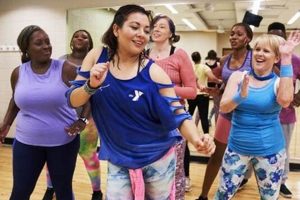
Social interaction is a notable component of the overall benefits derived from participation in Zumba classes. The group fitness environment fosters a sense of community and camaraderie among participants. This shared experience can lead to the formation of new social connections and the strengthening of existing relationships, contributing to improved social well-being. For example, individuals new to a community or seeking to expand their social circle may find that Zumba classes provide a structured and supportive environment for meeting like-minded individuals. The shared activity of learning and performing dance routines creates a common ground for interaction, facilitating the development of friendships and social support networks. The routine creates a sense of collective effort and shared accomplishment.
The importance of social interaction as a component of Zumba’s benefits lies in its positive impact on mental and emotional health. Social isolation and loneliness are associated with an increased risk of depression, anxiety, and other mental health problems. Engaging in social activities, such as Zumba classes, can mitigate these risks by providing opportunities for social connection and support. A practical application of this benefit is the incorporation of Zumba into programs designed to promote social inclusion and combat social isolation among vulnerable populations, such as seniors or individuals with disabilities. The group fitness format can provide a sense of belonging and purpose, improving overall quality of life. Zumba can also serve as a conduit for broader community engagement, leading to participation in other social activities and volunteer opportunities.
In summary, the relationship between social interaction and the benefits of Zumba classes is significant and contributes to holistic well-being. The group fitness environment fosters a sense of community and provides opportunities for social connection, which can improve mental and emotional health. While challenges related to individual social anxieties or logistical barriers may exist, the potential for social enrichment through Zumba is undeniable. Understanding this relationship reinforces the value of Zumba as a fitness option that addresses both physical and social needs, promoting a comprehensive approach to health. Zumba serves a purpose beyond physical fitness, offering an avenue for increased social engagement that provides mental and emotional support.
7. Increased energy

Increased energy levels are a frequently reported benefit associated with regular Zumba participation. This enhancement extends beyond mere physical stamina, influencing cognitive function and overall vitality. The phenomenon is multifaceted, arising from a combination of physiological and psychological factors stimulated by the Zumba experience.
- Enhanced Cardiovascular Function
Zumba’s aerobic nature strengthens the cardiovascular system, improving the efficiency of oxygen delivery to tissues and organs. Enhanced oxygenation directly impacts energy production at the cellular level. Increased blood flow helps fuel both physical and cognitive processes. For example, an individual experiencing chronic fatigue may find that regular Zumba participation reduces their perceived level of tiredness, enabling them to engage more fully in daily activities. Cardiovascular improvements provide a tangible energy boost.
- Endorphin Release and Mood Elevation
Zumba stimulates the release of endorphins, natural mood elevators that counteract the effects of stress and fatigue. These neurochemicals contribute to a heightened sense of well-being and increased energy levels. The psychological impact of endorphin release translates into reduced feelings of lethargy and improved motivation to engage in physical and mental tasks. A positive mood state and the inherent reduction in stress creates a foundation for more elevated energy levels.
- Improved Sleep Quality
Regular physical activity, such as Zumba, can promote improved sleep quality. Enhanced sleep contributes to better energy levels during waking hours. The restorative processes that occur during sleep are essential for replenishing energy reserves and optimizing cognitive function. Individuals experiencing sleep disturbances may find that Zumba helps regulate their sleep cycle, leading to more restful and restorative sleep, which, in turn, translates to increased daytime energy. Better sleep provides a fundamental source of natural energy.
- Increased Metabolic Efficiency
Consistent Zumba participation can contribute to increased metabolic efficiency. As muscle mass increases and body fat decreases, the body becomes more efficient at utilizing energy stores. This metabolic adaptation results in sustained energy levels throughout the day, reducing the occurrence of energy crashes and improving overall physical performance. A more optimized metabolism aids sustained energy output.
These components collectively illustrate how Zumba contributes to increased energy levels through a combination of physiological and psychological mechanisms. The synergistic effects of improved cardiovascular function, endorphin release, enhanced sleep quality, and increased metabolic efficiency result in a noticeable improvement in overall vitality. The sustained and balanced nature of the energy increase from Zumba sets it apart from other energy-boosting approaches. Individuals seeking a non-pharmacological approach to enhancing their energy levels may find Zumba to be a viable and effective option.
Frequently Asked Questions
The following addresses common inquiries and clarifies potential misconceptions regarding the advantages derived from participating in Zumba instruction.
Question 1: Are the advantages of Zumba instruction primarily limited to physical fitness?
While physical fitness improvements are a prominent benefit, Zumba also offers significant advantages in the realms of mental and social well-being. These include stress reduction, mood elevation, and opportunities for social interaction.
Question 2: Is Zumba an effective strategy for weight management, or does it primarily focus on cardiovascular conditioning?
Zumba contributes to both weight management and cardiovascular conditioning. The high-intensity nature of the activity promotes caloric expenditure, while the rhythmic movements enhance cardiovascular function.
Question 3: Are Zumba classes suitable for individuals of all ages and fitness levels, or are there specific prerequisites for participation?
Zumba classes are generally adaptable to various fitness levels. Many instructors offer modifications to accommodate individuals with physical limitations. However, consulting a physician prior to commencing any new exercise program is advisable.
Question 4: Can Zumba instruction replace traditional strength training, or does it serve a different purpose in a fitness regimen?
While Zumba does engage multiple muscle groups, it does not entirely replace the need for dedicated strength training. It primarily enhances muscle tone and endurance rather than maximizing muscle hypertrophy.
Question 5: To what extent does Zumba instruction contribute to stress reduction, and is it a comparable alternative to other stress management techniques?
Zumba stimulates the release of endorphins, which possess stress-reducing properties. While individual responses may vary, Zumba can be a valuable complement to other stress management strategies, such as mindfulness or meditation.
Question 6: What is the frequency of Zumba sessions required to realize significant and sustained improvements in physical and mental well-being?
Optimal benefits are typically observed with regular participation, generally 2-3 sessions per week. However, even a single weekly session can contribute to measurable improvements in fitness and mood.
In conclusion, Zumba instruction provides a multifaceted approach to wellness, encompassing physical, mental, and social benefits. Consistent participation contributes to enhanced overall health and quality of life.
The subsequent section will present concluding remarks, summarizing the key advantages of Zumba and offering suggestions for further exploration.
Concluding Remarks
This analysis has systematically explored the multifaceted advantages linked to Zumba instruction. Key points include cardiovascular enhancement, weight management, stress reduction, muscle toning, coordination improvement, increased social interaction, and heightened energy levels. These elements contribute to holistic well-being, underscoring the potential of Zumba as a comprehensive fitness option.
Further investigation into the long-term effects and nuanced applications of Zumba is warranted. Considering the demonstrable physical and mental health gains, continued exploration of its impact holds significant value for both individual well-being and public health initiatives. Understanding and leveraging these benefits can promote more active and healthier lifestyles within communities.