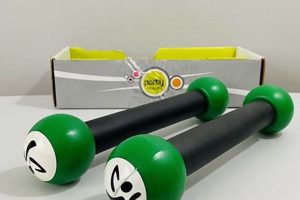
Zumba is a fitness program that combines Latin and international music with dance moves. The central question explored is whether engaging in this type of physical activity contributes to a reduction in body weight. This involves examining the energy expenditure during Zumba classes and the potential for sustained participation due to its engaging nature.
The significance of this investigation lies in providing individuals with evidence-based information regarding effective strategies for weight management. Regular physical activity, like dance-based fitness programs, offers benefits beyond weight loss, including improved cardiovascular health, mood enhancement, and increased social interaction. Its popularity has grown, making it a readily accessible exercise option for many.
Therefore, a detailed analysis of the caloric expenditure, factors influencing effectiveness, and considerations for integrating it with a balanced diet and lifestyle becomes essential to understand its potential role in achieving and maintaining a healthy weight.
Tips for Maximizing Weight Loss Potential Through Zumba
The following suggestions are designed to enhance the effectiveness of Zumba as a component of a weight management strategy. Adhering to these guidelines may contribute to improved outcomes.
Tip 1: Increase Class Frequency. Attending Zumba sessions multiple times per week can amplify caloric expenditure. Aim for at least three sessions weekly to establish a consistent exercise routine.
Tip 2: Incorporate High-Intensity Intervals. Integrating short bursts of high-intensity movements within the Zumba routine can elevate heart rate and enhance fat burning. Consult with the instructor to identify opportunities for increased exertion.
Tip 3: Focus on Proper Form. Maintaining correct posture and technique during Zumba exercises maximizes muscle engagement and reduces the risk of injury. Seek guidance from the instructor to refine form.
Tip 4: Combine with Strength Training. Supplementing Zumba with strength training exercises builds muscle mass, which increases resting metabolism and aids in long-term weight management.
Tip 5: Prioritize Hydration. Adequate water intake is crucial for optimal performance and metabolic function. Ensure sufficient hydration before, during, and after Zumba sessions.
Tip 6: Monitor Caloric Intake. While physical activity is important, caloric intake must be managed to achieve a calorie deficit necessary for weight loss. Track food consumption to ensure it aligns with weight management goals.
Tip 7: Be Consistent. Consistency is key to seeing results. Make Zumba a regular part of the weekly schedule and stick to it, even when motivation wanes.
Implementing these strategies can help maximize the potential of Zumba as a tool for weight reduction. It is essential to remember that results may vary and individual needs should be considered.
The subsequent section will provide a comprehensive summary of the information presented.
1. Caloric expenditure

Caloric expenditure is a fundamental determinant in the context of weight reduction and, consequently, its connection to Zumba’s effectiveness. Weight loss fundamentally relies on creating a caloric deficit, where the body expends more calories than it consumes. Zumba, as a physical activity, contributes to this expenditure, thereby influencing its potential to promote weight loss. The magnitude of caloric expenditure during a Zumba session is directly proportional to its impact on creating this essential deficit.
The amount of energy expended during a Zumba class varies considerably among individuals and is influenced by factors such as body weight, fitness level, and the intensity of the routine. For instance, a heavier individual will typically burn more calories than a lighter person performing the same Zumba routine. Similarly, a person engaging in high-impact modifications will likely expend more energy than someone performing lower-impact movements. Therefore, while Zumba offers the potential for significant caloric expenditure, the actual amount burned is highly individualized. Moreover, achieving a consistent caloric deficit requires careful consideration of dietary intake in conjunction with exercise.
The practical significance of understanding the relationship between caloric expenditure and Zumba lies in the ability to make informed decisions about its role in a weight management strategy. By acknowledging that caloric expenditure is a key driver of weight loss, individuals can tailor their Zumba participation through increased frequency, higher intensity, and integration with dietary modifications to maximize its effectiveness. Monitoring caloric intake in conjunction with Zumba sessions enables a more precise approach to achieving a negative energy balance, ultimately promoting weight reduction. Thus, the efficacy of Zumba for weight loss is intricately linked to understanding and managing caloric expenditure.
2. Class frequency
Class frequency, denoting the number of Zumba sessions attended within a given timeframe, constitutes a key determinant in evaluating the potential of Zumba for weight reduction. Its impact stems from the cumulative effect of caloric expenditure and the establishment of consistent physical activity habits.
- Cumulative Caloric Deficit
Increased class frequency directly contributes to a greater cumulative caloric deficit over time. Each Zumba session expends calories, and a higher attendance rate amplifies this effect. For example, attending three sessions per week instead of one triples the potential caloric burn attributable to Zumba, thereby accelerating weight loss if dietary intake remains constant.
- Metabolic Adaptation
Regular participation in Zumba can lead to metabolic adaptations that support weight management. Consistent physical activity elevates the body’s basal metabolic rate, resulting in increased calorie expenditure even at rest. Individuals who maintain a higher class frequency are more likely to experience these beneficial metabolic changes.
- Habit Formation and Adherence
A higher class frequency fosters habit formation and improves adherence to an exercise regimen. Establishing a consistent routine makes it easier to maintain long-term participation, which is crucial for sustained weight loss. Conversely, infrequent attendance can disrupt the momentum and reduce the likelihood of achieving desired results.
- Psychological Impact and Motivation
Frequent Zumba attendance may exert a positive psychological impact, boosting motivation and self-efficacy. Regular participation provides a sense of accomplishment and reinforces the commitment to weight loss goals. This psychological reinforcement can lead to healthier lifestyle choices and further contribute to positive outcomes.
In summary, class frequency is a salient factor in determining the efficacy of Zumba for weight reduction. Through its influence on caloric expenditure, metabolic adaptation, habit formation, and psychological motivation, it significantly impacts the overall success of a Zumba-based weight management strategy. Consistent and frequent attendance is paramount for realizing the full potential of Zumba in achieving and maintaining a healthy weight.
3. Intensity level

Intensity level is a pivotal determinant regarding the effectiveness of Zumba in promoting weight loss. It reflects the degree of exertion required during the activity and directly influences caloric expenditure, metabolic rate, and overall fitness adaptation.
- Caloric Expenditure and Fat Oxidation
Higher intensity Zumba sessions result in greater caloric expenditure within a given timeframe. This elevated energy demand compels the body to utilize stored fat as a primary fuel source, thus directly facilitating weight reduction. Conversely, lower intensity sessions may not elicit a sufficient caloric deficit to drive substantial fat loss.
- Cardiovascular Adaptation and Metabolic Rate
Increased intensity levels promote significant cardiovascular adaptations, enhancing the body’s ability to transport and utilize oxygen. This, in turn, elevates the resting metabolic rate, leading to increased calorie burning even during periods of inactivity. A sustained elevated metabolic rate is critical for long-term weight management.
- Hormonal Response and Appetite Regulation
High-intensity exercise elicits a distinct hormonal response compared to low-intensity activity. It stimulates the release of hormones that promote fat mobilization and suppress appetite, potentially leading to reduced caloric intake throughout the day. This hormonal modulation can contribute to a more favorable energy balance.
- Muscle Recruitment and Lean Mass Preservation
Engaging in higher intensity Zumba routines necessitates greater muscle recruitment, particularly in the lower body and core. This muscle activation helps preserve lean mass during weight loss, which is essential for maintaining metabolic function and preventing metabolic slowdown. Preserving lean mass ensures that the majority of weight loss comes from fat stores.
The intensity level of Zumba sessions is a critical factor in determining its weight loss efficacy. Achieving and sustaining a higher intensity can maximize caloric expenditure, promote favorable metabolic and hormonal adaptations, and preserve lean mass. Strategic manipulation of intensity levels, considering individual fitness levels and limitations, can optimize the potential of Zumba as a tool for weight reduction. Understanding the mechanisms by which intensity influences weight loss enables informed decision-making regarding exercise selection and program design.
4. Dietary adherence

Dietary adherence is a cornerstone in determining the success of any weight loss endeavor, including those incorporating Zumba as a primary exercise modality. While Zumba contributes to increased energy expenditure, its impact on weight reduction is contingent upon aligning caloric intake with energy output. Ineffective dietary habits can negate the benefits derived from physical activity.
- Caloric Balance
Weight loss occurs when energy expenditure exceeds energy intake, creating a caloric deficit. Zumba contributes to the expenditure side of this equation, but dietary adherence directly controls the intake side. Failure to manage caloric consumption through mindful eating and portion control diminishes the effectiveness of Zumba in achieving a negative energy balance. For instance, consuming high-calorie foods after a Zumba class can offset the calories burned during the session, hindering progress.
- Macronutrient Composition
The proportion of macronutrients (protein, carbohydrates, and fats) in the diet influences metabolic processes and body composition. A diet high in processed carbohydrates and unhealthy fats can impede weight loss efforts, even with regular Zumba participation. Conversely, a diet rich in lean protein, complex carbohydrates, and healthy fats supports muscle growth and satiety, enhancing the effectiveness of exercise. For example, adequate protein intake is essential for muscle repair and growth following Zumba sessions, contributing to increased lean mass and metabolic rate.
- Micronutrient Sufficiency
Adequate intake of vitamins and minerals is essential for optimal metabolic function and overall health. Deficiencies in micronutrients can impair energy metabolism, hormone regulation, and appetite control, potentially hindering weight loss efforts. A balanced diet that incorporates a variety of nutrient-rich foods is crucial for supporting the physiological processes involved in weight management. For instance, iron deficiency can lead to fatigue and reduced exercise capacity, limiting the intensity and duration of Zumba sessions.
- Timing and Frequency of Meals
The timing and frequency of meals can influence metabolic rate, appetite regulation, and insulin sensitivity. Consuming large, infrequent meals can lead to fluctuations in blood sugar levels and increased fat storage. In contrast, regular, smaller meals can help stabilize blood sugar, promote satiety, and support consistent energy levels throughout the day. Strategically timing meals around Zumba sessions can optimize energy availability and recovery, enhancing the benefits of exercise. For example, consuming a small, protein-rich snack before a Zumba class can provide sustained energy, while consuming a post-workout meal or snack can aid in muscle recovery and growth.
In summary, dietary adherence is an indispensable component of a successful weight loss strategy that includes Zumba. Effective management of caloric intake, macronutrient composition, micronutrient sufficiency, and meal timing is crucial for optimizing the benefits derived from increased physical activity. Without conscious attention to dietary habits, the potential of Zumba as a weight loss tool is significantly diminished.
5. Muscle engagement

Muscle engagement is a crucial element in determining the effectiveness of Zumba as a weight loss method. It refers to the degree to which various muscle groups are actively involved during the exercises. Greater muscle engagement directly impacts caloric expenditure, metabolic rate, and body composition, thereby influencing the potential for weight reduction.
- Caloric Expenditure Amplification
Increased muscle engagement during Zumba classes results in a higher rate of caloric expenditure. When more muscle fibers are activated, the body requires more energy to fuel these contractions. This enhanced energy demand leads to a greater caloric deficit, which is essential for promoting weight loss. For instance, routines that incorporate squats, lunges, or planks demand significant muscle engagement and contribute more substantially to caloric burn compared to routines with less strenuous movements.
- Metabolic Rate Elevation
Muscle tissue is metabolically active, meaning it burns more calories at rest compared to fat tissue. Engaging in Zumba routines that stimulate muscle growth and preservation can elevate the basal metabolic rate (BMR). A higher BMR results in increased calorie expenditure throughout the day, even during periods of inactivity, contributing to sustained weight management. Effective muscle engagement during exercise is, therefore, a key factor in altering the body’s metabolic profile favorably.
- Body Composition Improvement
Muscle engagement plays a vital role in improving body composition by increasing lean muscle mass and reducing body fat percentage. Building and maintaining muscle tissue during Zumba sessions helps sculpt the body, enhancing its overall appearance and function. This contrasts with weight loss achieved solely through caloric restriction, which may result in muscle loss and a less favorable body composition. For example, targeted muscle engagement in the core region can lead to improved abdominal definition and core strength.
- Post-Exercise Oxygen Consumption (EPOC) Enhancement
Greater muscle engagement during Zumba exercises can increase the post-exercise oxygen consumption (EPOC), also known as the “afterburn effect.” EPOC refers to the elevated rate of oxygen consumption and caloric expenditure that occurs after exercise as the body recovers and repairs muscle tissue. Zumba routines that heavily engage multiple muscle groups prolong the duration and magnitude of EPOC, contributing to additional calorie burning beyond the exercise session itself. This extended metabolic boost can further enhance weight loss outcomes.
In conclusion, muscle engagement is a significant determinant in assessing whether Zumba can effectively aid in weight loss. The degree to which muscle groups are actively utilized directly influences caloric expenditure, metabolic rate, body composition, and EPOC. By prioritizing routines that maximize muscle recruitment, individuals can enhance the weight loss potential of Zumba and achieve more favorable body composition changes.
6. Consistency

The impact of Zumba on weight loss is fundamentally linked to consistency in participation. While Zumba offers a potentially enjoyable and engaging form of exercise, its effectiveness in reducing body weight hinges upon sustained adherence over an extended period. Sporadic or infrequent participation is unlikely to yield significant results, regardless of the intensity or duration of individual sessions. Consistency fosters the cumulative caloric deficit necessary for weight reduction, ensuring that energy expenditure consistently surpasses energy intake.
For example, an individual attending Zumba classes five times a week for several months is far more likely to experience weight loss than someone who attends inconsistently or only for a few weeks. This consistent engagement not only promotes cumulative caloric expenditure but also fosters the development of healthy habits and adaptations to exercise. Furthermore, consistent participation can lead to gradual improvements in physical fitness, allowing for increased intensity and duration of workouts over time, further amplifying the caloric deficit. The absence of consistency disrupts the progressive adaptation process and reduces the overall impact on weight management.
In conclusion, consistency emerges as a critical factor in determining whether Zumba contributes to weight loss. It is not merely the act of participating in Zumba that matters, but the sustained and regular engagement that allows for the accumulation of a sufficient caloric deficit and the establishment of healthy lifestyle changes. Challenges to maintaining consistency, such as time constraints or motivational factors, must be addressed to maximize the potential of Zumba as a tool for weight management. Ultimately, the long-term success of Zumba in achieving and maintaining weight loss is directly proportional to the individual’s commitment to consistent participation.
7. Individual variations

Individual variations constitute a significant factor in determining the extent to which Zumba contributes to weight loss. Physiological differences, pre-existing conditions, and lifestyle factors can influence an individual’s response to Zumba as a weight management strategy.
- Metabolic Rate
Basal metabolic rate (BMR), the rate at which the body burns calories at rest, varies substantially among individuals. Factors such as age, sex, genetics, and body composition influence BMR. Individuals with higher BMRs may experience more pronounced weight loss from Zumba compared to those with lower BMRs, assuming equal caloric intake and exercise intensity. For example, males generally have higher BMRs than females, and younger individuals typically have higher BMRs than older adults.
- Fitness Level
An individual’s existing fitness level affects the intensity and duration of Zumba sessions they can safely and effectively perform. A beginner may initially burn fewer calories and experience less muscle engagement compared to someone with prior exercise experience. As fitness improves, individuals can progressively increase the intensity and complexity of Zumba routines, leading to greater caloric expenditure and enhanced weight loss. The initial adaptation phase is critical in determining long-term adherence and effectiveness.
- Genetic Predisposition
Genetic factors play a role in body composition, metabolism, and response to exercise. Certain individuals may be genetically predisposed to gain or lose weight more easily than others. Genetic variations can influence factors such as fat storage, appetite regulation, and muscle growth potential. While genetics do not dictate weight loss outcomes, they can influence the ease and speed with which individuals respond to Zumba and dietary modifications.
- Medical Conditions and Medications
Certain medical conditions and medications can impact weight management efforts. Conditions such as hypothyroidism, polycystic ovary syndrome (PCOS), and Cushing’s syndrome can affect metabolism and hormone levels, making weight loss more challenging. Similarly, some medications, such as antidepressants and corticosteroids, can contribute to weight gain. Individuals with pre-existing medical conditions should consult with a healthcare provider to determine the appropriate exercise and dietary strategies for their specific needs.
The degree to which Zumba aids in weight reduction is influenced by a complex interplay of individual factors. Variations in metabolism, fitness level, genetic predisposition, and medical conditions can affect the outcomes. A personalized approach that considers these individual differences is essential for maximizing the effectiveness of Zumba as a weight loss tool. Consulting with healthcare and fitness professionals is advised to tailor exercise programs and dietary strategies to individual needs and circumstances.
Frequently Asked Questions About Zumba and Weight Loss
This section addresses common inquiries regarding the effectiveness of Zumba as a weight loss tool, providing evidence-based answers to frequently raised questions.
Question 1: Can Zumba alone guarantee weight loss?
Zumba, while a beneficial form of exercise, does not guarantee weight loss in isolation. Weight reduction relies on a caloric deficit, achieved through a combination of increased energy expenditure via physical activity and controlled caloric intake through dietary modifications. Zumba can contribute to the expenditure side of this equation, but its success is contingent upon aligning dietary habits with weight loss goals.
Question 2: How many Zumba sessions per week are needed to see results?
The optimal frequency of Zumba sessions varies depending on individual factors such as fitness level, metabolism, and dietary habits. However, a general recommendation is to participate in at least three sessions per week to establish a consistent routine and achieve a noticeable impact on weight management. More frequent participation may yield more pronounced results, provided that adequate rest and recovery are incorporated.
Question 3: What is the average caloric expenditure during a Zumba class?
Caloric expenditure during a Zumba class can vary significantly based on factors such as body weight, intensity level, and duration. Studies suggest that a typical Zumba session can burn between 300 to 600 calories. However, individual results may differ. Utilizing a heart rate monitor or fitness tracker can provide a more personalized estimate of caloric burn.
Question 4: Is Zumba suitable for individuals with limited dance experience?
Zumba is designed to be accessible to individuals of all fitness levels and dance backgrounds. The routines are typically easy to follow, and modifications can be made to accommodate varying abilities. Beginner classes are often available for those with limited experience, allowing individuals to gradually build confidence and coordination.
Question 5: Does Zumba build muscle, or is it purely a cardiovascular workout?
Zumba primarily serves as a cardiovascular workout, but it also engages various muscle groups, particularly in the lower body and core. While Zumba may not lead to significant muscle hypertrophy (growth), it can contribute to muscle toning and strength improvements. Supplementing Zumba with dedicated strength training exercises can further enhance muscle development and metabolic rate.
Question 6: Are there any potential risks or contraindications associated with Zumba?
As with any form of exercise, Zumba carries some potential risks, particularly for individuals with pre-existing medical conditions. Common risks include muscle strains, sprains, and joint pain. Individuals with cardiovascular issues, orthopedic limitations, or other health concerns should consult with a healthcare provider before participating in Zumba. Proper warm-up, cool-down, and adherence to proper form can help minimize the risk of injury.
In summary, while Zumba can be a valuable component of a weight loss strategy, its effectiveness depends on a holistic approach that encompasses dietary control, consistent participation, and consideration of individual factors. Realistic expectations and a commitment to long-term lifestyle changes are crucial for achieving sustainable results.
The subsequent section will provide a comprehensive conclusion of the topic, providing essential insights for those interested in exploring this exercise for weight loss.
Will Zumba Help in Weight Loss
The preceding analysis clarifies the relationship between Zumba participation and potential weight reduction. Achieving a calorie deficit consistently is crucial, and while Zumba can contribute to increased energy expenditure, it does not guarantee weight loss in isolation. Class frequency, intensity level, dietary adherence, muscle engagement, and consistency are all significant factors that influence the effectiveness of Zumba as a weight management tool. Individual variations, including metabolic rate, fitness level, and genetic predispositions, further modulate outcomes.
Therefore, individuals seeking to leverage Zumba for weight loss should adopt a holistic approach. Combining regular Zumba sessions with mindful dietary practices and awareness of personal limitations maximizes the likelihood of success. Sustained effort and a commitment to long-term lifestyle modifications are essential for realizing the full potential of Zumba as a component of a comprehensive weight management strategy.