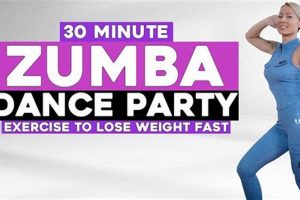
The quantity of Zumba sessions needed to achieve a reduction in body weight is a frequently asked question for individuals seeking to incorporate this dance fitness program into their lifestyle. Variables influencing this quantity include the individual’s initial weight, dietary habits, metabolism, and the intensity and duration of each Zumba workout.
Consistent engagement with Zumba can contribute to caloric expenditure and cardiovascular health improvements, which are both beneficial for weight management. Historical context demonstrates that dance fitness, including Zumba, has become a popular and accessible method for individuals seeking a fun and engaging way to exercise, moving away from traditional gym-based routines. The benefits extend beyond simple weight loss, encompassing improved mood, coordination, and social interaction.
Subsequent sections will delve into specific recommendations regarding workout frequency and duration. It will also address the crucial role of a balanced diet in conjunction with physical activity for optimal weight loss results, and explore methods for tracking progress and maintaining motivation.
Guidance on Zumba Frequency for Weight Reduction
This section provides evidence-based recommendations regarding the frequency and duration of Zumba sessions to facilitate weight loss. Adherence to these guidelines, in conjunction with dietary adjustments, may enhance the likelihood of achieving desired results.
Tip 1: Establish a Baseline Frequency: Initiate Zumba workouts at least three times per week. This frequency allows the body to adapt to the increased physical activity without causing undue stress or risk of injury.
Tip 2: Gradually Increase Intensity: As fitness levels improve, gradually increase the intensity of Zumba sessions. This may involve incorporating more advanced dance steps or increasing the range of motion.
Tip 3: Monitor Caloric Intake: Weight loss is predicated on creating a caloric deficit. Track dietary intake to ensure that caloric expenditure through Zumba and other activities exceeds caloric consumption.
Tip 4: Incorporate Strength Training: Supplement Zumba with strength training exercises two to three times per week. Building muscle mass can increase basal metabolic rate, further contributing to weight loss.
Tip 5: Prioritize Hydration: Adequate hydration is crucial for optimal metabolic function and performance. Consume sufficient water before, during, and after Zumba sessions.
Tip 6: Ensure Adequate Rest: Allow the body sufficient time to recover between workouts. Aim for at least seven to eight hours of sleep per night to optimize muscle repair and growth.
Tip 7: Consider Session Duration: Aim for Zumba sessions lasting a minimum of 45 minutes. This duration allows for a sufficient warm-up, workout, and cool-down period, maximizing caloric expenditure.
By consistently applying these strategies, individuals can leverage Zumba as a valuable tool for achieving sustainable weight loss goals. However, individual results may vary, and consultation with a healthcare professional is recommended prior to initiating any new fitness regimen.
The concluding section will summarize the key principles discussed and offer final thoughts on integrating Zumba into a comprehensive weight loss strategy.
1. Caloric Deficit

A caloric deficit is a fundamental principle in weight loss, intrinsically linked to the effectiveness of any exercise regimen, including Zumba. It represents a state where the body expends more calories than it consumes, forcing it to utilize stored energy reserves, primarily fat, to compensate for the energy shortfall. The extent of this deficit directly influences the degree of weight loss achieved.
- Energy Expenditure through Zumba
Zumba provides a mechanism for increasing energy expenditure. The intensity and duration of a Zumba session dictate the number of calories burned. However, the impact of Zumba on weight loss is directly proportional to its contribution in creating a caloric deficit. If caloric intake remains unchanged or exceeds expenditure, weight loss will be minimal, regardless of Zumba frequency.
- Dietary Intake Control
Managing dietary intake is equally critical. If an individual consumes excess calories, even consistent Zumba participation may not create a sufficient caloric deficit for weight loss. Therefore, dietary adjustments, such as reducing portion sizes or choosing lower-calorie alternatives, are necessary to synergize with Zumba-induced energy expenditure.
- Calculating Caloric Needs
Accurate estimation of daily caloric needs is essential for establishing an effective caloric deficit. Basal metabolic rate (BMR), activity level, and weight loss goals must be considered. Online calculators and consultation with a registered dietitian can provide guidance on determining appropriate caloric targets. Understanding individual caloric requirements allows for precise manipulation of both intake and expenditure to achieve the desired deficit.
- Sustainability and Adaptation
A sustainable caloric deficit is one that can be maintained over the long term without compromising overall health or well-being. Rapid or drastic reductions in caloric intake can lead to metabolic adaptations that hinder weight loss efforts. A moderate deficit, typically ranging from 500 to 750 calories per day, is generally recommended to promote gradual and sustainable weight loss. Monitoring progress and adjusting caloric intake or Zumba frequency based on individual responses is vital.
In summary, the role of “Caloric Deficit” in relation to “how much zumba for weight loss” is critical, forming the cornerstone for achieving successful and sustained weight loss. While Zumba provides a valuable tool for increasing energy expenditure, it is the creation and maintenance of a caloric deficit, achieved through combined dietary control and exercise, that ultimately dictates the extent of weight reduction.
2. Workout Frequency

Workout frequency, referring to the number of Zumba sessions undertaken per week, is a determinant factor in achieving weight loss. A higher frequency, within reasonable limits, can lead to a greater cumulative caloric expenditure, thereby contributing more effectively to a caloric deficit. However, the relationship between workout frequency and weight loss is not linear and is modulated by other variables such as intensity, duration, and dietary adherence. For example, an individual engaging in three moderately intense Zumba sessions per week while maintaining a controlled diet is more likely to experience weight loss than another individual who participates in only one high-intensity session and consumes excessive calories.
The selection of an appropriate workout frequency should consider individual fitness levels, time constraints, and recovery capabilities. Initiating a Zumba regimen with excessive frequency, particularly for individuals new to exercise, can increase the risk of injury and hinder long-term adherence. Conversely, an insufficient frequency may not provide the necessary stimulus for significant weight loss. A gradual increase in workout frequency, alongside proper warm-up, cool-down, and rest periods, facilitates adaptation and minimizes the likelihood of adverse effects. Real-world instances highlight the impact of workout frequency on weight loss; individuals who consistently attend Zumba classes three to five times weekly often report noticeable reductions in body weight and improvements in body composition compared to those attending less frequently.
In summary, workout frequency represents a controllable parameter that influences the effectiveness of Zumba for weight loss. While a higher frequency generally promotes greater caloric expenditure, individual considerations, proper progression, and adherence to a comprehensive weight loss strategy are crucial. The challenge lies in finding a frequency that is both effective and sustainable, thereby maximizing the potential benefits of Zumba within the context of a broader weight management plan. A balanced approach, combining appropriate workout frequency with dietary control and other lifestyle modifications, represents the optimal pathway toward achieving sustainable weight reduction.
3. Session Duration

Session duration, the length of each Zumba workout, directly influences caloric expenditure and, consequently, weight loss. A longer session generally equates to a greater number of calories burned, contributing more substantially to the required caloric deficit. The impact of session duration on “how much zumba for weight loss” is significant, acting as a key variable in the equation. For example, a 30-minute Zumba session might burn 300 calories, while a 60-minute session could burn 500 or more, depending on intensity and individual factors. Individuals aiming for substantial weight reduction may therefore benefit from extending their Zumba sessions when feasible and appropriate.
However, the ideal session duration is not universally applicable. Individual fitness levels, time availability, and tolerance for physical activity must be considered. A beginner may find it challenging to sustain a 60-minute high-intensity session, potentially leading to injury or burnout. In such cases, starting with shorter sessions and gradually increasing duration as fitness improves is a more prudent approach. Furthermore, the intensity of the workout should be considered in conjunction with session duration; a shorter, high-intensity session may be just as effective as a longer, less intense one. Real-world examples demonstrate that individuals who consistently engage in Zumba for at least 45-60 minutes, several times per week, often report more significant weight loss results compared to those with shorter or less frequent sessions.
In conclusion, session duration plays a crucial role in determining the effectiveness of Zumba for weight loss. While longer sessions generally contribute to greater caloric expenditure, individual factors and workout intensity must be taken into account. The practical significance lies in tailoring session duration to individual needs and capabilities, aiming for a sustainable and effective balance that maximizes weight loss potential without compromising safety or adherence. This understanding emphasizes that it is not just if one does Zumba, but how long each session is that influences the overall weight loss outcome.
4. Intensity Level

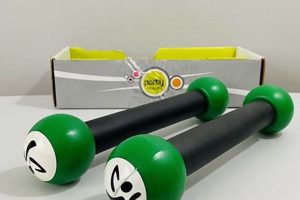
The intensity level within a Zumba session represents a crucial determinant of caloric expenditure and subsequent weight loss. A higher intensity level corresponds to an elevated heart rate and greater muscle engagement, thereby amplifying the number of calories burned during the same duration compared to a lower intensity workout. Consequently, individuals seeking effective weight reduction through Zumba must consider the role of intensity as a key component. The relationship between intensity and weight loss is causal: increased intensity translates to increased caloric expenditure, which, when combined with dietary modifications, promotes a greater caloric deficit. Examples include modifications such as increased jumping, more dynamic movements and incorporating light weights to raise the intensity level.
The practical significance lies in the need to strategically adjust the intensity of Zumba sessions to optimize weight loss results. While increasing intensity offers benefits, individuals must proceed cautiously to avoid injury or overexertion. Beginners should gradually increase intensity over time as their fitness levels improve. Techniques for increasing intensity include incorporating more challenging dance steps, increasing the range of motion, and adding resistance exercises, such as squats or lunges, within the Zumba routine. Monitoring heart rate during the session can provide valuable feedback on the intensity level achieved. Individuals should aim to maintain a target heart rate zone conducive to fat burning, as recommended by fitness professionals. A real-world example would be an experienced Zumba participant incorporating high-intensity interval training (HIIT) principles into their routine, alternating between periods of maximal effort and periods of active recovery.
In summary, intensity level serves as a critical variable in determining the efficacy of Zumba for weight loss. Its direct influence on caloric expenditure necessitates careful consideration and strategic implementation. The challenge lies in finding a balance between maximizing intensity for optimal results and minimizing the risk of injury or burnout. As such, a gradual and progressive approach to increasing intensity, combined with proper form and attention to individual limitations, represents the most effective pathway for leveraging Zumba’s potential as a weight loss tool. The interplay between caloric deficit, session frequency, session duration, and intensity underscores that holistic approach for individuals with weight loss as ultimate goal.
5. Dietary Synergy

The influence of dietary synergy on the efficacy of Zumba for weight reduction is significant. Dietary synergy refers to the interplay between food consumption and exercise, wherein appropriate nutritional intake complements physical activity to optimize desired outcomes. In the context of “how much zumba for weight loss,” dietary habits directly impact the extent to which Zumba contributes to a caloric deficit and overall weight management.
- Macronutrient Balance
Macronutrient balance, encompassing protein, carbohydrates, and fats, plays a pivotal role in dietary synergy. Adequate protein intake supports muscle repair and growth, essential for individuals engaging in regular physical activity like Zumba. Complex carbohydrates provide sustained energy for workouts, while healthy fats contribute to hormonal balance and overall health. An imbalanced macronutrient ratio can hinder weight loss efforts, regardless of Zumba participation.
- Caloric Intake Management
Effective weight loss necessitates careful management of caloric intake. Even with consistent Zumba sessions, consuming excessive calories will impede progress. Dietary synergy involves aligning caloric intake with energy expenditure to create a deficit, prompting the body to utilize stored fat for fuel. Tracking caloric intake and adjusting portion sizes are essential for maintaining a sustainable deficit.
- Nutrient Timing
Nutrient timing, strategically consuming specific nutrients around workout sessions, can enhance performance and recovery. Consuming carbohydrates before Zumba provides energy, while post-workout protein aids muscle repair. Proper nutrient timing optimizes the body’s response to exercise and facilitates weight loss.
- Hydration
Adequate hydration is crucial for optimal bodily function, particularly during physical activity. Dehydration can impair performance, reduce energy levels, and hinder weight loss. Maintaining sufficient fluid intake before, during, and after Zumba sessions supports metabolic processes and facilitates efficient fat burning.
Therefore, the amount of Zumba needed to affect weight loss is inextricably linked to the synergy achieved through a balanced and strategically timed diet. The interplay between exercise and nutrition underscores the importance of a holistic approach, where Zumba serves as a component of a broader weight management strategy encompassing both physical activity and dietary modification.
6. Metabolic Rate

Metabolic rate, the rate at which the body expends energy, exhibits a direct influence on the quantity of Zumba required to achieve weight loss. Individuals with a higher metabolic rate, by burning more calories at rest, may necessitate less Zumba to attain a caloric deficit compared to those with a lower rate. Conversely, individuals with a lower metabolic rate might require a greater volume of Zumba sessions or longer durations to generate a comparable caloric deficit and achieve weight reduction. This relationship underscores the importance of individual metabolic assessments in determining an appropriate exercise regimen. Furthermore, factors such as age, gender, body composition, and genetics can influence metabolic rate, leading to variations in the responsiveness to Zumba as a weight loss strategy. For example, an individual with a high muscle mass typically exhibits a higher metabolic rate than an individual with similar weight but a higher fat percentage, requiring fewer exercise sessions to achieve the same caloric expenditure.
The practical significance of understanding the metabolic rate’s influence on the efficacy of Zumba lies in the ability to personalize fitness programs. Rather than adhering to a standardized Zumba schedule, individuals can benefit from metabolic testing or estimations to gauge their caloric expenditure and adjust their workout routine accordingly. Incorporating strategies to boost metabolic rate, such as strength training to increase muscle mass, can further enhance the effectiveness of Zumba in achieving weight loss goals. Furthermore, lifestyle factors such as sufficient sleep and stress management contribute to optimal metabolic function, thereby improving the body’s response to exercise.
In summary, metabolic rate acts as a fundamental determinant in the equation of “how much zumba for weight loss.” Variability in metabolic rate necessitates individualized approaches to exercise and dietary planning. While Zumba remains a valuable tool for increasing energy expenditure, its efficacy for weight loss is modulated by the individual’s inherent metabolic characteristics. Consequently, a holistic approach encompassing metabolic awareness, tailored exercise prescriptions, and lifestyle adjustments represents the most effective strategy for leveraging Zumba as a component of a comprehensive weight management plan.
7. Individual Variation

Individual variation significantly affects the relationship between Zumba participation and weight loss. Physiological differences, encompassing factors such as genetics, body composition, existing health conditions, and prior fitness levels, contribute to diverse responses to the same Zumba regimen. One individual may experience substantial weight loss with three weekly sessions, while another may require five or more sessions to achieve comparable results. This disparity underscores the necessity of individualized approaches to fitness planning. The importance of acknowledging individual variation lies in preventing discouragement and promoting realistic expectations. If individuals believe that a standardized Zumba schedule guarantees weight loss, they may become demotivated if their progress deviates from the norm. Such expectations can negatively impact adherence and undermine the effectiveness of any fitness program.
Consider an example involving two women, both 35 years old, with a goal of losing weight. One has a history of regular physical activity and a relatively high muscle mass, while the other is sedentary with a lower muscle mass. The first woman may experience noticeable weight loss with moderate Zumba sessions due to a higher resting metabolic rate and enhanced responsiveness to exercise. The second woman, however, may require a more intense and frequent Zumba schedule, alongside dietary adjustments, to stimulate weight loss. Failing to account for these variations can lead to frustration and abandonment of the Zumba program. The practical significance of understanding individual variation is the ability to tailor workout intensity, duration, and frequency to meet specific needs and goals. This may involve consulting a fitness professional to assess individual fitness levels and create a personalized Zumba plan. Furthermore, individuals should monitor their progress closely and adjust their regimen accordingly, acknowledging that results may vary significantly from others.
In summary, individual variation constitutes a critical factor in determining the “how much zumba for weight loss” equation. The challenge lies in recognizing and accommodating these differences to optimize program effectiveness and promote sustained adherence. By acknowledging that responses to Zumba are not uniform, and by tailoring fitness plans to meet individual needs, individuals can enhance their prospects of achieving weight loss goals and derive greater benefit from this form of exercise. The consideration of factors such as genetic predispositions, body composition, and health history is crucial for formulating realistic expectations and optimizing long-term success.
Frequently Asked Questions
The following addresses common inquiries regarding the quantity of Zumba sessions necessary for effective weight reduction. The provided information aims to offer clarity and guidance for individuals seeking to incorporate Zumba into their weight management strategy.
Question 1: Is there a universally recommended amount of Zumba to guarantee weight loss?
No singular quantity of Zumba guarantees weight loss for all individuals. The specific amount varies based on several factors, including metabolic rate, dietary habits, activity levels outside of Zumba, and individual body composition. A personalized approach, integrating these variables, is required.
Question 2: What is the minimum frequency of Zumba sessions necessary to observe weight loss?
As a general guideline, engaging in Zumba at least three times per week, with each session lasting a minimum of 45 minutes, can provide a foundation for weight loss. However, this frequency must be coupled with a balanced dietary intake to create a caloric deficit.
Question 3: Does increasing the duration of Zumba sessions proportionally increase weight loss?
While longer Zumba sessions typically result in greater caloric expenditure, the relationship is not strictly proportional. Factors such as intensity and individual fitness levels influence the amount of calories burned per unit of time. Moreover, extended sessions may lead to fatigue or injury, negating potential benefits.
Question 4: How important is dietary modification in conjunction with Zumba for weight loss?
Dietary modification is paramount for achieving weight loss through Zumba. Exercise alone is often insufficient. A caloric deficit, created through a combination of Zumba and reduced caloric intake, is necessary to induce fat loss.
Question 5: Can Zumba alone compensate for a consistently high-calorie diet?
Zumba, while beneficial for caloric expenditure, cannot fully compensate for a consistently high-calorie diet. The caloric surplus from excessive intake will likely negate any weight loss achieved through Zumba. Dietary adjustments are crucial.
Question 6: What are the potential risks of engaging in excessive Zumba in an attempt to accelerate weight loss?
Excessive Zumba, without adequate rest and recovery, can increase the risk of musculoskeletal injuries, fatigue, and burnout. A balanced approach, incorporating rest days and varying intensity levels, is essential for long-term sustainability and minimizing adverse effects.
In summary, the pursuit of weight loss via Zumba requires a multifaceted approach. A consideration of individual physiology, consistent effort, and a balanced dietary regimen are key factors for successfully and sustainably achieve the intended results.
The subsequent section will explore strategies for maintaining motivation and adherence to a Zumba-based weight loss program.
Conclusion
The determination of an effective Zumba regimen for weight reduction necessitates a multifaceted understanding. Factors ranging from individual metabolic rate and dietary adherence to session intensity and duration collectively dictate the volume of Zumba required to facilitate a caloric deficit. Standardized recommendations prove inadequate, demanding a personalized approach that accounts for physiological variability and lifestyle constraints. The efficacy of Zumba, as with any exercise modality, remains contingent upon consistent execution and synergistic integration with a balanced dietary plan. Ignoring these fundamental principles risks suboptimal outcomes and potential disillusionment.
Ultimately, the pursuit of weight loss through Zumba should be guided by informed decision-making and realistic expectations. While Zumba offers a valuable avenue for increasing energy expenditure, it is not a singular solution. Long-term success necessitates a commitment to comprehensive lifestyle modifications and continuous self-assessment. Further research into the specific physiological effects of varying Zumba protocols will undoubtedly contribute to more precise and effective weight management strategies in the future.