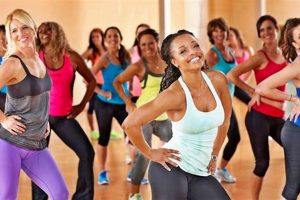
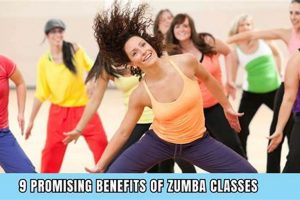
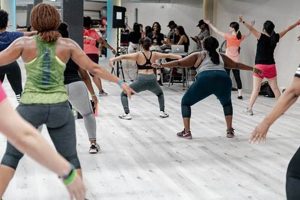
Appropriate attire for a Zumba session is crucial for comfort and performance. Clothing choices should prioritize freedom of movement and breathability, allowing participants to fully engage in the energetic dance-fitness routine. For example, flexible athletic wear, such as leggings or shorts paired with a moisture-wicking top, facilitates uninhibited motion.
The selection of suitable garments enhances the Zumba experience by minimizing distractions caused by restrictive clothing and maximizing comfort during high-intensity activity. Historically, dance-based fitness programs have always emphasized the importance of appropriate clothing to enable participants to execute movements safely and effectively. Selecting the right apparel contributes to both the enjoyment and efficacy of the Zumba workout.
The following sections will detail specific considerations regarding tops, bottoms, footwear, and accessories, providing guidance on making informed choices for optimal performance and comfort during a Zumba class. These recommendations take into account both functionality and individual preferences, ensuring participants feel confident and prepared to fully participate.
Apparel Recommendations for Zumba Participation
The following outlines crucial considerations for selecting suitable attire for effective Zumba class participation, focusing on comfort, mobility, and safety.
Tip 1: Prioritize Breathable Fabrics: Opt for moisture-wicking materials like polyester blends or natural fibers such as cotton or bamboo. These fabrics facilitate ventilation and reduce discomfort caused by excessive perspiration.
Tip 2: Ensure Freedom of Movement: Garments should not restrict range of motion. Choose styles that allow for unrestricted arm movements, hip rotations, and leg extensions, crucial for executing Zumba steps.
Tip 3: Select Supportive Footwear: Appropriate athletic shoes are essential. Look for cross-training shoes that provide adequate cushioning, arch support, and lateral stability to prevent injuries during high-impact movements.
Tip 4: Consider Layering: Layering allows for temperature regulation. A lightweight jacket or sweatshirt can be added or removed as needed to maintain comfort throughout the class.
Tip 5: Opt for Secure-Fitting Bottoms: Whether choosing leggings, capris, or shorts, ensure they fit securely at the waist to avoid distractions or adjustments during the workout. Drawstrings or elastic waistbands can provide a customized fit.
Tip 6: Support with a Suitable Sports Bra: For female participants, a supportive sports bra is paramount. Choose a style appropriate for high-impact activity to minimize discomfort and provide adequate support.
Tip 7: Accessorize Mindfully: While accessories can express personal style, avoid items that might impede movement or pose a safety hazard. Keep jewelry minimal and secure, and consider a sweatband to manage perspiration.
Adhering to these recommendations enhances the Zumba experience by improving comfort, facilitating movement, and reducing the risk of injury. The appropriate attire enables participants to focus on the workout and achieve their fitness goals.
The subsequent section will address common misconceptions and frequently asked questions regarding appropriate Zumba attire, providing further clarification and guidance.
1. Breathable Fabrics

The selection of breathable fabrics is a crucial determinant in selecting suitable clothing for Zumba class. Breathability impacts comfort, performance, and overall participation enjoyment within this high-intensity fitness environment. Understanding the function and benefits of breathable materials is essential.
- Moisture Management
Breathable fabrics facilitate moisture evaporation, drawing perspiration away from the skin. This minimizes discomfort caused by dampness and reduces the risk of chafing. Materials like polyester, nylon blends, and merino wool are commonly used for their moisture-wicking properties. Failure to utilize these fabrics can result in discomfort and hinder performance.
- Temperature Regulation
Breathable materials promote airflow, assisting in maintaining a stable body temperature during intense physical activity. This helps prevent overheating and discomfort. Cotton, while absorbent, can become heavy and retain moisture, making it less ideal than synthetic alternatives for Zumba attire. Effective temperature regulation contributes significantly to comfort and stamina.
- Odor Control
Some breathable fabrics, particularly those with antimicrobial treatments or incorporating natural fibers like merino wool, can help inhibit the growth of odor-causing bacteria. This enhances hygiene and reduces unpleasant odors during and after a Zumba class. Odor control contributes to confidence and comfort during social fitness activities.
- Fabric Weight and Texture
Breathable fabrics are typically lightweight and have a smooth texture, minimizing friction against the skin. This contributes to comfort and freedom of movement, essential for executing Zumba steps effectively. Heavy or rough fabrics can restrict movement and cause irritation, impacting performance and enjoyment.
The integration of these characteristics inherent in breathable fabrics directly influences the comfort and effectiveness of clothing worn during Zumba classes. Prioritizing these materials is essential for maximizing participant engagement and overall workout satisfaction. The selection of appropriate breathable fabrics represents a fundamental aspect of appropriate Zumba attire.
2. Freedom of Movement
The concept of freedom of movement is intrinsically linked to appropriate attire for Zumba class participation. Clothing that restricts motion inhibits the ability to perform the diverse steps and routines characteristic of Zumba. The ability to fully extend limbs, rotate the torso, and move fluidly is fundamental to engaging effectively with the exercise. Therefore, garments chosen for Zumba should prioritize flexibility and allow an unrestricted range of motion.
Examples of restrictive clothing include overly tight athletic wear, rigid fabrics such as denim, or garments with cumbersome embellishments. Such restrictions can impede performance, potentially leading to improper form and increased risk of injury. Conversely, flexible leggings, loose-fitting shorts, and stretchy athletic tops facilitate uninhibited movement, allowing participants to fully engage with the Zumba routine. The practical significance of this understanding lies in selecting materials and styles that prioritize ease of movement, ultimately enhancing the workout experience and minimizing the potential for strain or injury.
In conclusion, freedom of movement constitutes a core requirement for suitable Zumba attire. The selection of flexible and unrestrictive clothing enables participants to perform Zumba steps effectively, maximizes the benefits of the workout, and reduces the risk of injury. While personal style is a consideration, the priority should remain on choosing garments that facilitate unhindered physical activity, ensuring a safe and enjoyable Zumba experience.
3. Supportive Footwear

Proper footwear is an indispensable component of appropriate Zumba attire. The dynamic and high-impact nature of Zumba necessitates shoes that provide adequate cushioning, arch support, and lateral stability. Insufficient support can contribute to foot, ankle, knee, and hip injuries. The connection between appropriate footwear and participant safety is a direct causal relationship; inadequate support leads to increased risk. For instance, wearing running shoes, designed primarily for forward motion, in a Zumba class may increase the likelihood of ankle sprains due to the lateral movements involved.
Cross-training shoes are generally recommended for Zumba due to their versatile design. These shoes offer a balance of cushioning for impact absorption and lateral support for side-to-side movements. Selecting shoes with a non-slip sole is also crucial for maintaining traction on various studio surfaces, preventing falls. The importance of supportive footwear extends beyond injury prevention, impacting performance. Comfortable and stable feet allow participants to fully engage with the choreography and execute movements with greater precision.
In conclusion, the selection of supportive footwear is paramount when assembling appropriate Zumba attire. The correlation between shoe design and injury prevention is well-established, highlighting the practical significance of this understanding. While style and color may be considered, the priority should remain on functionality and support, ensuring a safe and effective Zumba experience. The consequence of neglecting footwear support can range from minor discomfort to significant injury, emphasizing the necessity of informed decision-making in this regard.
4. Moisture-wicking properties

Moisture-wicking properties are a crucial consideration in determining appropriate attire for Zumba classes. The high-intensity nature of Zumba leads to significant perspiration, and the ability of clothing to manage moisture effectively directly impacts comfort, hygiene, and performance. Selection of garments lacking adequate moisture-wicking capabilities can lead to discomfort and potential skin irritation.
- Comfort Enhancement
Moisture-wicking fabrics draw sweat away from the skin’s surface, allowing it to evaporate more readily. This prevents the sensation of dampness and stickiness, contributing to greater comfort throughout the Zumba session. Clothing that retains moisture can become heavy and uncomfortable, potentially distracting from the workout. The selection of moisture-wicking apparel prioritizes participant comfort.
- Temperature Regulation
Effective moisture management aids in temperature regulation. By facilitating sweat evaporation, moisture-wicking fabrics help cool the body during exertion. This is particularly important in Zumba classes, where the combination of physical activity and potentially warm studio environments can lead to overheating. Maintaining a stable body temperature enhances performance and reduces the risk of heat-related discomfort.
- Odor Mitigation
Moisture-wicking fabrics, especially those incorporating antimicrobial treatments, can help to inhibit the growth of odor-causing bacteria. Sweat provides a breeding ground for bacteria, leading to unpleasant odors. Garments with effective moisture-wicking properties reduce the amount of moisture available for bacterial growth, thereby minimizing odor. This contributes to a more pleasant and hygienic workout experience for both the individual and fellow participants.
- Reduced Skin Irritation
Prolonged exposure to moisture against the skin can increase the risk of chafing and skin irritation. Moisture-wicking fabrics minimize this risk by keeping the skin drier. This is especially important in areas prone to friction, such as the underarms, inner thighs, and waistline. Reducing skin irritation contributes to overall comfort and allows participants to focus on the workout without distraction.
Therefore, the selection of garments with demonstrable moisture-wicking properties constitutes a key factor in determining appropriate Zumba attire. The benefits extend beyond mere comfort, encompassing temperature regulation, odor mitigation, and the prevention of skin irritation. Prioritizing these properties ensures a more hygienic, comfortable, and effective workout experience.
5. Secure fit

Secure fit, in the context of Zumba attire, pertains to the assurance that garments remain in place and do not require constant readjustment during vigorous physical activity. The importance of secure fit stems directly from the demands of a Zumba class, which involves a wide range of movements, including jumping, twisting, and rapid changes in direction. Clothing that does not fit securely can cause distractions, impede performance, and potentially create safety hazards. For example, loose-fitting shorts may ride up, requiring the wearer to pause and adjust them, interrupting the flow of the workout. Similarly, a top that slips off the shoulder can be equally disruptive.
The selection of apparel with appropriate waistbands, drawstrings, or elastic components contributes significantly to a secure fit. Leggings or capri pants, often preferred for Zumba, typically offer a snug fit that minimizes movement and remains in place. Tops designed with fitted silhouettes or built-in support systems provide stability and prevent slippage. Real-world application of this principle involves assessing garment fit prior to class participation, ensuring that all components remain securely positioned during a range of test movements. Attention to detail in terms of size selection and garment construction enhances the likelihood of a secure and comfortable fit.
In summary, secure fit is an essential attribute of appropriate Zumba attire. Its influence extends from minimizing distractions and enhancing performance to promoting safety and confidence. Garments that remain securely in place allow participants to focus on the choreography and maximize the benefits of the workout without the impediment of constant readjustment. The practical consequence of prioritizing secure fit is a more efficient, enjoyable, and safe Zumba experience.
6. Appropriate Support
Appropriate support, within the framework of Zumba attire, represents a critical factor directly influencing comfort, safety, and performance. This pertains particularly to undergarments and garments designed to provide structural stability during high-impact movements. The correlation between appropriate support and effective Zumba participation is demonstrably significant.
- Sports Bra Selection
For female participants, the selection of a properly fitted sports bra is paramount. A well-chosen sports bra minimizes breast movement, reducing discomfort and preventing potential strain on ligaments. High-impact sports bras, specifically designed for activities involving jumping and rapid movements, are generally recommended. The absence of adequate support can lead to distraction, pain, and long-term damage. The proper sports bra selection constitutes a key element of appropriate Zumba attire.
- Compression Garments
Compression garments, such as compression shorts or leggings, provide support to muscles and joints. These garments can enhance circulation, reduce muscle fatigue, and improve recovery time. The use of compression wear is particularly beneficial during Zumba, where repetitive movements and high-impact steps can place significant stress on the lower body. The inclusion of compression garments can contribute to improved performance and reduced risk of injury.
- Footwear Arch Support
Footwear with adequate arch support is essential for maintaining proper foot alignment and distributing impact forces evenly. Proper arch support minimizes strain on the plantar fascia, ankles, and knees. Zumba, with its dynamic movements and rapid changes in direction, places considerable stress on the feet. Shoes lacking sufficient arch support can contribute to foot pain, ankle instability, and knee discomfort. The integration of supportive footwear is a non-negotiable aspect of appropriate Zumba attire.
- Joint Supports
In specific cases, individuals with pre-existing joint conditions may benefit from additional support in the form of braces or sleeves. Knee braces, ankle supports, or wrist wraps can provide added stability and reduce the risk of injury. The decision to utilize joint supports should be made in consultation with a healthcare professional. The strategic use of joint supports can enable individuals to participate safely and comfortably in Zumba classes.
In conclusion, appropriate support, encompassing sports bras, compression garments, arch support in footwear, and the potential use of joint supports, constitutes a multifaceted consideration in the context of appropriate Zumba attire. The selection of garments and accessories that provide adequate support contributes significantly to comfort, safety, and performance, enabling participants to fully engage with the Zumba routine and maximize its benefits. The long-term impact of neglecting appropriate support can range from minor discomfort to significant injury, underscoring the importance of informed decision-making in this regard.
7. Minimal accessories

The consideration of minimal accessories is a critical aspect of selecting appropriate attire for Zumba class participation. The nature of Zumba, characterized by high-energy movement and rhythmic choreography, presents a context where extraneous items can become impediments or potential hazards. The objective is to streamline the participant’s ensemble, eliminating elements that might distract, restrict movement, or cause injury. The direct consequence of disregarding this principle is a heightened risk of discomfort, impaired performance, and possible harm. For instance, dangling necklaces can swing and strike the wearer or others, while oversized earrings can become entangled during rapid head movements. The rationale for minimal accessories stems from practical considerations related to safety and freedom of movement.
The application of this principle involves a deliberate assessment of each accessory’s necessity. Jewelry, particularly necklaces, bracelets, and large earrings, should generally be avoided. Rings should be chosen carefully to ensure they do not interfere with hand movements or pose a risk of getting caught on clothing or equipment. Hair accessories should be functional and secure, preventing hair from obstructing vision during the workout. While personal expression is valued, the priority must remain on minimizing potential disruptions to the Zumba routine. A practical example is opting for a secure, unobtrusive headband over a decorative hair clip that might easily dislodge during intense activity. The emphasis is on prioritizing function and safety over purely aesthetic considerations.
In summation, the principle of minimal accessories constitutes an integral component of appropriate Zumba attire. Its relevance lies in the direct impact on safety, comfort, and performance. By carefully evaluating and reducing the number of accessories worn during class, participants can minimize potential distractions and hazards, thereby optimizing their Zumba experience. The ultimate goal is to facilitate uninhibited movement and complete focus on the workout, achieved through a conscious decision to limit extraneous items. The challenge lies in balancing personal style with the practical demands of a dynamic fitness activity, a balance best achieved through mindful selection and prioritization of function.
Frequently Asked Questions
The following addresses common inquiries regarding appropriate attire for participation in Zumba classes, clarifying misconceptions and providing guidance for optimal comfort and performance.
Question 1: Are there specific clothing brands recommended for Zumba?
While certain brands specialize in athletic apparel suitable for dance-fitness activities, no singular brand is universally endorsed. Focus should remain on fabric composition, fit, and functionality, irrespective of brand label. Prioritize moisture-wicking materials and unrestricted movement.
Question 2: Is it acceptable to wear street clothes to Zumba?
Street clothes are generally discouraged due to their restrictive nature and lack of moisture-wicking properties. Denim, for example, significantly limits range of motion and retains perspiration, leading to discomfort. Athletic wear designed for physical activity is the recommended choice.
Question 3: Are bare feet permissible during Zumba?
Bare feet are strongly discouraged. The dynamic and high-impact movements inherent in Zumba require the support and cushioning provided by appropriate athletic shoes. Bare feet increase the risk of injury and lack the necessary traction for safe participation.
Question 4: Is it necessary to purchase expensive athletic wear for Zumba?
Expensive athletic wear is not a prerequisite for Zumba participation. Functional and comfortable clothing meeting the criteria of breathability, flexibility, and secure fit is sufficient. More affordable options are readily available that fulfill these requirements.
Question 5: Are there specific guidelines for plus-size Zumba participants?
The guidelines for appropriate Zumba attire remain consistent regardless of size. Prioritize comfort, support, and freedom of movement. Ensure garments fit properly and provide adequate coverage. Consider high-impact sports bras and supportive footwear.
Question 6: Is it acceptable to wear loose-fitting clothing to Zumba?
While freedom of movement is essential, overly loose-fitting clothing can pose a hazard. Excess fabric can impede movement, get caught on equipment, or cause tripping. Garments should fit securely but not restrictively, allowing for a full range of motion without excessive bulk.
The key takeaways emphasize the importance of prioritizing functionality and safety over purely aesthetic considerations when selecting Zumba attire. Focus on breathable fabrics, supportive footwear, and a secure fit to optimize the workout experience.
The subsequent section will provide a concise summary of all recommendations, offering a quick reference guide for selecting appropriate Zumba apparel.
What Should You Wear to Zumba Class
This exploration has detailed the core considerations for appropriate Zumba attire. Key elements include breathable, moisture-wicking fabrics; garments promoting freedom of movement; supportive footwear; and a secure fit. Adherence to these guidelines ensures comfort, safety, and optimal performance during Zumba sessions. Neglecting these factors can lead to discomfort, injury, and diminished workout effectiveness.
Ultimately, the informed selection of Zumba attire is a direct investment in one’s well-being and fitness goals. Understanding and implementing these recommendations enables participants to fully engage in the Zumba experience, maximizing its physical and mental benefits. Prioritizing functionality and safety over purely aesthetic considerations is paramount for a successful and injury-free participation.