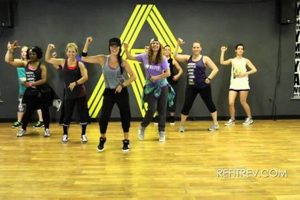
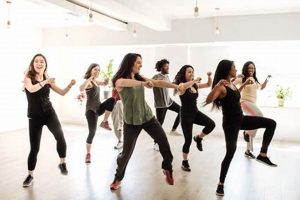
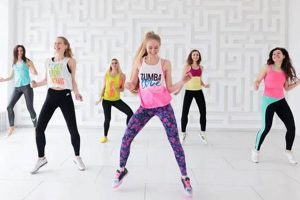
Zumba is a fitness program that combines Latin and international music with dance moves. It incorporates interval training, alternating between fast and slow rhythms, thereby targeting multiple fitness components. Classes involve choreography that blends salsa, merengue, cumbia, and reggaeton, among other styles, to create a dynamic and engaging workout.
The value of this fitness activity stems from its ability to improve cardiovascular health, boost mood, and enhance coordination. Its origins trace back to the mid-1990s, evolving from an accidental discovery by a fitness instructor to a globally recognized and practiced exercise form. The widespread adoption of this exercise is attributable to its accessibility, adaptability to various fitness levels, and emphasis on enjoyment rather than rigid technique.
The following sections will delve into the specific health advantages, explore variations available, and offer guidance on effectively integrating this form of physical activity into a regular routine.
Tips for Maximizing Benefits
To derive the most from a regimen focused on a dance-based fitness program, consider the following recommendations designed to enhance results and minimize potential risks.
Tip 1: Proper Footwear Selection: Prioritize shoes that offer adequate support and cushioning, specifically designed for aerobic or dance activities. Such footwear reduces the risk of joint stress and injury.
Tip 2: Gradual Intensity Progression: Begin with introductory classes to familiarize oneself with basic steps and gradually increase intensity and complexity as fitness improves. Avoid overexertion, especially initially.
Tip 3: Hydration is Paramount: Consume water before, during, and after each session to maintain proper hydration levels and prevent dehydration-related fatigue or cramping.
Tip 4: Active Warm-up and Cool-down: Dedicate sufficient time to pre-exercise warm-up routines, incorporating dynamic stretching, and post-exercise cool-down periods with static stretching to improve flexibility and reduce muscle soreness.
Tip 5: Listen to the Body’s Signals: Pay close attention to any signs of discomfort or pain. Modify movements or take breaks as needed to prevent injury. Consult a healthcare professional if pain persists.
Tip 6: Core Engagement Focus: Actively engage core muscles throughout the workout to enhance stability, improve posture, and contribute to overall strength development.
Tip 7: Consistent Attendance: Aim for regular participation, ideally two to three times per week, to establish consistency and optimize the long-term fitness benefits.
Adherence to these suggestions can contribute to a safer and more effective experience, maximizing the health advantages associated with this fitness activity and promoting sustained adherence.
The final section will summarize the key points discussed and offer concluding thoughts on the long-term implications of incorporating this fitness approach into a healthy lifestyle.
1. Rhythmic Movement

Rhythmic movement forms an indispensable element of a dance-based fitness activity, directly influencing its effectiveness, engagement, and overall appeal. The structured integration of movement with musical patterns distinguishes it from unstructured exercise forms, creating a synergy that amplifies physical and psychological benefits.
- Synchronization with Musical Beat
Synchronization involves coordinating body movements precisely with the tempo and rhythm of the music. In this exercise, this synchronization enhances motor skills, improves coordination, and fosters a sense of physical awareness. Movements are choreographed to specific musical cues, compelling participants to listen attentively and respond physically, reinforcing the mind-body connection.
- Repetitive Patterns and Choreography
Repetitive patterns and choreography provide a structured framework for the workout. The repeated execution of specific dance steps and sequences builds muscle memory, improving technique over time. This structured repetition also contributes to the interval training aspect, alternating between high-intensity bursts and periods of lower activity, which is effective for cardiovascular conditioning.
- Emotional and Expressive Output
The exercise, facilitated by rhythmic movement, allows for emotional and expressive output. The combination of music and movement encourages participants to express themselves creatively, releasing tension and improving mood. This expressive outlet contributes to the psychological benefits of this workout, reducing stress and promoting a sense of well-being.
- Impact on Physical Endurance and Stamina
Sustained rhythmic movement significantly impacts physical endurance and stamina. Prolonged engagement in choreographed dance routines elevates heart rate, improves lung capacity, and enhances overall cardiovascular fitness. Regular participation in this rhythmic activity leads to increased endurance, enabling participants to perform physical activities for longer durations without experiencing fatigue.
These facets of rhythmic movement collectively contribute to the unique characteristics of a dance-based fitness program. The integration of synchronized steps, structured choreography, emotional expression, and enhanced endurance underscores its holistic approach to fitness, making it both physically beneficial and psychologically rewarding.
2. Calorie Expenditure

Calorie expenditure is a primary outcome and a critical factor in understanding the benefits of a dance-based fitness regimen. The activity’s effectiveness in weight management and overall fitness is directly linked to the quantity of energy expended during a session. The intensity and duration of the movements, combined with individual factors such as body weight and metabolism, determine the total caloric burn. For example, a person weighing 150 pounds may expend approximately 400-600 calories in a one-hour session, depending on the vigor of participation and the instructor’s choreography. This contrasts with lower-intensity activities and highlights its potential as a tool for achieving a negative energy balance, which is crucial for weight loss.
The practical significance of understanding calorie expenditure in this context lies in optimizing the workout for individual goals. Knowledge of caloric burn rates allows individuals to tailor their involvement. Participants seeking weight loss can focus on maximizing intensity and duration, while those prioritizing cardiovascular fitness may opt for sustained, moderate-intensity sessions. Furthermore, integrating wearable fitness trackers or heart rate monitors can provide real-time feedback on caloric burn, enabling participants to adjust their effort and maintain a target intensity level. Such monitoring promotes a data-driven approach to exercise, enhancing both effectiveness and motivation.
In summary, calorie expenditure is an essential metric for gauging the efficacy of a dance-based fitness program. By understanding the factors influencing caloric burn and employing strategies to optimize energy expenditure, participants can effectively leverage this exercise modality for weight management, cardiovascular improvement, and overall health enhancement. Recognizing the connection between movement intensity, duration, and caloric output is paramount for achieving desired fitness outcomes.
3. Group Dynamics

Group dynamics constitute a significant element within a dance-based fitness environment. The social interactions, collective energy, and shared goals profoundly impact the overall experience and effectiveness of the exercise, transforming it from an individual pursuit to a communal activity.
- Shared Motivation and Encouragement
The collective setting fosters a sense of shared motivation, wherein participants encourage one another to persevere through challenging routines. Observing others actively engaged in the workout provides an extrinsic incentive to maintain effort and overcome perceived limitations. This mutual support is particularly beneficial for individuals new to exercise or those struggling with adherence.
- Enhanced Accountability
Attending group sessions introduces an element of accountability. Regular participation becomes a social commitment, reducing the likelihood of skipping workouts. Knowing that others are expecting one’s presence creates a sense of obligation, thereby reinforcing consistent attendance and promoting sustained engagement with the fitness program.
- Reduced Perceived Exertion
The social interaction and immersive environment can reduce the perceived exertion during the exercise. Distraction from the physical demands of the workout, coupled with the enjoyment of moving in sync with others, can make the activity feel less strenuous than individual exercise. This reduced perception of effort contributes to increased adherence and a more positive overall experience.
- Opportunity for Social Connection
Group fitness classes provide an avenue for social connection and community building. Participants can form relationships with like-minded individuals, fostering a sense of belonging and camaraderie. These social connections extend beyond the class itself, creating opportunities for shared activities and mutual support, further reinforcing adherence to the fitness program.
The interplay of shared motivation, enhanced accountability, reduced perceived exertion, and social connection underscores the integral role of group dynamics in dance-based fitness programs. The collective environment transforms exercise from a solitary endeavor into a social and enjoyable experience, thereby promoting adherence, enhancing motivation, and fostering a sense of community among participants.
4. Music Integration

Music integration is fundamental to the structure and efficacy of dance-based fitness programs. The selection, arrangement, and application of music are not merely accompaniments but integral components that dictate movement patterns, intensity levels, and overall participant engagement.
- Rhythm and Tempo Synchronization
The rhythmic structure and tempo of the music directly influence the pace and precision of movements. For example, a salsa track with a rapid tempo necessitates quicker footwork and more dynamic transitions, whereas a cumbia piece with a slower tempo allows for more deliberate and controlled movements. Instructors choreograph routines to synchronize with specific musical cues, thereby creating a cohesive and engaging workout experience. This synchronization enhances motor skills and improves coordination.
- Cultural Representation and Immersion
Music often serves as a vehicle for cultural representation, introducing participants to diverse dance styles and rhythms from around the world. The integration of Latin American genres, such as salsa, merengue, and reggaeton, provides an immersive experience, exposing participants to different cultural expressions. This cultural immersion fosters a sense of global awareness and enhances the enjoyment of the exercise.
- Motivation and Emotional Engagement
Music plays a critical role in motivating participants and fostering emotional engagement. Upbeat and energetic tracks stimulate enthusiasm and encourage participants to push their physical limits. The selection of music that resonates with participants’ personal preferences and cultural backgrounds can further enhance emotional connection, making the workout more enjoyable and sustainable.
- Guidance and Structure in Choreography
Music provides guidance and structure in choreography. Instructors utilize musical transitions and changes in tempo to signal transitions between different dance steps and routines. The structure helps participants anticipate movements and maintain synchronization with the group. A well-integrated soundtrack facilitates a seamless and intuitive workout experience.
In essence, music integration is not merely an aesthetic addition but an essential functional element that shapes the physical and emotional dimensions of a dance-based fitness program. The judicious selection and application of music enhance motor skills, foster cultural awareness, boost motivation, and provide a structured framework for the workout, thereby contributing to a holistic and engaging fitness experience.
5. Aerobic Conditioning
Aerobic conditioning is a central physiological outcome associated with participation in a dance-based fitness regimen. It refers to the enhancement of the body’s capacity to utilize oxygen efficiently during sustained physical activity. The effectiveness of such a program in improving cardiovascular health is directly linked to its ability to elevate heart rate, increase respiratory rate, and enhance the circulatory system’s efficiency in delivering oxygen to working muscles.
- Cardiovascular Enhancement
Cardiovascular enhancement, specifically an increased stroke volume and cardiac output, is a key adaptation resulting from consistent participation. The repeated elevation of heart rate and increased blood flow strengthens the cardiac muscle, allowing it to pump more blood with each contraction. An example is the observed decrease in resting heart rate among regular participants, indicative of improved cardiovascular efficiency. These adaptations directly contribute to a reduced risk of cardiovascular diseases.
- Improved Respiratory Efficiency
Improved respiratory efficiency involves an increase in lung capacity and enhanced gas exchange at the alveolar level. The elevated breathing rate and depth during classes challenge the respiratory system, leading to increased lung volume and improved oxygen uptake. This adaptation is particularly beneficial for individuals with sedentary lifestyles, as it enhances their ability to perform daily activities with less shortness of breath and fatigue.
- Enhanced Peripheral Circulation
Enhanced peripheral circulation refers to the improved blood flow to the muscles and tissues in the extremities. Regular participation stimulates the growth of new capillaries (angiogenesis) in the skeletal muscles, increasing their capacity to extract oxygen from the blood. This adaptation is crucial for sustaining prolonged physical activity and reducing the risk of peripheral vascular diseases, such as intermittent claudication.
- Increased VO2 Max
Increased VO2 max, or maximal oxygen uptake, represents the maximum rate at which an individual can consume oxygen during intense exercise. Dance-based fitness programs, when performed at a sufficient intensity, can lead to significant improvements in VO2 max. This improvement is a direct indicator of enhanced aerobic fitness and translates to an increased capacity for sustained physical effort. Studies have shown that regular participants can achieve a 10-20% increase in VO2 max, depending on their initial fitness level and the intensity of their workouts.
These interconnected facets of aerobic conditioning underscore the capacity of a dance-based fitness program to promote significant improvements in cardiovascular and respiratory health. The resulting adaptations not only enhance physical performance but also contribute to a reduced risk of chronic diseases, highlighting the importance of incorporating this exercise modality into a comprehensive health and wellness plan.
6. Cultural Fusion

Cultural fusion is an inherent and defining characteristic of this fitness activity, representing the blending of diverse dance styles, musical genres, and movement traditions from across the globe. This fusion is not merely an aesthetic addition but a fundamental component that shapes the exercise’s unique appeal, broad accessibility, and holistic benefits. The incorporation of Latin rhythms, such as salsa, merengue, cumbia, and reggaeton, alongside international styles including hip-hop, belly dancing, and Bollywood, creates a dynamic and inclusive fitness experience. This approach broadens its appeal to a wider audience, transcending geographical and cultural boundaries. For example, a typical class might transition from a high-energy salsa segment to a fluid belly dancing sequence, exposing participants to diverse movement vocabularies and musical expressions within a single session.
The importance of cultural fusion in this exercise extends beyond mere variety. It fosters a sense of global awareness and appreciation, promoting intercultural understanding and challenging ethnocentric perspectives. Participants are exposed to different forms of artistic expression, learning about the cultural origins and historical significance of various dance styles. Furthermore, the fusion of diverse movements enhances physical coordination, improves balance, and promotes adaptability, as participants must learn to transition seamlessly between contrasting dance forms. The practical significance of this understanding lies in recognizing that it is not just a workout but also a cultural experience, enriching participants’ lives both physically and intellectually. Instructors must possess a deep understanding of the cultural nuances associated with each dance style to ensure authenticity and respect, avoiding cultural appropriation or misrepresentation.
In conclusion, cultural fusion is an essential element that distinguishes this fitness activity from other exercise modalities. It contributes to its accessibility, enhances its physical and cognitive benefits, and promotes a sense of global community. However, it is imperative that instructors approach this fusion with sensitivity and cultural awareness, ensuring that the exercise remains a respectful and authentic celebration of diverse dance traditions. The challenge lies in maintaining the integrity of each dance style while creating a cohesive and inclusive fitness experience that appeals to a diverse range of participants.
Frequently Asked Questions About Zumba Dance Exercise
This section addresses common inquiries regarding the nature, benefits, and practical considerations of incorporating Zumba into a fitness routine.
Question 1: What precisely defines Zumba dance exercise?
Zumba is a structured fitness program that blends aerobic exercise with dance movements, primarily incorporating Latin and international musical rhythms. It integrates interval training principles to enhance cardiovascular fitness.
Question 2: What are the primary physical benefits derived from engaging in Zumba dance exercise?
Regular participation yields improvements in cardiovascular endurance, muscular strength, coordination, and flexibility. It also contributes to calorie expenditure, supporting weight management efforts.
Question 3: Is prior dance experience a prerequisite for participating in Zumba dance exercise?
No prior dance experience is necessary. Classes are designed to accommodate individuals of varying fitness levels and movement abilities. Instructors typically provide modifications to suit different needs.
Question 4: What type of attire is recommended for Zumba dance exercise classes?
Comfortable, breathable clothing that allows for a full range of motion is advisable. Supportive athletic shoes designed for lateral movement are crucial to prevent injuries.
Question 5: How frequently should one participate in Zumba dance exercise to observe tangible fitness results?
Consistency is paramount. Engaging in classes at least two to three times per week is recommended to achieve noticeable improvements in cardiovascular health, muscle tone, and overall fitness levels.
Question 6: Are there any potential risks or contraindications associated with Zumba dance exercise?
Individuals with pre-existing musculoskeletal conditions, cardiovascular issues, or other health concerns should consult with a healthcare professional prior to engaging in Zumba. Proper warm-up and cool-down routines are essential to minimize the risk of injury.
The answers provided offer a foundational understanding of the exercise. It is important to consult with qualified professionals for personalized guidance.
The subsequent segment will explore advanced techniques for maximizing the effectiveness of a dance-based fitness regime.
Conclusion
The preceding analysis clarifies the nature and implications of what is zumba dance exercise. As a structured fitness modality, it merges aerobic activity with diverse dance rhythms, yielding benefits ranging from cardiovascular enhancement to cultural enrichment. Its accessibility to varied fitness levels and its emphasis on musicality contribute to its widespread adoption.
The enduring significance of this fitness approach lies in its capacity to promote both physical well-being and psychological engagement. Further research into the long-term health impacts and the refinement of instructional methodologies will solidify its position within the broader landscape of exercise science and public health initiatives.