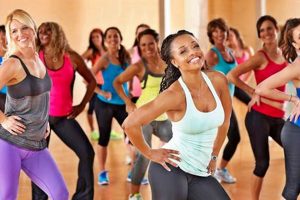
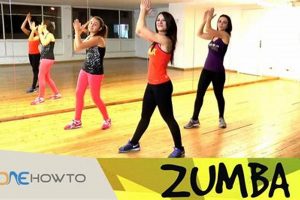
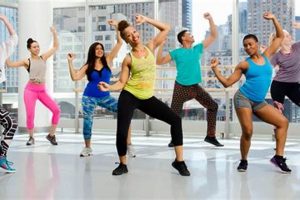
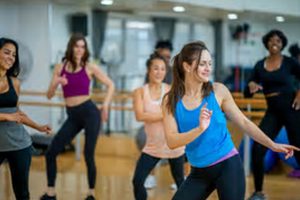
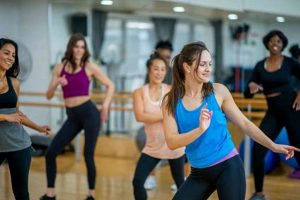
The practice of Zumba offers a multifaceted approach to physical fitness, integrating aerobic exercise with dance movements inspired by Latin American music. It represents an energetic workout routine characterized by its dynamic choreography and focus on rhythm and coordination.
Participation in this activity provides numerous advantages, including enhanced cardiovascular health, improved muscle tone, and increased caloric expenditure, contributing to weight management. Its engaging format can also foster a sense of community and enjoyment, encouraging consistent participation and promoting overall well-being. The origins of this fitness regimen trace back to the mid-1990s, evolving into a globally recognized program.
The subsequent discussion will explore the physiological and psychological advantages, delve into the impact on physical capabilities, and consider its role in holistic wellness.
Tips for Maximizing the Benefits of Zumba Dancing
To fully realize the advantages of Zumba dancing, consider these guidelines to enhance effectiveness and minimize the risk of injury.
Tip 1: Prioritize Proper Footwear: Select supportive athletic shoes designed for lateral movement. This reduces the potential for ankle strain and provides stability during the dynamic steps.
Tip 2: Hydrate Adequately: Drink water before, during, and after the session to maintain optimal hydration levels. Dehydration can impair performance and increase the risk of muscle cramps.
Tip 3: Master Fundamental Steps: Begin with beginner-level classes to familiarize oneself with the basic rhythms and steps. This establishes a solid foundation for progressing to more complex choreography.
Tip 4: Engage Core Muscles: Consciously engage the core muscles throughout the routine to improve stability and posture. A strong core contributes to overall balance and reduces the risk of lower back discomfort.
Tip 5: Listen to the Body: Pay attention to physical sensations and modify movements as needed to prevent overexertion. It is crucial to avoid pushing oneself beyond a comfortable range of motion, particularly for those new to exercise.
Tip 6: Maintain Consistent Attendance: Regular participation is key to experiencing the full spectrum of advantages. Aim for at least two to three sessions per week to optimize fitness gains.
Tip 7: Consider Supplementing with Strength Training: To enhance muscular strength and endurance, complement this dance-based workout with a structured strength-training regimen targeting major muscle groups.
Adhering to these recommendations can contribute significantly to a more effective and enjoyable experience, while simultaneously mitigating potential risks associated with high-intensity physical activity. Prioritizing safety and technique will ensure that the desired outcomes are achieved.
The concluding section will address potential challenges and offer strategies for long-term adherence to a dance-based fitness program.
1. Cardiovascular Health

Cardiovascular health benefits significantly from participation in Zumba due to the sustained aerobic nature of the activity. The rhythmic dance movements elevate heart rate and increase blood circulation, effectively providing a workout for the cardiovascular system. This, in turn, strengthens the heart muscle, reduces blood pressure, and improves overall vascular function. The sustained elevation in heart rate encourages efficient oxygen utilization and delivery throughout the body.
For example, individuals with sedentary lifestyles who incorporate Zumba into their routine often experience noticeable improvements in their endurance and a reduction in resting heart rate. Furthermore, consistent participation can contribute to lower levels of LDL cholesterol (“bad” cholesterol) and increased levels of HDL cholesterol (“good” cholesterol), thus reducing the risk of atherosclerosis and other cardiovascular diseases. The practical significance of this understanding lies in emphasizing Zumba as a proactive measure for individuals seeking to mitigate risk factors associated with heart disease.
In conclusion, the link between cardiovascular health and Zumba is direct and substantial. The aerobic demands of the activity stimulate positive physiological adaptations that contribute to a healthier cardiovascular system. However, individuals with pre-existing heart conditions should consult with a healthcare professional before beginning Zumba to ensure its suitability and safety. This highlights the importance of personalized health considerations within the broader context of fitness activities.
2. Calorie Expenditure

Calorie expenditure is a primary outcome associated with Zumba, making it a significant factor for individuals pursuing weight management or seeking to improve their metabolic health. The dynamic nature of the activity facilitates a substantial energy demand from the body, leading to a net reduction in caloric reserves.
- Intensity and Duration
The number of calories burned during a Zumba session is directly proportional to the intensity and duration of the workout. Higher intensity routines, characterized by faster tempos and more complex choreography, will generally result in greater energy consumption. Longer sessions naturally extend the period of elevated metabolic activity, increasing the overall calorie deficit.
- Individual Metabolic Rate
An individual’s basal metabolic rate (BMR) plays a crucial role in the total number of calories expended. Factors such as age, gender, muscle mass, and genetics influence BMR. Individuals with higher muscle mass, for instance, tend to burn more calories at rest and during exercise, amplifying the effect of Zumba on calorie expenditure.
- Movement Diversity
Zumba incorporates a wide array of dance styles and movements, engaging multiple muscle groups simultaneously. This holistic muscle activation contributes to a higher calorie burn compared to activities that isolate specific muscle groups. The combination of aerobic and resistance-type movements inherent in Zumba promotes both cardiovascular fitness and muscle strengthening, further enhancing caloric expenditure.
- Post-Exercise Oxygen Consumption (EPOC)
Zumba induces an elevated metabolic state even after the session concludes, known as the Excess Post-Exercise Oxygen Consumption (EPOC) or the “afterburn” effect. This phenomenon results in the body continuing to burn calories at an increased rate as it recovers and restores energy levels. The intensity of the Zumba workout influences the magnitude and duration of the EPOC effect, contributing to a more significant overall caloric deficit.
The interplay of intensity, individual metabolic factors, diverse movements, and the post-exercise oxygen consumption collectively contributes to Zumba’s effectiveness as a calorie-burning activity. These elements support its role in weight management, improved metabolic health, and enhanced physical fitness. By understanding and optimizing these components, individuals can maximize the caloric expenditure associated with Zumba and achieve their desired fitness goals.
3. Muscle Tone
The development of enhanced muscle tone represents a significant outcome of consistent participation in Zumba. This outcome is not primarily focused on hypertrophy (muscle enlargement) but rather on improving the definition and firmness of muscles through repeated engagement and resistance against body weight.
- Core Engagement and Stabilization
Zumba routines inherently require constant engagement of the core muscles for balance and postural control during dance movements. This repetitive activation strengthens the abdominal and back muscles, resulting in improved core stability and definition. Exercises such as hip rotations and lateral steps contribute directly to core muscle development, translating into a more toned midsection. For example, the frequent execution of “cumbia steps” necessitates the engagement of obliques, contributing to enhanced lateral core strength.
- Lower Body Strengthening
The choreography often involves squats, lunges, and various leg movements that target the muscles of the lower body, including the quadriceps, hamstrings, glutes, and calves. These movements provide resistance against body weight, promoting muscle strengthening and definition in the legs and buttocks. The repetitive execution of these exercises during each session contributes to a noticeable improvement in lower body muscle tone over time. As an illustration, the incorporation of “salsa steps” involves frequent weight shifting and leg extensions, strengthening the gluteal muscles.
- Upper Body Activation
While Zumba primarily focuses on lower body and core engagement, the incorporation of arm movements and hand gestures activates muscles in the upper body, including the shoulders, biceps, triceps, and back. Although the resistance is generally lower compared to dedicated strength training exercises, these movements contribute to muscle toning and improved upper body definition. Arm movements that are synchronized with the music rhythm create dynamic resistance, which promotes muscle endurance and strength. Simple arm raises during Zumba routines may improve shoulder muscle definition.
- Improved Posture and Body Alignment
Consistent practice promotes heightened awareness of body posture and alignment. This leads to more conscious engagement of muscles responsible for maintaining proper posture, such as the erector spinae and rhomboids. Improved posture can contribute to a more toned and defined appearance, even without significant changes in muscle size. Regular practice can result in improvements in spinal alignment and a corresponding increase in overall physical definition. For instance, the dynamic movements of Zumba are helpful for strengthening the back muscles, improving posture and overall core stability.
In summary, the enhanced muscle tone observed through Zumba is a result of repetitive muscle activation and engagement across multiple muscle groups. While not equivalent to the results achieved through dedicated strength training, the consistent engagement of muscles during Zumba routines promotes improved definition, stability, and postural alignment. This contributes to a more toned and physically defined appearance. The benefits are not simply cosmetic; improved muscle tone also supports functional strength and contributes to a reduced risk of injury.
4. Coordination Improvement

Zumba, by its very nature, necessitates the synchronization of movement with music, fostering significant enhancements in coordination. The activity demands the integration of multiple motor skills, requiring participants to process auditory cues and translate them into precise physical actions. This process strengthens the neural pathways involved in motor control, leading to improved kinesthetic awareness and reaction time. The sequential learning of choreographed routines promotes pattern recognition and the ability to anticipate upcoming movements, further refining coordination skills. In essence, it offers a complex stimulus environment that promotes and facilitates motor learning.
The improvements extend beyond the dance floor. Enhanced coordination translates into greater proficiency in other physical activities and daily tasks. For example, individuals who participate in Zumba often experience improvements in balance, agility, and spatial awareness, making them less prone to falls and injuries. The enhanced motor control also benefits activities requiring fine motor skills, such as writing, typing, or playing musical instruments. Moreover, the cognitive demands of coordinating movements with music stimulate neural plasticity, contributing to overall cognitive function. Individuals who struggle with motor coordination, such as those with developmental coordination disorder, may find a dance-based activity to have particularly effective remediation effects.
In summary, the improvement of coordination is a direct and tangible benefit. The repetitive practice of synchronized movements cultivates motor skills, resulting in enhanced physical capabilities and cognitive functions. This underscores its value as a comprehensive fitness activity promoting both physical and neurological well-being.
5. Stress Reduction
Engagement in this exercise-based activity provides a potent means of mitigating stress, owing to a combination of physiological and psychological mechanisms. The practice serves as an outlet for tension, promoting emotional regulation and enhancing overall well-being.
- Endorphin Release
Physical activity, including rhythmic movement, stimulates the release of endorphins, natural mood elevators that interact with receptors in the brain to reduce the perception of pain and induce feelings of euphoria. The sustained aerobic nature of Zumba fosters a consistent release of these neurochemicals, leading to a palpable reduction in stress and anxiety. This is akin to the “runner’s high” experienced by endurance athletes, but achieved through dance.
- Mindfulness and Present Moment Focus
The choreographed routines demand focused attention, requiring participants to be present in the moment and concentrate on the movements. This state of focused attention can serve as a form of active meditation, diverting attention away from ruminative thoughts and worries. The immersive nature of the activity allows individuals to temporarily detach from stressors, fostering a sense of mental clarity and calmness.
- Social Interaction and Support
Group participation fosters a sense of community and social connection, providing opportunities for interaction and shared experiences. Social support networks are known to buffer against the negative effects of stress, offering emotional validation and a sense of belonging. The camaraderie and shared enjoyment inherent in Zumba classes contribute to a positive social environment that promotes psychological resilience.
- Improved Body Image and Self-Esteem
Consistent participation can lead to improvements in physical fitness and body composition, fostering a more positive body image and heightened self-esteem. This enhanced sense of self-efficacy and physical competence can contribute to reduced anxiety and improved emotional regulation. Individuals who feel more confident and comfortable in their bodies are better equipped to cope with stressors.
The multifaceted stress-reducing benefits of Zumba, stemming from neurochemical changes, focused attention, social engagement, and enhanced self-perception, underscore its value as a holistic wellness practice. The synergistic interaction of these factors contributes to its efficacy in promoting psychological well-being and mitigating the adverse effects of chronic stress. The activity acts not simply as a physical workout, but as a means of addressing a wider set of variables relevant to emotional health.
6. Social Engagement

Social engagement constitutes a significant aspect of the overall benefits derived from participation in Zumba. It transcends the purely physical dimensions of fitness, extending into the realm of social interaction and community building. The group exercise environment fosters connections, providing a supportive context that enhances the overall experience.
- Community Building and Group Cohesion
Zumba classes inherently create a sense of community through shared activity. Participants engage in synchronized movements, creating a collective experience that fosters camaraderie and belonging. The supportive atmosphere encourages individuals to connect with others who share similar fitness goals. For instance, regular participants often form friendships within the class, leading to social interactions beyond the scheduled sessions. This cohesive environment provides motivation and encouragement, contributing to sustained participation.
- Reduced Feelings of Isolation
For individuals experiencing social isolation, Zumba classes can provide a valuable opportunity for interaction and connection. The group setting offers a structured environment for building relationships, reducing feelings of loneliness and alienation. The shared experience of learning and executing dance routines promotes a sense of commonality among participants. The classes can act as social safe zones that provide a low-pressure environment for individuals to connect with one another. This is particularly beneficial for those seeking to expand their social circles and reduce feelings of disconnectedness.
- Enhanced Motivation and Accountability
The social aspect of Zumba classes can significantly enhance motivation and accountability. Participants are more likely to attend classes consistently when they feel a sense of commitment to the group and have established relationships with other members. The peer support and encouragement provided by fellow participants can help individuals overcome challenges and stay on track with their fitness goals. The communal experience of achieving fitness goals provides a shared source of motivation. Knowing that others are relying on their presence can increase dedication and adherence.
- Opportunities for Social Learning
Zumba classes provide opportunities for learning social skills and developing interpersonal competence. Interacting with other participants requires individuals to communicate effectively, cooperate, and navigate social dynamics. The group setting promotes empathy and understanding as individuals support and encourage each other. This is significant as participants support each other on fitness journeys. The shared experience promotes trust and mutual respect as all participants are equal and motivated.
The facets of social engagement within Zumba collectively contribute to a more holistic and enriching fitness experience. The benefits extend beyond physical well-being, impacting psychological and social dimensions. By fostering community, reducing isolation, enhancing motivation, and promoting social learning, Zumba becomes more than just exercise; it becomes a vehicle for social connection and personal growth. This synergistic interaction between physical activity and social interaction underscores its appeal and effectiveness as a comprehensive wellness activity.
Frequently Asked Questions about Zumba
This section addresses common inquiries regarding the benefits and practical considerations surrounding Zumba participation. The responses aim to provide clear and concise information to enhance understanding of this activity.
Question 1: Is Zumba suitable for individuals with limited dance experience?
Zumba classes are typically designed to accommodate individuals of varying fitness levels and dance backgrounds. Instructors often provide modifications and variations for different movements, allowing participants to adjust the intensity according to their capabilities. Beginner classes focus on fundamental steps and rhythms, facilitating gradual skill development.
Question 2: What are the primary cardiovascular advantages associated with regular Zumba participation?
Regular Zumba engagement elevates heart rate and improves circulation, enhancing cardiovascular function. Consistent participation can lead to reduced blood pressure, improved cholesterol levels, and a decreased risk of cardiovascular diseases. The aerobic nature of the activity strengthens the heart muscle and promotes efficient oxygen utilization.
Question 3: How does Zumba contribute to weight management?
Zumba facilitates weight management through its calorie-burning properties. The dynamic movements and sustained aerobic activity increase energy expenditure, contributing to a caloric deficit. Regular engagement, combined with a balanced diet, can support weight loss or maintenance goals.
Question 4: Can Zumba improve muscle tone and strength?
While not primarily a strength-training activity, Zumba does engage multiple muscle groups, promoting improved muscle tone and definition. The repetitive movements and resistance against body weight contribute to increased muscle endurance and stability, particularly in the core and lower body.
Question 5: Are there any potential risks or contraindications associated with Zumba?
As with any physical activity, Zumba carries a risk of injury, particularly if proper form is not maintained. Individuals with pre-existing musculoskeletal conditions or cardiovascular issues should consult with a healthcare professional before participating. Adequate hydration and appropriate footwear are crucial to minimize risk.
Question 6: How often should one participate in Zumba to experience noticeable benefits?
For optimal results, it is generally recommended to participate in Zumba at least two to three times per week. Consistent engagement allows for cumulative benefits in cardiovascular health, muscle tone, and overall fitness. Individual results may vary depending on factors such as fitness level, diet, and genetics.
In conclusion, understanding the potential benefits and considerations associated with Zumba can enable individuals to make informed decisions regarding its incorporation into a fitness regimen. The activity offers a multifaceted approach to wellness, encompassing physical, social, and psychological dimensions.
The subsequent section will provide strategies for maintaining long-term adherence to a dance-based fitness program.
What are the Benefits of Zumba Dancing
This exploration has illuminated the multifaceted advantages associated with Zumba. Key areas examined include its positive impacts on cardiovascular health, calorie expenditure, muscle tone, coordination, stress reduction, and social engagement. The interrelation of these elements culminates in a holistic approach to physical and mental well-being.
Considering the demonstrated benefits, Zumba represents a viable option for individuals seeking a comprehensive and engaging fitness activity. Its sustained efficacy, however, relies on consistent participation and adherence to safe practices. Continued research may further unveil the long-term effects of Zumba on various health outcomes, solidifying its role in preventative healthcare and overall wellness promotion.