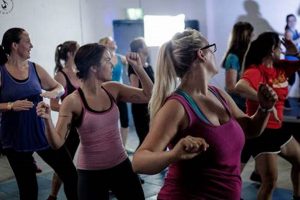
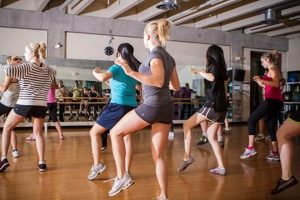
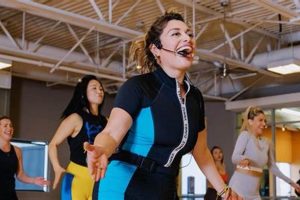
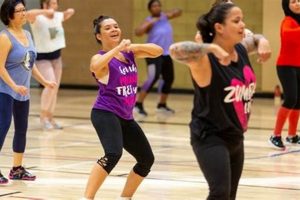
A specialized, extended Zumba session, typically lasting longer than a standard class, is conducted by a highly experienced and often celebrity Zumba instructor. These sessions provide participants with an immersive and intensified fitness experience. The events usually feature complex choreography, advanced techniques, and a vibrant, high-energy atmosphere designed to challenge and inspire individuals beyond the scope of a regular workout.
The elevated intensity offers a significant cardiovascular workout, contributing to improved fitness levels and enhanced endurance. Participation fosters a sense of community and shared accomplishment amongst attendees, boosting motivation and adherence to fitness goals. Historically, these specialized sessions have served as opportunities for instructors to showcase their expertise and for Zumba enthusiasts to learn from the best in the field. The added engagement contributes positively to both mental and physical wellbeing.
The following discussion will delve deeper into the components that constitute these specialized Zumba sessions, including the role of the instructor, the specific types of choreography employed, and the practical considerations for individuals interested in participating. Details on maximizing the workout potential and what to expect are further topics for discussion.
Tips for Participating in a Zumba Master Class
Preparation and awareness are essential for maximizing the benefits of participating in a specialized Zumba session. The following tips offer guidance for prospective participants:
Tip 1: Hydrate Adequately: Prior to, during, and following the session, consistent hydration is crucial. Dehydration can lead to fatigue and muscle cramps, hindering performance and overall enjoyment. Water and electrolyte-rich beverages are recommended.
Tip 2: Wear Appropriate Attire: Comfortable, breathable clothing that allows for a full range of motion is essential. Supportive athletic shoes with good traction are vital to prevent injuries from the dynamic movements.
Tip 3: Arrive Early: Arriving ahead of the scheduled start time permits adequate warm-up and familiarization with the studio environment. This also allows for securing a favorable position within the class setting.
Tip 4: Understand the Intensity Level: The specialized session is designed to be more intense than a standard Zumba class. Familiarity with basic Zumba steps and a reasonable level of cardiovascular fitness are beneficial.
Tip 5: Listen to the Instructor: Pay close attention to the instructor’s cues and modifications. The instructor may offer variations to accommodate different fitness levels or physical limitations.
Tip 6: Pace Appropriately: It is crucial to monitor one’s physical exertion and avoid pushing beyond personal limits. Taking breaks when needed is recommended to prevent overexertion.
Tip 7: Focus on Proper Form: Maintaining correct posture and form is vital to prevent injuries. Incorrect form can place undue stress on joints and muscles. Seek guidance from the instructor if needed.
Following these guidelines ensures a safer and more rewarding experience during participation. Attentive preparation and mindful execution are crucial for deriving maximum benefit.
The following section will address frequently asked questions regarding what to expect in specialized Zumba session environments, offering further clarity and valuable information to future participants.
1. Extended Duration

Extended duration is a fundamental characteristic that distinguishes this specialized Zumba session from a standard class. This temporal expansion has significant implications for the workout’s intensity, complexity, and overall participant experience.
- Increased Caloric Expenditure
The lengthened timeframe directly translates to a greater opportunity for caloric expenditure. A longer session allows for a sustained elevated heart rate, facilitating a more significant metabolic response. This is a key factor for individuals pursuing weight management or improved cardiovascular health.
- In-Depth Choreography Exploration
The extended duration permits instructors to introduce and thoroughly explain more intricate and challenging choreographic sequences. This allows participants to master advanced steps and combinations that might be unattainable within the constraints of a standard class. Real-world examples include incorporating routines from different Zumba styles, such as Zumba Toning or Zumba Sentao, into a single event.
- Enhanced Endurance Training
Sustained physical activity over a longer period contributes to enhanced muscular and cardiovascular endurance. The body is challenged to maintain consistent performance, leading to improved stamina and a greater capacity for sustained exertion in future workouts.
- Community Building and Social Interaction
The increased time frame facilitates more opportunities for social interaction and community building among participants. Longer sessions allow for greater camaraderie, shared accomplishment, and a deeper sense of connection within the Zumba community. This is particularly noticeable in larger events where participants come from varied backgrounds.
In conclusion, the extended duration isn’t merely a matter of time; it’s a catalyst for a more intense, comprehensive, and community-driven Zumba experience. It enables greater physical and mental challenges while reinforcing the social aspects that contribute to the overall appeal of this specialized event.
2. Advanced Choreography
Advanced choreography is an integral component that distinguishes a specialized Zumba session from standard offerings. It is not merely an increase in complexity; it represents a shift towards intricate routines designed to challenge experienced participants and elevate their fitness skills. The elevated skill requirement necessitates a level of dedication and coordination beyond that expected in typical classes.
- Complex Step Combinations
Advanced choreography incorporates step combinations that go beyond the basic Zumba steps. These combinations often involve layering multiple movements, requiring a higher level of coordination and memorization. For example, a routine might integrate elements from salsa, reggaeton, and belly dancing into a seamless sequence. The complexity demands that participants focus intently on mastering the rhythm and transitions, pushing them beyond their comfort zones.
- Faster Tempo and Rhythmic Variations
The tempo of the music and the rhythmic patterns employed in advanced choreography are often more challenging than those found in standard classes. Faster tempos demand quicker reflexes and more precise movements, while variations in rhythm require participants to adapt rapidly to changes in the music. A practical example includes sudden shifts between fast-paced merengue and slower, more sensual bachata within the same routine.
- Inclusion of Partner Work and Formations
Some advanced choreographies incorporate partner work or group formations. These elements introduce a new layer of complexity, as participants must coordinate their movements not only with the music but also with their partners or the larger group. Synchronized movements and formations enhance the visual appeal of the routine and foster a sense of community and teamwork. A formation change during a salsa segment would challenge the participants to quickly reposition.
- Focus on Musicality and Expression
Advanced choreography places a greater emphasis on musicality and expressive movement. Participants are encouraged to interpret the music and convey emotion through their dance. This requires a deep understanding of the music’s nuances and the ability to translate those nuances into physical expression. A routine set to a dramatic tango would challenge participants to embody the passion and intensity of the music through their movements and facial expressions.
In essence, the advanced choreography found in a specialized Zumba session functions as a vehicle for pushing physical and mental boundaries. The incorporation of intricate steps, varied tempos, partner work, and expressive movement creates a dynamic environment that challenges participants to refine their skills and deepen their connection with the music and the dance. It’s this level of sophistication that elevates the class to an experience beyond the ordinary.
3. Experienced Instructor

The presence of an experienced instructor is a cornerstone of these specialized Zumba sessions, significantly shaping the participant’s experience and the overall quality of the event. The instructor’s expertise extends beyond basic Zumba certification, encompassing advanced training, demonstrable mastery of complex choreography, and a proven ability to motivate and engage a diverse audience.
- Mastery of Choreography and Technique
Experienced instructors possess an in-depth understanding of Zumba’s various rhythms and styles, enabling them to execute complex choreography with precision and fluidity. This mastery translates into clear instruction and effective demonstration, allowing participants to learn advanced steps and combinations. An example is the seamless integration of unconventional dance styles, like Afrobeat or contemporary dance, into a Zumba routine while maintaining the core principles of the Zumba program.
- Adaptability and Modification Skills
A seasoned instructor is adept at modifying routines to accommodate participants of varying fitness levels and physical limitations. This includes providing regressions and progressions for exercises, offering alternative movement options, and tailoring the intensity of the workout to suit the needs of the group. For instance, an instructor might offer a low-impact version of a jump or suggest modifications for participants with knee pain.
- Motivation and Engagement Strategies
Beyond technical proficiency, experienced instructors possess strong interpersonal skills and the ability to create a positive and motivating atmosphere. This involves using effective communication techniques, providing encouraging feedback, and fostering a sense of community among participants. This can be seen in the instructor’s use of positive affirmations, personalized cues, and interactive segments that encourage participants to connect with each other.
- Deep Understanding of Exercise Physiology
The veteran instructor can accurately gauge the audience’s level of fitness and monitor it to prevent injuries. A grasp of kinesiology allows them to promote proper techniques while pushing the students’ physical and mental limits.
In summary, the experienced instructor is a critical factor in ensuring the success of the specialized Zumba session. Their expertise in choreography, modification techniques, motivation, and community building contributes to a high-quality, engaging, and safe experience for all participants. The instructor’s presence elevates the class from a standard workout to an immersive and transformative fitness event.
4. Elevated Intensity

Elevated intensity is a defining characteristic of a specialized Zumba session. This elevated exertion level distinguishes it from standard Zumba classes and contributes significantly to the overall participant experience and fitness outcomes. The intensification stems from various factors, including a faster pace, more complex movements, and longer duration.
- Increased Cardiovascular Demand
The elevated intensity places a greater demand on the cardiovascular system. The faster pace and more complex movements require the heart to pump blood more rapidly, leading to an increase in heart rate and oxygen consumption. This heightened cardiovascular demand promotes improved cardiovascular fitness and endurance. Examples include routines with rapid transitions between high-impact and low-impact movements or extended periods of high-energy dance sequences that challenge the heart and lungs.
- Greater Muscular Engagement
The specialized session incorporates movements that engage a wider range of muscle groups and require greater muscular effort. This promotes increased muscular strength, endurance, and definition. Examples include routines that incorporate squats, lunges, and core-strengthening exercises, as well as movements that require greater range of motion and flexibility. Participants might find the intensity is elevated by the repetitive motion requiring a sustained level of strength and balance.
- Heightened Caloric Expenditure
The combination of increased cardiovascular demand and greater muscular engagement results in heightened caloric expenditure. The body burns more calories to fuel the increased physical activity, contributing to weight management and improved body composition. Participants often report feeling a more significant metabolic effect after these high intensity sessions. This makes it a preferred activity for individuals seeking to maximize calorie burn and improve their fitness levels.
- Enhanced Mental Focus and Coordination
The specialized session demands heightened mental focus and coordination. The faster pace and more complex movements require participants to pay close attention to the instructor’s cues and coordinate their movements with precision. This enhanced mental focus can improve cognitive function and motor skills. Examples include routines that require participants to quickly adapt to changes in rhythm and tempo or to execute intricate dance sequences with precision and timing.
The elevated intensity found in specialized Zumba sessions provides participants with a more challenging and rewarding workout experience. The combination of increased cardiovascular demand, greater muscular engagement, heightened caloric expenditure, and enhanced mental focus promotes improved fitness outcomes and overall well-being. This intensification is not merely about working harder; it’s about working smarter to maximize the benefits of the Zumba program.
5. Community Atmosphere

The communal environment within a specialized Zumba session significantly enhances the overall experience. It fosters a sense of belonging and shared purpose, contributing to participant motivation, engagement, and adherence. This collective dynamic is a key differentiator when considering specialized events.
- Shared Experience and Encouragement
Participants collectively navigate the physical challenges, fostering mutual support and encouragement. The shared experience of mastering complex routines and pushing physical limits generates camaraderie. Verbal encouragement and nonverbal cues of support among participants contribute to a positive and motivating atmosphere, enhancing individual performance. This aspect of a shared journey promotes collective motivation.
- Reduced Inhibition and Increased Confidence
The group setting can reduce self-consciousness, allowing participants to feel more comfortable expressing themselves and trying new movements. The shared focus on the music and choreography diminishes individual scrutiny, fostering a sense of freedom and acceptance. This effect can be especially beneficial for individuals who are new to Zumba or who may feel hesitant about their dancing abilities. Participants find confidence in numbers and shared aspirations.
- Networking and Social Interaction
Specialized sessions often attract individuals with a shared interest in fitness and dance, providing opportunities for networking and social interaction. Participants can connect with others who share their passion, forming friendships and support systems that extend beyond the class setting. These connections can provide motivation, accountability, and a sense of belonging within a broader fitness community. It enables the sharing of fitness tips and encouragement from a shared perspective.
- Celebration of Diversity and Inclusion
Specialized Zumba sessions often draw participants from diverse backgrounds and fitness levels, creating an environment of inclusivity and acceptance. The shared experience transcends individual differences, fostering a sense of unity and belonging. The celebration of different body types, dance styles, and cultural backgrounds contributes to a vibrant and enriching communal atmosphere. This fosters mutual respect, regardless of background.
The communal environment within these Zumba sessions is a powerful force that enhances the physical and mental benefits of the program. The shared experience, reduced inhibition, opportunities for social interaction, and celebration of diversity contribute to a supportive and motivating environment that fosters individual growth and collective well-being. This contributes significantly to the enduring appeal of the specialized Zumba format.
Frequently Asked Questions
This section addresses common inquiries concerning specialized Zumba sessions, providing clarity on various aspects of participation and expectations.
Question 1: Is specialized Zumba session suitable for beginners?
While individuals with some Zumba experience will benefit most, motivated beginners are not necessarily excluded. The key lies in understanding personal fitness levels and being prepared to modify movements as needed. Open communication with the instructor regarding any limitations is crucial.
Question 2: How does a specialized Zumba session differ from a regular class?
The specialized session typically features an extended duration, advanced choreography, and is led by a highly experienced or celebrity Zumba instructor. The intensity is generally higher than that of a standard class, requiring greater stamina and coordination.
Question 3: What attire and footwear are recommended?
Comfortable, breathable athletic clothing is essential. Supportive athletic shoes with good traction are vital to prevent injuries. Avoid restrictive clothing that may impede movement.
Question 4: How can participants prepare for the elevated intensity?
Adequate hydration in the days and hours leading up to the session is crucial. A light, easily digestible meal consumed a few hours prior can provide sustained energy. Arriving early allows for a proper warm-up and familiarization with the studio environment.
Question 5: Are specialized Zumba sessions physically demanding?
Yes, they are designed to be more physically demanding than regular classes. Individuals should be prepared for a sustained, high-intensity workout that challenges cardiovascular fitness and muscular endurance. Participants should exercise caution to prevent injuries.
Question 6: What should participants do if they experience discomfort or fatigue?
It is essential to listen to the body and take breaks as needed. Overexertion can lead to injury. Communicate any discomfort or pain to the instructor, who can provide modifications or guidance. The session should be treated as a guided physical activity and not a forced exertion.
In summary, these specialized Zumba sessions offer an intensified and rewarding fitness experience. Informed preparation and self-awareness are vital for maximizing the benefits and minimizing the risk of injury.
The following section will offer a concluding overview, reinforcing the core concepts and emphasizing the lasting value of understanding the specialized Zumba session environment.
Conclusion
This exploration of the specialized Zumba session has elucidated its defining characteristics: extended duration, advanced choreography, the presence of an experienced instructor, heightened intensity, and a supportive community atmosphere. These elements coalesce to create a fitness experience that transcends a standard Zumba class. It presents a unique opportunity for participants to challenge their physical limits, enhance their skills, and connect with a broader community of fitness enthusiasts.
The knowledge gained from this analysis empowers individuals to make informed decisions regarding participation, maximizing the potential benefits while minimizing risks. Understanding the commitment required, the necessary preparation, and the expected outcomes is paramount. The specialized Zumba session represents a valuable avenue for pursuing enhanced fitness, provided it is approached with awareness and a dedication to personal well-being. Continued engagement with evolving Zumba practices ensures relevance and sustained positive impact.