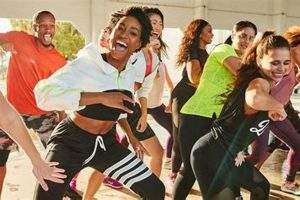
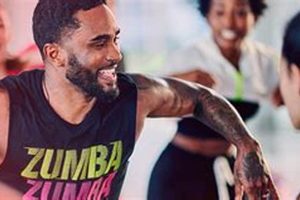
A Zumba instructor is a fitness professional licensed to lead Zumba classes. These instructors guide participants through choreographed dance routines set to Latin and international music, creating an energetic and engaging workout experience. An example of their role is leading a class where participants follow their movements to achieve a full-body workout, improving cardiovascular health and coordination.
The role is important because it provides accessible fitness options that are enjoyable and motivating. Individuals benefit from the combination of exercise and dance, leading to increased physical fitness, stress reduction, and social interaction. Historically, the concept emerged from combining Latin dance rhythms with fitness principles, evolving into a globally recognized exercise program.
The following sections will delve into the qualifications, responsibilities, and skills necessary to become a successful licensed professional, as well as the process of obtaining and maintaining that license. The article will also explore the varied career paths available to these instructors and the impact they have on their communities.
Guidance for Aspiring Zumba Instructors
This section provides essential advice for individuals pursuing a career as a Zumba instructor. Adhering to these suggestions can significantly enhance effectiveness and professionalism in this field.
Tip 1: Prioritize Formal Training: Obtain certification through the official Zumba Instructor Training program. This ensures a thorough understanding of Zumba methodologies and safe exercise practices. For example, completing the Zumba Basic 1 training is a foundational step.
Tip 2: Master Choreography Skills: Develop proficiency in learning and teaching Zumba choreography. Practice extensively to ensure movements are precise and easily followed by participants. Regularly review Zumba instructor resources for new routines and variations.
Tip 3: Cultivate Effective Communication: Clearly and concisely communicate instructions and cues to the class. Utilize non-verbal cues, such as hand signals and facial expressions, to guide participants effectively. A demonstration of clear instruction can be providing modification options for different fitness levels.
Tip 4: Enhance Musicality: Develop a strong sense of rhythm and musicality. Understanding the structure of Zumba music allows for seamless transitions and enhanced class energy. Analyze the beat and tempo of songs to synchronize movements appropriately.
Tip 5: Foster a Positive Environment: Create an inclusive and motivating class atmosphere. Encourage participation from all individuals, regardless of their fitness level or dance experience. Offering positive reinforcement and celebrating successes can build camaraderie.
Tip 6: Maintain Professional Development: Continuously seek opportunities for professional growth. Attend Zumba conventions, workshops, and online courses to expand knowledge and skills. Staying current with industry trends and best practices is crucial.
Tip 7: Secure Proper Licensing and Insurance: Ensure compliance with all legal and regulatory requirements. Obtain the necessary Zumba Instructor Network (ZIN) membership and liability insurance. This protects both the instructor and the participants in case of accidents.
These guidelines provide a solid foundation for aspiring Zumba instructors. By consistently implementing these strategies, individuals can establish a successful and rewarding career in the fitness industry.
The subsequent section will discuss the marketing and promotional strategies necessary for building a thriving Zumba class and attracting a loyal following.
1. Licensed professional
The concept of a “licensed professional” is fundamentally linked to defining a qualified Zumba instructor. It signifies adherence to specific standards, training, and ethical guidelines established by Zumba Fitness, LLC. This licensing is not merely a formality but a critical element that ensures instructors possess the necessary competencies to conduct safe and effective classes.
- Formal Certification
Licensing mandates completion of official Zumba instructor training courses. These courses provide instruction on Zumba’s core principles, basic steps, choreography, and teaching methodologies. An example of the training received is the Basic 1 certification, which enables instructors to teach fundamental Zumba classes. Without this certification, an individual cannot legitimately represent themself as a qualified Zumba instructor.
- Adherence to Safety Protocols
Licensing ensures that instructors are aware of and capable of implementing safety protocols. This includes understanding proper warm-up and cool-down techniques, recognizing potential risks of injury, and modifying exercises for individuals with limitations. An example of this is the ability to adapt routines for pregnant women or individuals with joint problems, ensuring a safe and inclusive environment.
- Legal and Ethical Compliance
Licensed instructors are bound by a code of ethics that governs their professional conduct. This includes respecting copyright laws regarding Zumba music and choreography, maintaining appropriate professional boundaries with participants, and avoiding misleading or deceptive marketing practices. Failure to adhere to these ethical standards can result in revocation of the instructor’s license.
- Continuous Professional Development
Maintaining a valid Zumba license often requires ongoing professional development. This might involve attending workshops, renewing certifications, or completing continuing education courses. This ensures that instructors remain current with the latest trends and best practices in the Zumba fitness industry, thereby enhancing the quality of their instruction and safeguarding the well-being of their participants. An instructor who takes additional training on advanced techniques or special populations exemplifies continuous professional development.
In summation, the “licensed professional” attribute is inextricably linked to the definition of a competent Zumba instructor. It validates their training, knowledge of safety protocols, ethical commitment, and ongoing pursuit of professional development. Therefore, prospective participants should verify that their instructor possesses a valid Zumba license to ensure they are receiving qualified and safe instruction.
2. Choreography expertise

Choreography expertise forms a cornerstone of the skillset of a Zumba instructor. It encompasses the knowledge, ability, and artistry required to design, teach, and adapt dance-based fitness routines effectively. This expertise goes beyond simply knowing the steps; it involves understanding the underlying principles of dance, music, and fitness to create a cohesive and engaging experience for participants.
- Routine Design and Structure
The ability to design well-structured Zumba routines is essential. This involves selecting appropriate music, sequencing steps logically, and incorporating variations to cater to different fitness levels. A well-designed routine will have a clear beginning, middle, and end, with a gradual increase in intensity to maximize workout effectiveness. For example, an instructor might start with a slower warm-up, progress to high-energy Latin rhythms, and conclude with a cool-down sequence.
- Step Knowledge and Adaptation
A comprehensive understanding of Zumba steps, including their proper execution and variations, is paramount. An instructor must be able to demonstrate the steps clearly and provide modifications for participants who may have physical limitations or different fitness levels. Adapting a merengue step to be lower impact for a participant with knee problems is a concrete example of this skill in action.
- Musicality and Rhythm
Synchronization of movement with music is a defining characteristic of Zumba. Expertise in musicality allows instructors to interpret the rhythm and nuances of different musical genres, translating them into appropriate dance steps. Instructors skilled in musicality can anticipate changes in the music and seamlessly transition between different dance styles, creating a more dynamic and engaging class. For instance, the ability to align a salsa step precisely with the clave rhythm demonstrates mastery of musicality.
- Cueing and Communication
Effective cueing is critical for guiding participants through the choreography. This involves providing clear and concise instructions, using both verbal and non-verbal cues, to indicate upcoming steps and transitions. Expertise in cueing ensures that participants can follow the routine without confusion, even if they are new to Zumba. For example, using a hand gesture to signal a forthcoming grapevine step is a common cueing technique.
These elements of choreography expertise are inextricably linked to the effectiveness of a Zumba instructor. Mastery of routine design, step knowledge, musicality, and cueing enables instructors to deliver safe, engaging, and effective fitness experiences that contribute to the overall success of the Zumba program and the well-being of the participants. This expertise is not static; instructors must continually update their knowledge and skills to remain relevant and engaging in a dynamic fitness landscape.
3. Motivating leadership

The ability to provide motivating leadership constitutes a fundamental aspect of the professional identity. This attribute transcends mere instruction in choreographed dance routines; it encompasses the capacity to inspire, encourage, and empower participants to achieve their fitness goals and foster a positive exercise environment. The effectiveness of a Zumba class is directly correlated with the instructor’s ability to create a sense of community and personal investment among the attendees. For instance, an instructor who celebrates individual achievements, regardless of scale, cultivates a supportive atmosphere that encourages continued participation and effort.
Motivating leadership manifests through various actions, including providing positive reinforcement, offering personalized encouragement, and adapting the class to meet the needs of diverse participants. An instructor who recognizes a participant struggling with a particular movement and offers specific, constructive feedback, rather than general encouragement, demonstrates a commitment to individual progress. Furthermore, varying the intensity levels and choreography to accommodate different fitness levels ensures that all participants feel challenged yet capable, preventing discouragement and promoting sustained engagement. The creation of themed classes or the introduction of new dance styles can also serve as motivational tools by adding variety and excitement to the exercise regimen.
In conclusion, motivating leadership is not merely a desirable trait but a critical component of a successful Zumba instructor’s skill set. It fosters a positive and inclusive environment, promotes individual progress, and ultimately contributes to the long-term adherence and enjoyment of the Zumba program. The absence of motivating leadership can lead to decreased participation, diminished results, and a less satisfying experience for participants. This attribute, therefore, distinguishes merely competent instructors from those who truly excel and make a significant impact on the well-being of their participants.
4. Fitness knowledge

Fitness knowledge is an indispensable attribute for a Zumba instructor. While Zumba is primarily a dance-fitness program, a comprehensive understanding of exercise science, anatomy, and physiology is crucial for ensuring participant safety and maximizing workout effectiveness. This knowledge informs an instructor’s ability to modify routines, provide appropriate guidance, and address participant concerns related to physical limitations or potential injuries. An instructor with solid fitness knowledge can identify incorrect form that might lead to injury and provide corrective cues, thereby mitigating risk and promoting proper movement patterns. For instance, understanding biomechanics allows for adjustments to a salsa step to protect a participant’s knee joint.
The application of fitness knowledge extends to designing well-rounded Zumba classes that incorporate elements of cardiovascular fitness, muscular endurance, and flexibility. An instructor aware of target heart rate zones can structure the class to optimize cardiovascular benefits while monitoring participant exertion levels. Furthermore, knowledge of muscle groups and their functions enables the incorporation of exercises that target specific areas, leading to a more balanced and comprehensive workout. As an example, integrating squats or lunges during a merengue routine can enhance lower body strength and endurance. Additionally, fitness knowledge allows the instructor to better communicate the health benefits of Zumba classes, increasing adherence rates among participants.
In conclusion, fitness knowledge elevates a Zumba instructor from a mere dance leader to a skilled fitness professional capable of promoting safe, effective, and well-rounded exercise experiences. The integration of scientific principles into Zumba instruction ensures that participants not only enjoy the class but also derive maximum physical benefit while minimizing potential risks. The challenges associated with acquiring and maintaining this knowledge highlight the importance of continuous professional development for instructors. The ultimate impact of this integration is a more valuable and sustainable Zumba experience for both the instructor and participants.
5. Musicality skills

Musicality skills represent a core competency for a Zumba instructor, influencing class structure, participant engagement, and overall effectiveness. These skills go beyond merely playing music; they encompass a deep understanding of rhythm, tempo, and musical phrasing, allowing the instructor to synchronize movements seamlessly with the music.
- Tempo Awareness and Application
A Zumba instructor must possess a keen awareness of tempo, adjusting the pace of movements to match the music’s beat. This synchronization is crucial for maintaining the energy of the class and ensuring participants can follow the choreography effectively. For instance, an instructor will select faster, more intense routines for high-energy sections of a class and slower, more deliberate movements during warm-up or cool-down phases. Failure to accurately match tempo to movement can result in a disjointed and confusing experience for participants, reducing their motivation and enjoyment.
- Rhythm Interpretation and Translation
The ability to interpret and translate complex rhythms into dance steps is essential. Different Latin and international music genres, commonly used in Zumba, have distinct rhythmic patterns. An instructor must be able to discern these patterns and select corresponding movements that complement the music’s underlying structure. For example, interpreting the clave rhythm in salsa music and incorporating appropriate footwork patterns demonstrates a nuanced understanding of rhythm. Conversely, neglecting to align steps with the rhythm can lead to a dissonance between the music and the movement, detracting from the overall Zumba experience.
- Musical Phrasing and Transition Management
Musicality extends to understanding musical phrasing, including recognizing introductions, verses, choruses, and bridges. This allows an instructor to structure routines that correspond to the music’s natural flow, creating a sense of coherence and anticipation. Skillful transition management involves seamlessly moving between different musical sections, often incorporating variations in intensity or dance styles. For instance, an instructor might increase the energy level during the chorus of a song and then transition to a more relaxed movement during the verse. Ineffective transition management can disrupt the class’s flow and reduce its overall impact.
- Cultural Sensitivity and Authenticity
Musicality also requires cultural sensitivity and a commitment to authenticity when using music from different regions and genres. An instructor should understand the cultural context of the music and strive to represent it respectfully through appropriate dance steps and movements. This involves researching the origins of different musical styles and avoiding stereotypes or misrepresentations. For instance, accurately performing the steps associated with cumbia music demonstrates cultural awareness and respect. Conversely, using culturally insensitive or inappropriate movements can alienate participants and undermine the instructor’s credibility.
In summary, musicality skills are paramount for a successful Zumba instructor. The integration of tempo awareness, rhythm interpretation, musical phrasing, and cultural sensitivity enhances the quality of the Zumba experience. These components work together to create an engaging, effective, and respectful environment for participants. Therefore, the acquisition and refinement of musicality skills should be a continuous priority for Zumba instructors committed to providing high-quality instruction.
6. Community builder
The role of a Zumba instructor extends beyond the delivery of fitness instruction to include the cultivation of a supportive and inclusive community. This facet is critical in fostering participant engagement, adherence, and overall well-being, thereby solidifying the instructor’s position within the fitness landscape.
- Fostering Social Interaction
A Zumba instructor creates opportunities for social interaction among participants. This might involve organizing group activities outside of class, facilitating communication among attendees, or simply encouraging interaction during class transitions. A successful instantiation is seen when an instructor orchestrates a post-class social gathering, enabling participants to connect beyond the studio. These actions cultivate a sense of belonging, increasing participant commitment to the Zumba program.
- Creating an Inclusive Environment
The instructor actively works to ensure that individuals of all fitness levels, backgrounds, and abilities feel welcome and supported. This involves adapting routines to accommodate different needs, providing encouragement and positive reinforcement, and addressing any instances of exclusion or discrimination. This inclusion can be observed when an instructor modifies steps for individuals with physical limitations and celebrates everyone’s efforts, regardless of their skill level, promoting a supportive atmosphere.
- Encouraging Mutual Support
A proficient instructor fosters a culture of mutual support among participants. This can be achieved by promoting teamwork during certain routines, encouraging participants to help one another learn new steps, or creating opportunities for peer encouragement. A practical scenario is observed when experienced participants assist newer members with complex choreography, creating a learning environment where mutual assistance is the norm. This collaborative environment contributes significantly to participant motivation and enjoyment.
- Building Long-Term Relationships
The community-building aspect of being a Zumba instructor extends to forming lasting relationships with participants. This involves taking a genuine interest in their lives, remembering their names and personal details, and offering support and encouragement both inside and outside of class. An illustration of this principle is seen in instructors who remember participants’ birthdays or offer support during challenging times, strengthening their connection with the Zumba community and enhancing overall well-being.
The integration of these community-building strategies defines a comprehensive approach to Zumba instruction. By prioritizing social interaction, inclusivity, mutual support, and relationship building, a Zumba instructor can cultivate a thriving community that fosters participant engagement, long-term adherence, and overall well-being, thereby solidifying their role as more than just a fitness instructor.
Frequently Asked Questions
This section addresses common inquiries regarding the role, responsibilities, and qualifications associated with being a Zumba instructor. It provides clear and concise information to clarify any misconceptions.
Question 1: What are the fundamental prerequisites to becoming a licensed Zumba instructor?
The primary requirement involves completing the official Zumba Basic 1 Instructor Training. This certification provides the foundational knowledge and skills necessary to lead Zumba classes safely and effectively. Additional advanced training modules may further enhance an instructor’s expertise.
Question 2: How is instructor competency and safety within a class setting assured?
Zumba Fitness, LLC, mandates certification and adherence to specific guidelines to ensure instructor competency. Licensed instructors are expected to maintain valid certifications and follow recommended practices regarding warm-up procedures, choreography, and participant safety protocols. Failure to comply can result in license revocation.
Question 3: What are the critical skills a Zumba instructor needs to excel in a class?
Essential skills include proficiency in choreography, effective communication, musicality, and the ability to motivate participants. Instructors must demonstrate a strong understanding of Zumba steps, articulate instructions clearly, synchronize movements with music, and create a positive and inclusive environment to maintain participant engagement.
Question 4: What ongoing responsibilities does a Zumba instructor have to maintain their Zumba instructor?
Maintaining a Zumba instructor license often involves continuous professional development. This may include attending workshops, renewing certifications, and completing continuing education courses. Such activities ensure instructors remain current with the latest trends and best practices in the Zumba fitness industry.
Question 5: How does a Zumba instructor build community within a class?
Community building involves fostering social interaction, creating an inclusive environment, encouraging mutual support, and building long-term relationships with participants. This can be achieved through organized activities, personalized encouragement, and celebrating individual achievements.
Question 6: What is the difference between a certified Zumba instructor and an individual simply leading dance-fitness classes?
A certified Zumba instructor has undergone official training, adheres to Zumba Fitness, LLC guidelines, and is licensed to use the Zumba brand and choreography. An individual leading dance-fitness classes without this certification may lack the proper training and authorization, potentially compromising participant safety and the integrity of the Zumba program.
In summation, understanding the requirements, responsibilities, and skills associated with being a Zumba instructor is crucial for ensuring quality and safety within the Zumba program. Proper licensing, continuous professional development, and a commitment to community building are essential components of a successful instructor.
The subsequent section will explore the career paths and opportunities available to those pursuing a career in Zumba instruction.
Concluding Remarks on the Zumba Instructor Profession
This article has comprehensively explored the multifaceted role of the Zumba instructor. It has identified the core requirements, skills, and responsibilities that define a qualified professional within this fitness discipline. The emphasis on licensing, choreography expertise, motivating leadership, fitness knowledge, musicality skills, and community building underscores the complexities inherent in effective Zumba instruction.
The ongoing evolution of the fitness industry necessitates a continuous commitment to professional development and adherence to ethical standards. The information presented herein should serve as a foundation for aspiring and current instructors seeking to enhance their practice and contribute to the well-being of their participants. The continued growth and positive impact of Zumba relies on the dedication and competence of those who lead its classes.