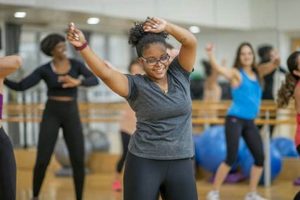
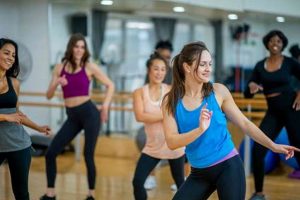
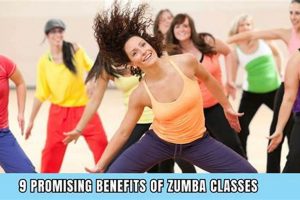
These sessions represent a fusion of dance and fitness, incorporating Latin-inspired rhythms and movements into an aerobic workout. Participants follow instructors through a choreographed routine, blending elements of salsa, merengue, cumbia, and reggaeton. An example includes a combination of steps and arm movements synchronized to a specific musical beat, repeated to build cardiovascular endurance and coordination.
The significance of these activities lies in their accessibility and enjoyable nature. Benefits include improved cardiovascular health, increased muscle tone, enhanced coordination, and stress reduction. Historically, the format originated as an accidental improvisation when a fitness instructor forgot his regular music and substituted Latin music tapes.
The appeal of this type of fitness regimen provides a framework for exploring the diverse styles and intensities offered. Further discussion will detail typical class structure, modifications for different fitness levels, and the various formats beyond the standard offering, such as aquatic or specialized age group options.
Guidance for Optimal Participation
Effective engagement in these fitness sessions involves more than simply following the steps. Maximizing benefits requires attention to several key elements.
Tip 1: Prioritize Proper Footwear: Stability and support are crucial to prevent injury. Cross-training shoes with good lateral support are recommended. Avoid running shoes, which are designed for forward motion and lack the necessary stability for side-to-side movements.
Tip 2: Hydrate Adequately: These workouts induce significant perspiration. Consuming water before, during, and after the session is essential for maintaining electrolyte balance and preventing dehydration.
Tip 3: Arrive Early: Familiarizing oneself with the space and positioning appropriately enhances the experience. Arriving early allows for securing a clear view of the instructor and adequate personal space.
Tip 4: Listen to the Body: Modifications are acceptable and encouraged. Participants should adjust movements to accommodate individual limitations and prevent overexertion. Prioritize correct form over keeping pace.
Tip 5: Focus on Core Engagement: Activating the abdominal muscles throughout the session provides stability and maximizes the workout’s effectiveness. Consciously engaging the core promotes better posture and reduces strain on the lower back.
Tip 6: Embrace the Enjoyment: These classes are designed to be fun. Allowing oneself to relax and enjoy the music and movement enhances the overall experience and increases adherence.
Tip 7: Understand Basic Steps: While not required, familiarity with common Latin dance steps, like the Salsa basic or Merengue march, can improve confidence and coordination within the class.
Adhering to these guidelines contributes to a safer, more effective, and ultimately more rewarding exercise experience, promoting improved fitness and well-being.
With a strong understanding of key strategies for effective participation, a comprehensive exploration of common misconceptions surrounding the classes can prove beneficial for potential participants.
1. Latin-Inspired Aerobics

Latin-inspired aerobics forms the foundational core of the activity. The influence is manifested in the music selection, rhythmic patterns, and dance movements incorporated into the routines. Without this influence, the class would lose its distinctive character and potentially its appeal. For example, the inclusion of salsa, merengue, and cumbia rhythms dictates the tempo and the types of steps executed, transforming a standard aerobic workout into a culturally rich and engaging experience. The effect is a workout that feels less like exercise and more like a dance party, encouraging greater participation and adherence.
The significance lies not only in enjoyment but also in accessibility. Latin rhythms are often intuitive, even for those with limited dance experience, which makes the sessions approachable for a broad range of individuals. Furthermore, the inherent energy and passion of Latin music motivates participants to push themselves harder, resulting in more effective cardiovascular workouts. The practical application includes improved coordination, increased calorie burn, and enhanced overall fitness, all achieved within a fun and energetic environment. Instructors often build routines around core Latin steps, providing a foundation for participants to develop dance skills while improving their physical health.
In summary, Latin-inspired aerobics are not merely an element but the very essence of the classes. The musical and movement influence shapes the structure, appeal, and effectiveness of the workout. A challenge lies in ensuring authenticity while catering to diverse skill levels and cultural backgrounds. Nonetheless, understanding this connection is crucial for both instructors and participants to fully appreciate the unique benefits and characteristics of the regimen. This understanding can be used to promote greater participation and improve the overall class experience.
2. Choreographed Routines
Choreographed routines are a fundamental component of these group fitness classes, providing structure and a consistent workout experience. Their implementation influences the workout’s intensity, accessibility, and overall effectiveness.
- Structured Workout Format
The presence of pre-designed routines ensures a standardized workout experience across different locations and instructors. This structure allows participants to anticipate the sequence of movements and progressively improve their performance. For example, a routine might begin with a warm-up section, progress through a series of Latin dance-inspired steps, and conclude with a cool-down phase. The predictability of this format helps build confidence and familiarity.
- Accessibility and Inclusivity
Choreography enables modification and adaptation for diverse fitness levels. Instructors can provide variations of steps to accommodate beginners or individuals with physical limitations. For example, a high-impact jump can be substituted with a low-impact step touch, maintaining the rhythm and energy of the routine while reducing the risk of injury. This adaptability contributes to the inclusivity of the classes.
- Memorization and Cognitive Benefits
Learning and executing choreographed sequences engage cognitive functions such as memory and coordination. Participants must remember the order of steps and synchronize their movements with the music. For example, remembering a combination of salsa and merengue steps requires focused attention and improves mental agility. These cognitive benefits extend beyond the physical workout, potentially enhancing overall brain health.
- Progression and Skill Development
Routines can be designed to progressively increase in complexity and intensity over time. This allows participants to gradually develop their dance skills and improve their cardiovascular fitness. For example, a beginner routine might focus on basic steps, while an advanced routine might incorporate more intricate footwork and faster tempos. This progressive structure provides a pathway for continuous improvement and prevents plateaus.
The strategic incorporation of choreographed routines, therefore, directly contributes to the accessibility, enjoyment, and effectiveness of these classes. The structural element it provides is key to maintaining participant engagement and producing consistent fitness results.
3. Cardiovascular Fitness
The relationship between these fitness sessions and cardiovascular fitness is direct and significant. The activity inherently elevates heart rate and respiration, thereby stimulating the cardiovascular system. Continuous movement, rhythmic patterns, and varied intensity levels contribute to an aerobic workout that enhances heart strength, improves blood circulation, and increases lung capacity. A tangible effect is observable in participants exhibiting improved endurance and reduced resting heart rates over time.
The incorporation of interval training principles within routines amplifies the cardiovascular impact. Periods of high-intensity movement, simulating sprints, are interspersed with lower-intensity recovery phases. This approach challenges the heart to adapt to varying demands, promoting greater efficiency. For example, a session might alternate between rapid salsa steps and slower cumbia rhythms, providing a dynamic cardiovascular challenge. The practical application involves a decreased risk of cardiovascular diseases and improved overall physical well-being. Regular participation can also lead to enhanced metabolic function and better weight management.
In summation, participation demonstrably contributes to improved cardiovascular health. The elevated heart rate and varied intensity levels serve as a potent stimulus for strengthening the heart and improving circulatory function. A challenge lies in ensuring that individuals with pre-existing cardiovascular conditions participate safely and effectively, often requiring modifications and consultation with healthcare professionals. Understanding this connection reinforces the potential benefits of these classes as a valuable component of a comprehensive fitness regimen.
4. Cultural Fusion

The integration of diverse cultural elements defines the essence of these group fitness activities. The most prominent demonstration lies in the blending of Latin American dance styles with aerobic exercise principles. This fusion introduces a unique and appealing workout format, diverging from traditional aerobics routines. For instance, a single session may incorporate elements of salsa from Cuba, merengue from the Dominican Republic, cumbia from Colombia, and reggaeton from Puerto Rico. Each dance style contributes distinct rhythms, steps, and movements, creating a multifaceted exercise experience. The result is a workout that celebrates cultural diversity while promoting physical fitness.
The significance of cultural fusion extends beyond mere aesthetic appeal; it enhances accessibility and inclusivity. By incorporating familiar rhythms and movements from various cultures, these activities resonate with a broader audience. Individuals from different backgrounds find a connection to the music and dance styles, making the workout more enjoyable and engaging. Furthermore, the fusion element provides an opportunity for cultural exchange and appreciation. Participants learn about different traditions and customs through the music and movements, fostering a sense of community and understanding. Instructors often emphasize the cultural origins of the dances, providing context and enriching the learning experience.
The impact of cultural fusion ultimately contributes to the widespread popularity and accessibility. It offers a compelling alternative to conventional exercise regimens, attracting individuals seeking a fun, engaging, and culturally enriching workout. Challenges may arise in ensuring authentic representation and respectful adaptation of different dance styles. However, when executed effectively, cultural fusion enhances the activity’s appeal and contributes to its continued success as a globally recognized fitness program. This understanding promotes greater appreciation of the diverse cultural influences that shape the classes.
5. Community Engagement

Community engagement is an integral component of these group fitness classes, extending beyond the physical workout to foster social connections and shared experiences. The group setting inherently promotes interaction and mutual support, contributing to a sense of belonging and collective motivation. This engagement significantly enhances participant adherence and overall satisfaction.
- Shared Motivation and Accountability
The communal environment cultivates shared motivation, where participants encourage and support one another in achieving fitness goals. Group accountability arises from the presence of fellow attendees, prompting consistent attendance and effort. For example, participants may form informal groups to coordinate class schedules or provide encouragement during challenging routines. This social dynamic amplifies individual motivation and commitment.
- Social Interaction and Networking
The group environment provides opportunities for social interaction and networking among individuals with shared interests in fitness and well-being. Participants may engage in conversations before, during, or after class, forming friendships and expanding social circles. For instance, participants might discover common interests beyond fitness, leading to collaborative activities outside of the class setting. This social interaction contributes to a sense of community and combats social isolation.
- Group Cohesion and Support Systems
Regular interaction within a group setting fosters cohesion and the development of informal support systems. Participants may offer encouragement, advice, or assistance to one another, creating a supportive and collaborative environment. For example, experienced participants might assist newcomers in learning the steps or provide modifications for individuals with physical limitations. This mutual support enhances the overall class experience and promotes a sense of belonging.
- Community Events and Outreach
Many organizations sponsoring these classes extend community engagement beyond the regular sessions through special events and outreach programs. These activities may include themed classes, charity events, or community fitness initiatives. For instance, instructors might organize a fundraising class for a local charity or participate in a community health fair. These initiatives further strengthen community bonds and promote the benefits of fitness to a wider audience.
These facets of community engagement collectively enhance the impact of these group fitness sessions. The shared motivation, social interaction, group cohesion, and community events contribute to a supportive and inclusive environment that promotes both physical and social well-being, thus emphasizing the community aspect’s importance for a comprehensive group workout session.
Frequently Asked Questions about Zumba Classes
The following addresses common inquiries regarding the nature, benefits, and practical aspects of participation in these popular fitness sessions.
Question 1: Are prior dance skills necessary to participate effectively?
Prior dance experience is not a prerequisite. The routines are designed to be accessible to individuals of varying fitness levels and dance backgrounds. Instructors typically provide modifications and cues to accommodate beginners. The primary focus is on cardiovascular fitness and enjoyment, rather than technical dance proficiency.
Question 2: What is the recommended attire for attending a class?
Comfortable athletic clothing that allows for a full range of motion is recommended. Supportive athletic shoes, preferably cross-trainers, are essential for preventing injuries. Hydration is also a crucial factor; thus, bringing a water bottle to maintain hydration is necessary.
Question 3: How physically demanding are these sessions?
The physical demands can be adjusted to suit individual fitness levels. Instructors offer modifications to increase or decrease the intensity of the movements. Participants are encouraged to listen to their bodies and modify routines as needed. The overall intensity is generally considered moderate to high, depending on the specific class format.
Question 4: Are there any age restrictions for participation?
Age restrictions vary depending on the specific class and facility. Standard classes are typically suitable for adults of all ages. Specialized formats, such as Zumba Kids or Zumba Gold, are designed for specific age groups. Consultation with the instructor or facility is recommended to determine appropriate class placement.
Question 5: Can these classes contribute to weight loss?
Regular participation can contribute to weight loss as part of a comprehensive fitness and nutrition plan. The sessions elevate heart rate and burn calories, promoting fat loss. Combined with a balanced diet, they can be an effective tool for weight management.
Question 6: What are the different formats available, and what distinguishes them?
Various formats cater to different fitness levels and preferences. Zumba Fitness is the standard format, incorporating a wide range of Latin dance styles. Zumba Toning incorporates light weights to enhance muscle strength and endurance. Aqua Zumba is conducted in a swimming pool, providing a low-impact workout. Zumba Gold is designed for active older adults, while Zumba Kids is tailored for children. Each format offers a unique experience with varying intensity levels and focuses.
In conclusion, these fitness classes offer a versatile and accessible workout option for individuals of diverse backgrounds and fitness levels. Understanding these key aspects can assist potential participants in making informed decisions and maximizing their participation.
With a comprehensive understanding of these fitness sessions, it is useful to transition to a summary highlighting the benefits and overall appeal.
What Are Zumba Classes
This exploration has detailed the multifaceted nature of these rhythmic fitness sessions. The analysis encompasses the Latin-inspired aerobics foundation, the structured choreography, the cardiovascular benefits, the integration of diverse cultural elements, and the cultivation of community engagement. The understanding of these components provides a comprehensive overview.
The information serves as a resource for prospective participants and fitness professionals. Continued evolution in this area necessitates ongoing evaluation of teaching methods and fitness outcomes. The ongoing examination will ensure the continued effectiveness and accessibility for a broad range of individuals seeking an engaging and culturally rich fitness experience.